
How to install a washing machine so it doesn't bounce during the spin cycle
 Almost every new washing machine accelerates to 800-1000 rpm during the spin cycle. This is why it's crucial to install the washing machine correctly so that the resulting centrifugal force is effectively absorbed by the counterweights and shock absorbers. If the machine is installed incorrectly, excessive vibration will cause the machine to bounce, risking damage not only to expensive appliances but also to floors. This behavior indicates a problem with the equipment, requiring immediate diagnostics. We'll explore this situation in detail and what you can do to resolve it yourself, without the need for a professional.
The newly purchased car is jumping
If your washing machine has just been purchased and installed, improper installation is likely to blame. Installing a washing machine at home is a fairly simple process, but even this has its own subtleties that must be taken into account to prevent it from bouncing during the spin cycle.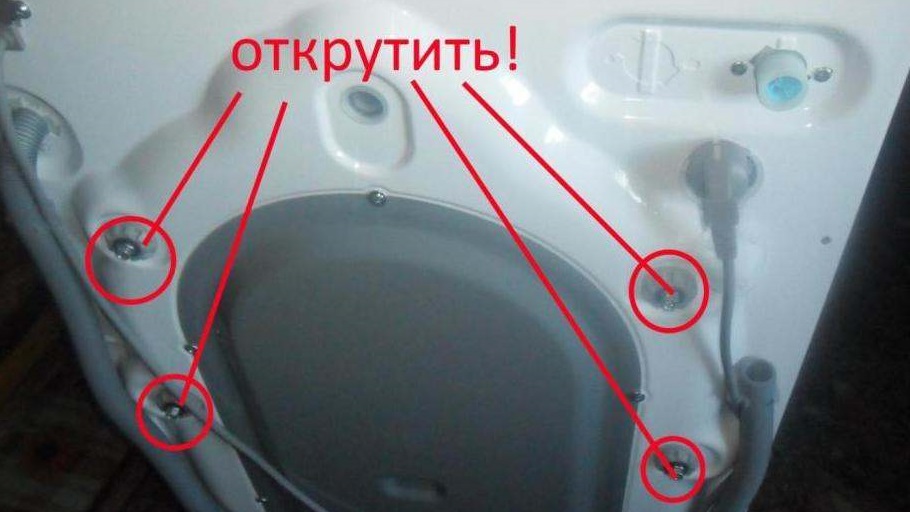
First, check the transport bolts—this is one of the most common issues new washing machine users encounter due to ignorance. These bolts are required in household appliances to prevent damage to the loosely secured drum and tank during transportation. To prevent damage to any appliance components during shipping, transport bolts secure key components in place.
Operating your appliance with these bolts in place is strictly prohibited, as this can not only damage several internal components but also void the manufacturer's warranty. Therefore, if your machine vibrates excessively during the first cycle, check to see if you've removed these bolts. They're easy to find—they're located on the back of the washer. If you have a Miele appliance, pay attention to the special mounting tubes hidden behind the decorative hatches.
The legs of the SM have twisted
Another problem that can be easily fixed at home without calling a service center. It can appear either immediately after installation or over time. This is due to the fact that sometimes users do not secure the washing machine's feet with the lock nut that is screwed onto the base.
Not every model has a lock nut, which is why this problem occurs so often over time.
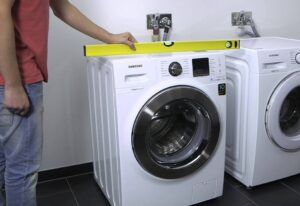
Before starting the appliance, be sure to check that it is level. You can verify this with a standard spirit level placed on top of the washing machine. If anything is amiss, adjust the feet until your "home helper" is perfectly level. If your machine has locknuts, be sure to tighten them to prevent the feet from loosening during the spin cycle. The more the feet loosen due to vibration, the stronger the vibration will become, further aggravating the problem.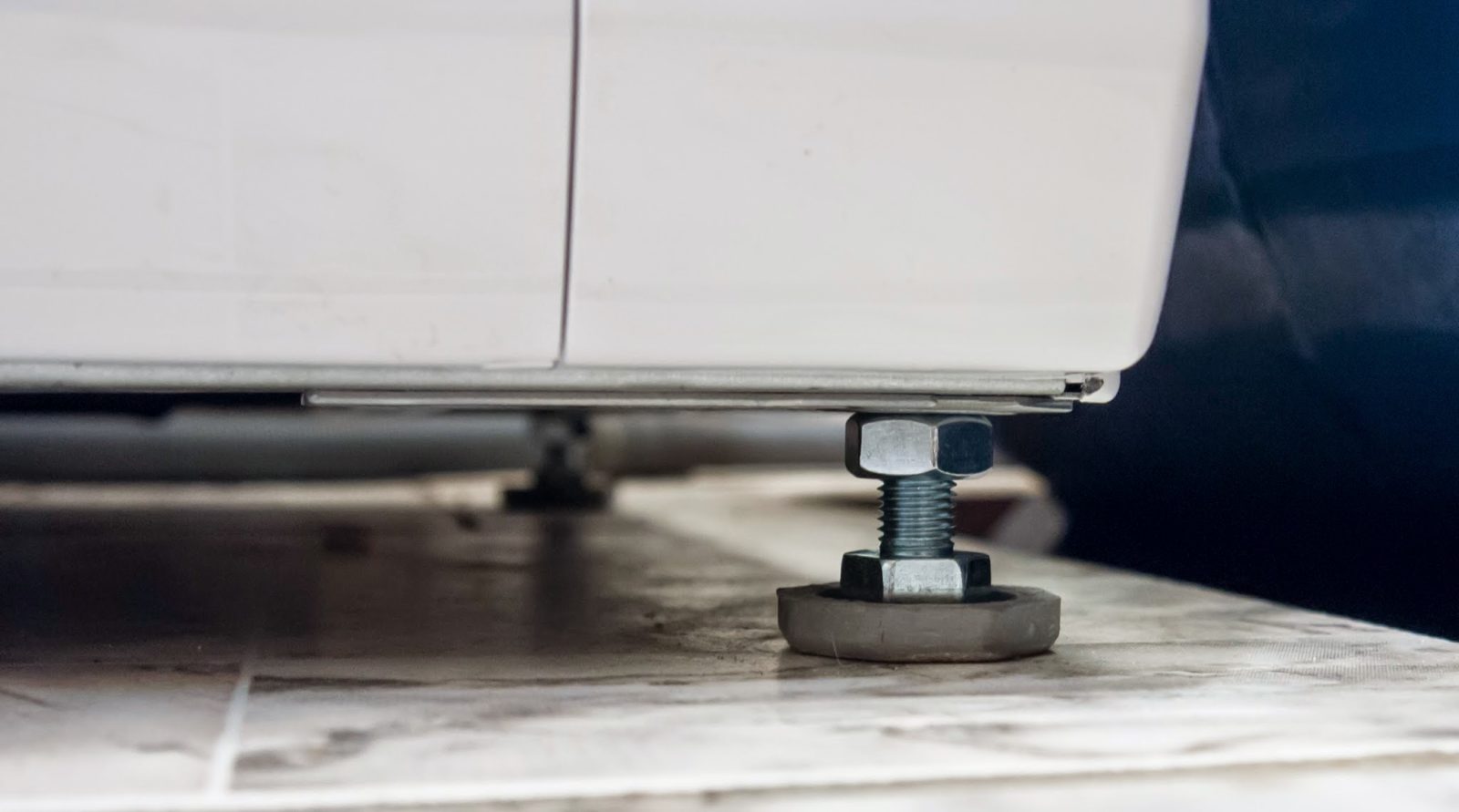
That's why you should purchase lock nuts yourself if they weren't included with your washing machine. You can find them at any hardware store or online.
Problems with the floor or flooring
Another common situation concerns the location of the washing machine. Whether it's in the bathroom, kitchen, or hallway isn't as important. What's more important is whether the floor is suitable for the appliance.
- It should be level. This can be assessed using the same spirit level or a plate filled with water, the position of which can be used to detect any differences.
- The surface should not be slippery, so if it is, you should place a rubber mat under the unit or purchase special rubber pads for the feet.
The tilt of the floor surface should not be more than 2 degrees, so that the washing machine does not touch walls, other household appliances, or other objects during intensive spinning.
- Wooden floors, parquet, and laminate should also be avoided, as they are very unstable. If there is no other option in the house, the floors will have to be reinforced.
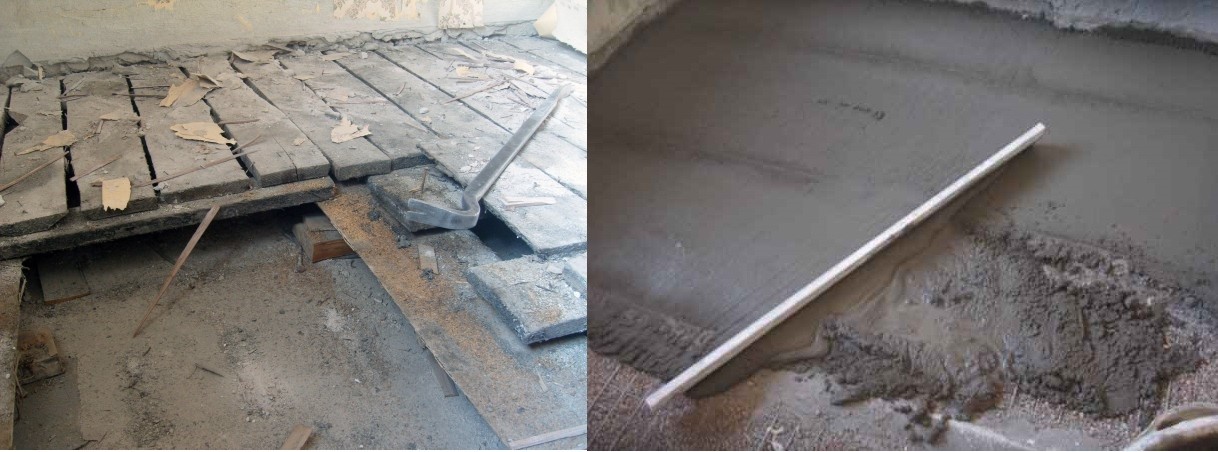
- It is better to place the “home helper” on tiles, for example, made of porcelain stoneware or concrete.
Don't underestimate the importance of flooring for the efficient operation of your washing machine, as proper installation is only possible on suitable floors.
Don't overload your machine
Finally, if the equipment begins to suffer from increased vibration, the load should be analyzed. If the abnormal behavior of the washing machine is typical only for a full drum, you can try washing fewer items at a time. While underloading your equipment is certainly bad for your equipment, it doesn't mean you should be washing all your dirty clothes in one cycle.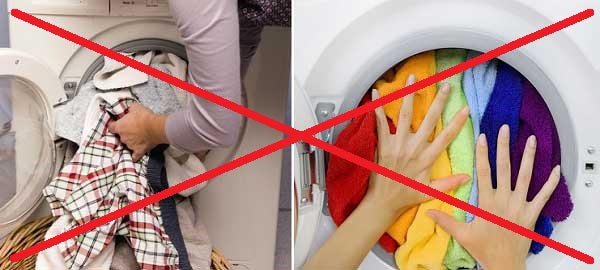
Overloading is considered a much more dangerous situation than underloading. The latter will only waste water, electricity, and detergent, but won't harm the machine itself. Modern washing machines are designed to operate even without laundry, for example, in diagnostic or cleaning mode.
However, if you seriously overload the washer, for example, by adding 10 kilograms of dirty laundry to the drum when the maximum capacity is 8 kilograms, you'll trigger a chain reaction—increased vibration and vibrations, which can damage the bearings and shock-absorbing mechanism. Therefore, strictly follow all safety precautions and the manufacturer's recommendations to ensure your "home helper" serves you well for a long time.
Interesting:





Readers' comments
Headings
Washing machine repair




For buyers




For users


Dishwasher




Add a comment