
How to install a wall-mounted washing machine?
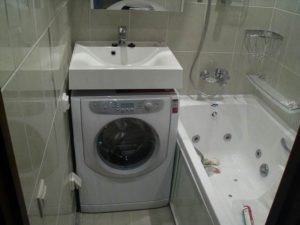
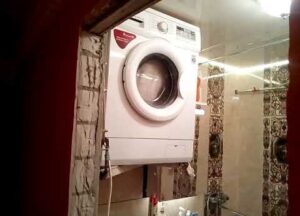
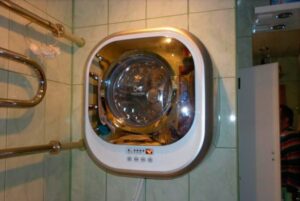 Progress never stands still – household appliances are constantly improving, becoming more functional and convenient. Wall-mounted washing machines are a prime example of this. Compact machines have become a true lifesaver, as they can be installed even in the smallest bathroom. These original models stand out from their full-size counterparts in their size, while still delivering comparable washing performance. Installing a wall-mounted Daewoo washing machine is slightly different from connecting a standard home appliance. Let's explore how to properly position a compact machine and how to connect its utilities.
What should you keep in mind when preparing for installation?
It is not possible to place an original washing machine everywhere. It is permitted to hang the automatic washing machine only on load-bearing walls, monolithic or brick. Only in this case will the use of the equipment be safe.
It is strictly forbidden to install wall-mounted machines on partitions made of plasterboard, wood, plastic or foam blocks.
If you mount the machine on a flimsy wall, there's a high risk of it falling off while in use. This is especially dangerous if you have children in the house. Furthermore, after such a fall, the chances of the machine functioning properly are very slim. Therefore, it's important to choose the right location for your "home helper." A distinctive feature of wall-mounted machines is the lack of a drain pump. Therefore, the machine must be connected directly to the sewer system. Pipes should run directly underneath the machine. It's best to make the water intake and drain lines as straight as possible. Hoses with many bends are unacceptable.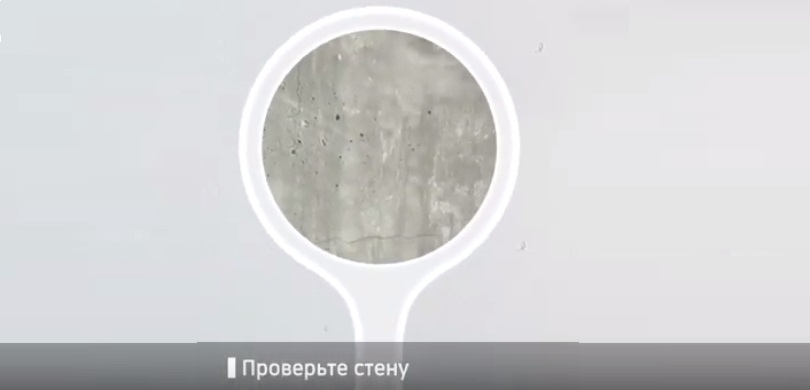
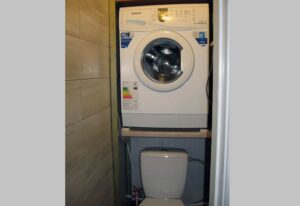
Water from a wall-mounted washing machine is discharged into the sewer after the drain is opened (a process similar to emptying a bathtub). This is why it's so important to position the corrugated pipe correctly. Modern wall-mounted machines feature a stylish design. Therefore, these machines blend seamlessly into the interiors of kitchens, bathrooms, toilets, and storage rooms. They can be hung without compromising the overall appearance of the room.
We hang up the device
The installation principle for wall-mounted washing machines is similar to connecting standard front-loading and top-loading washing machines. Before starting work, be sure to read the instructions for the equipment. The user manual describes the entire installation process in detail. Each wall-mounted washing machine comes with: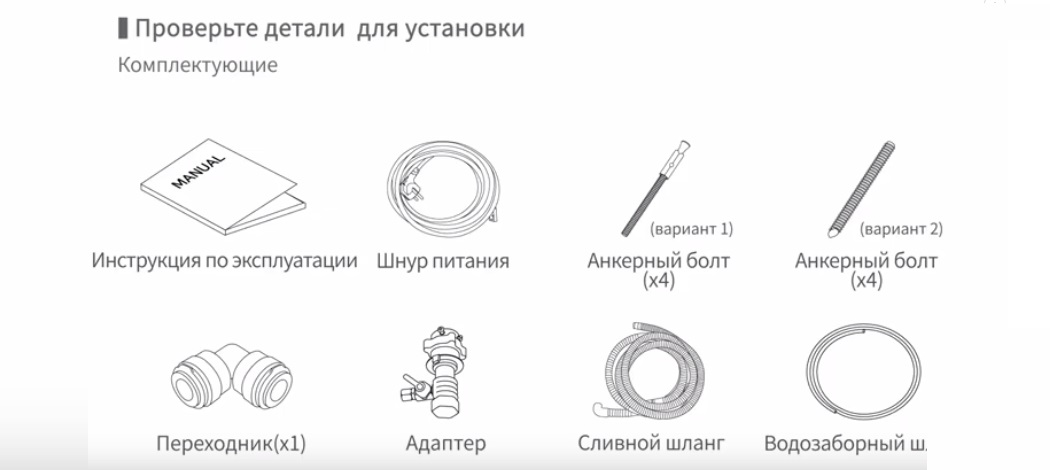
- drain hose;
- power cord;
- anchor bolts;
- inlet hose;
- pipes;
- mesh filter for water purification;
- hose nipple.
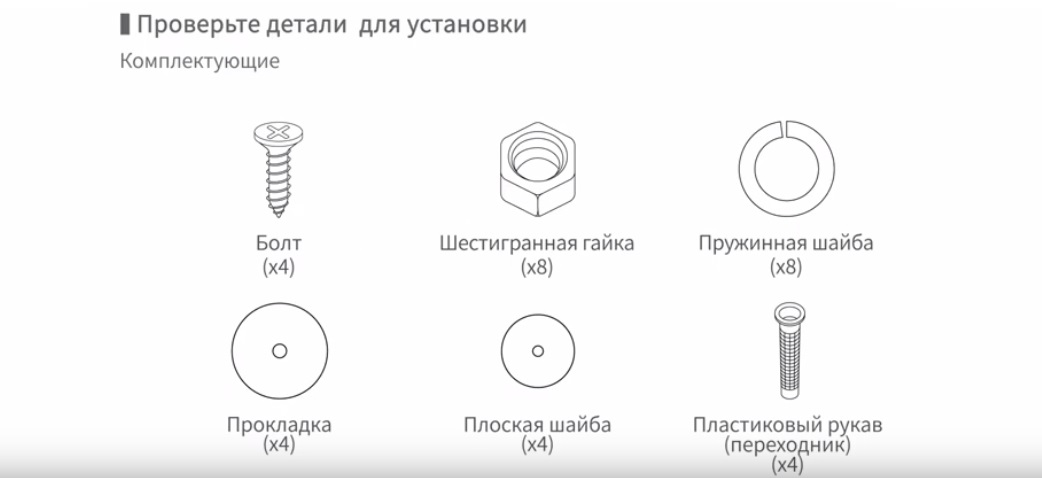
The washing machine is secured to the load-bearing wall using four anchor bolts. A hammer drill is required to drill holes in concrete. It's important to hang the machine level, so use a spirit level. The drain hose is not very long, so it's important to hang the machine near utility lines. We'll explain in more detail how to connect to the water and sewer lines and properly prepare the power point.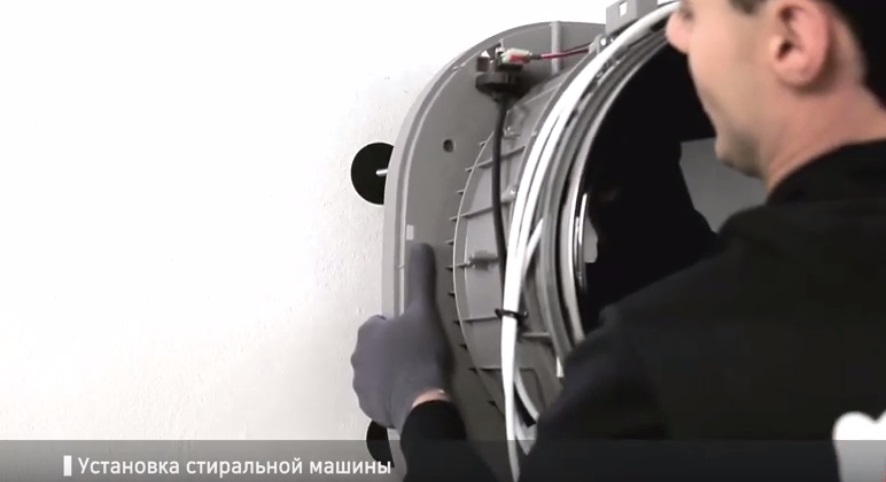
We provide power supply
Connecting the washing machine to the electrical network is thought out in advance. The optimal distance from the machine to the socket is no more than one and a half meters. This is the typical length of the power cords included with the washing machine. It's important that the washing machine be connected to a dedicated outlet with the appropriate voltage and grounding. Ideally, this outlet should be protected from moisture by having a special cover. Using an extension cord to power the appliance is prohibited, as it poses a safety hazard to both the machine and household members.
Grounding the socket will protect users from electric shock and the apartment from fire.
Therefore, don't ignore this recommendation. It's essential to ensure the outlet is grounded. Otherwise, the washing machine will constantly receive shocks, causing inconvenience to your family.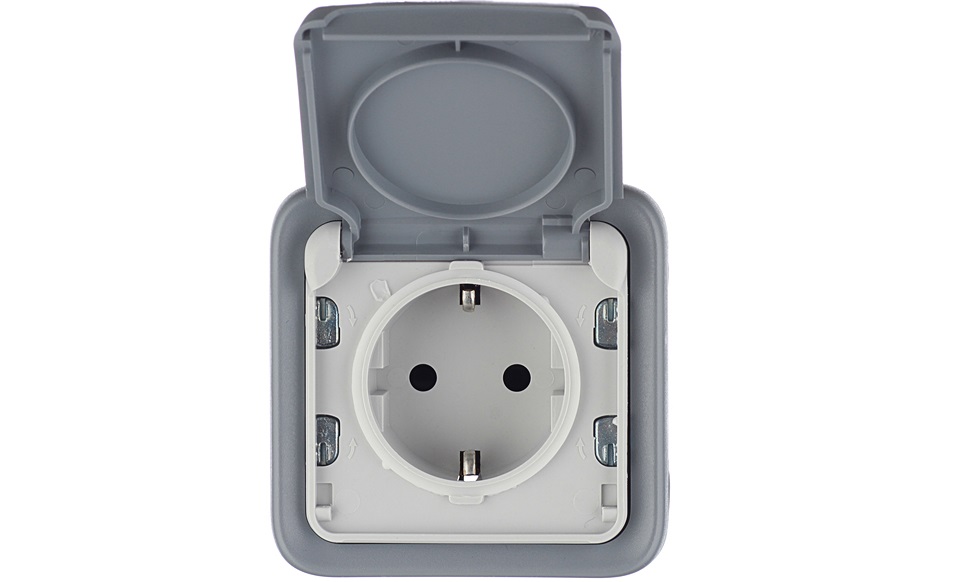
We provide the machine with water
Connecting a wall-mounted washing machine to the water supply is exactly the same as installing a standard machine. In the vast majority of cases, the water inlet hose is connected to the cold water pipe. Some wall-mounted models can be connected to a hot water supply. However, experts advise against this option, as it's inefficient. Washing machines have a built-in heating element that heats the water to the required temperature. Constant contact of the rubber seals and hoses with boiling water will only damage the equipment, not save money. The disadvantages of connecting machines to hot water are obvious:
- Filters clog faster. Everyone knows that hot water contains many more impurities than cold water;
- Laundry is washed less effectively. Hot water is harder, making it harder to remove dirt and making it harder for detergent to rinse out.
All the details of connecting the wall-mounted unit to the water pipe are described in the instructions. Sometimes the manufacturer allows you to attach a hose to the hot water supply. When this option isn't available, it's best not to take any risks, especially since the benefits of such a choice are questionable.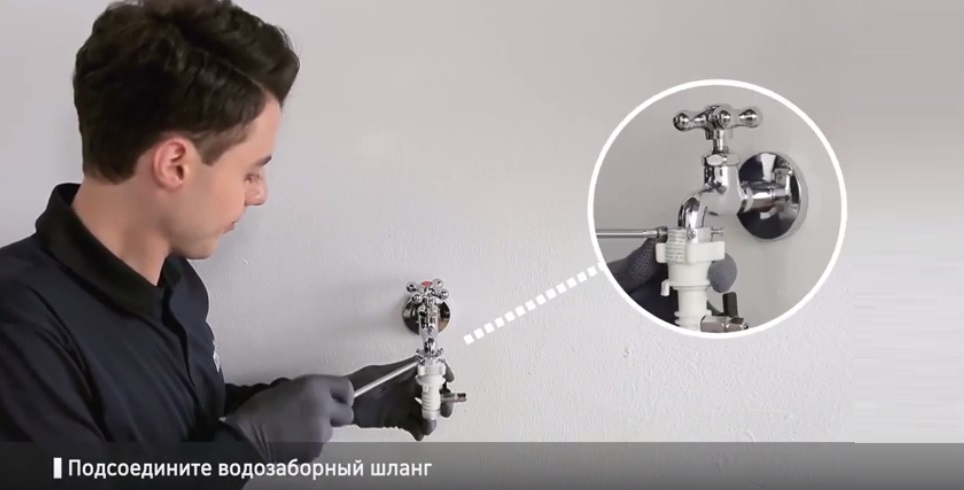
If there was a previous automatic washing machine in the house, simply attach the inlet hose to the old outlet and secure it to the tee with clamps. Then open the shut-off valve and check for leaks. When installing a new automatic washing machine in the apartment, you'll first need to install a connection point on the water pipe by installing a tee. You can do this yourself or hire a professional to do the job.
We organize waste disposal
Next, all that's left to do is connect the washing machine to the sewer line. The easiest way is to direct the drain hose into the toilet, sink, or bathtub. This method has one advantage: it only takes five minutes. However, it's unsightly and unhygienic. A buildup of residue will constantly form on the walls of the fixtures, requiring cleaning.
Another inconvenience of this option is that you'll have to detach the drain hose from the wall and reconnect it every time you wash. Therefore, it's better to connect the washing machine directly to the sewer system. Wall-mounted machines do not have a pump; water flows out of the tank after the drain is opened. Therefore, in this case, there's no need to worry about the bend of the drain hose or the height at which it enters the pipe. Simply ensure a tight seal between the corrugated pipe and the sewer outlet.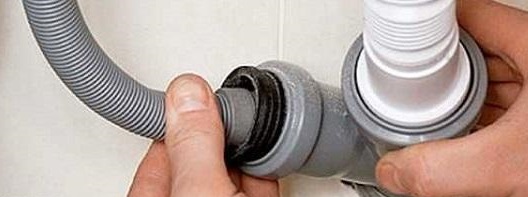
If you follow the instructions, even a novice can install a wall-mounted washing machine. The installation is straightforward, especially if you previously had another automatic washing machine in the room. After hanging and connecting the wall-mounted washing machine, be sure to run a test cycle with the drum empty. It's important to run the spin cycle at maximum speed. If no problems are detected, you can safely begin using your "home helper" as intended.
Interesting:


Readers' comments
Headings
Washing machine repair




For buyers




For users


Dishwasher




Add a comment