
How to install a Candy washing machine?
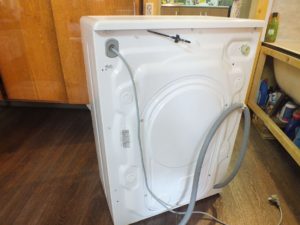 After purchasing a new washing machine, buyers often wonder whether to install it themselves or hire a service technician. Often, washing machine manufacturers don't allow users to install the appliance themselves. Otherwise, the warranty will be voided.
If you decide to install your Candy washing machine yourself, be sure to check with the store to see if this will void the manufacturer's warranty. If not, you can try connecting the appliance using a specific procedure.
Don't rush to accept the goods
When purchasing a Candy automatic washing machine, inspect it in the store. There should be no chips, dents, or scratches on the body. If you find even minor defects, refuse to purchase a sample and demand that you receive a washing machine without damage.
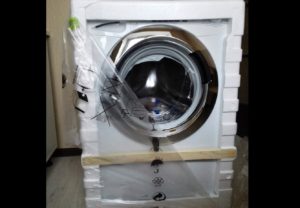 Customers often pay for their model in-store and order delivery. In this case, you'll need to inspect the machine a second time, after the courier delivers it to your home. During transportation and lifting, the machine can be dropped or hit, causing significant damage. Do not sign the inspection report if you find scratches, dents, or other defects on the body of the delivered machine.
If the machine is intact, plug it in. After plugging it in, the indicator on the dashboard should flash and the display backlight should light. Turn the program selector – the values on the display should change.
Once you've verified that your Candy washing machine is fully functional, you can sign the paperwork and let the courier leave. It's a good idea to ask the store's employee for the phone number so you can quickly contact the seller if necessary.
Removing the transport bolts
The next step is to remove the shipping bolts located on the rear panel of the machine. These bolts secure the washing machine's drum. They ensure the drum is securely fastened to the machine and will not be damaged during transit.
Starting a washing machine without removing the transport bolts can easily cause non-warranty damage.
This is why it's so important to remove the retaining bolts before installing your washing machine. Otherwise, after starting the wash cycle, the motor will try to spin the drum, but the retaining bolts will prevent this. This could result in burnout of the motor or damage to the drive mechanism. Please refer to your washing machine's manual for instructions on how to remove the transport bolts.
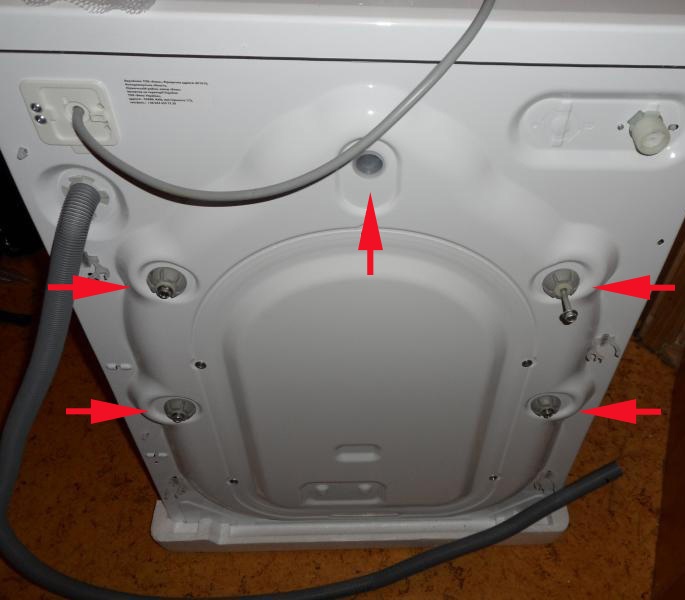
The screws can be removed from the housing using pliers or a suitable wrench. After removing the fasteners, the holes are sealed with special plastic plugs included with the device.
Where will the car be located?
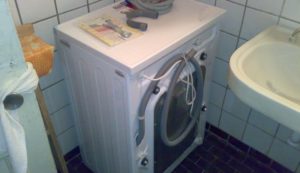 Typically, the location for a washing machine is determined in advance, even before purchasing the appliance. Buyers select a machine specifically to fit the dimensions of the bathroom, alcove, or furniture unit where their "home helper" will be installed.
When purchasing a built-in washing machine, consider how to close it in advance. The door must be appropriate for the appliance's dimensions and easy to install.
The flooring under the automatic machine is crucial. Ideally, it should be a durable concrete or tile floor. If the unit is placed on planks, they must be reinforced beforehand.
It is advisable not to install a Candy washing machine on laminate flooring – even a small leak will cause the flooring to swell and become unusable.
Before installing the appliance, check whether the inlet and drain hoses are long enough to connect the machine to the water supply and sewer lines. Once you've allocated a suitable location and ensured that the washing machine fits comfortably, you can connect the appliance to the house's utility lines. Follow the instructions carefully.
Pay attention to the socket
A dedicated outlet must be provided for connecting the washing machine. It must be waterproof and have a grounding wire. Although modern washing machines comply with all standards for protecting against electric shock, it's always a good idea to be extra careful.
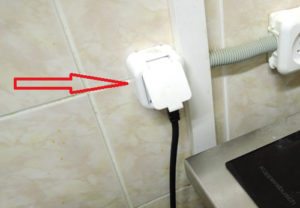 Stores sell special waterproof sockets with protective covers and shutters. This option is ideal for a washing machine.
Washing machines typically have a uniform power cord length of one and a half meters. Therefore, it's advisable to locate the outlet at precisely this distance from your "home helper." While you can certainly use a good extension cord, the manufacturer still recommends connecting the appliance directly to the power supply.
Grounding in electrical outlets is necessary to prevent mild electric shocks. Otherwise, you'll feel an unpleasant tingling sensation when touching the machine's body. This doesn't pose a serious risk to humans. All it causes is discomfort and inconvenience.
Water supply
Next, all that's left is to connect the machine to the water supply and sewer system. This is the most difficult step. To ensure proper installation, carefully read the user manual. The instructions detail how to set up the outlets.
Typically, the washing machine's inlet hose is connected to a cold water supply. Rarely do models allow for connection to a hot water supply. This feature is quite questionable and can cause damage to the appliance:
- hot water is more polluted than cold water, which means the filters will become clogged faster;
- A high water hardness level will reduce washing performance. The machine will use more detergent to achieve the desired cleaning effect.
Read the equipment instructions. If the manufacturer provides a cold water connection, connect the inlet hose to the appropriate pipe. Avoid other options, as they will definitely damage the machine.
If you already have a washing machine in your home, connecting the new one yourself is easier. Simply attach the hose to the existing outlet. Then, open the water supply valve and check for leaks.
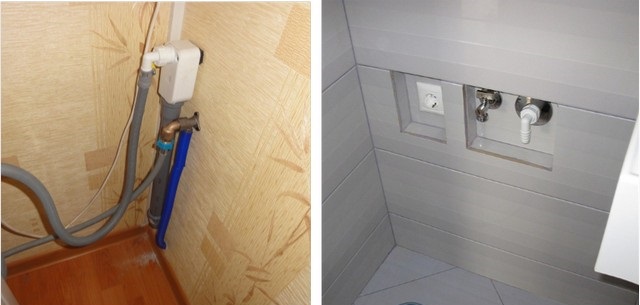
It will be a little more difficult when you connect the machine for the first time. If there is no connection to the pipe, an outlet point will have to be arranged. You can do this yourself, if you have the necessary tools, or contact a plumber.
When connecting equipment yourself, please be aware that:
- you need to take the hoses that come with the machine;
- Pay attention to the pressure in the pipe. The reading should match the values recommended in the instructions.
Before starting work, be sure to shut off the water supply to the pipes. The hole for attaching the inlet hose is located on the top, rear panel of the housing.
Discharge of waste water
In addition to connecting the machine to the power supply and water supply, it's essential to ensure the drainage system is functioning properly. Removing waste water from the drum is an essential part of the washing machine's operation.
Some users opt for the simpler route of directing the washing machine drain hose into the bathtub or sink. However, this drainage method is not only unsightly but also unhygienic. A dirty film quickly accumulates on the walls of the fixture, requiring cleaning after each use.
The best way is to connect the drain hose to the siphon and securely fasten the connection with a clamp.
The manual describes in detail how the sleeve should be positioned. The manufacturer recommends that the end of the drain hose be located at least 50-60 cm above floor level. The tube should be positioned at a specific angle to prevent unpleasant odors from entering the washing machine. Otherwise, no amount of fabric softener or fragrance will leave your laundry feeling fresh.
Once the washing machine is connected to the house utilities and power, all that's left to do is level its frame by adjusting the feet and run a test wash. When using the machine for the first time, be sure to be near the appliance to promptly respond to any malfunctions. Make sure there are no leaks where the hoses connect to the pipes or the washing machine itself.
In fact, installing a Candy automatic washing machine isn't difficult. The key is to carefully read the instructions and follow the instructions carefully.
Interesting:



Readers' comments
Headings
Washing machine repair




For buyers




For users


Dishwasher




Add a comment