Electrolux washing machines are quite expensive, requiring additional costs for installation. Therefore, many customers quite rightly believe that installing an Electrolux washing machine is possible on their own. However, before you begin, we recommend familiarizing yourself with the installation instructions.
Preparatory operations
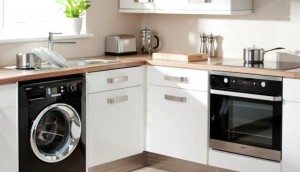
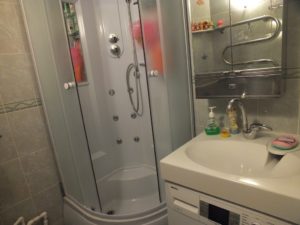
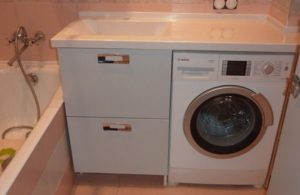
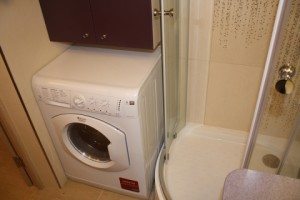
First, it's necessary to select a location for the appliance and clear some utility lines. Typically, the unit is placed in the bathroom or kitchen, and the required space is determined in advance, during the renovation phase. The foundation for the washing machine must be level and sturdy. The installation itself begins with preparing the machine.
The equipment should be removed from its original packaging. Do not tear the packaging or throw away its contents, such as the foam used to pad sharp corners. A complete box allows you to return and exchange the machine if it suddenly breaks down during the warranty period.
The box contains instructions—be sure to read them carefully. Check that all components listed in the technical documentation are present. The next step is as follows:
turn the machine with the back wall facing you;
unscrew the transport bolts;
plug the holes that appear with plugs (included);
Open the powder tray and the hatch door and check if there are any foreign objects inside (if there are any, they should be removed).
On the front panel of the machine, at the very bottom, there is a small round cover. Open it to reveal the drain filter. Check that it is screwed in all the way.
Important! Water and sewer connections must be located no more than one and a half meters from the unit's body.
For the next step, prepare FUM tape, an adjustable wrench, pliers, and automotive sealant. A spirit level will also come in handy. Make sure there are no cabinets, unnecessary furniture, or anything in front of the washing machine that would obstruct the full opening of the door.
Filling and draining water
Use a spirit level to position the machine. Check the machine's position until it's perfectly level. Adjust the feet if necessary. Then, proceed with the wiring.
To connect the inlet hose to the plumbing, install a tee fitting with a ¾-inch outlet on the water supply. Attach the free end of the hose to the tee and hand-tighten the plastic screw located on it. This is the standard connection diagram: tee fitting – siphon nipple – outlet. If you know of other options, you can use them.
You can't use an adjustable wrench in this case - you'll strip the threads and damage the inlet hose screw.
After ensuring all components are securely connected, remove the plug from the siphon fitting and attach the drain hose. Beforehand, apply sealant to the fitting or secure the connection with a clamp. Some people don't bother and simply throw the hose into the sink or bathtub. This solution, while certainly not the most aesthetically pleasing, is still viable.
Power supply of equipment
It's best to take care of the electrical work before purchasing. Call an electrician or install an outlet yourself in the kitchen or bathroom (depending on where you plan to place the appliances). Purchase a special outlet with a waterproof housing. Pay particular attention to the quality of the outlet you'll be installing in the bathroom.
An electrical cable must have three conductors: neutral, live, and ground. An ungrounded unit carries 110 volts of voltage, so grounding is essential to protect yourself from electric shock. Furthermore, modern equipment often fails very quickly without grounding.
The remaining two wires are connected to the circuit breaker and the residual current circuit breaker, and only after that to the panel. Under no circumstances should you connect the washing machine to the power supply via tees or extension cords! A low-quality "pilot" with weak contacts can cause a fire.
Once you've installed the machine yourself, it's time to test it. Plug the power cord into a power outlet. Turn on the tap and select the quick cycle (run a test wash without laundry or detergent). If the cycle runs correctly, everything is fine. Now you can fully utilize your "home assistant."
We organize remote control
Modern Electrolux appliances feature remote control. To start your machine remotely, install the My Electrolux Care app on your smartphone or other handheld device. It allows you to not only control your machine but also monitor its progress while away from home.
How do I connect my gadget to my Electrolux washing machine? Download the app from Google Play or the App Store and launch it. Select your language and country, then:
create an account;
in the top (Android) or bottom (iOS) menu, open the “Devices” tab;
Click on the plus to add your unit;
select your product type from the list;
Check if your login and password are stored on your home network.
Then, enable Wi-Fi on your device. To do this, look for the "Wi-Fi Connection Setup" section in the user manual. The basic setup steps are general, but some steps are specific to the OS. Android, and some - for AppleiOS. Once Wi-Fi is connected, press Home.
My Electrolux Care will connect to your smartphone. Select the desired network and enter the password. Once setup is complete, create and enter a name for your device. Congratulations! From now on, you can use the app anytime.

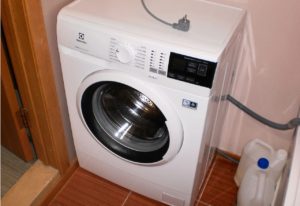 Electrolux washing machines are quite expensive, requiring additional costs for installation. Therefore, many customers quite rightly believe that installing an Electrolux washing machine is possible on their own. However, before you begin, we recommend familiarizing yourself with the installation instructions.
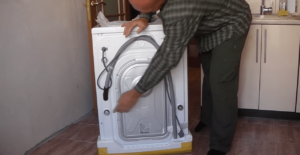 The box contains instructions—be sure to read them carefully. Check that all components listed in the technical documentation are present. The next step is as follows:
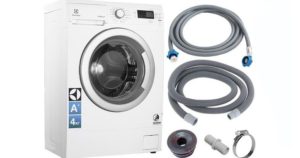 Use a spirit level to position the machine. Check the machine's position until it's perfectly level. Adjust the feet if necessary. Then, proceed with the wiring.
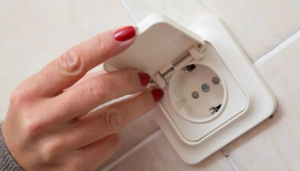 It's best to take care of the electrical work before purchasing. Call an electrician or install an outlet yourself in the kitchen or bathroom (depending on where you plan to place the appliances). Purchase a special outlet with a waterproof housing. Pay particular attention to the quality of the outlet you'll be installing in the bathroom.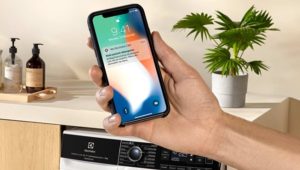















Add a comment