
How to install a Gorenje washing machine
 Selecting, purchasing, and transporting household appliances is just the beginning. Afterward, the new equipment needs to be installed and connected to utilities. Gorenje washing machine installation can be done in two ways: by the user or with the help of a service technician. Sometimes the manufacturer clearly states that self-installation voids the warranty. If this is not stated in the documentation, read the instructions and prepare the machine for its first wash.
Was the machine damaged during delivery?
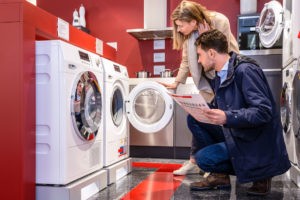
A new Gorenje washing machine isn't cheap, so it's important to approach your purchase with the utmost care. First, carefully inspect the machine you've chosen in the store to check for any dents, chips, or other defects. Next, open the door and manually rotate the drum in both directions. The cylinder should rotate silently, but with some strain. Afterwards, we ask the seller to connect the equipment to the power supply to check the functionality of the dashboard.A functioning instrument panel will respond with illuminated LEDs that will change position as the programmer is rotated.
Particular care is taken when transporting the equipment home. Ideally, it's best to arrange for in-store delivery to protect yourself from any shipping errors. If you decide to transport the equipment yourself, exercise extreme caution—after payment and signing the contract, all responsibility for the unit transfers to the new owner.
Be sure to check the integrity and serviceability of the washing machine you buy in the store!
If you choose in-store delivery, you should also be careful. Don't sign for the package immediately after receiving it from the courier—it's important to check the quality of the delivery. Here's how to proceed: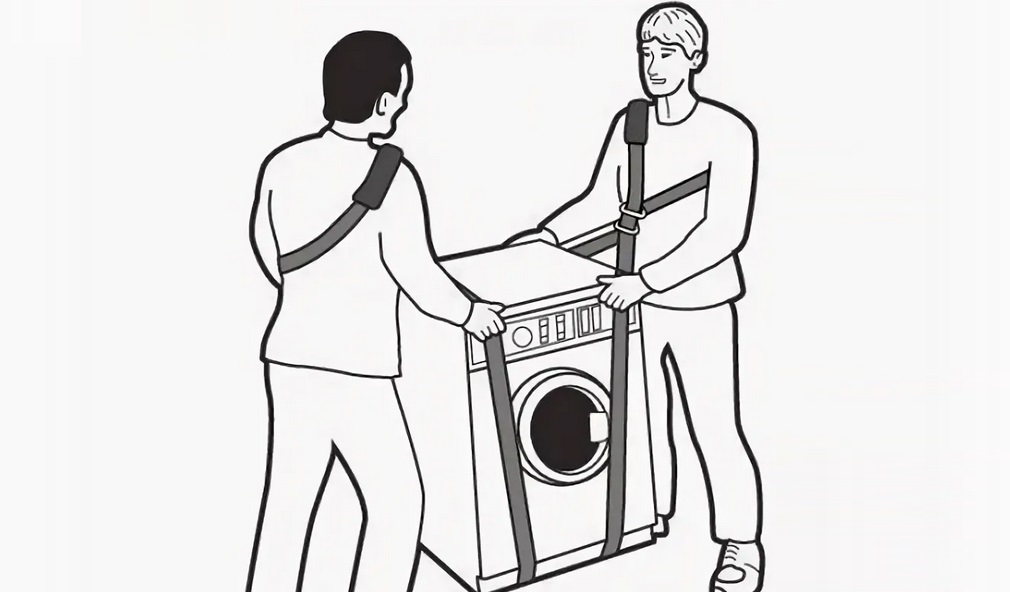
- open the package;
- inspect the machine for damage;
- connect the equipment to the power supply and check if the instrument panel is working;
- check the availability of components, warranty card, instructions and other documentation;
- If everything is in order, sign the acceptance certificate for the goods.
If chips or other defects are discovered during inspection and testing, the consumer should not sign the documents. In this case, the consumer is entitled to compensation or a replacement. It's best to send the courier back and wait for the store to provide an equivalent replacement or refund the money for the damaged product.
Let's unlock the tank
It's not recommended to install a newly delivered washing machine immediately. First, let it settle, leaving it undisturbed at room temperature for 2-3 hours. This is especially true if it was transported during cold weather. After the allotted time, you can move the machine to its designated location and begin connecting it to the utilities. When installing a Gorenje yourself, be sure to read the instructions. They detail the entire installation process, providing tips and visual examples. It’s better not to be lazy, but to spend 2-3 hours “getting used to” the washing machine by studying the technical documentation.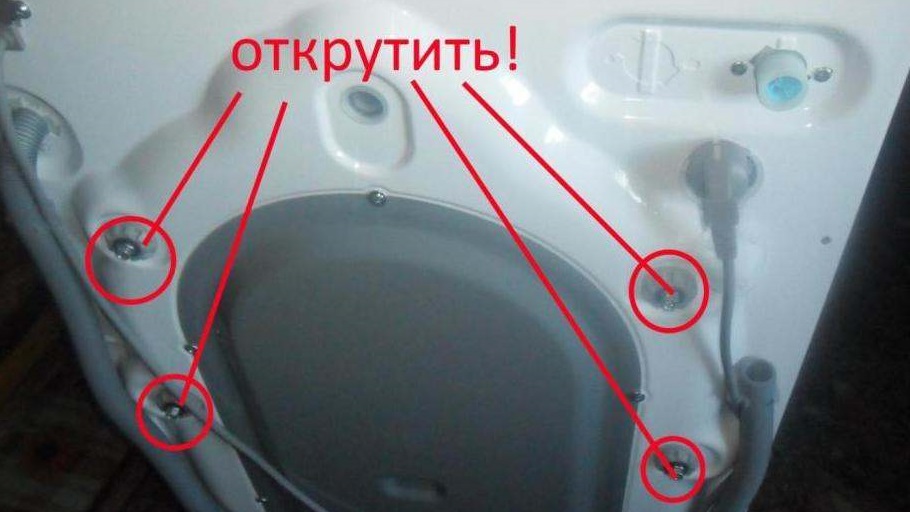
The instructions clearly state that the first step is to remove the transport bolts. They are essential when transporting the equipment, as they secure the tank in place, protecting the tank itself, adjacent components, and the shock absorber system. However, running the cycle with them in place is prohibited, as the engine will attempt to spin the secured drum. This will ultimately damage the cylinder, motor, shaft, and other components. Incidentally, such damage is not covered by the warranty, and the inattentive user is responsible for the repairs.
Removing the shipping bolts is easy: just follow the instructions. Using pliers, remove the top portion of each fastener, then push the rods back into the housing, and seal the remaining holes tightly with the included plugs.
Base for the body
It's best to decide where to install your new "home helper" before purchasing it. Furthermore, the model you choose depends on the room's dimensions, style, and other preferences. Especially if you want a built-in washer, it must fit perfectly within the designated space. Otherwise, the washing machine won't fit, will stick out, and become an inconvenience.
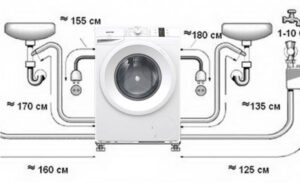
It's also worth considering the connection to the water supply and sewerage system in advance. It's important to understand that the location chosen for the machine should be near a riser or trap. Extending the hoses by adding a sleeve is unsafe, and purchasing additional corrugated tubing is troublesome and expensive. The same applies to the power supply: you need to select an outlet within reach of the power cord. Be sure to pay attention to the flooring. It must be level and sturdy.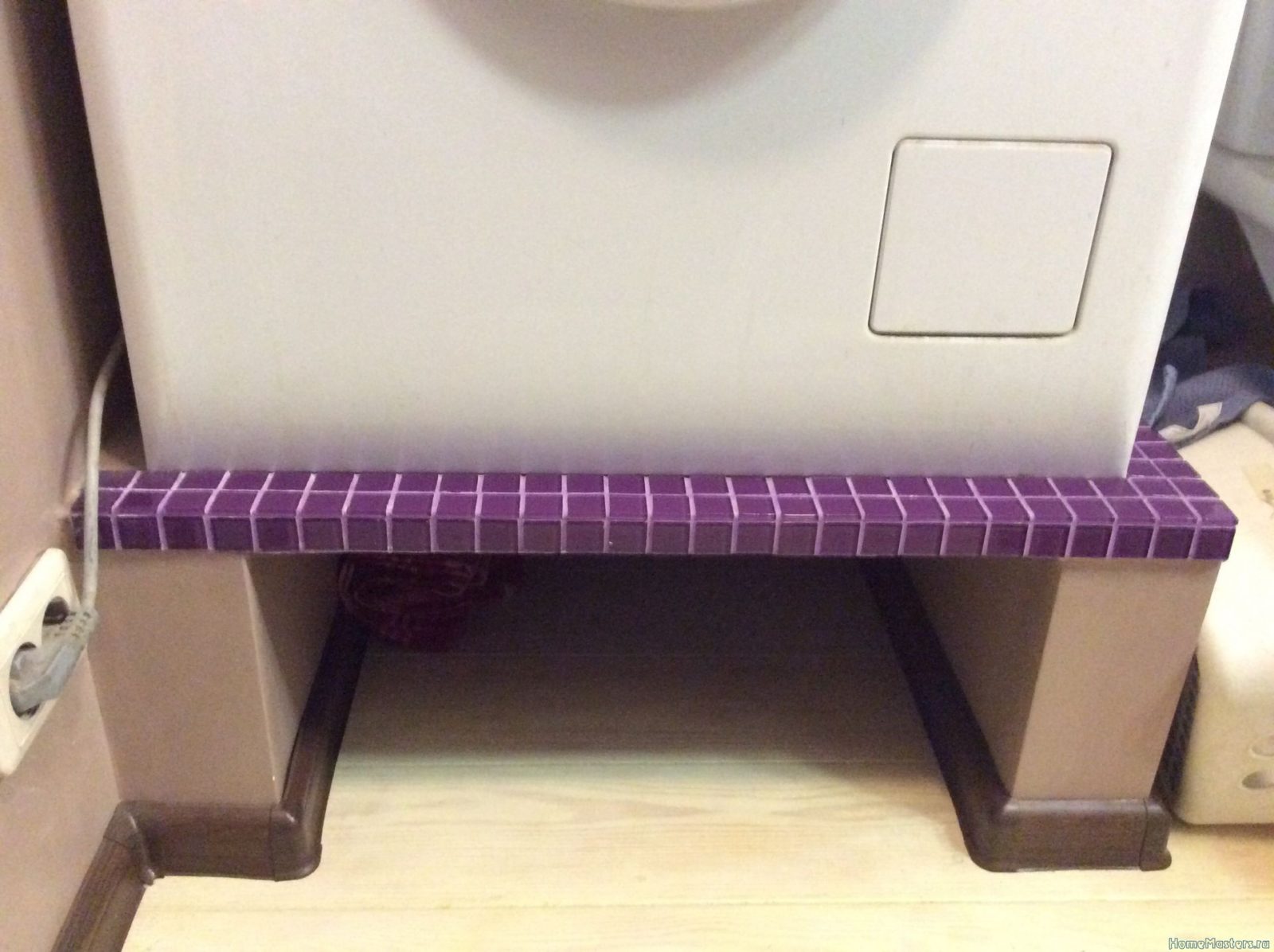
- the ideal option is tiles or concrete;
- wood is acceptable, but must be reinforced first;
- It is not recommended to place the washing machine on laminate flooring, as it will become saturated with moisture and swell if there is a leak.
Once you've selected and prepared a location, you can begin connecting and adjusting the enclosure. We'll explain exactly what to do next.
Power connection point
Connecting to utilities begins with setting up the power supply. It's best to plan this step when choosing a location, ensuring the washing machine is no more than 1.5 meters from the nearest outlet. This is the power cord length required for most Gorenje machines. Please remember that the manufacturer strongly advises against using extension cords, as this is unsafe for both the user and the equipment.
Pay special attention to the outlet itself. It should be a dedicated 220V power outlet with grounding. Ideally, it should be wired separately with wires rated for the machine's power consumption. If the washing machine is installed in a bathroom, it should be protected from moisture.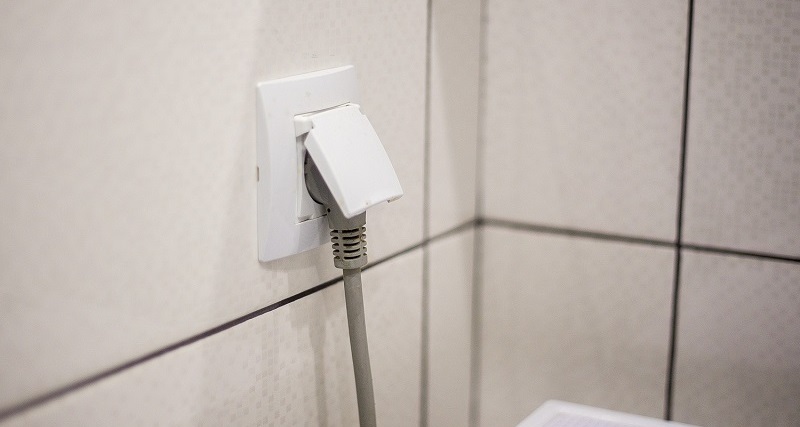
When setting up your own electrical system, it's important to ground the washing machine. Turning it on without grounding will have consequences. At a minimum, the machine will sputter; at worst, it will cause an electric shock if the circuit breaks down. It's better to play it safe and think about protecting your family members in advance.
We provide water supply
The second step is connecting to the water supply. Typically, the machine's inlet hose is connected to a cold water supply. Some Gorenje models allow connection to a hot water supply, but only as an exception. It's important to understand that this option is significantly more harmful to the machine: filters and hoses will clog faster, and clothes will be washed less efficiently due to the increased water hardness.
It is recommended to open the shut-off valve on the water pipe only when washing.
Heating water is the job of the heating element. Connecting it to a hot water supply won't extend its lifespan; on the contrary, it will shorten it due to a layer of scale. It's best not to experiment, but rather follow the standard procedure by connecting the hose to the cold water supply. If there was already a washing machine in the room, adjusting the connections will be simple: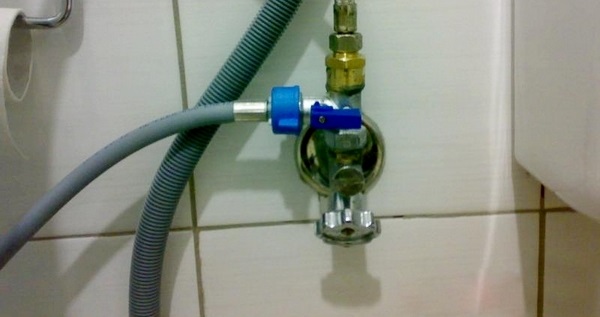
- screw the inlet hose to the existing outlet point;
- tighten the clamp;
- open the water tap;
- check if there is any water leakage at the joint.
Things are more complicated if the machine is being installed in a new location. Then you'll have to shut off the water supply and install a tap into the pipe, creating an outlet. The pressure in the riser should be measured beforehand—it should match the standard specified in the Gorenje instructions. Setting up the water supply from scratch is difficult; it's best to call a professional.
We organize the drainage of waste oil
The next step is organizing the drainage system. Here, the user has two options. The most straightforward is to lower the "free" end of the drain hose into the toilet or sink. While this will pump water from the washing machine into the sewer, such a simple solution is unsightly, inconvenient, and unhygienic. You'll have to constantly install a corrugated hose, put up with the rubber band under your feet, and clean the plumbing more often.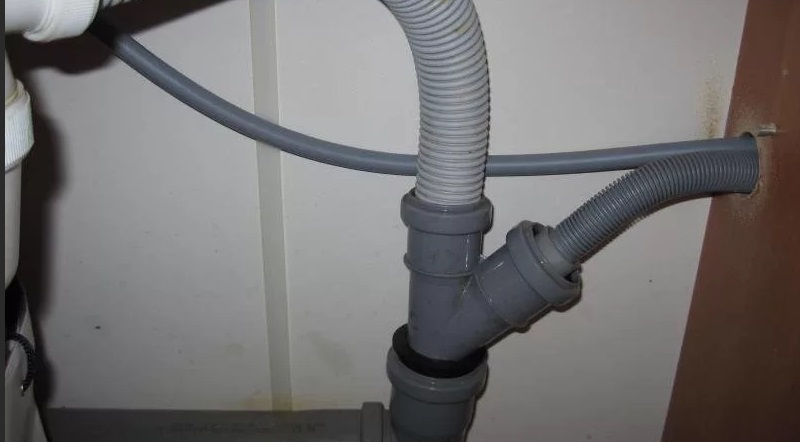
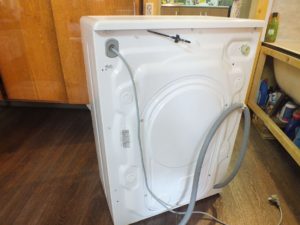
It’s better not to be lazy and choose the second option – connecting the drain hose to a sewer pipe or siphon. The sleeve is fixed on a special tee and tightened with a clamp.You just need to follow a few rules: raise the corrugated pipe 50-60 cm from the floor and ensure a bend using the hook attachment. The washing machine needs to be adjusted while connected to the utilities. Simply place a spirit level on the lid and, using the level as a guide, adjust the feet. Next, run an empty cycle, checking the installation quality and the machine's functionality.
Interesting:
Readers' comments
Headings
Washing machine repair




For buyers




For users


Dishwasher




Add a comment