
How does a Hansa dishwasher work?
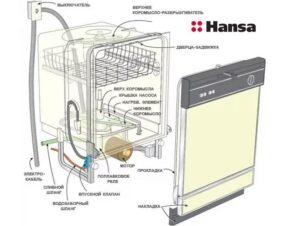 A modern dishwasher is a complex appliance, difficult to understand without specialized training and repair experience. While it's not typically necessary for dishwasher owners to understand the internal workings of a Hansa dishwasher, it can be very helpful if the machine breaks down and they need to independently determine the cause of the problem, or even fix it. Today, we'll explain what a modern dishwasher consists of, how it works, and the differences between different models.
What parts are inside the case?
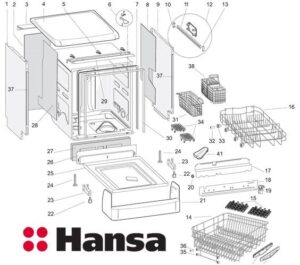
To quickly understand how a dishwasher works, simply remove the dishwasher's body and tray. Doing so will reveal the appliance's main components and modules.
- The motor is the “heart” of the device, which activates all internal components of the equipment.
- A circulation pump responsible for supplying water from the connected communications to the sprinklers inside the washing chamber.
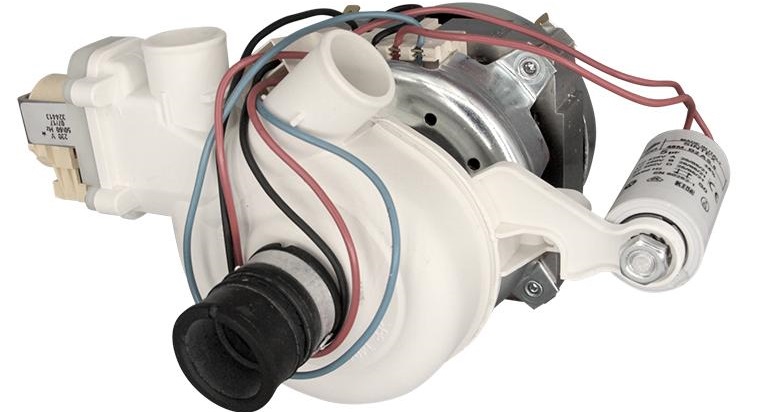
- A flow-through pump that is housed in the same housing as the circulation pump needed to heat the water.
- A drainage pump installed to drain waste liquid into the sewer.
- Drain hose and fittings.
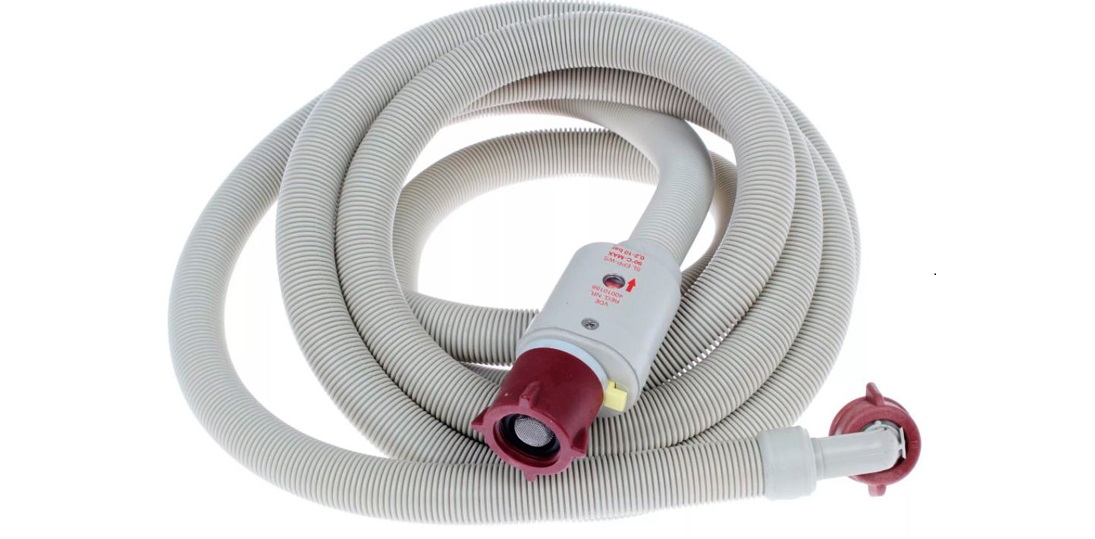
- The inlet hose is usually additionally equipped with an aquastop system to protect the user from leaks.
- A coarse filter, located at the inlet of the filling hose into the dishwasher, is necessary to block rust, dirt, and other debris found in poor-quality tap water that can damage the appliance.
- A pressure switch is a special sensor that determines the water level in a Hansa dishwasher.
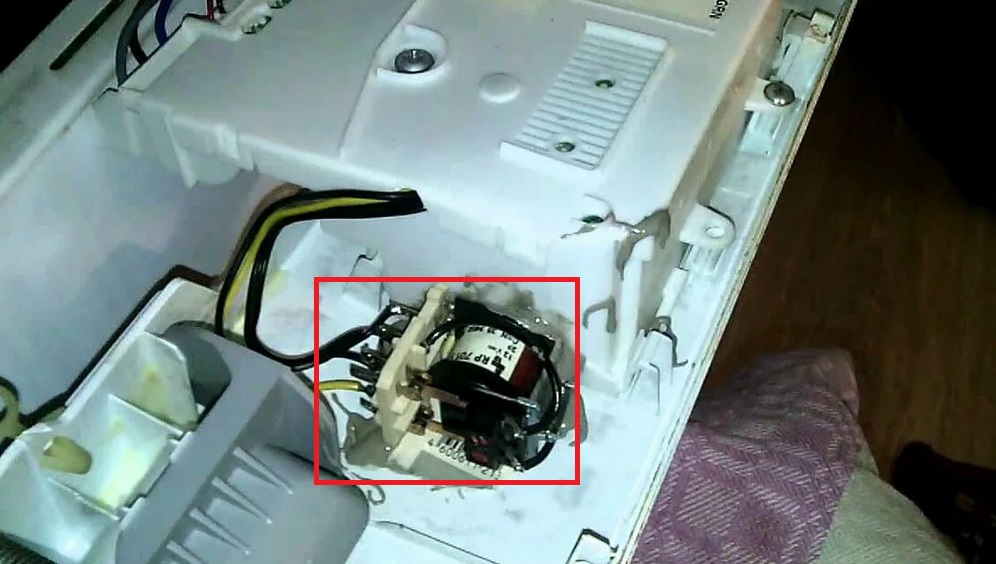
- Water intake.
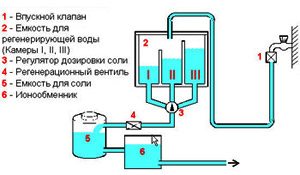
- An ion exchanger is a tank containing a special resin that is needed to soften hard water.
- The control board is the most valuable and complex component of the machine, which controls the operation of all other components.
- Wiring, connecting hoses.
- Soundproofing to reduce noise levels during washing and drying.
This applies to the components hidden within the appliance's body. If you don't open anything, but simply open the wash chamber door, you can see the following components with your own eyes:
- Wash bin made of stainless steel for rust protection;
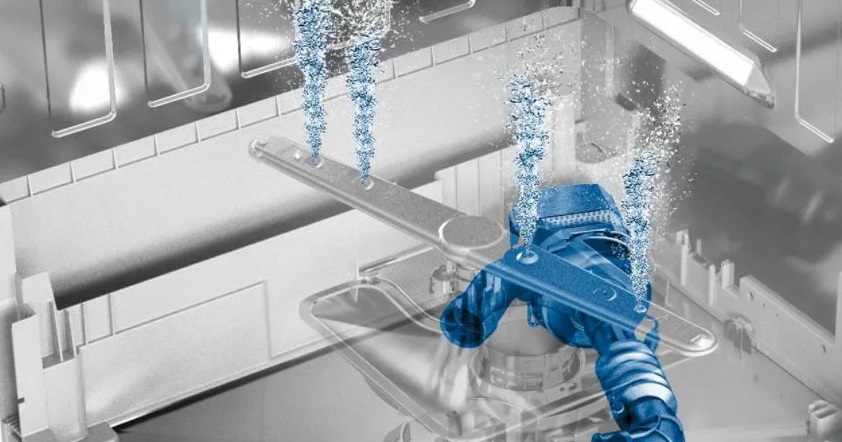
- Sprayers that direct powerful streams of water onto dirty dishes;
- baskets for dishes, as well as a special tray for cutlery;
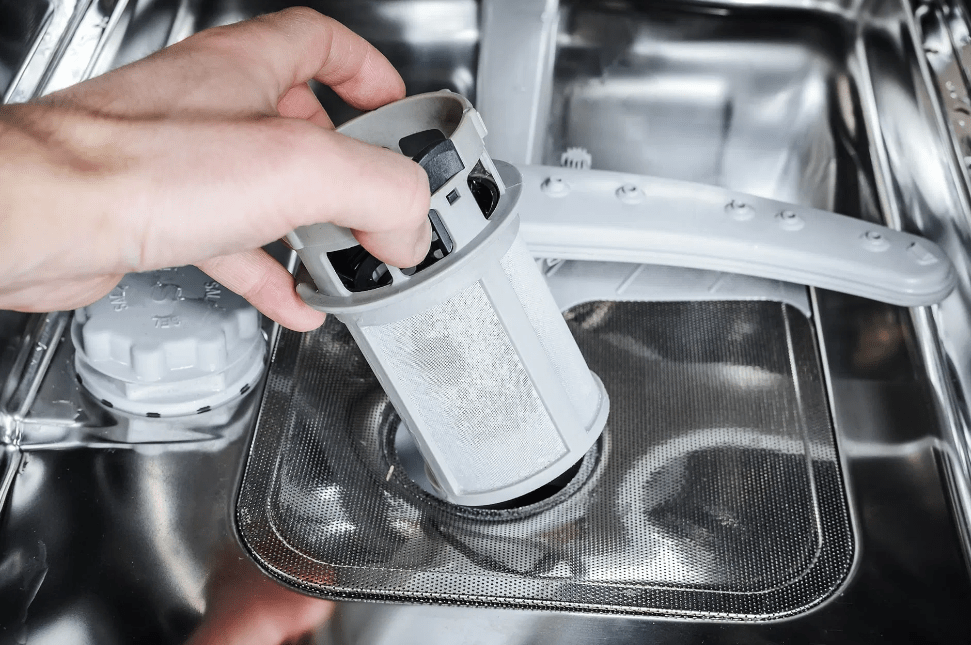
- A debris filter, installed at the bottom of the washing chamber, looks like a cup with a small mesh screen. A second filter, a fine mesh screen installed directly on top of the first filter, is also located there;
- a separate reservoir at the bottom, designed for special dishwasher salt;
- several different detergent dispensers installed directly on the machine door;
- rubber seal around the edges of the tank;
- The most important thing is the electronic control panel, which is used to select and start washing programs.
At this point, you can close the door of the washing chamber, because our peculiar “tour” of the internal structure of the dishwasher is complete.
Differences in PMM from model to model
The next item on our must-know list for our favorite "home helper" is the differences between different models. While we certainly answered the question of "how a standard dishwasher works" in the first section, depending on the model, there may be additional components inside the appliance.
- A heat exchanger that looks like a wide plastic tank that contains cold water. This element is installed next to the metal tank inside the dishwasher and is needed to ensure that drying of dishes is efficient and less energy-consuming.
- A fan or auxiliary heating element to significantly speed up drying.
- Water purity sensor. This smart sensor helps the machine automatically select wash parameters, adjusting the temperature and amount of water, as well as the amount of detergent used.
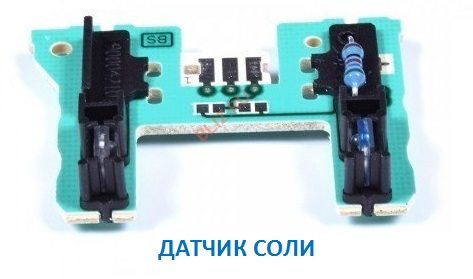
- A sensor for detecting the presence of salt, rinse aid and other household chemicals.
- A smart drying sensor, found only in the most expensive dishwasher models, can detect the room temperature to select the optimal drying mode for your dishes.
- A special mineral reservoir is also necessary for improved drying. Typically, the reservoir contains zeolite, which can generate dry heat as it absorbs moisture.
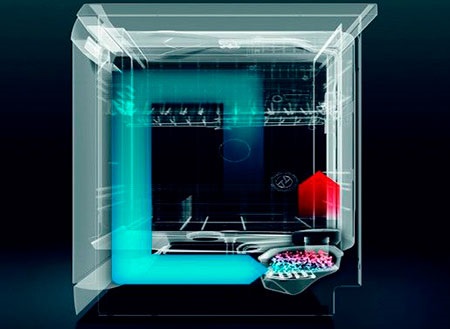
- A water hardness sensor allows the dishwasher to automatically select a working cycle based on tap water quality data.
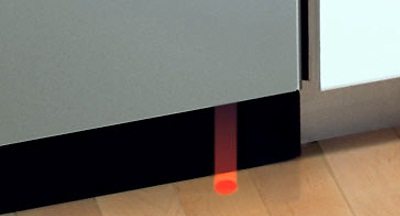
- Projection of the remaining time until the wash cycle is completed. It appears as a red beam that displays the remaining time directly on the user's floor.
- Additional holder for fragile glasses.
- Separate spray nozzle for easy cleaning of baking trays.
Most of the features listed above are found exclusively in premium Hansa dishwashers, so be prepared to pay more for smart appliances.
Of course, the devices differ not only in functionality, but also in size and the materials used in production. There are tabletop dishwashers, narrow ones, full-size ones, some can be built into the kitchen unit, others can only be installed separately from the furniture. It is also worth noting that some wash chambers have only 2 sprinklers, while others can have 3.
How does the Hansa PMM function?
Finally, all that's left to do is learn how the washing process works in a Hansa dishwasher. The easiest way to do this is to break down the standard workflow step by step.
- First, you load the dishes into the baskets, select the desired program and close the machine door.
- The device begins to draw water using the filling sleeve and valve.
- The liquid then passes through an ion exchanger, where resin and sodium ions soften the tap water before it flows into the water collector located at the very bottom of the dishwasher.
- At this stage, the pressure switch will determine the amount of water collected and transmit these readings so that the machine activates the pressure switch and the water supply valve closes.
- Here the heating element begins its work, heating the water to the selected temperature.
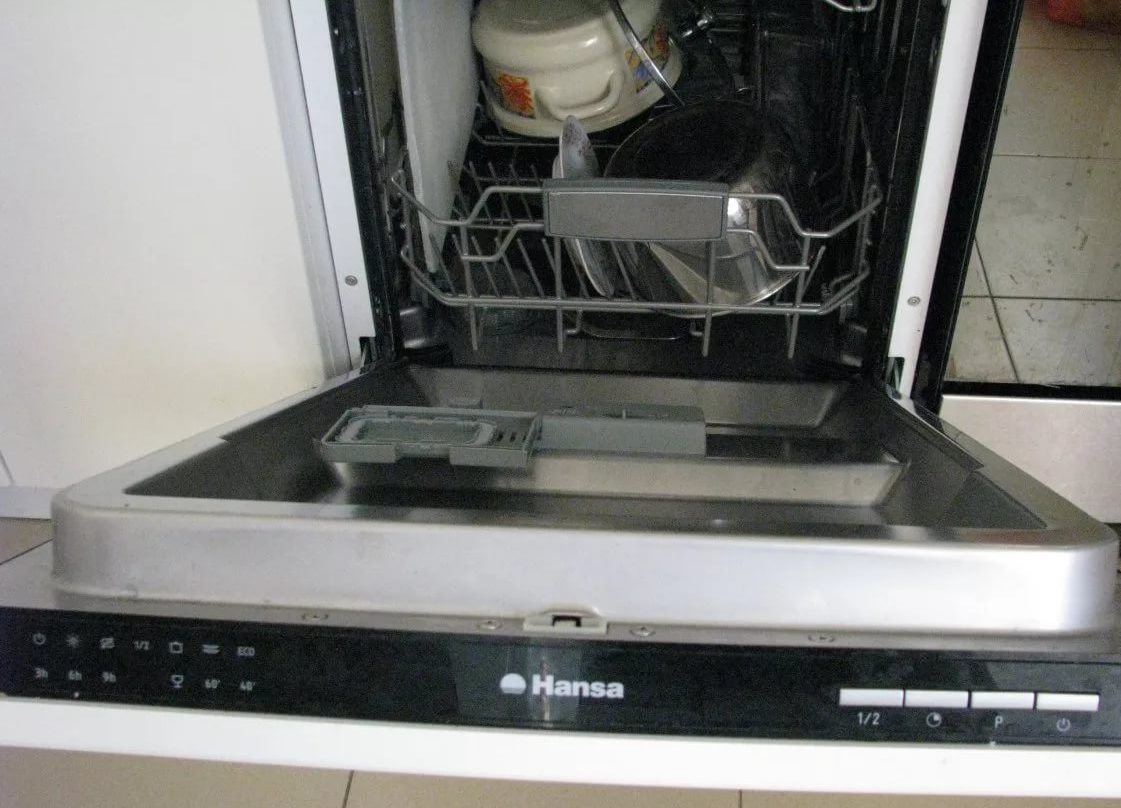
- When the liquid heats up, the circulation pump will pump the water under pressure to the sprinklers, which will begin to actively rotate.
To choose the best "home helper," you should pay attention to the shape of the spray arms and their holes. The more holes the elements have and the wider the spray arm's coverage, the better the water will be able to reach different areas of the washing chamber, which means it will be able to wash dirty dishes better.
- All water that enters the tank flows down the walls of the washing chamber, enters the filter at the bottom, and is then redirected back into the water collector for reuse.
- At this stage, detergent from the dispenser penetrates the water, after which water rich in household chemicals washes the dishes from the sprayers.
- After this, the cleaning stage of the dishes from dirt is completed – the drain pump is activated, which pumps out the used dirty water and discharges it into the sewer.
- Begins filling with fresh water from the tap to initiate a cold rinse cycle to remove detergent from the dishes.
- When the dishwasher finishes rinsing the dishes with warm water and rinse aid, it drains the used liquid again.
- At this stage, moisture begins to evaporate from hot cutlery, either through condensation drying or heated air. Once drying is complete, all that's left to do is wait briefly for the dishes to cool, then remove them and put them away.
This is how, in 12 stages, dirty dishes are transformed into crystal-clear ones. On average, the cycle can take from half an hour to three hours, and the dishwasher will signal its completion with a loud beep.
Interesting:



Readers' comments
Headings
Washing machine repair




For buyers




For users


Dishwasher




Add a comment