
Ardo washing machine design
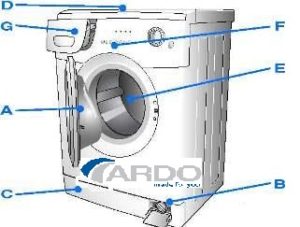 Before attempting to repair an Ardo automatic washing machine, it's important to familiarize yourself with its design. It's important not only to know the general structure, specifically the location of the washing machine's main components, but also the location of its additional structural elements and their special features. Let's discuss all of this.
Main nodes
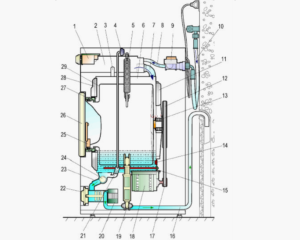
Let's start with the general design of the Ardo family of automatic washing machines. The vast majority of their design elements are no different from those of other washing machines.
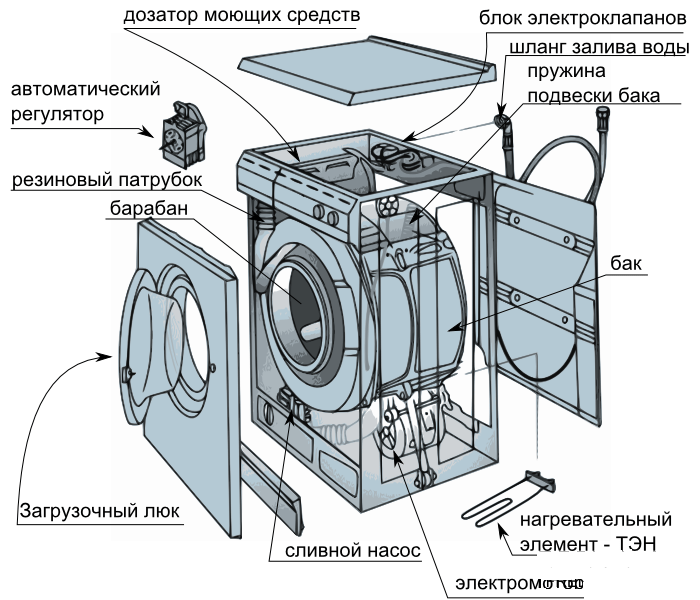
- A tank. A special reservoir that collects water mixed with detergent. The laundry is washed in this water.
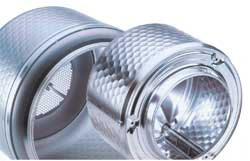
- Drum. A movable, perforated, durable tank made of metal. The drum is located in a tank, laundry is loaded into it for washing, and soapy water enters it from the tank through holes. The rotation of the drum ensures washing, rinsing and spinning of the laundry.
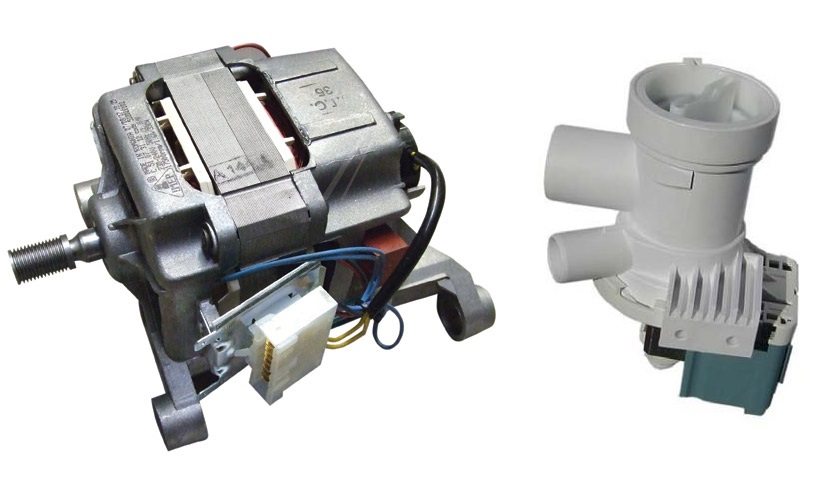
- Electric motor. A fairly standard electric motor that rotates the drive mechanism, ensuring the drum rotates and, therefore, the laundry is washed. The motor is mounted under the drum.
- Pump (drain pump). This is an electric water pump that helps drain wastewater from the Ardo washing machine's drum. The electric pump typically turns on at the end of each laundry cycle: after washing, it drains soapy water, after rinsing, and after spinning, it drains residual water. The Ardo washing machine pump is installed in the lower left corner inside the washing machine body.
- The heating element is a vital component of the Ardo washing machine. It heats the cold water supplied from the mains to the required temperature. If necessary, the water in the tank can be heated to 90-95°C.0S. The heating element is installed in the washing machine tank so that its heating elements come into contact with the water.
- Inlet solenoid valve. This element is installed in the Ardo washing machine where the inlet hose meets the machine body. The solenoid valve's purpose is to create a reliable barrier between the tap water, which tends to rush under pressure into the drum, and the washing machine's internal circuits. When needed, the solenoid valve opens, allowing a certain amount of water to enter the washing machine. Once sufficient water has been added, the valve closes.
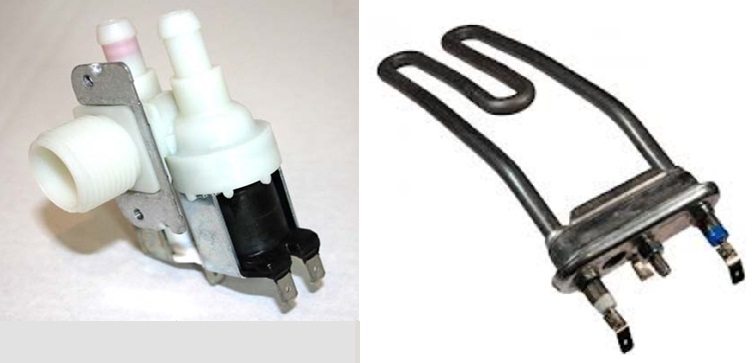
Please note! Modern Ardo washing machine models are technically capable of connecting to a hot water supply, so they have an electric valve block instead of a solenoid valve.
- Control module. The washing machine's electronic unit, which contains the programmed microchip of the Ardo automatic washing machine. The control module is the heart of the machine; the proper operation of the module determines both the washing machine's performance and the quality of its operation.
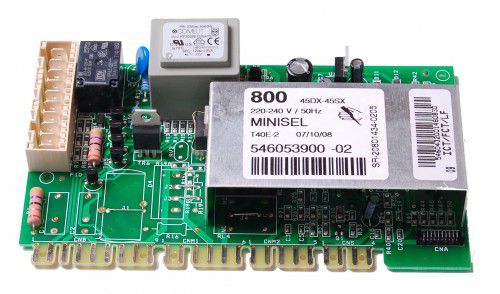
- Control Panel. Can be electronic or mechanical. The control panel provides communication between the washing machine and the user, allowing them to select a washing program or even fine-tune the settings. The Ardo washing machine control panel features a display, buttons, and toggle switches.
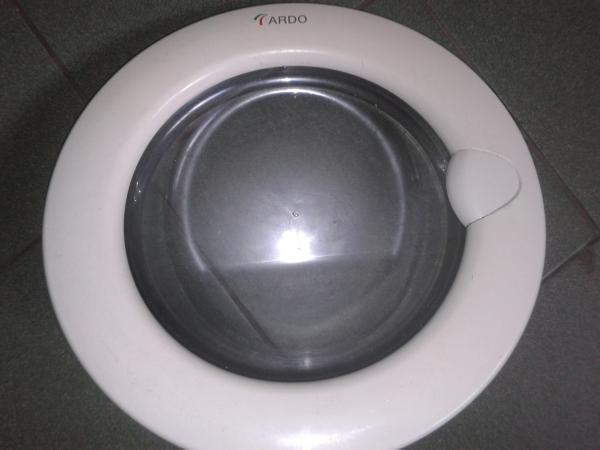
- The loading door and its locking device. A very important component of a washing machine. The loading door is always visible; we load laundry through it. The door locking device (HLD), on the other hand, is hidden inside the washing machine; however, it allows the door to be securely closed during the wash cycle and controls its opening and closing.
- Detergent dispenser (drawer, powder drawer). The detergent drawer is also a part of the washing machine that the user constantly comes into contact with, as they pour detergent into it before each wash. Using the detergent drawer correctly will ensure that your Ardo machine will wash much better. Read the article on how to use the detergent drawer correctly. Where to put washing powder in the washing machine?
Other elements
We've covered the main components of an Ardo washing machine, now let's list the additional components. It's worth noting that the composition, appearance, and functionality of the components may vary depending on the specific Ardo washing machine model. So, what components are we talking about?
- Drive mechanism. Consists of pulleys, bushings, drive belt, bearings, seals,
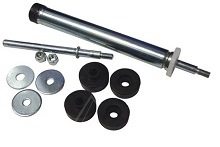 Crosspieces and other parts. This mechanism connects the motor to the washing machine drum. Without the drive mechanism, the drum would not rotate, nor would washing be possible.
 - Shock absorbers are components that help dampen vibrations that occur when the drum rotates. Without shock absorbers, the moving and static components of the washing machine would quickly fail, destroyed by the intense vibrations. In addition, without shock absorbers, the washing machine drum would not be able to spin more than 400 rpm.
Old Ardo washing machines have vibration-damping springs installed on the drum; new models have hydraulic struts instead of springs.
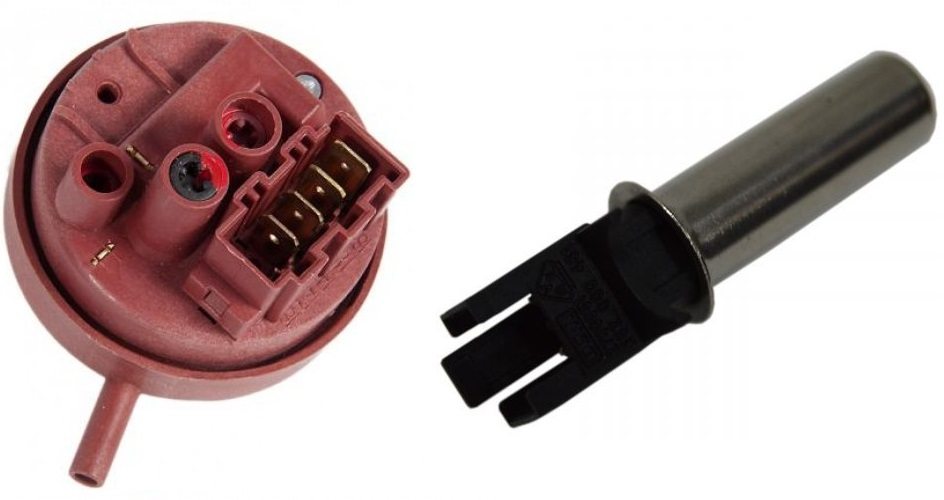
- Sensors. The Ardo automatic washing machine has many useful and important sensors. These include the pressure switch—a water level sensor that detects when the washing machine has enough water and sends a signal to the control module, which then opens and closes the fill valve. The temperature sensor determines the water's temperature and helps the control module determine when to turn the heating element on and off.
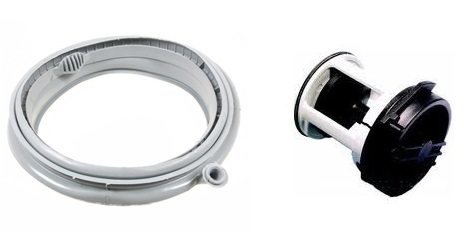
- Rubber seals and filters. Designed to prevent leaks and filter water. The largest sealing rubber of the Ardo automatic washing machine is considered to be the hatch cuff. And the largest filter is the trash filter.
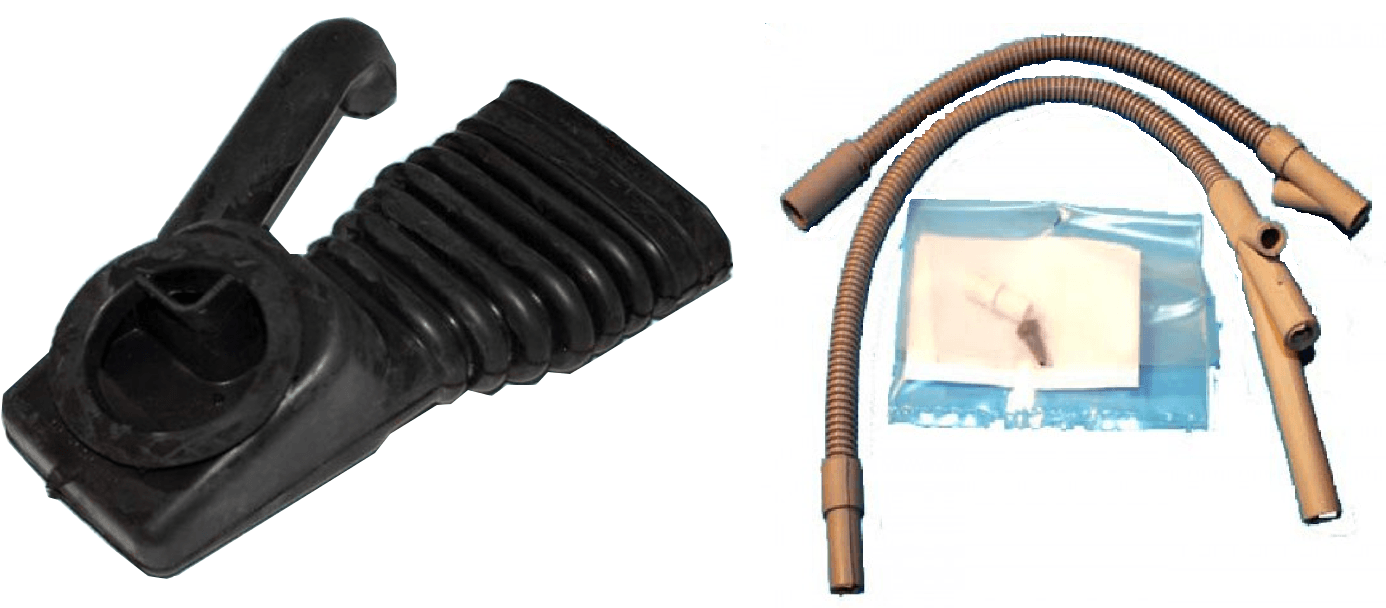
- Pipes and Hoses. Pipes make up the washing machine's internal water lines. They supply clean water and water mixed with detergent. Dirty water is discharged through the pipes. Hoses make up the washing machine's external water lines. The inlet hose brings water into the washing machine, and the drain hose discharges it.
In addition to all the basic and additional components of the Ardo washing machine that ensure its proper functioning, it would be worth mentioning the washing machine's body. The body also ensures the washing machine's proper functioning, as its job is to protect the mechanism from any external influences. Part of the Ardo washing machine body is made of plastic, and part of it is made of metal. The body consists of the following elements:
- lid;
- bottom;
- side walls;
- front wall
- back wall.
Design features
Modern Ardo automatic washing machines don't have many design features, but they do exist. Let's discuss them briefly. Firstly, 98% of Ardo washing machines have a metal drum. This may be why Ardos are so noisy during washing. But this is also a plus, as a metal drum is much more difficult to damage. It's impervious to bra underwires and the mishandling of novice washers.
Secondly, the Ardo's heating element is located slightly to the side, not at the very bottom of the drum. This makes it easier to remove and install, while also increasing the capacity of hot water wash cycles. After all, for the machine to begin heating the wash water, the heating element must be completely submerged, which accounts for 1/6 of the drum's total capacity.
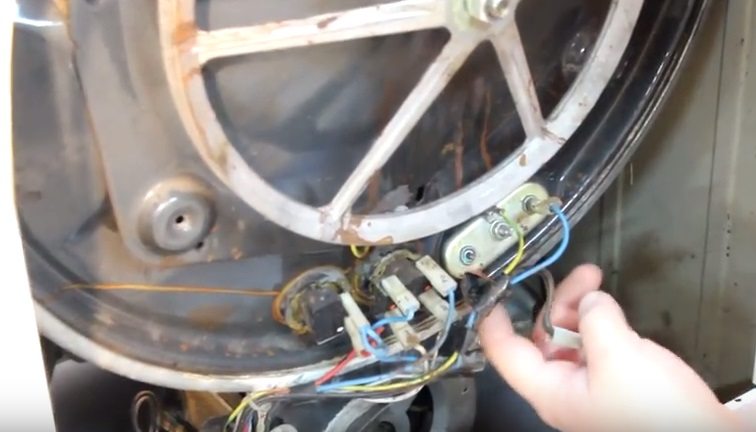
In case of repair, the Ardo washing machine's heating element can be accessed through the service hatch, which is located on its rear wall.
Thirdly, the programs built into the Ardo washing machine's control module are unique in many ways. There's a cold wash program, a shirt wash, and a gentle wash. However, the Ardo's interface is quite confusing. In other words, it takes a fair amount of experimentation to master all of this machine's washing modes.
In conclusion, the Ardo automatic washing machine is very similar in appearance and interior to its counterparts—washing machines from other brands—and the design of all automatic washing machines is roughly the same. However, this machine does have some unique features, namely the material of the drum and the layout of some key components.
Interesting:



Readers' comments
Headings
Washing machine repair




For buyers




For users


Dishwasher




Add a comment