How are the shock absorbers and dampers of a washing machine constructed?
Replacing a washing machine's shock absorber or damper yourself is quite simple. However, you'll need to buy a new part to replace the broken one, and you don't want to spend that much money, and it's not always possible. In this case, repairs are possible, but to do so, you'll need to understand how the washing machine's shock absorber works.
Damper design
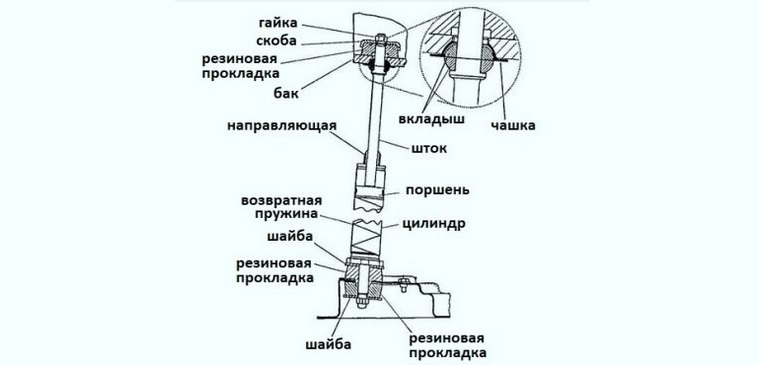
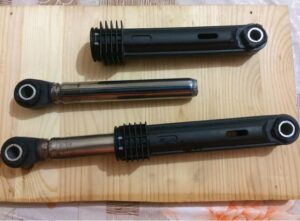
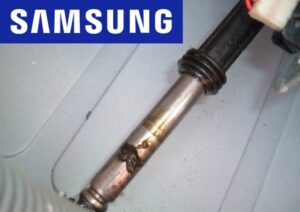
Washer dampers dampen strong vibrations that occur during washing. The shock-absorbing system works in conjunction with suspension springs. Essentially, the element is the same steel cylinder, the only difference being that instead of a piston rod inside, it's a piston itself with holes on the sides to eliminate air pockets.
The piston assembly contains one or more friction pads, the number of which depends on the specific shock absorber model. The pad material is a porous polymer coated with a non-drying lubricant, which creates additional friction during movement.
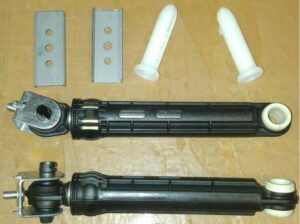
Rubber bushings on the edges of the metal cylinder and the damper located within it serve as mounts for the shock-absorbing components, connecting them to the bottom of the machine on one side and to the bottom of the tank on the other. There are two types of dampers.
Assembled. They have a replaceable gasket, and replacing it is usually sufficient to repair the part.
Monolithic. The edges of these shock absorbers are machined with metal, so removing the gasket is impossible; the entire unit must be replaced.
The force acting on the damper has certain limits. This value can be found on the damper body. Typically, the load is measured in the range of 50 to 150 Newtons. If the manufacturer's recommended operating mode is followed, the washing machine will not exceed the permissible load limits.
Important! When purchasing a new damper, use the maximum load rating of the previous part as a guide. If it was 100 Newtons, don't buy one with 150 Newtons. Focus strictly on values close to the previous ones.
Spring-piston shock absorbers
The spring-piston shock absorber design is the most common. Simply put, it's a metal cylinder with a polymer sleeve attached to it. The sleeve's function is to guide the piston rod within the metal cylinder.
The shock absorber is attached to the drum using polymer spacers or liners. These are inserted into the upper portion of the shock absorber rod. The piston and liners are attached to the base of the rod, and the spacers themselves are heavily lubricated with a non-drying lubricant. As the rod and piston move within the cylinder, the lubricant creates additional friction.
The operation of shock absorbers consists of a sequential and constant repetition of a series of operations:
as soon as the body begins to oscillate, the rod begins to move linearly;
it, in turn, pushes the piston, and it starts moving inside the cylinder;
the lubricant slows down the movement of the piston, preventing it from sliding freely;
as soon as the pressure weakens, the rod returns to its original position;
as soon as the oscillation occurs again, the procedure is repeated.
The holes in the piston walls prevent air locks and, as a result, additional resistance. When the piston is pressed, air escapes through the holes, and the piston continues to move.
Because the entire shock absorption process relies on friction between components, gradual wear is inevitable. If a structure includes more than one spring element, they typically all fail simultaneously and require replacement. Final wear is preceded by the appearance of a gap between the elements. Problems with the shock-absorbing devices are indicated by two signs: the appearance of strong vibration during washing and spinning, as well as an unusual knocking sound of the drum against the inner surface of the washing machine.
Replacing the linings is usually enough to resolve the shock absorber issue, but sometimes the damper itself bends or breaks into pieces, leading to drive belt slippage and other problems. In this case, the entire part must be replaced.
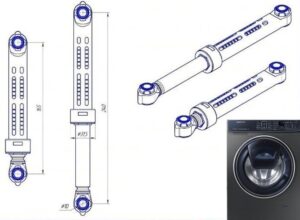
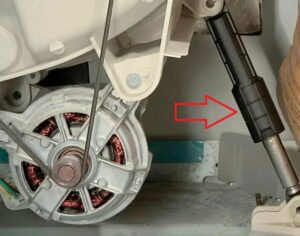
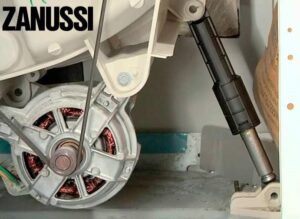
The operating principle of shock absorbers in all washing machines is the same regardless of the damper design. The design and placement of the damper itself may vary. For example, not all dampers are equipped with a spring system that holds the drum in place. Dampers also come in different sizes, are located in different parts of the machine, and are angled differently.
Instead of two suspensions supporting the tank from above, some designs feature a large counterweight located on top, connected to the tank by several small springs. A classic shock-absorbing design is a double tank, which supports a damper at the bottom of the vehicle.

 Replacing a washing machine's shock absorber or damper yourself is quite simple. However, you'll need to buy a new part to replace the broken one, and you don't want to spend that much money, and it's not always possible. In this case, repairs are possible, but to do so, you'll need to understand how the washing machine's shock absorber works.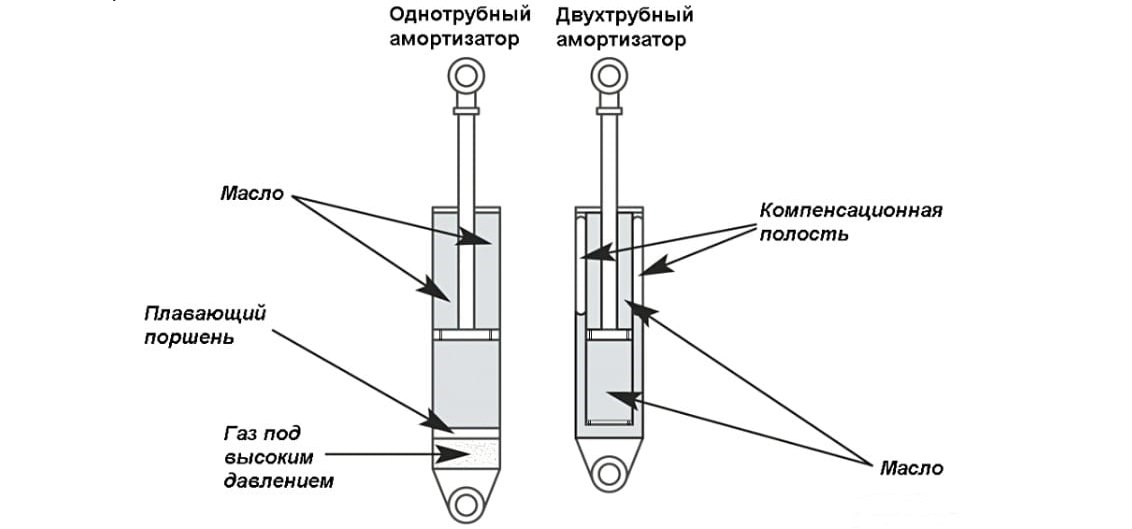














I don't understand why the belt should slip if the damper breaks? The engine is attached to the tank, so the engine and tank are always one piece.