
How does a Candy washing machine work?
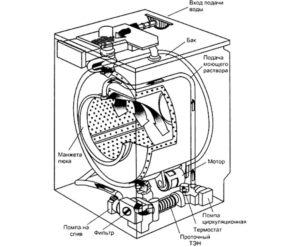 Before attempting to repair a washing machine at home or tinkering with its internal components, you need to understand how it works. It's important to understand the locations of the main components and sensors, how the parts are connected, and what functions they perform. This is the only way to properly repair the machine without causing any damage.
How many parts are there inside the machine?
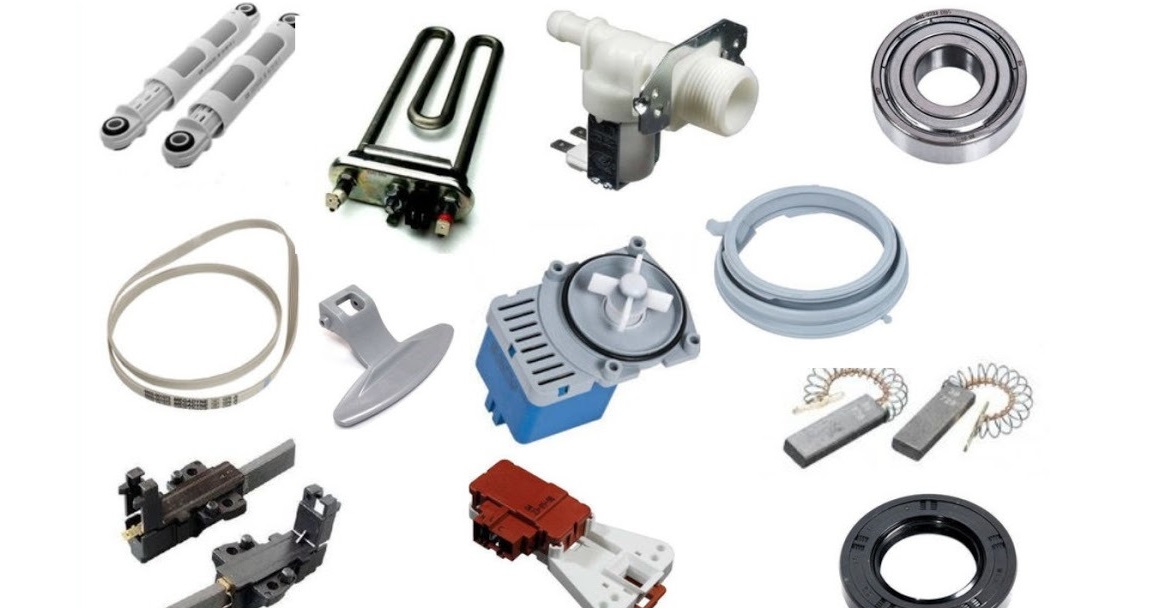
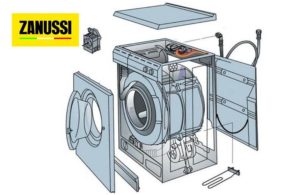
The design of modern washing machines is quite simple. If you delve into the structure of a washing machine Candy, then by analogy it will be clear how machines of other brands work. Each model includes:
- Engine. Candy machines are equipped with brushed motors, while other brands use inverter motors;
- tank-drum unit;
- drain pump;
- control panel with main electronic module;
- shock absorbing elements;
- bearing unit;
- metal body;
- inlet valve;
- heating element;
- temperature sensor;
- pressure switch;
- trash filter;
- dispenser;
- hatch locking device;
- drum cuff.
This is the basic set of components included in the design of any washing machine. Once you understand the Candy washing machine's structure, you can confidently analyze the behavior of your "home assistant." It will immediately become clear what could be causing a particular malfunction and which parts should be checked first.
How does the drive mechanism work?
The Candy washing machine is equipped with a plastic drum. To prevent the drum from deforming, it is loosely attached to the machine. This prevents strong vibrations that could damage the drum.
During the washing process, and especially the spin cycle, the drum actively moves, while the machine's metal frame remains stationary. This ensures the drum's safety. The washing machine's main plastic tank is supported by a pair of shock absorbers at the bottom and several springs at the top.
The drum rotation in Candy washing machines is made possible by a belt drive mechanism. The machines have two pulleys: a large one attached to the drum and a small one located on the motor.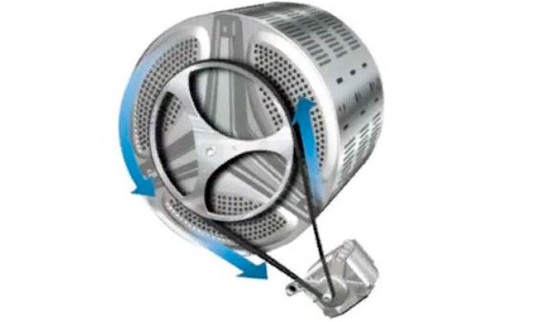
The pulleys are connected by a common belt. Once the wash cycle starts, the electric motor sends power to the drum via the belt drive. This causes the "centrifuge" to rotate along with the laundry.
The “brain” of the washing machine is the control module.
The board monitors the process, receives signals from the machine's components, and, in turn, issues commands. For example, the unit controls the water supply to the equipment as follows:
- opens the inlet valve to draw liquid into the tank;
- “commands” the heating element to heat the water to the required temperature;
- Activates the pump when it is necessary to drain wastewater.
Now you have a general understanding of the main components of a Candy washing machine and the roles they play. For a more detailed explanation, it's best to examine each component individually.
Drum quality
Washing machine models differ from each other in the materials used to produce their components. Washing machines with a tank made of stainless steel are considered more reliable and wear-resistant. This type of equipment will last longer than equipment with a plastic tank. The drum is always made of stainless steel.
All washing machines produced under the Candy brand are equipped with a non-detachable plastic tank.
So, the tub is the main compartment of any automatic machine. It can be made of durable plastic or stainless steel. Built into it is the drum, into which the clothes to be washed are loaded.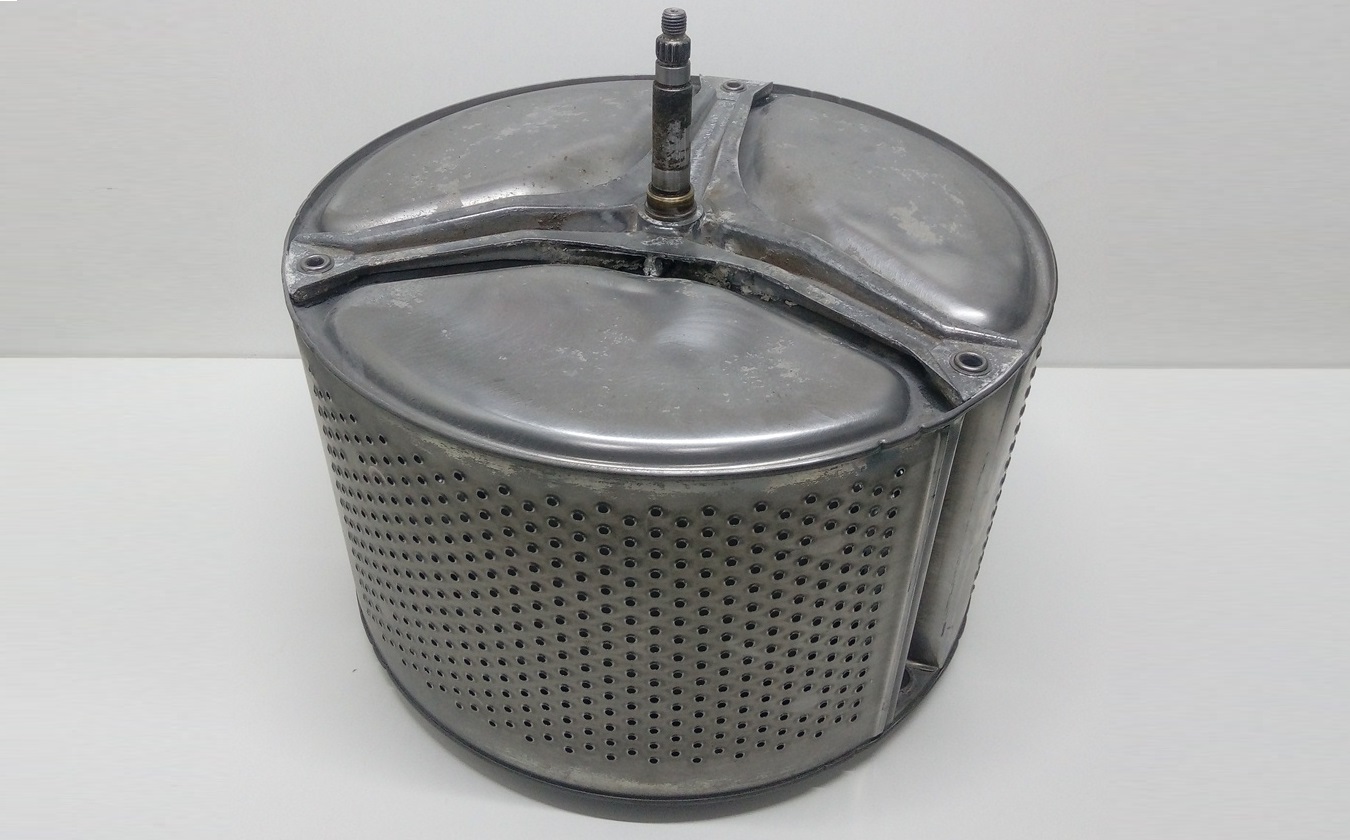
The drum surface is dotted with numerous holes. These holes allow water from the drum to flow into the centrifuge. The metal tank also contains several plastic combs that improve washing results.
An automatic washing machine first draws water into the tank. There, the liquid is mixed with detergent or gel and then flows into the drum. It's important that no foreign objects fall into the tank, as this can cause leaks and other problems. Therefore, carefully check pockets before loading items into the machine, and wash underwear and socks in special bags.
How is water heated?
The water entering the tank is heated by a heating element. This tubular element is built into the bottom of the washing machine. The main problem with heating elements is that they become coated with a thick layer of scale, which impairs their thermal conductivity.
If you live in a region with hard tap water, it's best to save money and install a water softener filter at the entrance to your apartment or directly before the machine's inlet hose. This will protect the inside of the machine from scale buildup.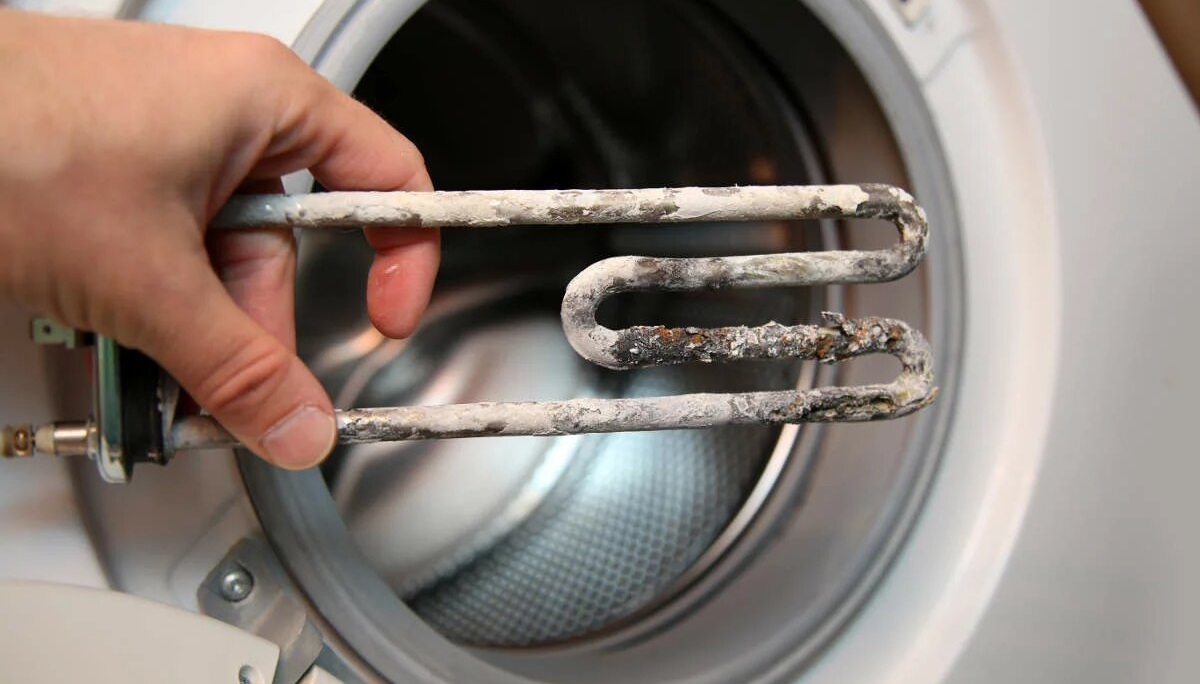
The more frequently you wash at high temperatures, the faster the heating element will fail. Therefore, avoid constantly rinsing items in hot water (60°C-90°C). This will harm both your clothes and your appliances.
Electric motor
The connection between the drum, pulley and motor has already been discussed. Candy automatic machines are equipped with collector motors. This type of engine is used by the manufacturer to save money, to make the equipment as cheap as possible and more accessible to buyers.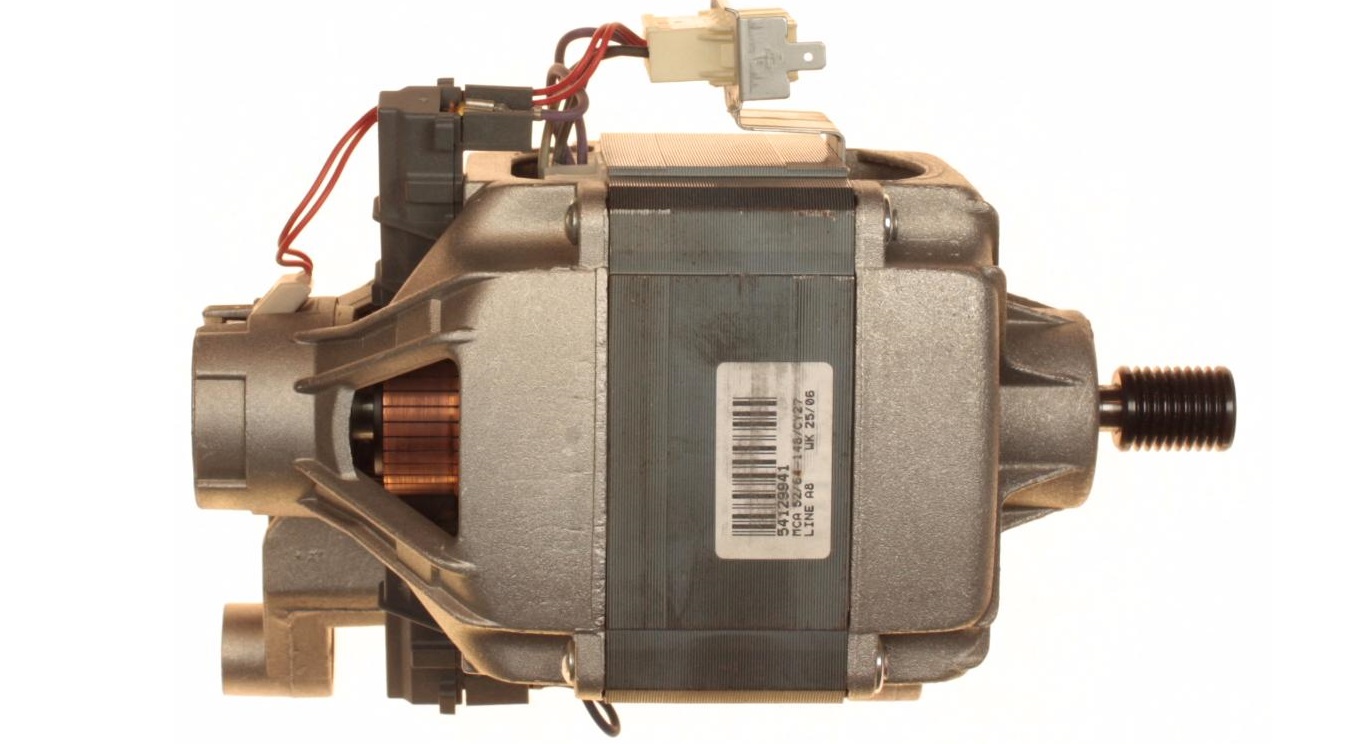
Unfortunately, commutator motors are not known for their reliability. They do not handle voltage surges well, so Candy washing machines should be connected through a voltage stabilizer. These motors require special care. For example, it's essential to replace the motor brushes regularly to maintain their functionality.
Pumping water
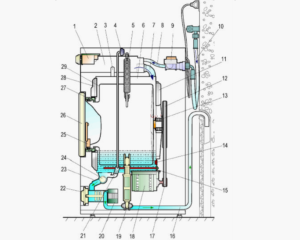
Several components are responsible for supplying water to the washing machine. These include the control module, the inlet valve, the inlet hose, and the level sensor. Filling the tank occurs as follows:
- The washing machine’s “brain” gives a command, after which the inlet valve opens;
- water begins to pour into the system;
- The pressure switch monitors the liquid level in the tank;
- when the tank is filled to the required “mark”, the sensor signals this to the board, and the “brain” closes the inlet valve;
- water stops "entering" the tank.
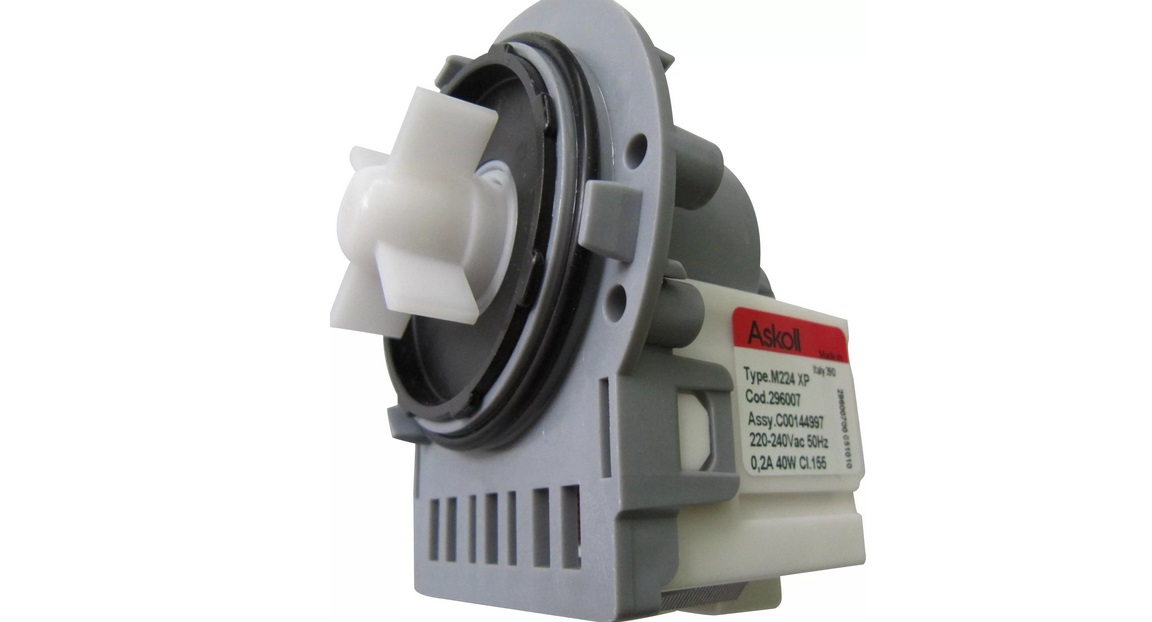
Next, the control module activates the heating element, which heats the water to the desired temperature. Drainage of wastewater begins after the "brain" sends a signal to the pump. The pump, upon receiving the command, pushes the wastewater through the drain hose into the sewer. This process is repeated several times—during the main wash and rinse cycles. Water is collected, the laundry is "rinsed" in it, and then, thanks to the coordinated operation of the components, the liquid is discharged from the machine.
Electronic filling
The automatic washing machine's main electronic unit is responsible for all components, excluding the control panel (which is connected to a separate circuit board). These devices are the "intelligence" of the machine. They "disseminate" commands to all sensors and system components, ensuring the smooth operation of the equipment.
Washing programs and various additional options are algorithms programmed onto the control board. Therefore, the module is responsible for executing the mode initiated by the user. The electronic unit includes various parts: triacs, microcircuits, transistors, thyristors and others. Contact between the elements is achieved through special tracks.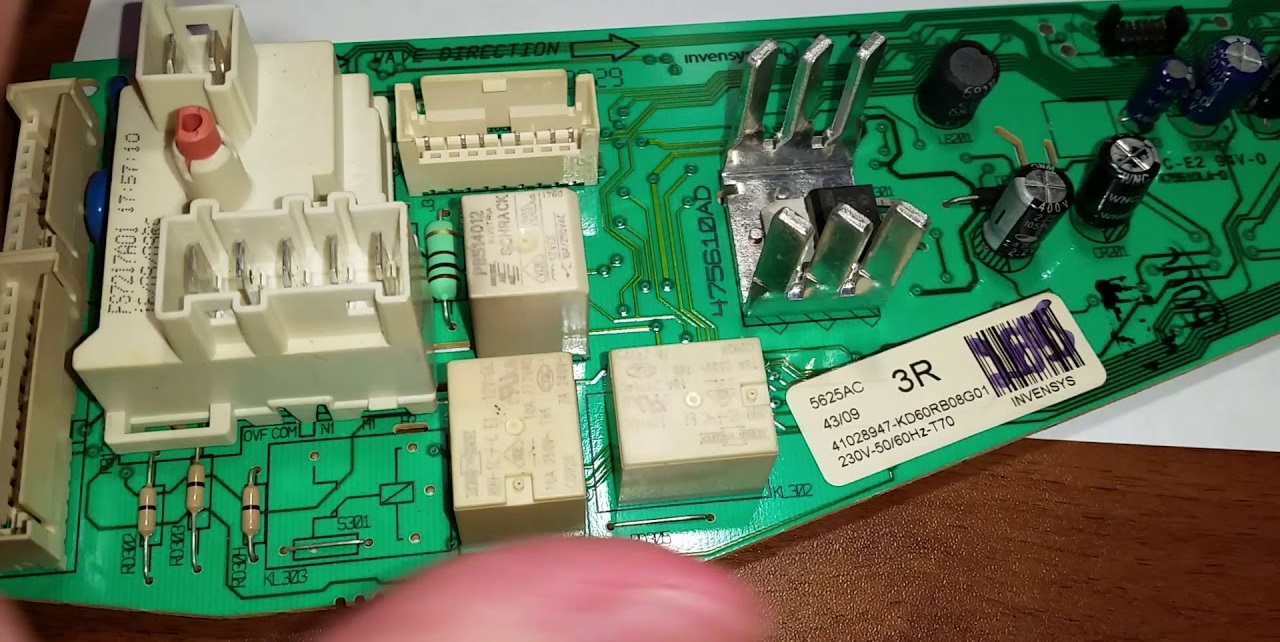
The control panel serves as a kind of informant, "telling" the machine's intelligence what the user currently wants. Its main function is to inform the electronic module of all the details of the upcoming wash cycle (information about the selected program, temperature setting, spin speed, and whether additional functions are enabled in the main cycle).
Candy washing machines equipped with a display keep the user informed about the washing process. The screen displays the remaining program time and cycle stages.
Other details
In addition to the basic components, a washing machine is packed with numerous additional components. Everything in an automatic machine is interconnected, so even without these "non-essential" parts, the wash cycle won't start. What components are we talking about?
- Springs and shock absorbers are important components that dampen vibration, thereby preventing damage to the tank.
- Door seal. This rubber seal serves to seal the door and prevent water from leaking out of the drum.
- Door lock. The door lock ensures the door closes tightly and does not swing open during washing.
- Drive belt. This is the rubber band that spins the pulley, and the "wheel" that turns the drum. Therefore, the machine cannot operate without this mechanism.
- Drain filter. It protects the pump from various debris. Foreign objects, paper, hair, threads, and lint settle on the element, preventing them from entering the pump.
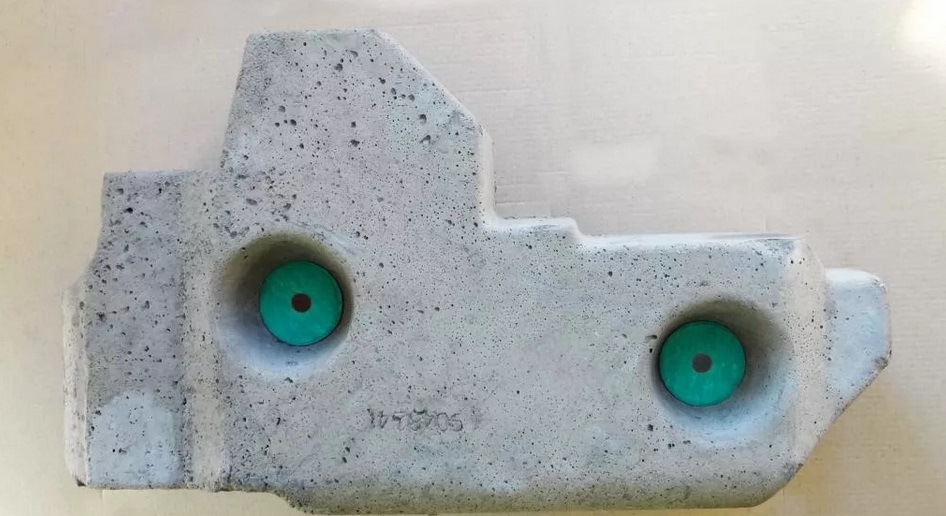
- Counterweights. These are large, heavy blocks placed inside the machine's body to add weight. These "stones" help the washing machine resist the centrifugal force generated when the drum rotates at high speeds. Without them, the machine would constantly bounce around the room, feeling the pressure of the drum against the side panels.
- The drum door. The role of this part is obvious – without it, washing would simply be impossible.
- Detergent drawer. Powder, fabric softener, and stain remover are added to this container. These ingredients are dispensed into the tank in measured doses throughout the cycle. The drawer is typically divided into three sections.
- The hoses. They're built into the machine. They're like the washing machine's "circulatory system." They carry water throughout the machine, through the inlet valve into the drum, and from there to the pump.
- Inlet and drain hoses. This one is pretty straightforward: one brings water into the machine, the other drains it into the sewer.
Knowing the parts of a washing machine and what each component does allows you to analyze its behavior and identify the cause of any malfunctions.
If a malfunction occurs, you'll be able to determine its cause and which components and parts need attention. For example, if water doesn't drain from the tank, you'll know the drainage system needs to be checked. If the drum rotates with a loud knocking, rumbling, and grinding sound, you'll know the bearing assembly is at fault.
Interesting:

Readers' comments
Headings
Washing machine repair




For buyers




For users


Dishwasher




Add a comment