
How does a washing machine's locking system work?
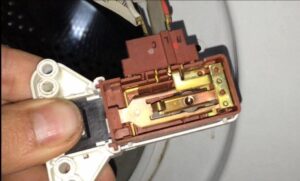 Sometimes users encounter a problem with their washing machine door that won't lock, or, conversely, that refuses to open after a wash cycle. In most cases, the door lock is the culprit. The lock can become clogged with dust, burn out, or simply stop working due to wear and tear. To fix the problem, you'll need to understand how the door lock works. Understanding how the door lock works and its components allows even a novice to diagnose the door lock. Let's explore the nuances.
What types of locking devices are there and how do they work?
If you decide to solve the problem yourself, you need to understand how door locks work and what types of locks are used on automatic washing machines. Over the past few decades, manufacturers have equipped washing machines with either electromagnetic locks or bimetallic locking mechanisms.
As for electromagnetic devices, they are considered quite unreliable. Such locks only block the hatch when power is supplied. If the power goes out, the mechanism will immediately stop working. Modern washing machines, in the vast majority of cases, are equipped with a locking device based on bimetallic plates.
The operating principle of bimetallic locking devices is very simple. The mechanism operates using three components: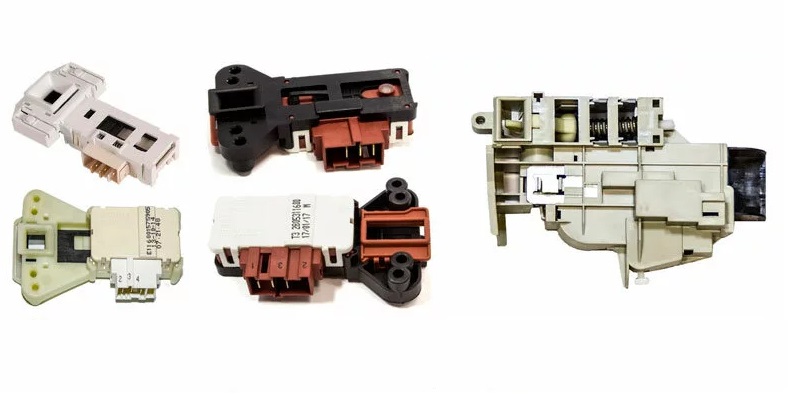
- thermoelement;
- hook-lock;
- bimetallic plate.
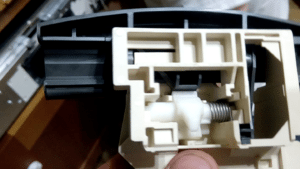
When the user starts the wash cycle, voltage is supplied to the door lock's heating element. The element heats up and transfers heat to the bimetallic plate. The plate then expands under the influence of high temperatures and presses the latch. The latch quickly engages and closes the mechanism, thereby locking the door. As long as current flows into the lock, the door remains tightly closed.
When the wash cycle ends and the power is cut off, the heating element gradually cools. The bimetallic plate stops heating and shrinks, pulling the "hook" back. After this, the washing machine door can be safely opened.
After the cycle is complete, wait 2-5 minutes and only then open the door – the bimetallic plate needs time to cool down.
Sometimes the locking device contact breaks down. In this situation, the heating element remains cold, the plate doesn't heat up, and the lock doesn't engage. The control module doesn't receive a signal that the system is sealed, so the wash cycle doesn't start.
The opposite situation occurs when power is supplied to the locking device continuously, even after the cycle has completed. In this case, the elements don't cool down, and the control module keeps the door locked. In this case, access to the drum is only possible after disconnecting the power to the machine.
Malfunctions indicating UBL
How can you tell if the locking device is faulty? In some cases, you can diagnose the problem without even disassembling your "home assistant." The machine itself will alert you to the problem. You should suspect a problem with the locking device if: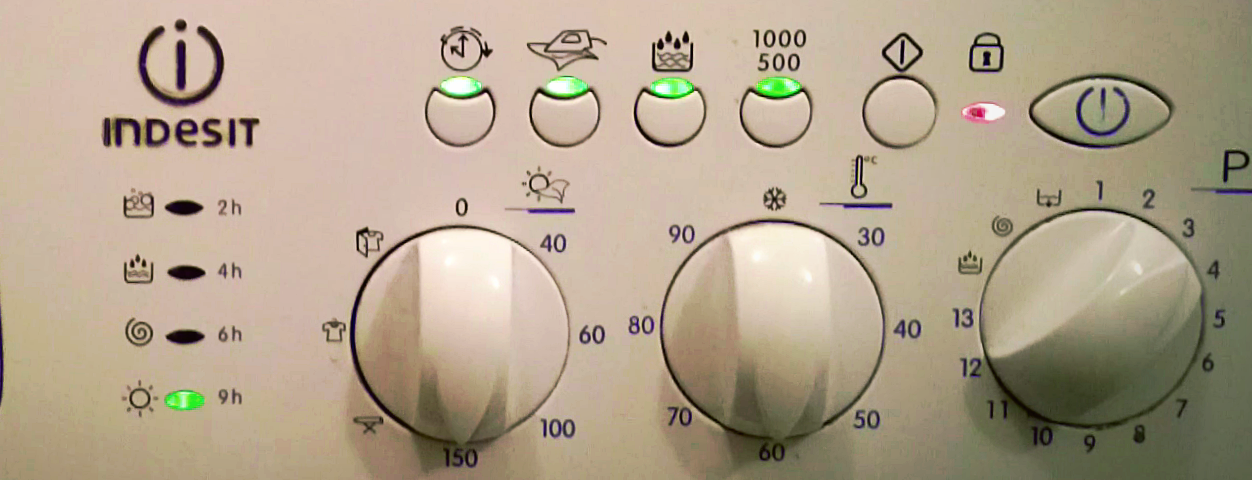
- the washing machine door remains locked even 2-3 hours after the program has finished;
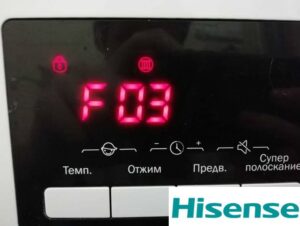
- After starting the wash cycle, the machine display shows an error code indicating problems with the door lock;
- Attempts to start a wash cycle are unsuccessful—the door locking system is unable to lock the door. In this case, the problem could be with either the lock or the control module.
If you notice even one of the above symptoms, it's best to immediately remove the locking device and inspect it. Let's figure out how to remove the locking device from the washing machine housing.
Dismantling the UBL for inspection
Understanding how a UBL works makes it easy to test the mechanism for functionality at home. The blocker is diagnosed using a multimeter. How do you remove the lock from the machine's housing? There are two options. The first is to access the lock through the front panel, removing the door seal. The second is to remove the device through the top of the machine, removing the housing cover. Beginners are better off with the latter option, as the rubber seal is not easy to replace. If you do this incorrectly, you can easily damage the system's seal, which will lead to leaks.
The easiest way to access the hatch locking device is through the top of the washing machine.
The algorithm of actions will be as follows:
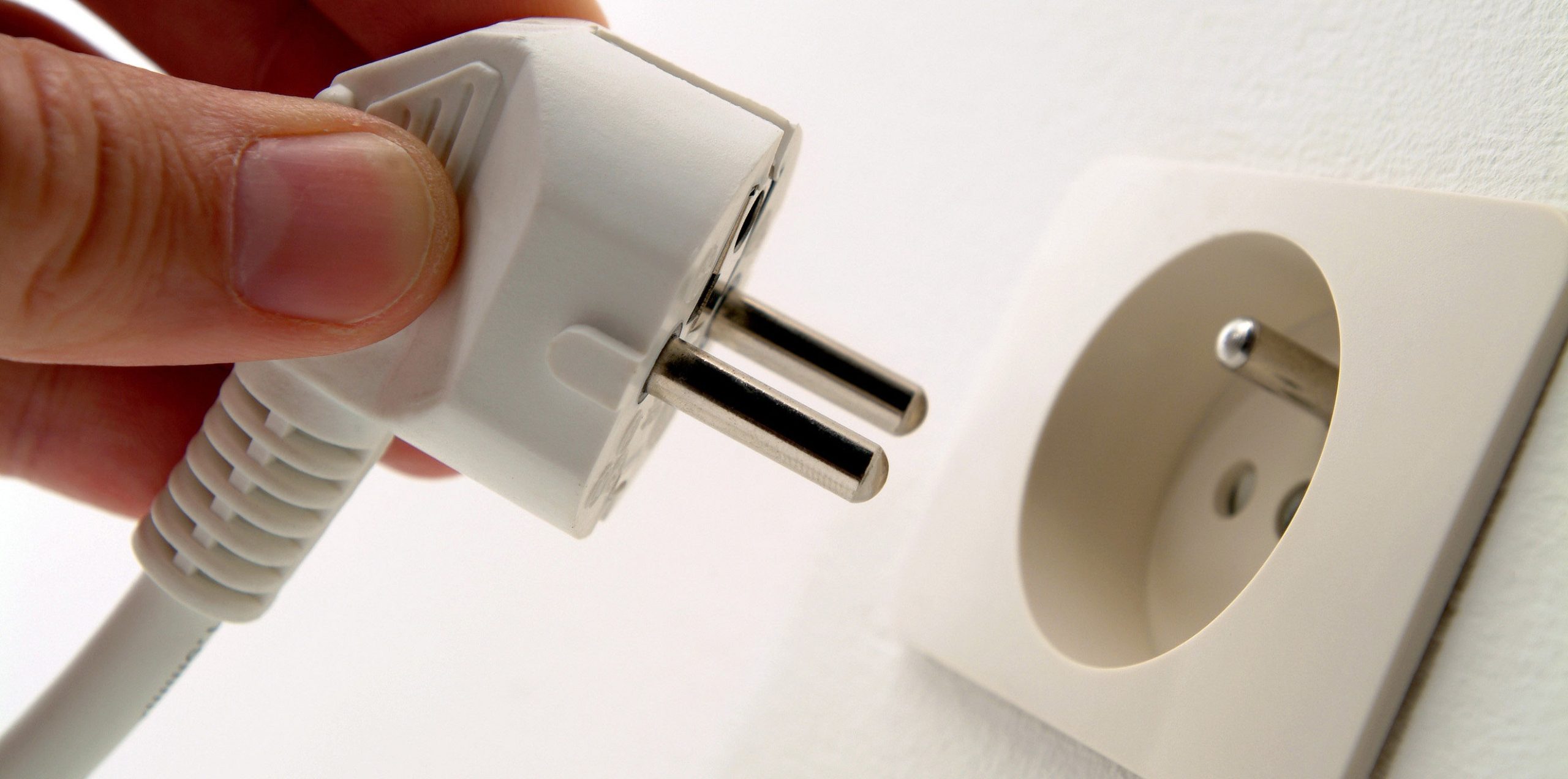
- de-energize the equipment;
- open the washing machine door fully;
- find the “keyhole”, it is located to the right of the hatch (this is a small “well” where the “tongue” of the door enters);
- unscrew the two bolts located next to the lock hole;
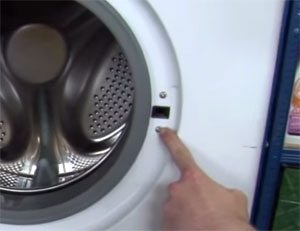
- remove a couple of screws securing the top panel of the case;
- remove the lid;
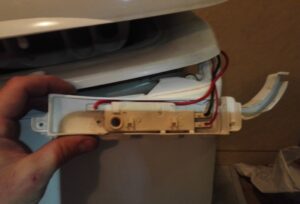
- tilt the machine back slightly, put your hand down along the front wall;
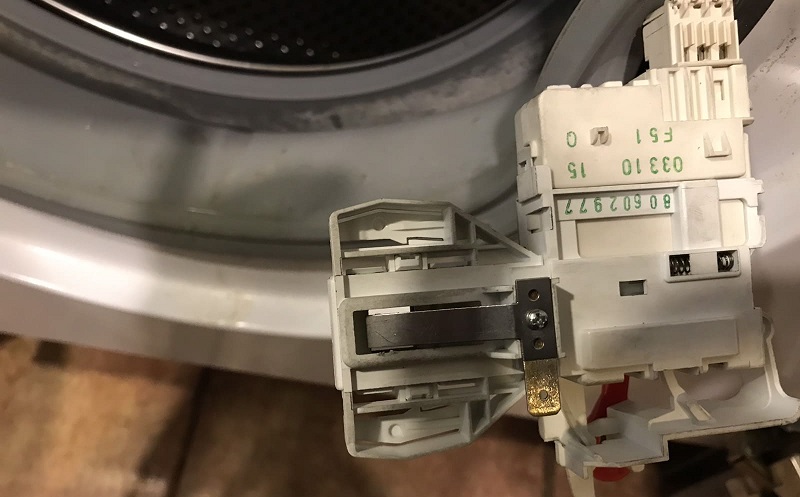
- feel for the blocker and remove its connector with wires;
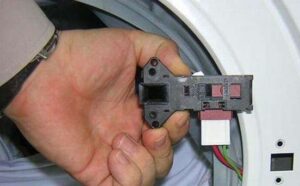
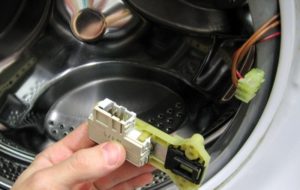
- Pull the UBL outward.
Now you'll have the blocker in your hands. Don't buy a new one right away; it might not be the problem. Therefore, check the part with a multimeter.
We check the removed element
First, consult the machine's manual for the locking device's wiring diagram to familiarize yourself with the terminal layout. Once you've identified the neutral, common, and live terminals, turn on the multimeter and set it to resistance measurement mode. Place one ohmmeter probe on the locking device's neutral terminal and the other on the live terminal. If a three-digit number appears on the device's display, the locking device has passed the test.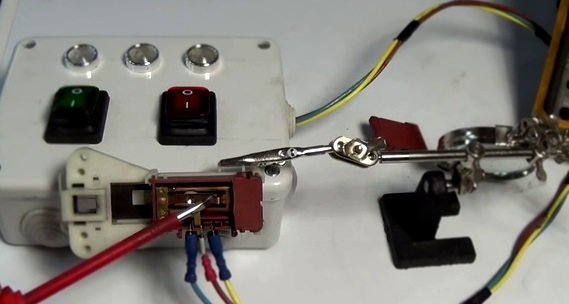
Next, apply the probes to the neutral and common contacts of the door lock. A zero or one displayed on the multimeter display will indicate a faulty lock. The door lock cannot be repaired and will need to be replaced.
Interesting:

1 reader comment
Add a comment
Headings
Washing machine repair




For buyers




For users


Dishwasher




The lock is locked and the door won't close.