
Why was there water in the dishwasher when I bought it?
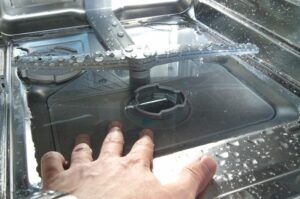 When customers discover water in their new dishwasher, they're often outraged. The first thought that comes to mind is that the store cheated them and sold them a used appliance. But before sounding the alarm, it's worth understanding why a dishwasher might be wet inside. There's a perfectly logical explanation.
How did water get inside the new dishwasher?
Moisture in a purchased dishwasher doesn't always mean it's been used. Dishwashers undergo standard bench testing right after assembly at the factory. The selected model is thoroughly tested to ensure all technical parameters are within specifications.
In other words, dishes are loaded into the machine, connected to the water and drain, salt is added, and detergent is added. The highest temperature setting is selected. This is how dishwashers are tested at the factory.
After testing, the dishwasher is removed from the stand, packaged and sent to the supplier. The manufacturer, after checking the machine for functionality, is not obliged to wipe it dry. This is why equipment sometimes arrives at the retail outlet wet.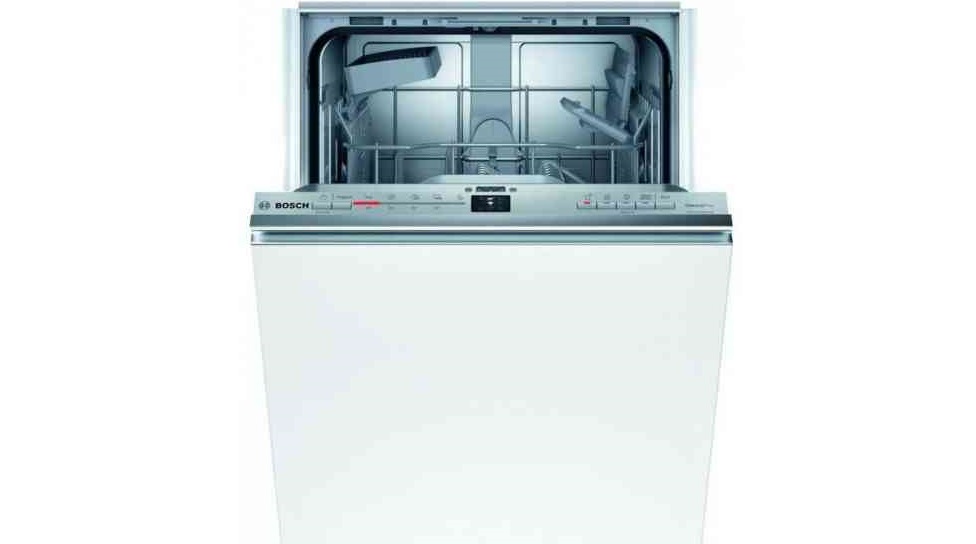
A damp dishwasher isn't always a negative. There are even a couple of advantages to this situation.
- Most likely, water inside the dishwasher indicates that the machine was recently tested, sent to the store, and immediately purchased. This means it hasn't been sitting in a warehouse for a couple of years, which is a definite plus.
- The seller likely tested the dishwasher before shipping it to the buyer to minimize the risk of return. It's important to check whether the dishwasher was tested in-store.
The worst-case scenario is when a dishwasher is purchased, connected to the utility system, used, and then returned to the seller for an unknown reason. Such cases are rare, but they do happen.
Returning large household appliances to the store follows specific rules. If the machine is in perfect working order and has no defects, but the customer simply doesn't like it, no one will take it back. Moreover, retailers won't risk their reputation by selling a knowingly defective dishwasher, hoping for a lucky break. Therefore, suspecting the seller of dishonesty is the last thing you should do.
Before jumping to conclusions, carefully inspect the dishwasher - this will help you understand whether it has been used.
Is it true that a new dishwasher has been purchased?
If information about factory bench testing of dishwashers doesn't convince you, and the thought of being sold a used appliance still haunts you, check your dishwasher. It's difficult to inspect the dishwasher closely in the showroom when purchasing it and determine whether it's been used. However, doing so in your own home is quite easy.
How can you tell if a dishwasher has been used before?
- Carefully inspect the drain hose. In used machines, it will be dirty. Cleaning the corrugated hose completely is very difficult, and a thorough inspection may reveal grease and other dried debris on its inner walls.
- Unscrew the dust filter and look inside. The goal will be the same: find food debris. After completing factory testing, the machine is cleaned using a special program, and there can be no food particles in the new dishwasher.
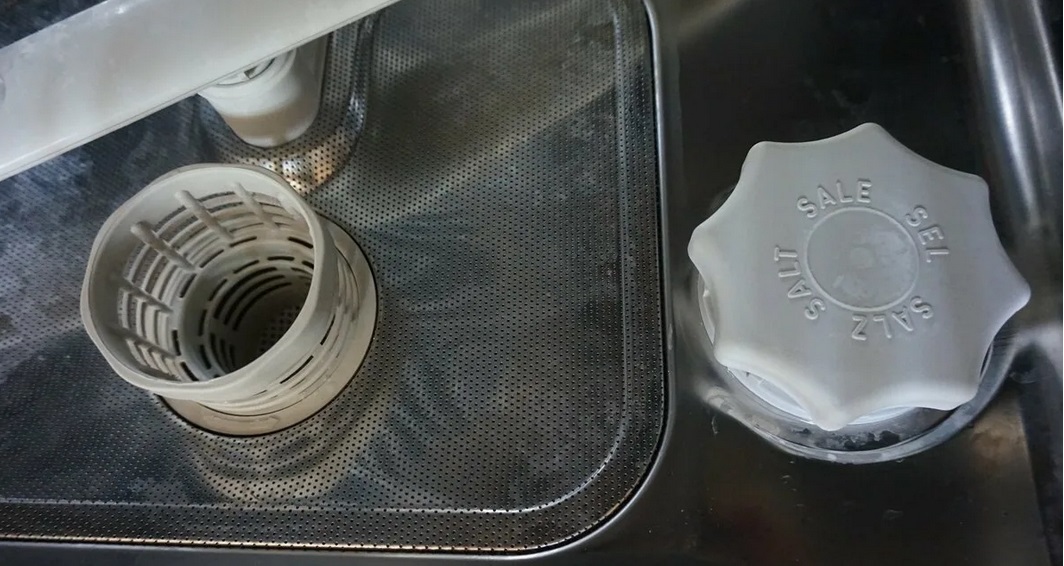
- Remove the dishwasher salt container. Inspect the container—if there's any residue or compacted material, it means your dishwasher has been in use for some time. If the granules are few and not compacted, it means the dishwasher has simply been tested.
- Disconnect the inlet hose from the housing and locate the flow-through filter. The mesh is located in front of the inlet solenoid valve. A freshly tested dishwasher will have a completely clean filter element, as specially treated water is used during factory testing. This water contains no impurities that could settle on the appliance's internal components. If there is a film on the component, the dishwasher has been in use.
If you notice any deposits or other buildup on the flow-through filter, file a complaint with the store where you purchased the dishwasher.
A dirty strainer is one of the most indisputable signs that the dishwasher has been in use for some time. A one-time inspection at the store or bench testing at the factory would not have clogged the inlet filter. Also, carefully inspect the packaging and the machine body to gather as much "evidence" as possible against the seller.
If there are scratches or other defects on the dishwasher's body, this will be additional evidence that the appliance has been used. Therefore, take photos of all defects and submit a written complaint to the store, outlining your suspicions and the evidence available. If you set your mind to it, you'll definitely succeed in getting to the truth.
If you find water in your newly purchased dishwasher, don't assume the worst. Most likely, liquid was left behind during the factory testing. However, it's always better to be on the safe side—so don't hesitate to check the drain hose and inlet filter. If the components are dirty, it means the appliance has been in use.
Interesting:


Readers' comments
Headings
Washing machine repair




For buyers




For users


Dishwasher




Add a comment