
Water was found in a new washing machine.
 It's not uncommon for water to be found in a newly purchased washing machine. Typically, the first thing that comes to mind is the thought that the machine has been used before. Admittedly, this conclusion is unpleasant, but it may be incorrect. What other possible causes could lead to water being found in a new washing machine?
Where does the water inside new equipment come from?
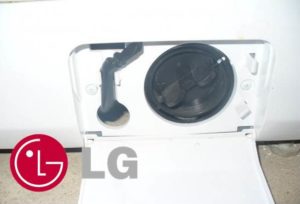
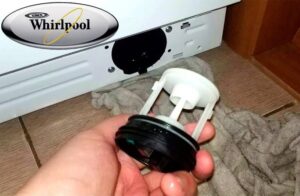
It's worth noting right away that water in a new washing machine is only detected if a curious user opens the small round door on the bottom panel of the machine. This is where water begins to pour. Behind this cover is a debris filter, through which water also passes during the wash cycle and remains afterward. The amount of water can range from negligible to quite large—up to several liters. Some users don't detect any water simply because it never occurs to them to open the filter hole. But if it does, surprises may arise.
Naturally, in such a case, an uninformed person would be overcome with anger or panic: "How can this be? It's a used machine, we should demand a refund!" While such a reaction is entirely expected, let's take a closer look at what the presence or absence of water inside the unit actually indicates upon purchase.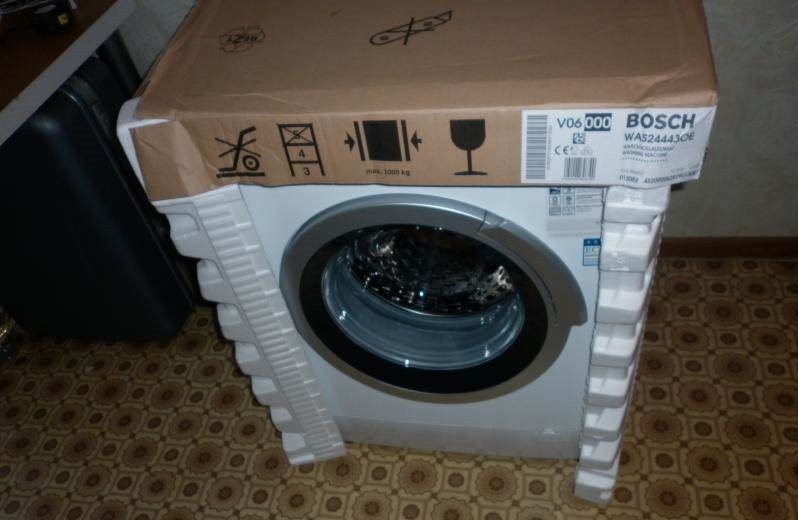
The point is that any appliance is tested before it's released for sale. They check for various defects and ensure that the operating process is working as expected. It's the same with washing machines. Each model undergoes its own “test drive” at the factory, where water is collected, then drained and partially remains inside. This is a completely normal phenomenon.
Important! If your washing machine is completely dry, that's cause for concern. It could be one of two things: either the machine wasn't checked before delivery, and there's a risk of defects, or the machine has been sitting in storage for so long that all the liquid has long since dried out.
Therefore, it can be concluded that the presence of water in the car after purchase is more of a good sign than a bad one. Traces of liquid may also be found in the folds of the sunroof seal or elsewhere, as the car is often moved and turned around a lot during transportation, and water can migrate inside. The design of the product is very well thought out, so don't worry about water negatively affecting any of the electronic components. It wouldn't have gotten there anyway.
We recommend that after purchasing, you pump out the water using an emergency hose or place a container under the hole to collect the water before opening it.
How to properly check a new machine?
Yes, water, as mentioned above, is no cause for concern. However, it's also worth checking the machine for other changes after or even before purchase. Let's list the things you should pay attention to first:
- transport bolts;
- washing machine feet;
- powder tray;
- hoses;
- drum.
Let's start with the shipping bolts. This is something you should check in the store. What are they? We all know that a washing machine is a complex device, with many large parts inside. For example, the drum. It rotates freely inside the machine and is not secured in any way.
This is the design of the product. After all, it won't wash properly if the drum can't spin freely. To prevent such parts from breaking or damaging other parts during transportation, everything is secured with special bolts. Of course, they're always removed before use, but they should still be there when you get to the store, otherwise it's a mess! What's there to hide? Some unscrupulous companies actually sell used cars or units that have already been repaired this way. There are many reasons why bolts are missing. But that's not the point. Avoid this model!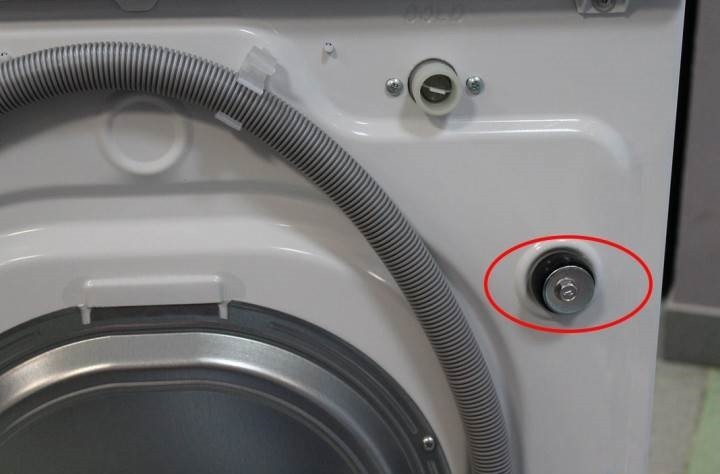
If all the bolts are in place, examine them even more closely. None of them should be misaligned, because if a bolt is misaligned, the fuel tank inside is misaligned. This, of course, doesn't always lead to damage, but there is a risk. Furthermore, a misaligned bolt indicates the car has been dropped or hit something hard, and fuel tanks are made of plastic. What's the harm in damaging such a fragile material? And then, any crack could disable the entire machine. Do you need that?
Look for signs of loosening on the bolts. They may appear to be in place and screwed in correctly, but there are barely noticeable scratches around them, indicating that the bolt has been loosened and then screwed back in. This is a bad sign; try another car.
Now about the washing machine's feet. It's simple. You just need to check that they're in good condition. Typically, if one or more feet are bent, it's immediately noticeable. It's also common for the bottom edge of the foot to be damaged along with the foot. There are numerous possible causes for this defect, but it doesn't matter. You should discard such a machine immediately.
The detergent drawer. This is where things get interesting. It might seem like there's no need to check the drawer. It's actually the most objective way to determine whether the machine has actually been used before you bought it. As you know, the drawer is easily removed from the machine. Simply press the appropriate button inside. When the dispenser is removed, a hole becomes visible. Run your finger through it and smell it. Any traces or smell of powder indicate that your machine has been washed before.Could this be possible? It's certainly possible, since you can always say the dispenser was tested, too.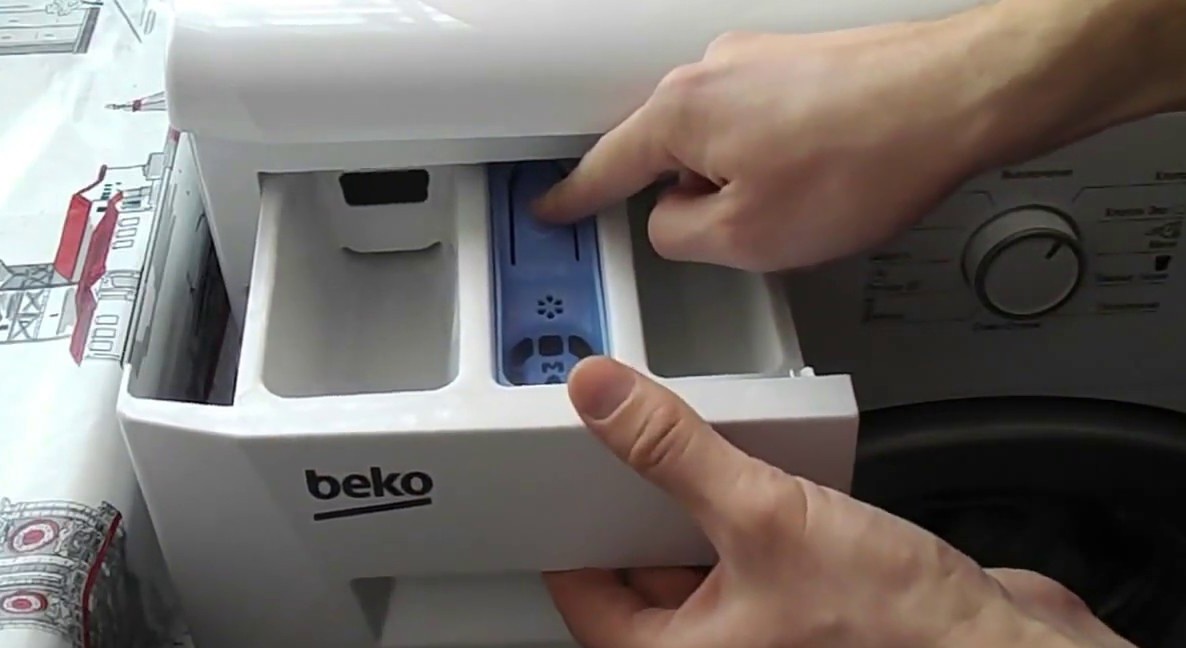
Hoses. The washing machine has two hoses: a drain hose and an inlet hose. Pay special attention to the drain hose. It's usually connected directly to the washing machine. Since it's quite delicate, it's prone to damage. Carefully inspect it to make sure everything is in good condition. The inlet hose is usually very thick and dense and sits in the drum, so there's little reason to worry about its safety, but for your own peace of mind, you might want to inspect it as well. It wouldn't hurt to do so.
Drum. What could be wrong with the drum? You've probably noticed that the drum walls of washing machines have numerous small holes for water circulation. To create these holes, the drum surface undergoes a special pressing process. As a result of this process, the inner surface of the drum is riddled with holes, and the outer surface is covered with sharp metal burrs.
Why should you check? Because sometimes the pressing machine malfunctions, and a sharp edge ends up inside the drum, making it impossible to wash any items. It's very easy to test your drum for this defect: take some unwanted nylon tights or stockings and run them over the entire inside surface of the drum. If there are no snags, everything is fine. But if the nylon gets caught on anything, don't buy this car!
Checking the machine for all these defects still won't give you complete confidence that everything will be fine in the future. However, such a test drive will at least help you avoid the disappointment of buying a poor-quality item from the start. You can further check for defects during the first wash in your new washing machine! And as for the question of whether there should be water in the washing machine when you buy it, you can answer it yourself!
Interesting:


4 reader comments
Add a comment
Headings
Washing machine repair




For buyers




For users


Dishwasher




Hello! Very useful information… Thank you for your help.
Thanks for the info! I almost called the store to complain about the wet drum!
Thank you.
Thank you so much, I was also planning to go to the store and show it in the video I made of my new, wet car. Now everything is clear.