
No water in my Bosch dishwasher
 What should you do if your dishwasher isn't getting water? Should you call a repairman immediately or try to fix the problem yourself? The truth is, most problems can be resolved on your own. Let's look at the common causes of this problem.
What could have gone wrong?
Why isn't water being supplied to the machine? There could be several reasons, from a clogged filter to damage to the control module. To identify the problem area, you will have to check each element of the dishwasher one by one, which could be the “culprit” of the malfunction.
So why isn't my Bosch dishwasher filling with water? It could be because:
- clogged flow filter;
- broken intake valve;
- damaged door lock;
- failed pressure switch;
- the Aquastop that worked;
- damaged electronic control unit.
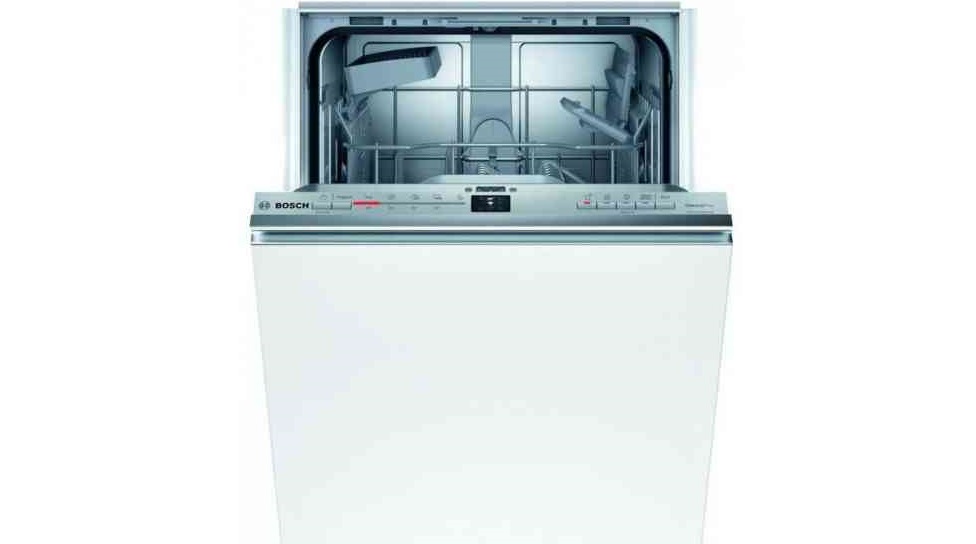
Trivial user errors also shouldn't be ignored. For example, water won't enter the system if the shut-off valve on the pipe is closed. Be sure to check the inlet hose; it might be kinked or pinched. Make sure the water supply to the house hasn't been shut off.
It's recommended to begin diagnosing your Bosch dishwasher from the simplest to the most complex, eliminating one possible problem after another. First, make sure the problem isn't user error. Next, check the flow-through filter and leak protection system. We'll explain how.
Either a filter or leak protection
Bosch dishwashers often fail to fill after the Aquastop system is activated. Sometimes, users don't even notice the leak, as a significant puddle of water doesn't always form under the machine. Therefore, first inspect the dishwasher's inlet hose.
Most modern Bosch dishwashers are equipped with leak-proof inlet hoses.
Aquastop inlet hoses are equipped with special valves. If a leak occurs in the system, the hose becomes clogged, and the indicator turns red. Water stops flowing into the dishwasher.
A failed inlet hose cannot be repaired. They are disposable, so the element will need to be replaced. A new part is purchased for the specific Bosch dishwasher model.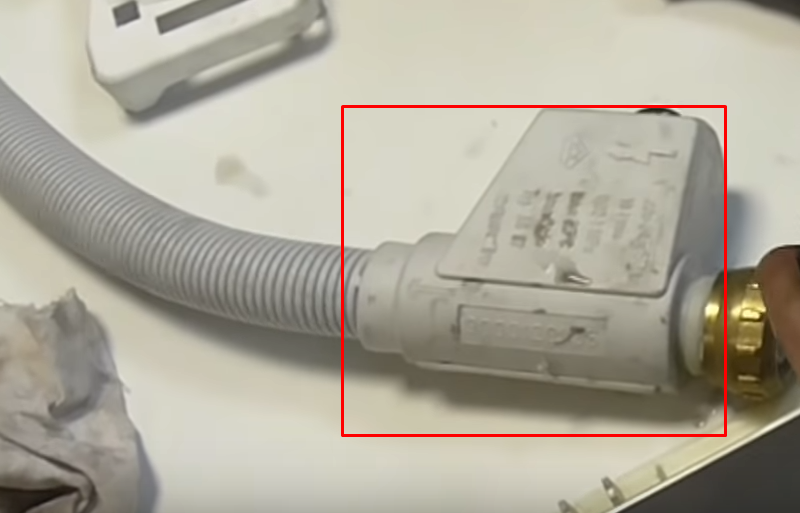
Not all Bosch dishwashers have inlet hoses with the Aquastop protection system. If your dishwasher has a standard inlet hose, simply inspect it for defects or leaks. If the hose is dry, you can proceed to checking the next likely culprit: the flow-through filter.
When connecting a dishwasher to the water supply, experienced technicians install a flow-through filter on the inlet pipe. This provides additional protection. Its purpose is to prevent waste from the water supply from entering the machine. This filter element must be maintained and cleaned regularly.
The Bosch dishwasher also has a main filter before the inlet valve. It's less likely to clog with an additional strainer, but it can still become clogged. To check the filter elements, do the following:
- de-energize the machine;
- turn off the water;
- unhook the inlet hose together with the filters;
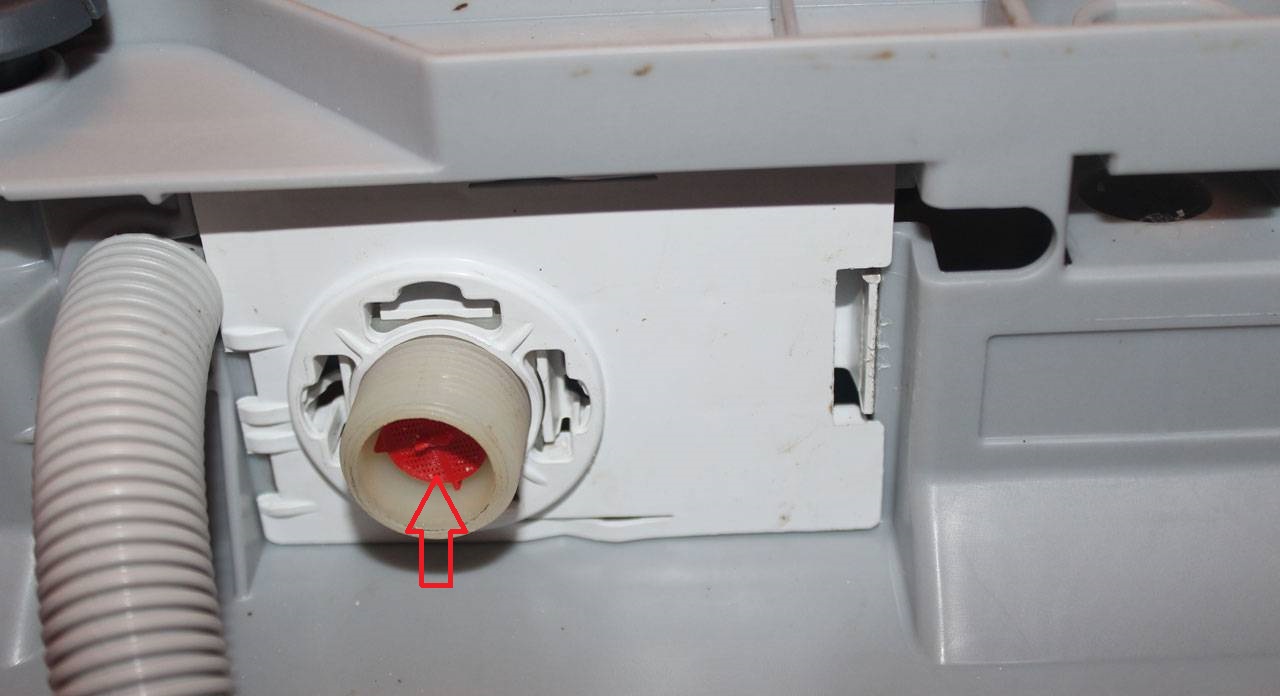
- remove the filter elements, clean out the dirt and rinse them in warm water;
- install all parts in place;
- check the operation of the dishwasher.
The additional and main filters of the Bosch dishwasher must be cleaned at least once every 6 months.
If after this, the machine still doesn't fill with water, the problem needs further investigation. The next thing to check is the inlet valve. It's located where the inlet hose connects to the dishwasher body. You'll also need to inspect the door lock and pressure switch.
The inlet valve is not working
Often, water doesn't enter the dishwasher due to a faulty inlet valve. This component is very sensitive to pressure fluctuations in the water supply. If the pressure is even slightly higher than normal, the part may fail.
Therefore, Bosch dishwasher manufacturers, in their equipment manuals, urge users to ensure the installation of pressure-reducing valves in cases where the pressure in the water pipe could theoretically exceed 1 MPa. These valves will prevent water hammer. Many people fail to follow these recommendations, which leads to failure.
To test the dishwasher's fill valve, you'll need a multimeter. Set the tester to resistance measurement mode. Next, apply the device's probes to the contacts of the component being tested. Normal readings should range from 500 to 1500 ohms.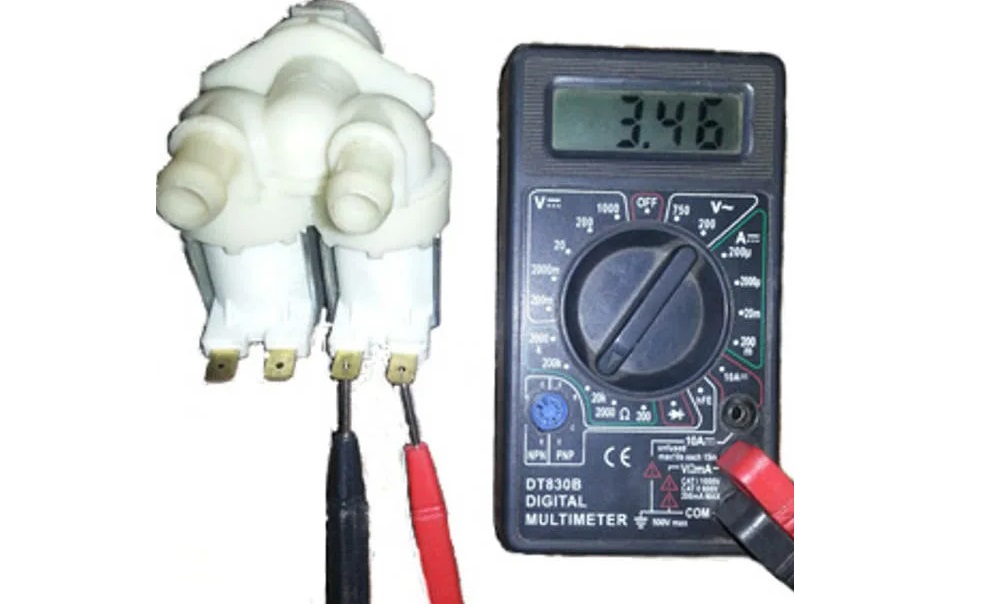
If the readings on the multimeter screen differ significantly from the standard values, the water inlet valve is damaged. This part cannot be repaired and will need to be replaced. Sometimes the element simply becomes clogged with debris, and cleaning it is enough to restore the dishwasher's functionality.
If the inlet valve is working properly, check to see if the dishwasher door locks properly after closing. A distinctive click will indicate the mechanism is engaged. If the lock is broken, the system will remain leaky, meaning water will not flow into the dishwasher. Repair or replace the lock.
The pressure switch is checked next. A malfunctioning level sensor can transmit false information to the control module, indicating sufficient water in the tank when there isn't any. In this case, the "intelligence" won't issue a command to fill the tank. The part will need to be replaced.
Control board
The problem could also lie in the electronics of a Bosch dishwasher. Not everyone can diagnose the control module, as the work requires specific knowledge and skills. Even not every technician is willing to undertake such a repair. At home, you can first simply examine the control module—sometimes the problem is obvious to the naked eye.
What is an electronic unit? The control module controls the operation of all elements of the dishwasher. Bosch. It gives the command to collect and heat water, drain waste liquid, switch to rinsing, etc.
Typically, it's not the entire module that fails, but just one of its components. Each semiconductor on the circuit board is responsible for the operation of a specific component of the dishwasher. If the damaged component is found and replaced, the unit will resume normal operation.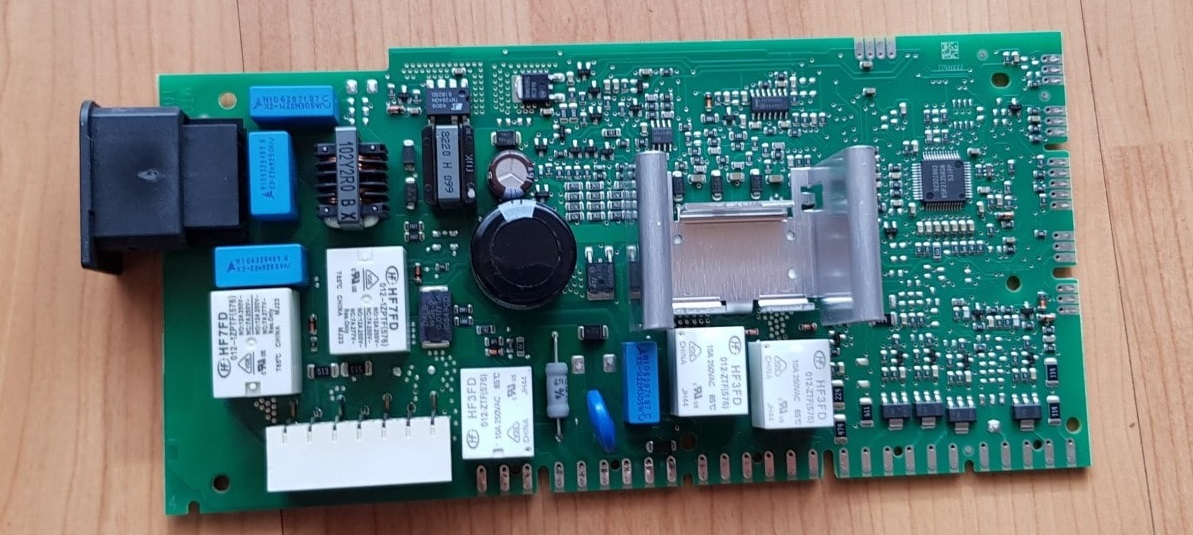
First, you need to remove the control board from the machine. To do this:
- Unplug the Bosch dishwasher;
- turn off the water supply;
- detach the drain and fill hoses from the dishwasher body;
- open the machine door fully;
- unscrew the bolts located on the side and back of the dishwasher door;
- remove the top part of the door.
After removing the top section of the dishwasher door, you'll see the control module attached to the door by special clips. Carefully inspect the circuit board for defects, burn marks, swelling, or rust. If everything appears normal at first glance, don't bother looking into it further; it's best to call a service technician.
The technician will check the control unit components using specialized equipment. If a fault is identified, they will remove the damaged semiconductor and install a new one. In rare cases, a complete replacement of the Bosch dishwasher's electronic module may be necessary.
If you notice that your dishwasher isn't filling, don't rush to call a repairman. You can often fix the problem yourself. Check each of the dishwasher's water-filling components one by one. If you find a problem, replace the component. Your dishwasher will function again.
Interesting:
Readers' comments
Headings
Washing machine repair




For buyers




For users


Dishwasher




Add a comment