
Is it possible to drain water from a washing machine into a septic tank?
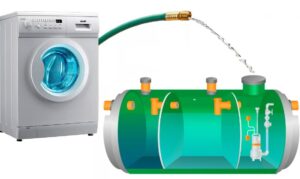
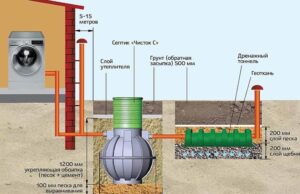 Many homeowners install a septic tank. This is a component of a local wastewater treatment facility. Water is collected in a settling tank, where it is purified using bioenzyme preparations and natural microorganisms. Homeowners must monitor the composition of their wastewater to avoid harming the bacteria living in the settling tank. Can you drain washing machine water into a septic tank? How can a detergent solution affect bioenzyme preparations? Let's explore this issue.
Is it permissible to connect the machine to a septic tank?
A properly selected local treatment facility makes it possible to provide comfort in a private home comparable to that of an apartment. It is important to comply with all the nuances, as well as the requirements and standards for operating a septic tank.Before purchasing a septic tank, it is worth understanding what kind of water can be discharged and what cannot.
Household chemicals contained in wastewater have a detrimental effect on the beneficial bacteria living in the septic tank.
Fortunately, not all detergents used for washing are harmful to the purifier. Formulations that do not contain chlorine, phosphates, or petrochemicals are safe for septic tanks. If you use gentle household chemicals, connecting the machine to a separate sewer system is acceptable.
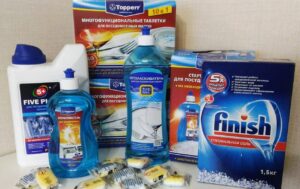
Today, you can find specialized household chemicals for septic tanks on the market. These include dishwashing detergents, plumbing cleaners, and laundry detergents. These products are specifically designed to eliminate the headache of monitoring the quality of water draining into the tank for homeowners.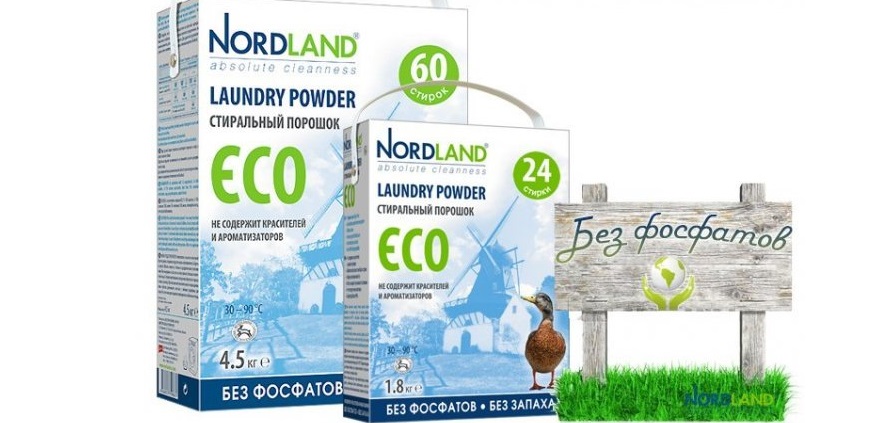
Let's take a closer look at substances that should not be allowed into a septic tank. It's important to ensure that the following substances do not enter the treatment facility:
- chlorine;
- chemicals with surfactant content of more than 5%;
- phosphates;
- petroleum products: gasoline, fuels and lubricants, kerosene, solvents, etc.;
- Medications containing formaldehyde and oxidizing agents. These can cause a foul odor from the septic tank;
- alcohol;
- alkaline substances;
- sulfates;
- products containing dyes and fragrances.
Today, there's a wide selection of gentle, natural laundry detergents. Natural extracts, sodium carbonate, biodegradable substances, and vegetable oils are completely harmless to the bacteria living in septic tanks. Septic tanks are also resistant to ordinary soapy water.
If you use only natural, phosphate-free, biodegradable detergents for washing, then connecting the washing machine to a septic tank is allowed.
The main thing to remember is that the fewer components harmful to microorganisms that enter the septic tank, the more efficiently and longer the system will operate. Therefore, to extend the life of your septic tank, be sure to follow the recommendations for using only natural laundry detergents that do not contain harmful chemicals.
Where to dispose of waste from the machine?
If you're not ready to give up common household chemicals, such as laundry detergents containing chlorine, phosphates, and surfactants in excess of 5%, you should find another solution for removing waste water from your machine. How else can you dispose of the water if not in a sump? You can choose one of the following methods:
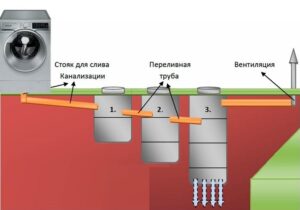
- ground filtration areas;
- drain well;
- storm sewer;
- water storage tank (any sealed container will do);
- filter cartridge.
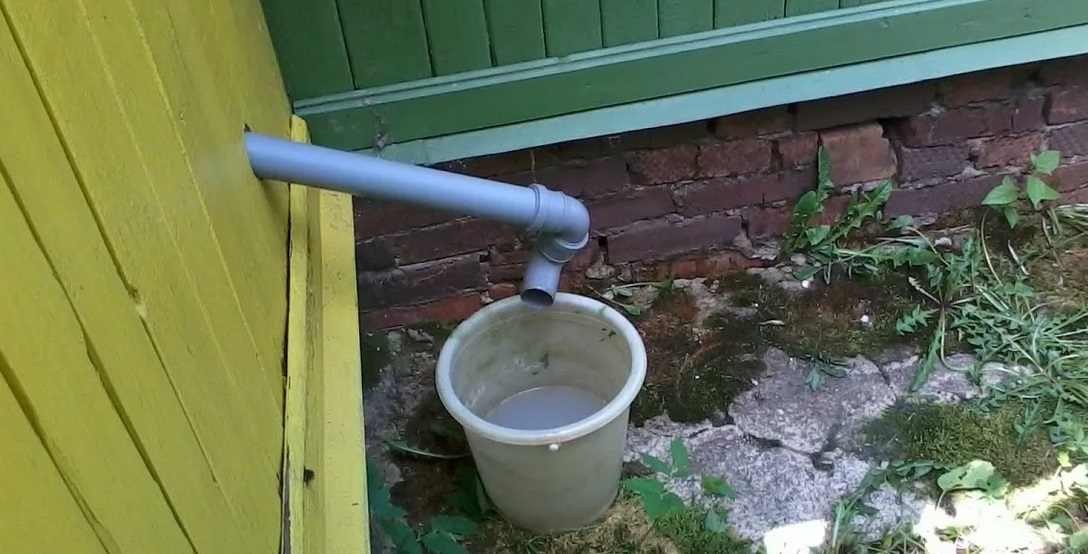
One of the methods described above can be used to organize water drainage from a washing machine in a private home. The simplest option is to drain the liquid from the machine into a separate water collector. A filter cartridge will cost a little more.
You can find septic tanks on sale that are not at all afraid of household chemicals.
When a septic tank is large enough, it simply won't even notice a single washing machine wash. Fifty liters of water containing detergent will be "lost" in a few cubic meters of the tank. Therefore, if you only run a couple of cycles a week, you don’t have to worry too much – it won’t harm the bacteria that inhabit the sump. Still, even if you only do a couple of washes a week, it's best to take care of your septic system and use only natural detergents. Today, you can find a wide variety of phosphate-, chlorine-, and other chemical-free detergents in stores.
Interesting:
Readers' comments
Headings
Washing machine repair




For buyers




For users


Dishwasher




Add a comment