
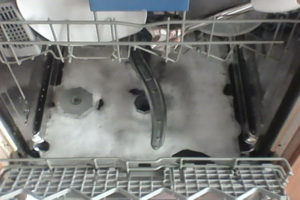
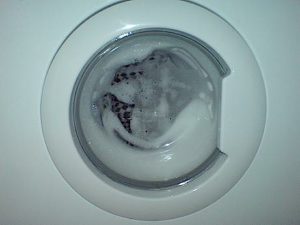
There is foam left in the washing machine after washing.
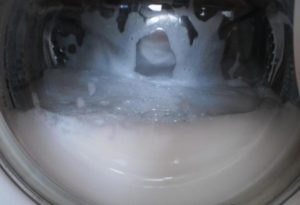 The beauty of an automatic washing machine is that you can turn it on and forget about washing for a few hours. Many owners of such machines can even go shopping or run errands while the machine runs its course. People rarely monitor the machine from start to finish; perhaps only children or cats do this. However, sometimes, when checking, you may discover suds remaining in the washing machine, which begin to leak out of the machine body, into the drum, and even onto the floor. What causes this, and how can it be fixed?
Where does all this foam come from?
When foam clouds appear, there's no time to wonder why they're there; you need to fix the situation immediately. First, unplug the machine to prevent a short circuit, which could damage your "home helper." After unplugging, remove all foam from the electronic control panel using a dry cloth. Then, remove the clothes from the drum and run a rinse cycle to remove the foam from the drum.
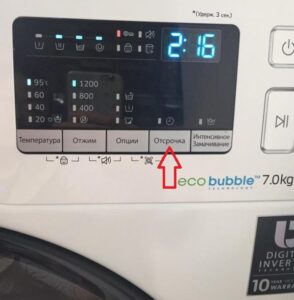
If you cannot open the door, you need to stop the machine and turn on the rinse cycle without spinning.
The rinse cycle should be used at least twice to remove all the foam. Only after rinsing can you relax and begin troubleshooting the problem that caused the foam. There are many possible causes for the sudden foaming. Given that many of these can render your washing machine useless, it's important to identify and address them promptly.
- It is possible that a low-quality washing powder was used, one that was produced with violations, or was simply counterfeit.
- Instead of washing powder for the machine, hand washing detergent was used.
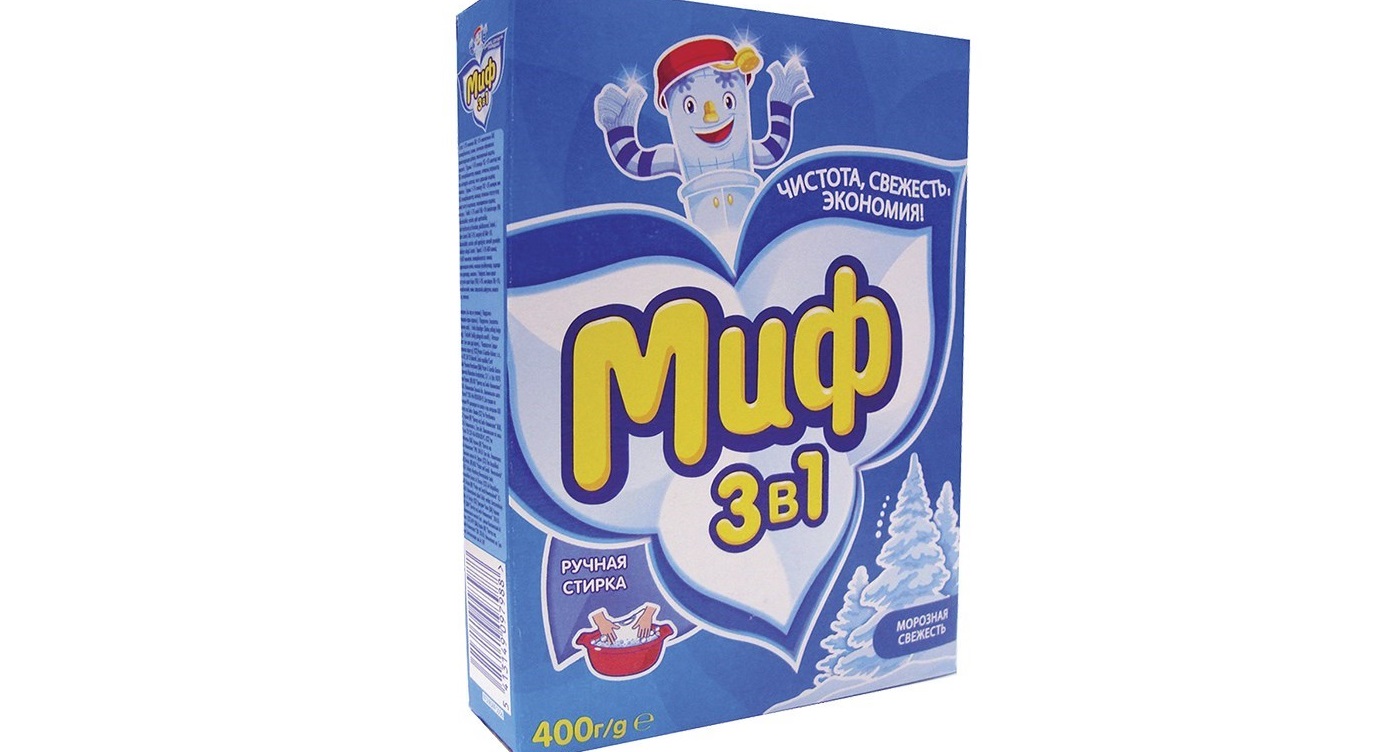
- The powder is correct, but too much of it was added.
- There was too much not only powder, but also bulky items.
- The machine used good quality soft water.
Soft water allows the product to dissolve well and foam a lot, so it's important to consider the quality of your tap water.
Sometimes another problem arises: there's little foam, but it spills out of the machine along with the water onto the floor. This is an unpleasant sign that the machine is broken and needs repair. This problem can be caused by leaks in the pipes, tank, hoses, or pump. Also, such leaks can occur due to damage to the gaskets in the washing machine, for example, the rubber cuff of the hatch.
Low quality laundry detergent
Anyone can encounter low-quality laundry detergent, as even well-known, expensive brands can hide behind inferior products. While buying a familiar product, you might one day discover that your machine is sudsing after a wash cycle, even though it used to wash like clockwork. Why did this happen this time?
Most housewives buy only well-known detergents for their washing machines, and this applies not only to powders but also to more expensive gels. Moreover, even a common product can't be tested before purchase by opening the package and examining the chemical composition. Even after an unsuccessful wash with a low-quality product, you're unlikely to be able to prove that the chemicals caused the breakdown, so no one will compensate you for your losses.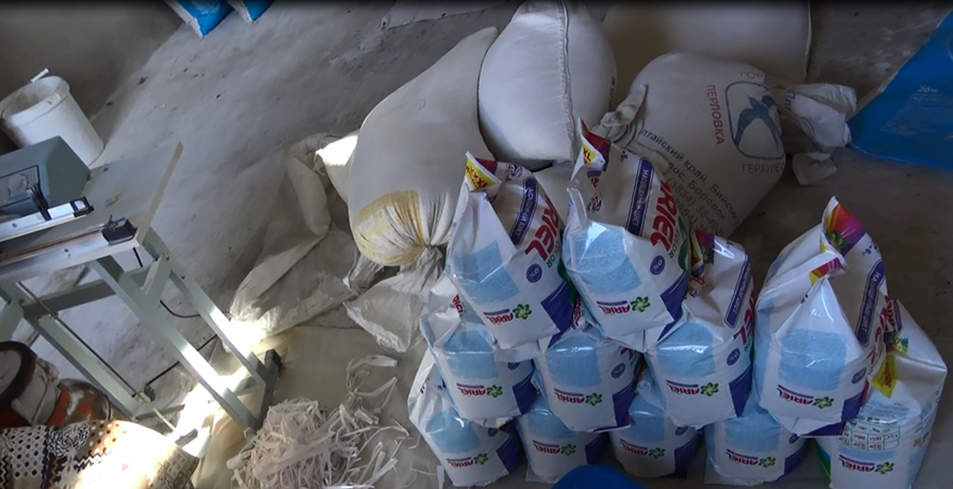
Unscrupulous manufacturers of low-quality products, as well as creators of counterfeit detergents, are taking advantage of this situation. Some purchase huge quantities of the cheapest products, which are then packaged in expensive packaging. But even worse, manufacturers use industrial components, creating a "toxic mixture" that is dangerous to both people and equipment. If your machine has always been working fine, but after purchasing a new detergent, it suddenly starts foaming, then you've most likely come across low-quality household chemicals.
But if counterfeit or low-quality detergent were always to blame, things would be much simpler. However, often, foam leaks are the fault of the users of complex appliances, who mistakenly used the wrong detergent. Most often, foam leaks occur due to the use of hand-washing detergent instead of machine detergent. Also, sometimes too much machine detergent is added to the machine's dispenser—due to the abundance of detergent, foam will quickly appear.
How to reduce foaming?
"Foam clouds" are a beautiful phenomenon, but they can be dangerous for complex equipment and require time-consuming cleanup. To avoid this phenomenon, follow these simple guidelines.
- Never add hand washing powder to your washing machine.
- Always buy high-quality, proven cleaning products.
If you've purchased a new detergent and have any doubts about it, run a test wash with a teaspoon of the product to check its quality.
- Don't add too much detergent. In this case, more isn't always better. Experts recommend adding less, not more.
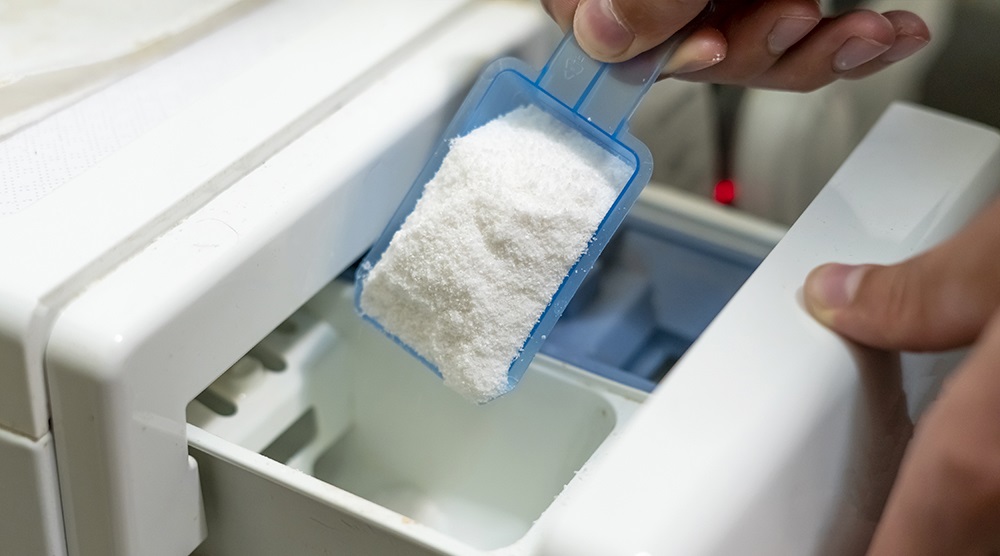
- If you have soft water at home, add half as much powder as the manufacturer recommends.
- Do you have a large wash load and large items, such as bulky blankets? Reduce the detergent dosage by two-thirds to ensure no suds and a thorough cleaning.
Now you know what causes foam clouds and how to effectively combat them. Follow our instructions, and your washing machine will never flood you or your neighbors with foam.
Interesting:


Readers' comments
Headings
Washing machine repair




For buyers




For users


Dishwasher




Add a comment