
The drain pump in the washing machine is constantly running.
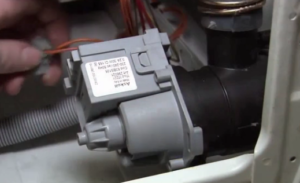 If the pump runs continuously during the cycle, it's not good. Firstly, the pump will overwork and wear out faster. Secondly, the wash quality will be reduced, as water and detergent will drain early in the cycle. The pump should only run when needed to remove water, so a constant "whirring" sound is abnormal. Let's figure out what to do if the drain pump in your washing machine runs constantly and what the possible cause might be.
We are looking for the cause of the problem
If you notice that your washing machine is not holding water in the tank, it is best to immediately begin diagnosing the equipment. There are various reasons why the pump doesn't turn off, ranging from a broken pressure switch to burnt-out electronics. Most often, the machine loses control over the water level due to:
- violations committed during installation of the drainage hose and its connection to the sewer;
- blockage of the common house sewer pipe;
- breakdown of the waste water release valve;
- failure of the level sensor;
- failure in electronics.
If the pump is running all the time, the machine needs to be checked immediately.
It's best to address the cause of the malfunction early. Continuing to use the washing machine with this problem not only risks dirty laundry but also permanently damaging your "home helper."
Was it connected to the sewerage system correctly?
Troubleshooting should begin with the simple and move on to the more complex. The most innocuous cause is considered to be improper installation of the drain hose. Sometimes, when installing the machine themselves, users fail to read the instructions and connect the hose incorrectly. This results in water draining from the tank by gravity.
Check that the drain hose is connected correctly. It should be secured above the bottom of the washing machine's tank. On almost all washing machine models, this mark is located half a meter above the floor. If this is the case, liquid will not leak out of the system. If the drain hose is not connected correctly, water will drain by gravity. In this case, the pressure switch will constantly detect a low tank level and signal a refill. This process can repeat indefinitely.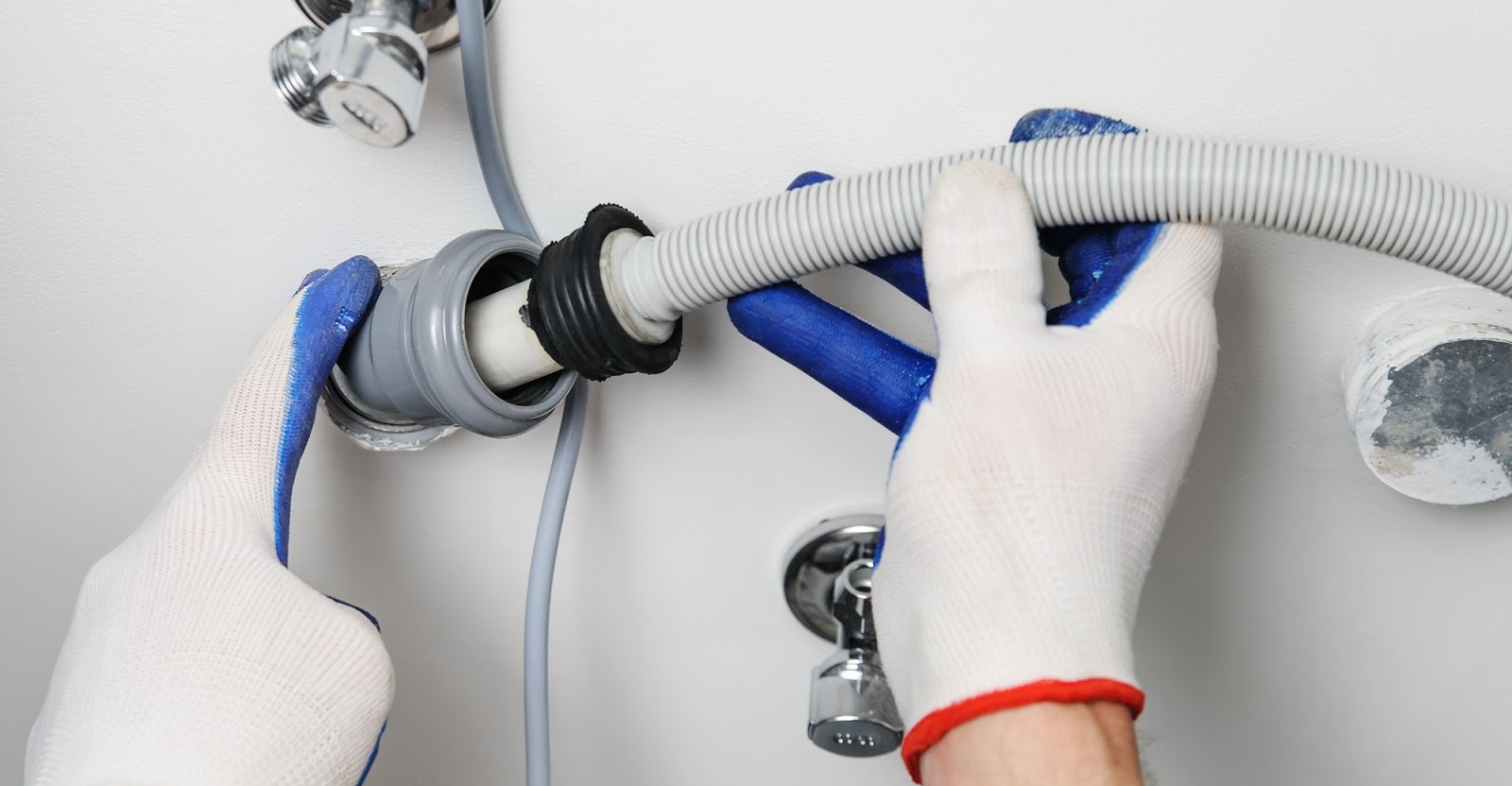
You can also check the drain hose by running a quick wash with the drum empty. Run a short cycle and observe the machine. If water starts flowing out of the centrifuge as soon as it enters, you'll need to move the machine away from the wall and inspect the drain hose. If you're sure the drain hose is connected correctly, continue testing the machine. After checking the hose, experts recommend checking the drain pipe.
Blockage in the drainage system
A clogged sewer pipe can cause your washing machine to drain unintentionally. If the drain pipe overflows, the pressure in the system drops, forcing water out of the machine. Confirming this is easy. Open a faucet in the bathroom or kitchen and observe how quickly the water drains. If the main drain pipe is clogged, drainage problems will occur in any room.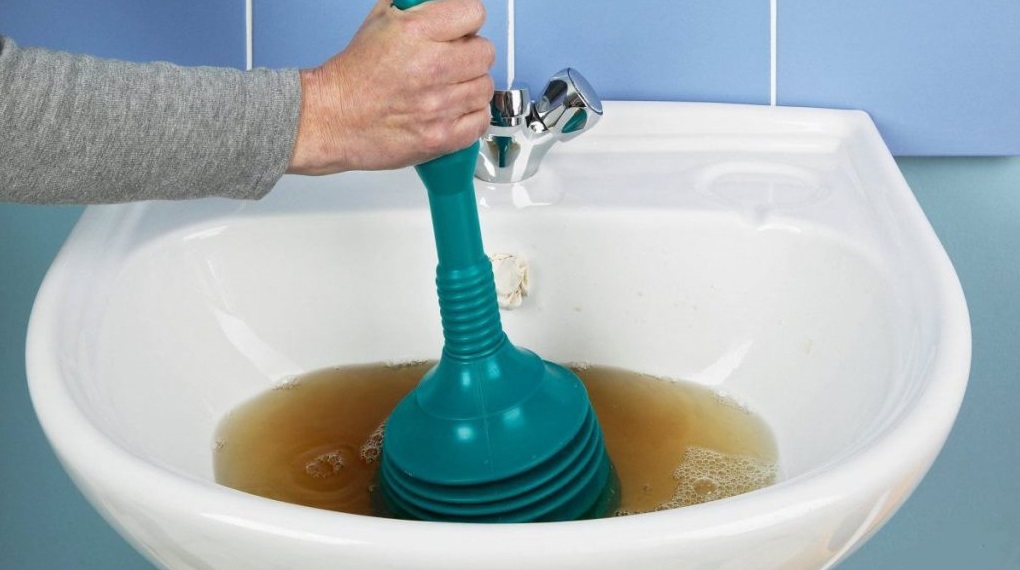
Cleaning the sewer pipe can help solve the problem. You can do the job yourself, but it's best to hire a plumber. If you have to wait a couple of days for a specialist to arrive after calling, simply disconnect the drain hose from the utilities and lower its end into the bathtub. Then the machine can be used, but this measure is only temporary.
The pressure switch burned out
A faulty pressure switch may be the reason the pump isn't turning off. The sensor monitors the tank's fullness and transmits signals to the control module about the amount of water in the system. Based on this information, the "brain" pauses filling and initiates draining.
If the pressure switch is faulty and the water level in the tank exceeds the maximum mark, the intelligence activates an emergency drain.
In this situation, the drain pump will run continuously to protect the electronics from leakage. The pressure switch may malfunction for various reasons, including:
- oxidation of sensor contacts;
- short circuit of wires;
- membrane depressurization;
- damage or blockage of the pressure tube.
You can diagnose the pressure switch at home. The part is located at the top of the machine; to find it, you'll need to remove the cover. Before disassembling the washing machine, be sure to disconnect it from the power supply. Once you locate the sensor, inspect its contacts.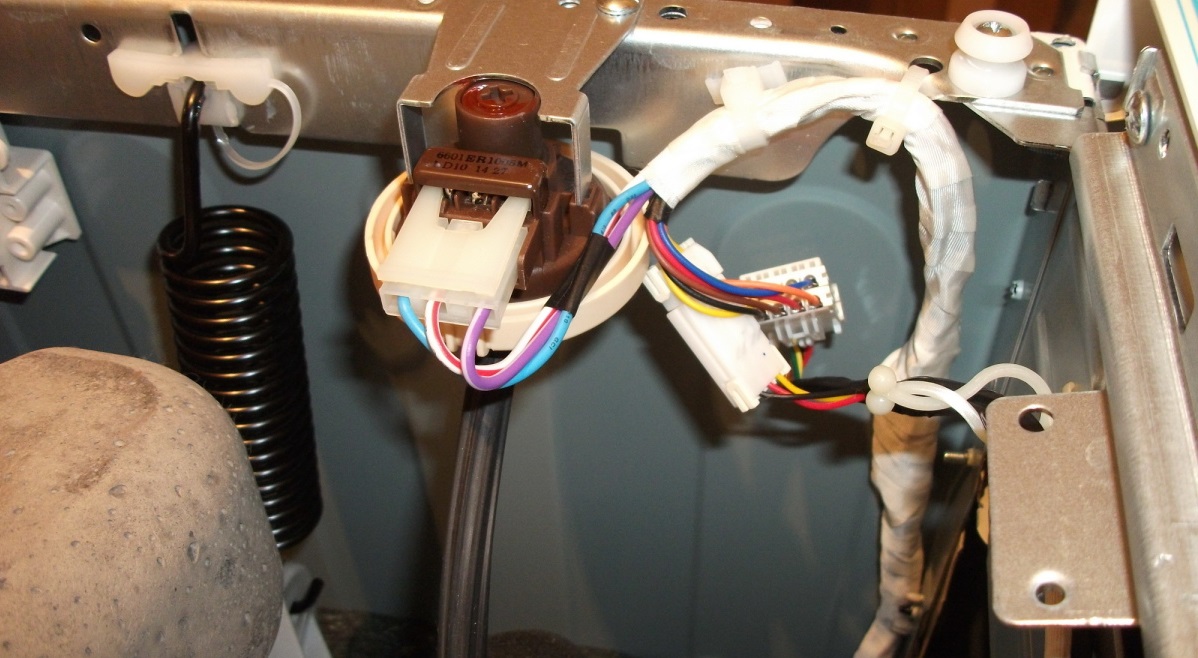
If the contacts are oxidized, clean them with a knife blade. Next, disconnect the pressure switch tube and blow into it—this can sometimes restore the element's functionality. If you determine that the tube or wiring is damaged, replace the entire sensor. Purchase a new pressure switch using the serial number of your "home assistant." Repairing the old sensor is not recommended; it's not practical. You can replace it yourself. The procedure is as follows:
- de-energize the washing machine, close the shut-off valve;
- Unscrew a couple of bolts holding the top panel of the machine;
- remove the lid of the washing machine;
- disconnect the tube from the broken pressure switch;
- loosen the terminals, unscrew the two bolts securing the part;
- remove the old pressure switch;
- put the new sensor in place and secure it with screws;
- connect the wiring through the terminals;
- reconnect the pressure switch tube;
- Assemble the body of the automatic machine.
Once the repair is complete, run a test cycle. If the tank fills and the pump doesn't immediately start pumping out water, the problem is solved. Otherwise, you'll have to continue troubleshooting.
The inlet valve is constantly open
The next step is to check if there are any problems with the filling. When the inlet solenoid valve is faulty, water continuously flows into the washing machine, forcing the pump to constantly pump out excess liquid. The only way to fix the problem is to replace the element.
You can remove the inlet valve and completely disassemble it. Check the coil resistance and the integrity of the diaphragm and spring. However, it's much more reliable to buy and install a new part. Select the inlet valve based on the model and serial number of your washing machine. It's also a good idea to purchase removable clamps in advance. The procedure for replacing the element is as follows: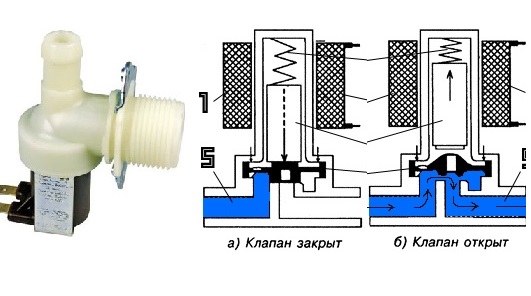
- unplug the washing machine;
- close the shut-off valve;
- remove the top cover of the case (if you are repairing a front camera) or the side wall (in the case of a vertical camera);
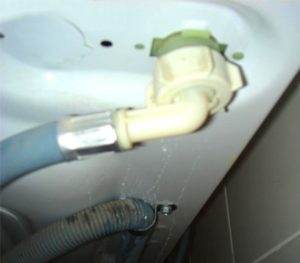
- find the valve, it is located where the inlet hose is connected;
- detach the pipes and power wires from the element;
- unscrew the screws holding the valve;
- slightly rotate the part and remove it from the housing;
- install a new valve, secure it with bolts and clamps;
- Connect the wiring and pipes to the element.
A test wash should follow. Watch the machine complete an empty cycle. If replacing the inlet valve doesn't help, the electronics may be at fault.
The firmware has crashed or the triac has burned out.
Sometimes the drain pump doesn't turn off due to a malfunction in the control module. If restarting the washing machine doesn't help, you'll need to run diagnostics on the board. You shouldn't try to tinker with the machine's "brain" yourself – it's better to entrust the job to specialists.
Repairing the control module requires specific knowledge and experience. Therefore, to avoid further damage to the machine, it's advisable to call a technician. Ignoring a pump problem is unacceptable, as it can lead to more serious damage to the machine.
Interesting:

4 reader comments
Add a comment
Headings
Washing machine repair




For buyers




For users


Dishwasher




My Indesin Witl 86 washing machine drains slowly after washing (weak pressure). The drain pump runs constantly. After disconnecting the power, there's a small amount of water left in the drum, but the laundry isn't spun. The pump filter is clean. What could be wrong?
In my case, the brain was broken, and replacing the panel helped.
When the drum starts spinning during washing, the pump turns on and runs until the spin pauses! It doesn't always hum, and its cycle is unpredictable! Sometimes it hums, sometimes it's silent! Help me figure this out! This has never happened before! My machine is LG.
The recirculation pump is constantly running (water is constantly flowing through the nozzle).