
Is it okay to do laundry in the washing machine on Good Friday?
 Sometimes a major cleaning or laundry day falls on a major Christian holiday. Not all housewives can reschedule these plans for another day, so the question often arises: can I do laundry in the washing machine on Good Friday? Will it be a sin if the washing machine does all the heavy lifting? Let's explore the nuances.
Is it a sin to do laundry on Good Friday?
According to Orthodox canons, a person is allowed to work on any day. But there is one "but." On church holidays, Christians are required to attend church services, leaving them with very little time for household chores. The Church does not encourage people who, instead of praying and attending cathedrals, for example, on Good Friday, only fuss about the house, without thinking about the eternal.
Don't believe the superstition that laundry washed on Good Friday will inevitably become stained due to the shed blood of Jesus Christ. These beliefs are nothing more than harmful remnants of paganism. Modern people don't need to pay attention to these myths. Clothes can only become damaged if care instructions are not followed.
Good Friday is a day to commemorate the suffering of Jesus on the cross. Special services are held in church, ending with the ostentatious removal of the shroud. A strict fast is obligatory on this great feast. Believers who have stood in church almost all day without eating a single bite usually have no desire to do laundry.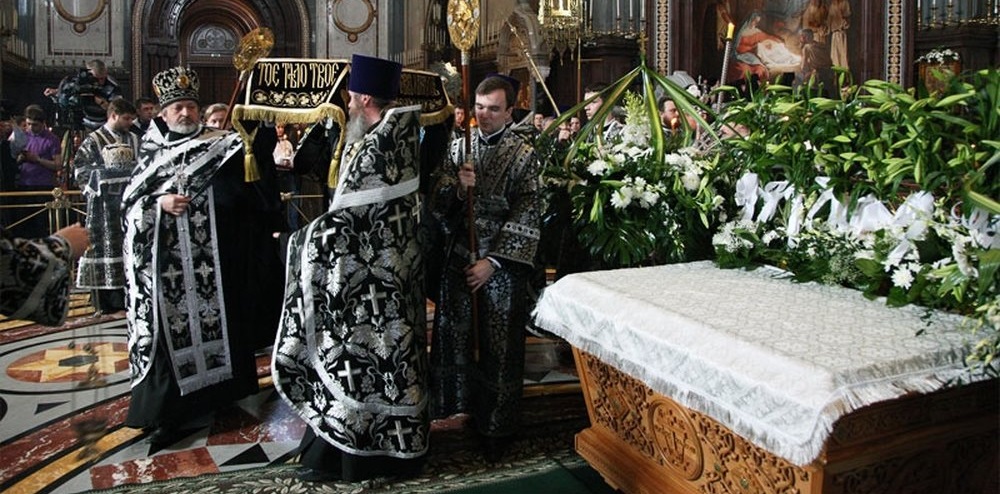
In the past, just 20-25 years ago, anyone who started sorting laundry first thing in the morning would inevitably miss church services. Such a choice was considered wrong for a Christian. Today, automatic machines are equipped with a timer to start the cycle and can also dry clothes immediately. Religious people can easily load their clothes into the drum, start the washer-dryer, and head to church. The machines will do all the work themselves.
It is permissible to do laundry on Good Friday, the main thing is to leave enough time for going to church, prayers, and thoughts about God and the eternal.
Even if there's no washing machine and laundry needs to be done urgently, it's acceptable to soak it in the morning and then finish washing it in the evening after services and prayers. The Christian Church in no way encourages believers to neglect their property, particularly clothing. Therefore, Good Friday is not a reason to avoid household chores, as long as they occur during time free from church.
Why is Good Friday a true day of mourning?
All Christians know the sad story of Jesus Christ. To understand why Friday is a day of mourning, we must recall the events of the preceding Thursday, the one that believers call "clean."
That Thursday, the Lord's Supper was the last for the Savior and his disciples. None of the eleven apostles yet suspected that there was a traitor among them, and that the guards would seize Jesus the following day.
The only one who knew what was coming was Judas Iscariot. He betrayed his teacher and continued to play his terrible game. Having made a pact with Christ's enemies, he sold the Savior for 30 silver coins.
Scholars have concluded that those 30 coins, converted into modern currency, are worth approximately $6,000. This is the amount Iscariot valued the life of Jesus Christ.
Of course, Jesus understood that torment was in store for him. After all, he descended to earth to die and then be resurrected. Christ had to make a sacrifice for the salvation of all mankind. However, he most likely could not imagine the details of the upcoming events.
After finishing the supper, the Lord went to the Garden of Gethsemane for solitude and mental preparation for the ordeal ahead. By then, Judas Iscariot had already joined his accomplices. The remaining 11 apostles were nearby. That Thursday had been very busy, so the disciples quickly fell asleep in the moonlight and fresh air.
The Savior was sleepless. His suffering and anguish are described in detail in the Bible. Christ looked to heaven and prayed to God. This very situation can be described by the expression "the Passion of Christ." This part of the teacher's biography represents the last days of his life on earth.
At that moment, Jesus was tormented by spiritual passions. He spent time in painful contemplation. He knew he faced a terrible and unjust death.
Seeking moral support, the Savior went to his disciples. However, the apostles were already asleep. So Christ was left to suffer through these painful reflections alone.
He could have awakened the apostles. However, he chose not to. Because Jesus' mission was to bear his cross alone, to the bitter end, without disturbing his loved ones with his suffering.
Just a few hours after that evening, he would indeed drag a wooden cross. And around him, the crowd would rage, his enemies would rejoice, and his friends would sympathize. Thus, Christ would reach the place called Golgotha.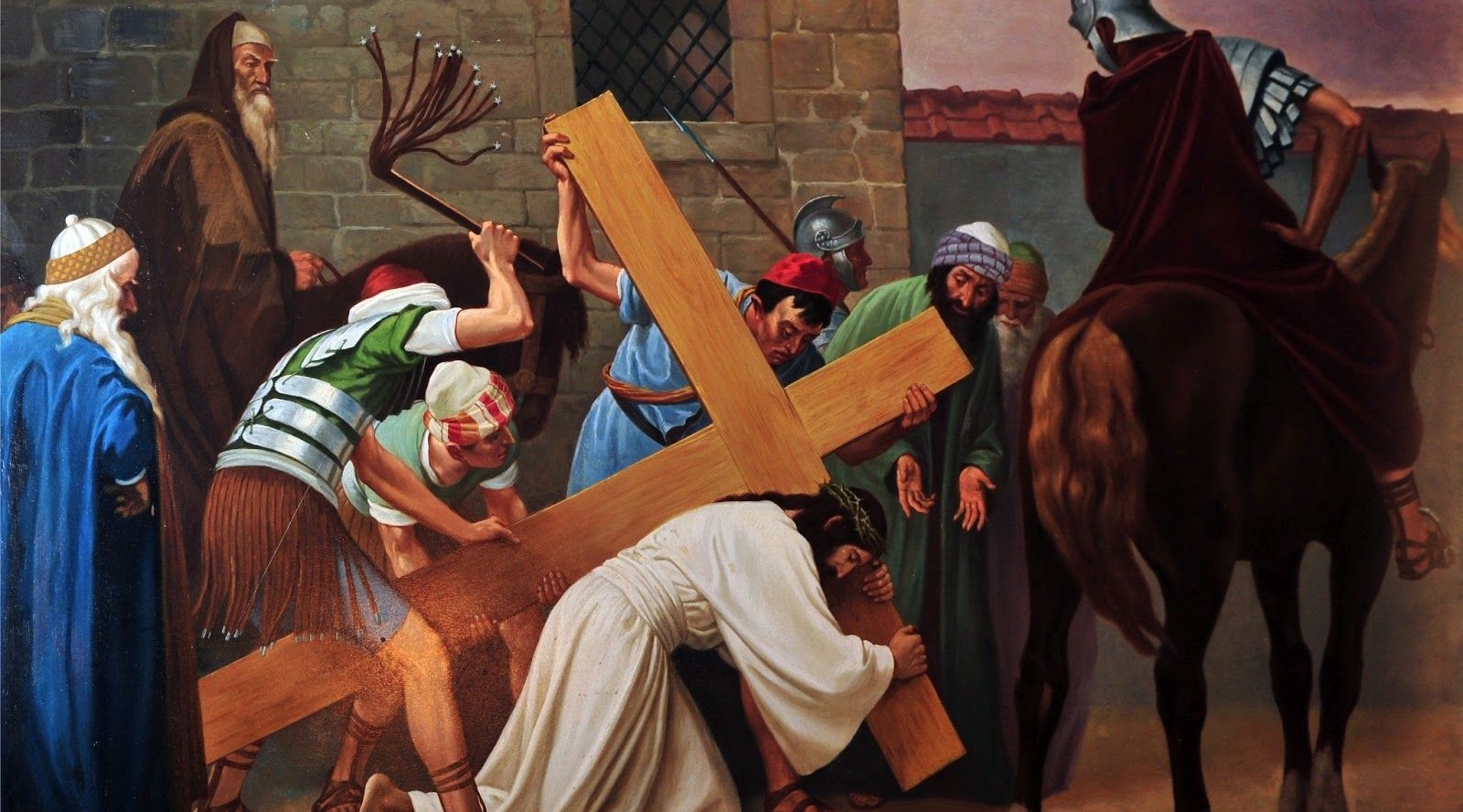
Christ was crucified on a wooden cross. At the moment of his death, something inexplicable happened. The sky darkened, as if night had fallen in the blink of an eye. The stones supporting the cross cracked. The curtain in the local church tore in half.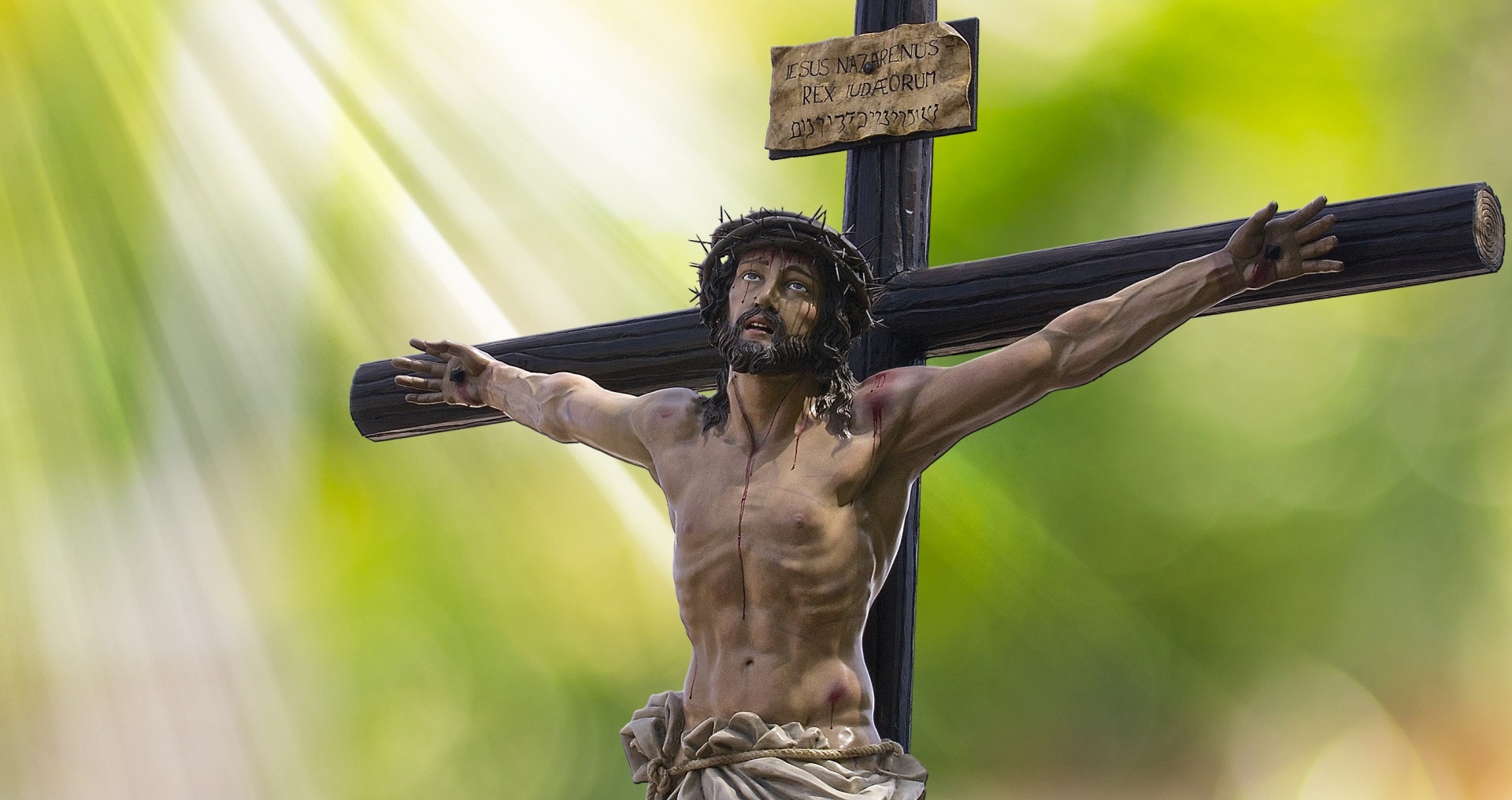
All this frightened the crowd. The jubilant enemies, who had just recently mocked Christ, hurried to hide in their homes. The soldiers felt not only fear but also sympathy for the martyr. At that moment, many believed that Jesus truly was the Son of God. Several hours later, Joseph approached the cross. He carefully removed the body, embalmed it, and placed it in the tomb.
The next morning, the enemies were even more frightened—they remembered Christ's words promising that he would rise again in exactly three days. So they sealed the tomb with a heavy stone and posted a guard. Soldiers guarded Jesus's burial site around the clock.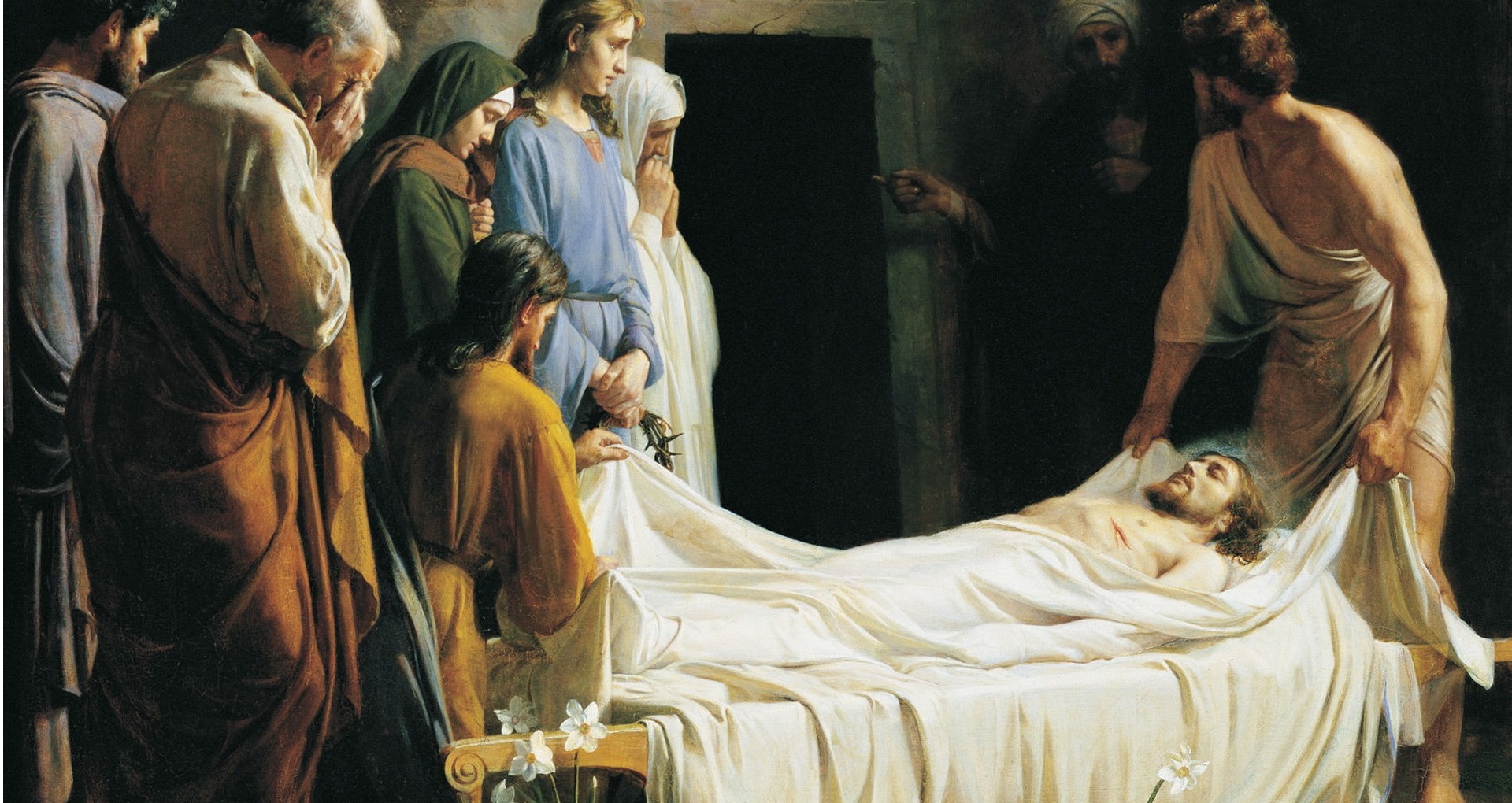
But people didn't yet understand that the guards were powerless to disrupt God's plans. After all, Christ's holy mission would only be fulfilled after his resurrection. Therefore, they only had to wait three days.
And indeed, this Sunday, a miracle will occur, one that has been told about for generations. This day is now called Bright Easter. It is a great holiday, symbolizing hope, change for the better, and the triumph of life over death.
Judas Iscariot died without the slightest hope of resurrection. The traitor never managed to spend his thirty pieces of silver. After the Lord's death, he became terrified, realizing he had done something terrible and irreparable.
Judas grabbed the bag of money and ran to the conspirators to give them the coins. This alone would not bring back the life of the innocent man. Besides, the enemies had no use for these bloody coins.
In despair, Iscariot threw down his purse of silver coins right in the temple. The coins rolled across the floor. The clanging of metal was unbearable, heralding the coming tragedy. Judas fled the city and committed suicide by hanging himself from a tree.
Terrible tragic events occurred on Good Friday, so on this great day, Orthodox people direct their prayers and appeals to God, thinking about the eternal.
That's why the entire week before Easter is called Holy Week. These days are among the most significant and revered in Christianity. Good Friday is a major church holiday, requiring Orthodox Christians to have a special, solemn, and compassionate attitude. And if doing laundry fits into your schedule, leaving time for church and services, then there's no need to give it up.
Interesting:






Readers' comments
Headings
Washing machine repair




For buyers




For users


Dishwasher




Add a comment