
Felting wool in a washing machine
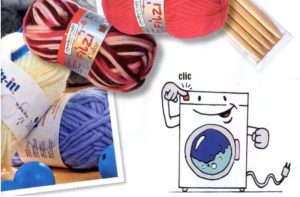 Machine washing machines often come to the rescue in crafts, and wet felting is a prime example. Using a machine wash can save time and prevent many mishaps. However, perfect results are possible if you consider the characteristics of the wool used in the project and follow basic felting rules. Below, we'll explain in detail how to avoid ruining your knitting and be satisfied with the finished product.
Machine felting rules
Before you begin wet felting wool, it's important to thoroughly prepare and finally decide whether using a machine is worth it. This method is not suitable for everyone, as the result depends on many factors.These include the degree of dyeing of the wool, its color, the density of the knit, and the selected washing machine program, temperature, and spin cycle. To avoid losing your garment, consider the following.
- Only natural wool can felt. If the wool content in the yarn is less than 60%, the result will be practically zero.
- A loose knit adheres better than a regular or tight one.
- If you felt the work by hand, then using a machine to secure the result will be justified.
- Yarn items may develop pilling, so to avoid this, place them in a special mesh bag or a regular pillowcase.
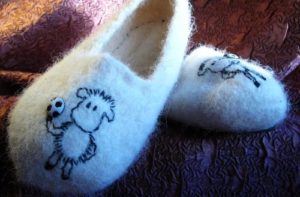
- The protective shell is also necessary for the safety of the machine, as particles of wool can get into the tank and cause it to jam or clog the drainage system.
- A front-loading machine is more suitable, as it allows for easier control of the stall rate and progress. Front-loading models lack this capability, but this isn't as critical.
- To increase vibration and prevent imbalance when underloaded, it is recommended to add thick old items such as jeans.
- Cotton dust has a positive effect on drying, so it is recommended to add cotton laundry to the drum.
- Wringing is permitted, but strong twisting is not. Otherwise, the item will easily become misshapen.
- White and light-colored wool is less likely to felt.
Important! The ideal solution is to test the wool you're using and its suitability for machine felting by running a sample through the felting machine.
Testing is more mandatory than desirable. The fact is that, in addition to the factors described above, the final drying result is affected by water hardness, the type of detergent used, vibration, drum speed, and wash duration. It's impossible to calculate and predict all these factors. Beginner crafters are advised to begin with simple items, such as scarves, mittens, hats, covers, and vases. Particular attention should be paid to shrinkage - a properly felted product should not shrink by more than one third.
Description of the felting process
Once you've assessed the final result and created the most optimal drying conditions, you can begin the process itself. It's important to follow the sequence of steps and adhere to the instructions provided. For example, we recommend following this algorithm:
- Carefully place one or more knitted items into a mesh bag or pillowcase.
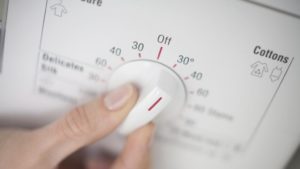
- We load everything into the drum of the machine, filling the empty spaces with thick colored linens, jeans, or already washed towels (new ones easily lose their texture when washed with woolen items).
- Pour/fill the tray with a detergent or universal powder of a suitable color.
- If you're washing colored fabrics, a special color-protective product is a good idea. Fabric softeners and products specifically designed for woolen items are prohibited.
- Select a delicate cycle or another program that allows for a large volume of water. If you have the option, set the temperature above 40°C, spin, and rinse thoroughly.
Please note: Do not use the special wool washing cycle.
- The item must be rinsed in cold water before it is completely rinsed, and then gently wrung out without twisting.
- We take the product out of the machine and give it shape by tightly stretching it over the desired shape (a jar, a fist, a ball, a vase, a special stand for hats).
- Next, place it on a flat surface and dry it without hanging it on clothespins.
Felted items should shrink by approximately 30%. Typically, one cycle is sufficient. If the result doesn't meet expectations, you can repeat the procedure up to three times. It's recommended to increase the washing temperature or select different settings each time. It's often necessary to experiment for several hours before arriving at your "formula."
Opinions of experienced craftswomen
It's easy to see that ideal conditions are determined through trial and error. Experienced felters, ready to share their best practices, offer a unique master class. Below are some opinions on using washing machines in the felting process:
Katerina Korshun
Sometimes I machine-felt bags and berets, but only after thoroughly hand-felting them. I've long noticed that without thorough hand-felting, items often become deformed and bunched up. I do it this way: I put my creation in an old pillowcase, tie it tightly, load it with other things and set the wash for 40 minutes and 50 degrees. I add the usual amount of soap shavings and fabric softener to the tray. But honestly, I don't do this often, because after the machine, the work isn't as smooth, it becomes very shaggy, and it takes a long time to shape it with an iron and steam. However, it's perfect for speeding up the felting of several items at once.
Natalie Simkina
I believe that if you "tame" your washing machine, it will be a kind and indispensable friend. This is true for me personally. I wash large pieces, handbags, and slippers in a free-flight cycle at any temperature and duration. But I always protect the work in a special bag, nylon, mosquito net, or tulle. I only finish it in the washing machine after hand washing. For a subtle effect, I put it in the drum on the "Rinse/Spin" program, and then make adjustments with a needle. You can also make repairs after washing with a quick wash at 40 degrees Celsius for 30 minutes. And at 60-90 degrees Celsius, the surface becomes completely smooth and indistinguishable from real felt. I prepare beads and balls this way.
Lada Moscow
I machine-felted handbags and pillows, and the results are quite good: everything is very even and without any visible rows. The key is to knit as little as possible, using thick needles. But it's not suitable for all projects. Slippers, for example, are more challenging; they're much heavier and denser than hand-felted ones, and the warmth retained inside, in my opinion, is completely different. Of course, it takes time and materials to experiment to achieve the perfect result. I believe that washing machines are for the lazy and busy, as well as for rigid items.
Katerina Kubeshova
I experiment with the machine regularly, and each time I swear that I will never get involved in this again. The last attempt was successful, albeit with some modifications. It happened like this: I first sanded the bag, wrapped it in a pillowcase, and ran the cycle. Then I freaked out—the washed bag had shrunk just a little, holes were visible, and the size remained completely unchanged. I gave up and only remembered two weeks later. I soaped it, wet it, rubbed it with my hands, and ended up with a great bag, thin and durable.
I think I'll try it again. For now, I only use the machine for regular rinsing and spinning of washed items – it's very convenient.
Ekaterina Logacheva
My machine has never let me down. I always felt all my scarves in the machine. I do it this way: I spin the knitted item a hundred times in IKEA film and then throw it straight into the drum. The result is perfect quality, with no defects or flaws, knock on wood, and after straightening and steaming, it's indistinguishable from factory-made. Just recently, I knitted a hat for the first time, spinned it 200 times, and washed it. It turned out great! The mittens didn't come loose either!
If you follow these recommendations and the personal experience of professional needlewomen, felting in a washing machine will be quick and produce predictable results. The key is to adjust to the capabilities of your washing machine and be sure to test the selected cycle with a sample.
Interesting:



Readers' comments
Headings
Washing machine repair




For buyers




For users


Dishwasher




Add a comment