
How to run drum cleaning in an LG washing machine?
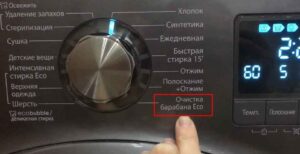 The drum of a washing machine is considered one of the most vulnerable parts to dirt. Grease, stains, hair, fur, and lint all get caught in the cylinder, where they mix with detergents and impurities from the water supply. Eventually, the dirt adheres to the walls of the drum, coating it with a thick layer of soap and limescale. Removing this dirt is easy with the drum cleaning feature of your LG washing machine—a special system mode. Let's explore how this program works and what alternatives are available.
Activating the cleaning mode
Modern LG washing machines are self-cleaning, thanks to a special mode called "Drum Clean"—a high-temperature cycle lasting 90 minutes.The program is activated by pressing certain keys and runs "idle", without loading laundry. Detergent is a must.
Instructions for activating the Drum Clean mode for LG:
- connect the washing machine to the power supply;
- make sure the drum is empty;
- pour a special washing machine cleaner into the main compartment of the powder dispenser;
- start the system by clicking the "Start" button;
- wait for the sound signal;
- find the keys with the “*” icon on the dashboard;
- press and hold both sprockets for 3-5 seconds;
- Activate the program using the "Start" button.
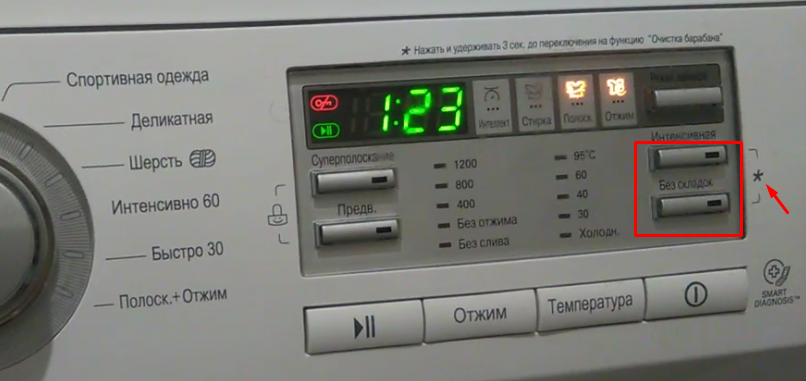
The washing machine will do the rest: lock the door, heat the machine to 60-90 degrees Celsius, and wash the drum. The cycle lasts about 90 minutes and ends with a typical beep. Afterward, open the door and let the machine dry.
LG washing machines have a self-cleaning mode – the “Drum Cleaning” program.
If there's a lot of detergent left on the drum walls, we recommend running an extra rinse. It's important to understand that the machine uses aggressive cleaning agents that can transfer to the fabric and damage it during subsequent washing cycles.
Cleaning the machine with soda
If you use the drum cleaning feature correctly, you won't have any problems cleaning your LG machine. Without this feature, you'll have to do it the old-fashioned way: wash the machine by hand. For savings, it's recommended to use baking soda.
Baking soda, or sodium bicarbonate, has long been proven to be an effective and safe cleaner. It can be used to clean countertops, sinks, kettles, tile grout, and large appliances like washing machines. This white powder can remove soap scum and dirt, as well as limescale, mold, and odors.
The instructions for cleaning the drum with soda are as follows:
- take 0.5 kg of soda and divide it into two equal portions;
- pour the first portion into the main compartment of the powder receiver, the second into the drum;
- set any high temperature mode (with a heating temperature of 60 degrees);
- turn off the spin;
- activate double rinse;
- run the program.
For a comprehensive cleaning of the washing machine drum, you will need 0.5 kg of soda.
One cycle with baking soda is enough to remove deposits, scale, and dirt from the cylinder walls. It will also remove excess debris from other machine components: the heater, pipes, and tank. Sodium bicarbonate is capable of cleaning even a thick layer of dirt deposits, which will have a positive effect on the performance of equipment.
It's best not to limit yourself to cleaning the inside. It's recommended to clean the outside of the washing machine as well. Dissolve 100 grams of baking soda in a liter of water and add dishwashing gel. Dip a sponge in the resulting solution, then clean the outside of the machine. Finally, remove any foam and wipe with a dry cloth.
Let's use lemon juice
Another effective folk remedy for scale, plaque and unpleasant odor is citric acid. In terms of effectiveness, lemon juice is more effective than baking soda and vinegar, as it can dissolve hardened limescale and eliminate mold. Especially when used in combination with sodium bicarbonate and vinegar essence. To clean the drum with citric acid, strictly follow the following sequence: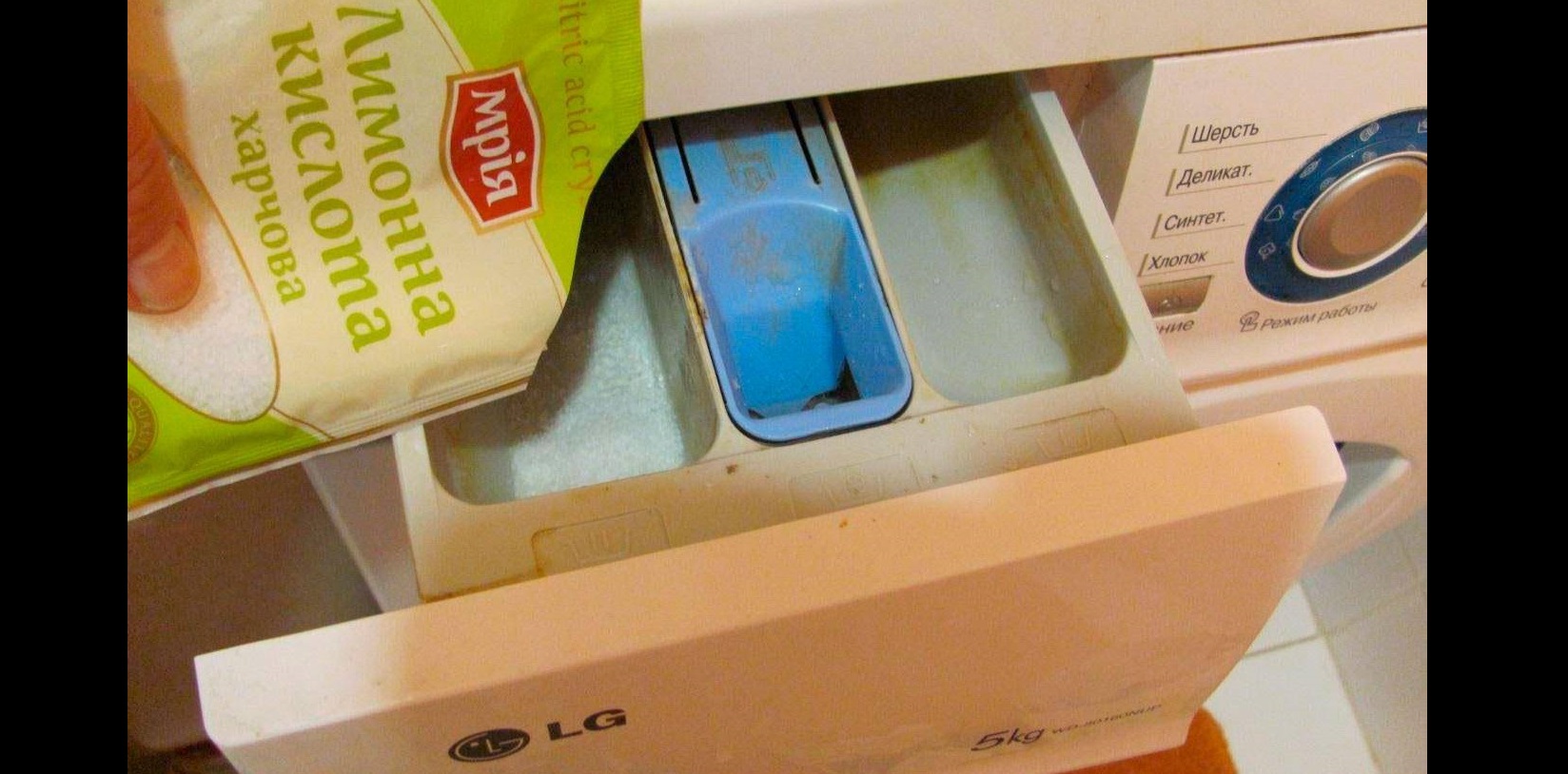
- take 150-250 g of citric acid or a proportionate amount of freshly squeezed citrus juice without dyes and preservatives;
- mix with 100 g of baking soda;
- connect the machine to the power supply;
- make sure the drum is empty;
- activate any mode with heating at 90 degrees;
- wait until the washing machine fills the drum;
- pause the program;
- pour lemon juice into the dispenser;
- continue the cycle;
- after 15 minutes, stop washing and leave the machine for 1-1.5 hours;
- after 90 minutes continue the program;
- When switching to rinsing, mix citric acid with vinegar and pour the resulting solution into the central tray.
After the cycle is complete, repeat the rinse cycle and dry the machine. Also, check the cuff and drum of the washing machine – there may be pieces of scale stuck in the folds and holes.
Internal whitening treatment
Bleach is effective at removing dirt and mold. Chlorine is widely used not only for sanitizing rooms and bleaching clothes, but also for cleaning washing machines. In any case, it's important to remember four important points: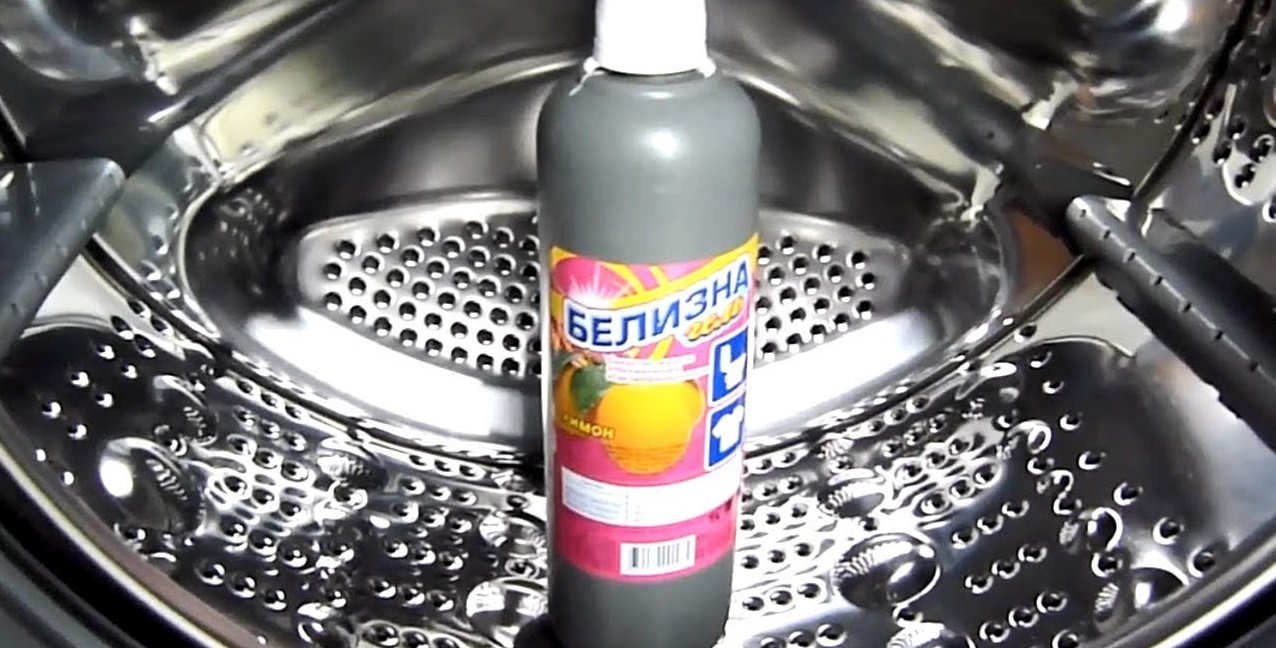
- You can only work with bleach wearing gloves;
- the product is effective only in cold water (when heated above 40 degrees, the liquid’s cleansing properties are lost);
- Bleach disinfects, kills fungus and cleans dirt, but does not dissolve scale;
- Avoid contact with bleach on clothing (the aggressive liquid will discolor the fabric).
When cleaning with bleach, use only cold water!
To clean the drum you will need about 200-250 ml of bleach. It is better to add the product with a delay: let the machine fill the tank, and then pour the bleach into the powder receiver. Next, it's best to turn off the machine and leave it for 5-7 minutes, allowing the bleach to cycle through all components. Then, restart the program.
When washing with bleach, the drum should be empty, and the temperature should be limited to 30-40 degrees Celsius. The washing machine should be sanitized no more than once every six months.
Interesting:


Readers' comments
Headings
Washing machine repair




For buyers




For users


Dishwasher




Add a comment