
How to turn on an Electrolux dishwasher and start the wash
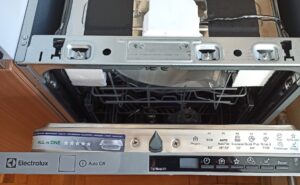 Buying a dishwasher for your family is always a joy, as it means you no longer have to spend dozens of hours a month on the tedious task of hand washing dishes. However, this doesn't mean you should immediately unload a mountain of dirty dishes and load them into the dishwasher. Before turning on your Electrolux dishwasher, you need to perform a number of preparatory steps to ensure it continues to function smoothly for years to come. Now we'll take a detailed look at all the procedures you need to complete before using your brand-new "home helper" for the first time.
First activation of Electrolux dishwasher
You can start the dishwasher only after you've carefully read the instructions or have figured out how to use it yourself. Be curious – look inside the wash chamber, examine the dish baskets, and learn about any additional features the manufacturer has added. Once you've completed your inspection, proceed to turning on the dishwasher, performing the initial setup, and performing a test wash.
- Connect the device to all utilities and open the water supply tap.
- Check that the impeller in the wash chamber is rotating properly, the debris filter is in place, and that there is nothing extra inside the unit other than the dish baskets, such as stickers, pieces of foam, or other debris.
- Now let's unpack the dishwasher starter kit, which usually includes special salt and dishwashing powder. If you can't find this kit in the store, don't worry, as you can purchase salt and regular dishwasher powder separately.
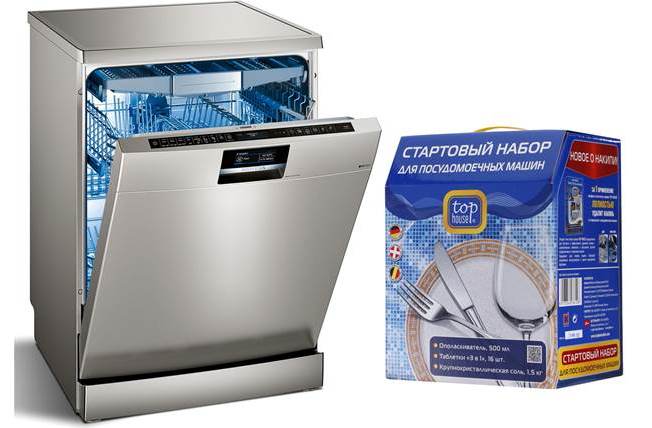
- First, add salt, which is needed to combat hard tap water. This special salt helps regenerate the resins in the ion exchanger, which softens poor-quality water. Locate the salt reservoir at the bottom of the wash chamber, add about a liter of water, and then add about a kilogram of salt.
Do not use regular table salt together with specialized dishwasher salt, as regular salt granules are much less effective in restoring the regenerative functions of the ion exchanger.
- Add the powder to the special compartment for detergents located on the door of the washing chamber.
- Now, turning on the dishwasher will be safe and proper. Select the longest cycle with the highest temperature and run it without dishes. This empty run helps clear the machine's system of dirt, oil, dust, and other contaminants that may have remained from the factory assembly.
Only after the idle cycle has completed and you have verified that everything is working properly, there is no water leakage, and the waste liquid is draining into the sewer, can you start the sink with dirty dishes. Wait until the device cools down and the moisture evaporates from the washing chamber, and you can begin a full wash.
Everyday use of the dishwasher
Once you've successfully completed this test, normal dishwasher use should be straightforward. For standard washing procedures, simply follow the instructions.
- Turn on the device and open the washing chamber door.
- Load dirty dishes into the upper and lower baskets.
- Make sure your dishwasher has enough special salt, detergent, and rinse aid to ensure your dishes are streak-free after washing.
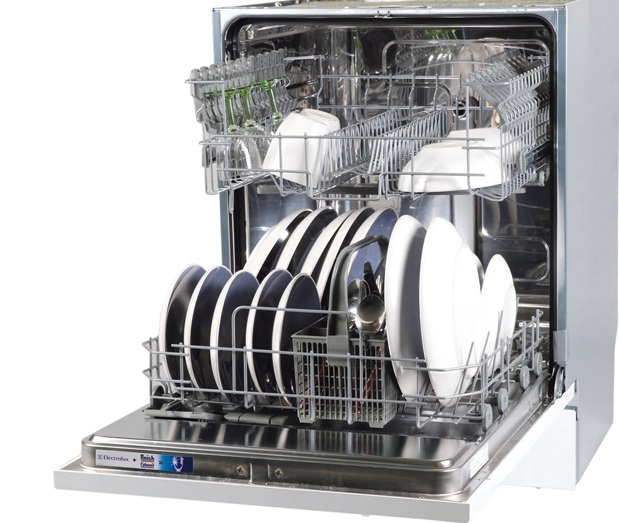
- We select the appropriate operating mode and start the cycle by closing the door.
- After finishing work, we wait 10 minutes for the dishes to cool down, and then we take out the utensils and leave the machine to air out.
Be sure to leave the door open for at least an hour to allow the water inside the dishwasher to evaporate and to prevent mold and unpleasant odors from forming inside the chamber.
The operating instructions consist of only five steps, so even a school-age child can operate the washer. It's much more difficult to follow the general list of recommendations that determine the machine's performance.
- If you've accumulated too many dishes, don't overcrowd the wash chamber, as this will negatively impact energy consumption and wash quality. In this situation, it's best to separate the dishes into two separate sinks.
- For the sake of washing quality, you should also not wash dirty and slightly soiled dishes together.
- Any dishes should be pre-cleaned of food residue, napkins, bones, tea bags, and other debris that could clog the waste filter.
- There should be at least a minimal gap between each piece of cutlery so that the water washes the dishes 100%, cleaning them from all sides.
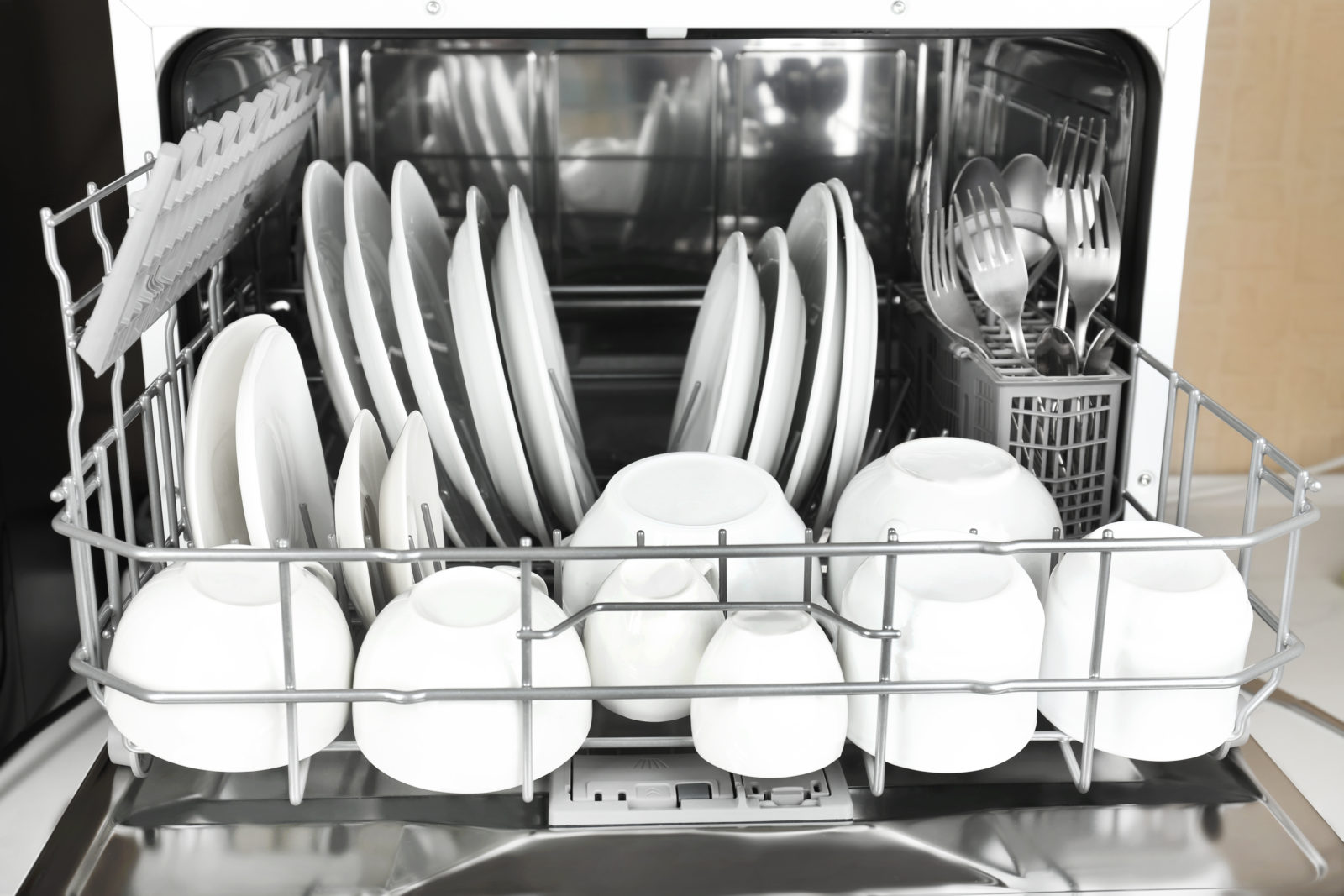
- Cutlery should not block the free rotation of the spray arms, and the spray arms themselves should not be clogged with dirt.
- The duty cycle should always be selected according to the level of soiling of the cutlery, as well as the type of dishes you are going to wash.
Ultimately, the additional recommendations are not very difficult to follow either. The most important thing is to ensure that the washing chamber is not overloaded, that items are not lying on top of each other, and that the spray arms can move freely inside the machine.
Which programs and features should you choose?
While the standard wash mode is truly universal and suitable for most situations, that doesn't mean it should be used all the time. Electrolux appliance manufacturers have ensured that users can not only conserve dishwasher power but also reduce electricity and water consumption, depending on the situation. To achieve this, always activate the appropriate wash mode, the main ones of which we'll list below.
- A quick wash is designed to quickly remove light stains. Typically, it takes less than 45 minutes.
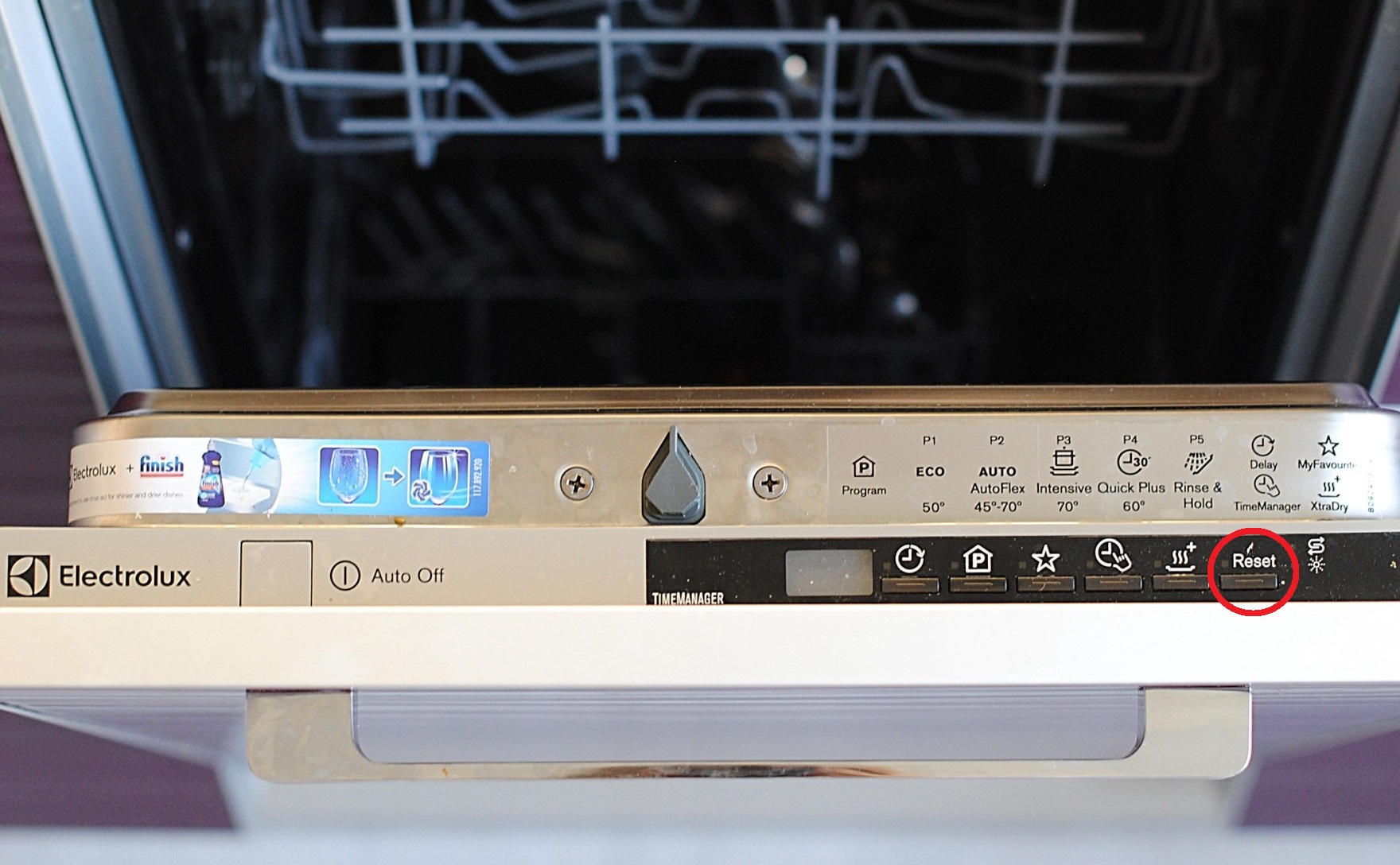
- Pre-rinse is ideal for situations where the user has a pile of dishes with burnt-on or dried-on food. This function replaces the traditional soaking process.
- Economy mode, suitable for lightly soiled dishes that can be easily washed, saving electricity and water.
- The intensive mode, on the other hand, is needed for the dirtiest dishes, for example, for pans and baking sheets covered in grease, which require a long cleaning in the hottest water possible.
What's so great about dishwashers is that they offer a variety of modes to suit every situation. The number and names of these modes may vary from one machine to another, but the basic principle remains the same. Choose your modes wisely, take good care of your dishwasher, and your dishes will always be clean.
Interesting:





Readers' comments
Headings
Washing machine repair




For buyers




For users


Dishwasher




Add a comment