
How to turn on a Hansa dishwasher and start the wash
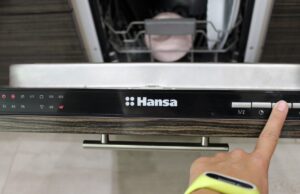 Despite its apparent simplicity, it's best to use your dishwasher only after thoroughly reading the official instructions. However, due to the sheer volume of information, the manual is rarely read in its entirety, and even less so is it memorized completely. To save you time, in this article, we'll cover the key aspects of using this useful appliance, from how to turn on your Hansa dishwasher to how to care for it.
Activation of Hans' PMM
Dishwashers themselves are simple devices, intuitive to operate, and Hansa appliances are almost as simple as those of any other manufacturer. Therefore, to start the dishwasher, simply:
- connect the dishwasher to the electricity and water supply;
- Check the water supply valve before starting;
- make sure there is enough special salt in the device;
- fill baskets with dirty dishes;
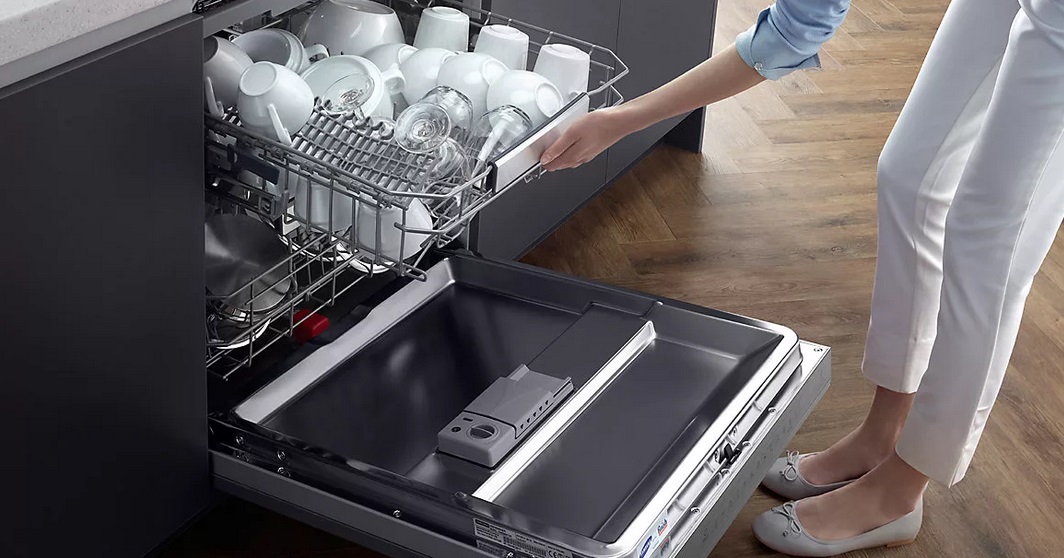
- add detergent and rinse aid;
- select the operating mode;
- Click on the "Start" button.
It's very convenient that if you forgot to add some dishes, or you urgently need to change the washing mode, you can do this without canceling the current work cycle. If the machine has not yet started to rinse the detergent from the compartment, you can simply open the door and wait until the Hansa dishwasher stops working on its own. When this happens, add more cutlery or change the wash cycle, then close the door again. After a while, the machine will resume operation as if nothing had happened.
Set of PMM program Hans
A very important step when starting a dishwasher is selecting a program. This affects the quality and duration of the cycle, as well as the dishes that can or cannot be washed in a given setting. The most common programs found in dishwashers are:
- Classic mode, suitable for moderately soiled dishes without stuck-on grease and dirt;
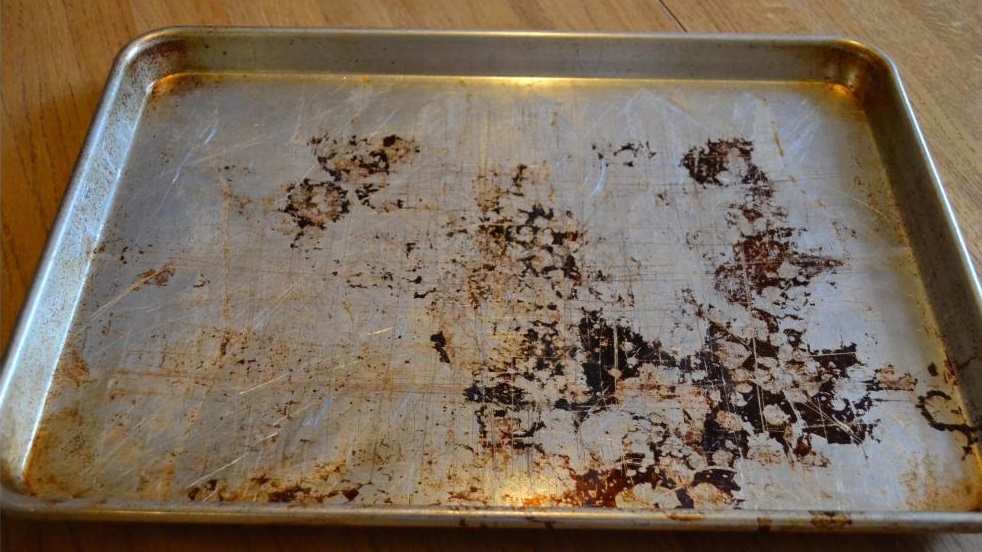
- Intensive mode, needed for situations when it is important to wash the dirtiest cutlery with caked-on grease or burnt-on food;
- A delicate program that is included for glasses and fragile goblets;
- A quick mode called “hour”, designed for light dirt, and in which there is no drying of dishes after washing;
- Soaking, an additional function before the main wash to rinse heavily soiled items;
- An eco-friendly sink suitable for crystal, porcelain, and other fragile dishes that require gentle care.
You can review the list of all operating modes and additional options before purchasing a dishwasher by consulting with the seller. Be sure to ask about all the features, as the set varies significantly between models.
Where to put the dishes?
Every dishwasher has several baskets for dirty dishes, and it's important to arrange your cutlery correctly. Before starting the dishwasher, review the recommended arrangement guidelines.
- Only small items should be loaded into the top basket, such as glasses, cups, saucers, small salad bowls, forks, spoons, and lightly soiled dishes.
- The lower basket is needed for dirty large dishes, for example, frying pans, baking sheets, pots, lids, large plates, etc.
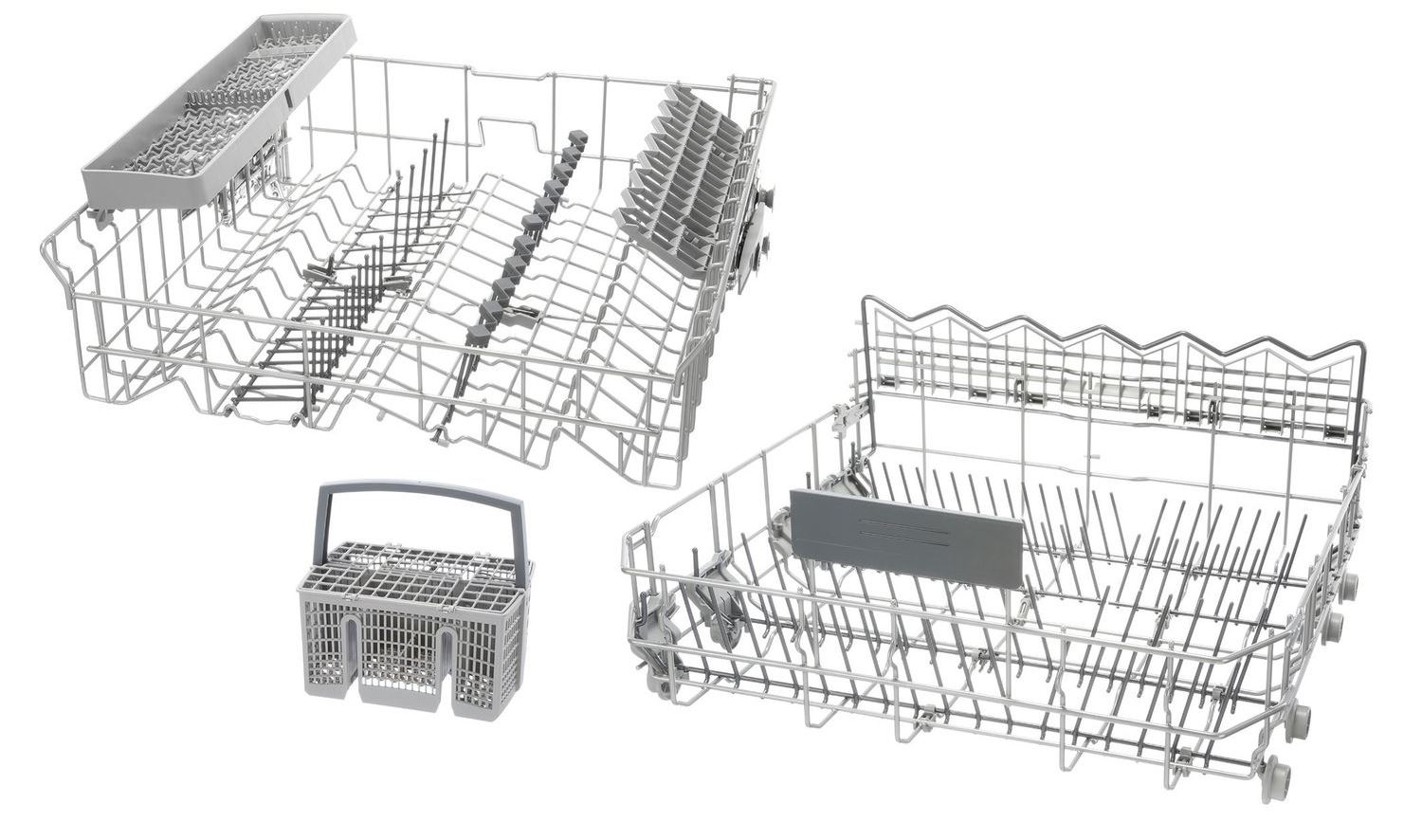
- If your model has an additional tray, then this is where you should place knives, skimmers, and other cutlery.
- Any deep container should be placed upside down so that water does not stagnate inside, but flows down.
- Any dishes should be carefully placed so that there is a small gap between them for water circulation, and the items themselves do not interfere with the operation of the sprinklers.
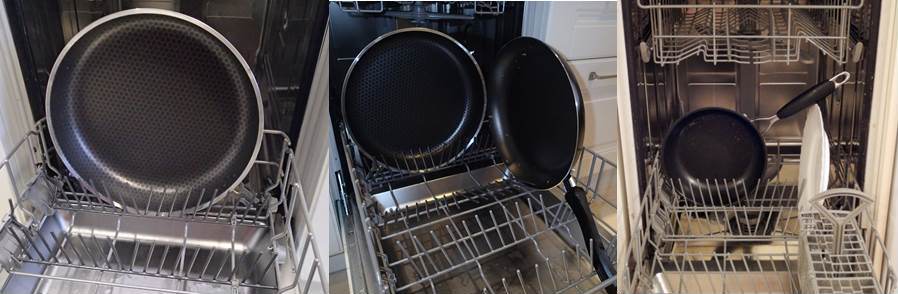
- Do not wash items made of wood, tin, copper, or plastic utensils in the dishwasher, as they may melt due to high temperatures.
Before each wash, be sure to clean off any food residue, napkins, bones, and other debris from your dishes to prevent them from clogging the appliance's dust filter.
Follow the professional's advice on arranging dishes carefully to ensure you'll always be happy with the results of your wash.
Salt and other means
Another crucial step is adding salt and other special detergents. Special salt should be added to the salt reservoir located at the bottom of the wash chamber. To do this, open the reservoir lid, add about a liter of water, and then about a kilogram of salt. Then, adjust the dishwasher's hardness setting to determine the salt consumption. This setting should be adjusted according to the hardness of your tap water, which can be found on the city water utility's website.
Use only high-quality dishwasher salt, as it is specially formulated to restore the ion exchanger that softens hard water.
All that's left to do is add detergent, which can be powder, gel, tablet, or capsule, as well as rinse aid to ensure streak-free dishes after washing. All these household chemicals should be loaded into special compartments located on the dishwasher door.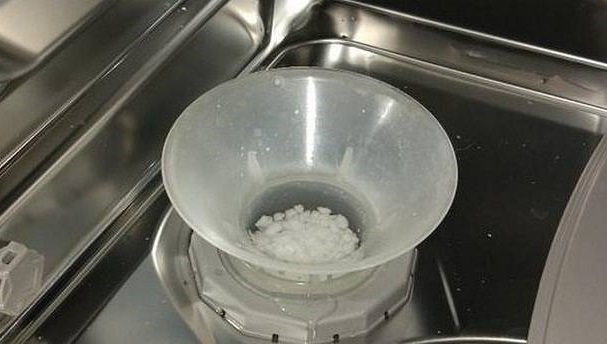
Mandatory care of the PMM
After the cycle is complete, leave the door open for a few hours to allow all the water in the wash chamber to evaporate and prevent the formation of unpleasant odors and mold. After use, wipe the dishwasher with a dry cloth to remove any remaining moisture. Pay attention to the rubber door seals—they often trap dirt and food debris and need to be removed. Additionally, it is worth taking out the debris filter and rinsing it under a powerful stream of hot water.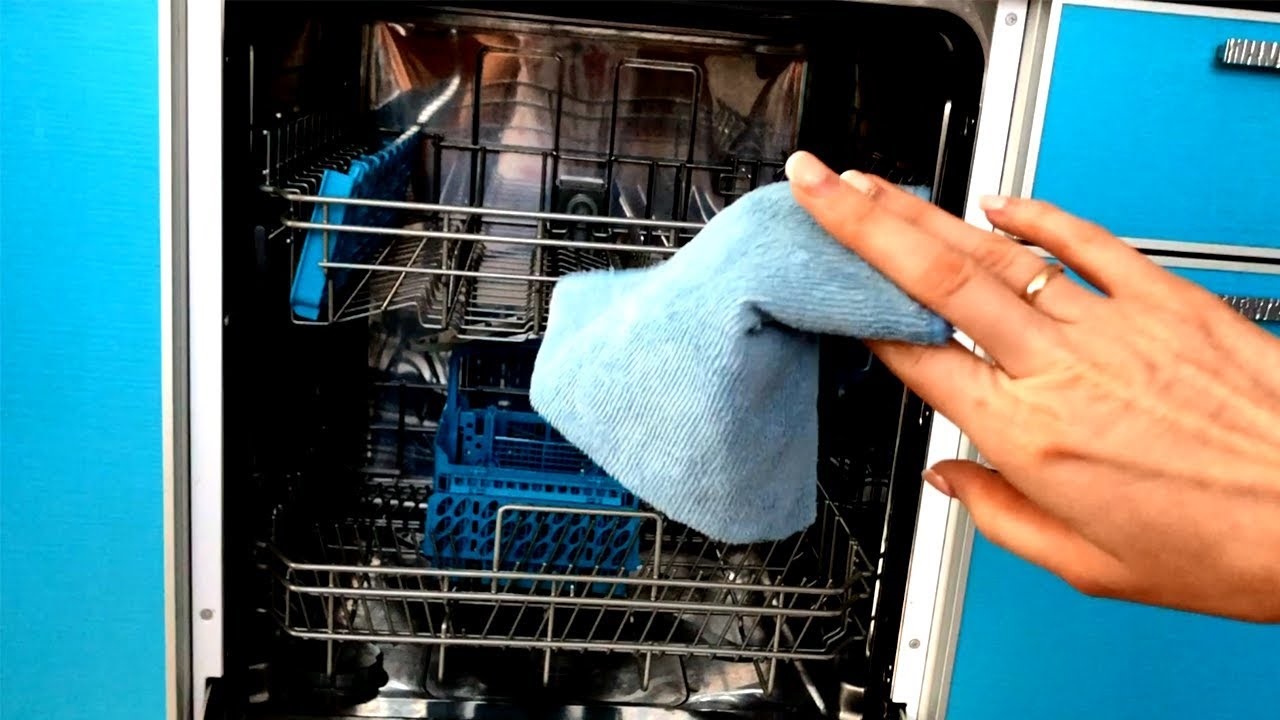
About once a quarter, you can buy a cleaner and run it through an empty cycle to flush out dirt and debris from the inside of the machine. Finally, once a year, it's worth giving the machine a full inspection—spinning the pump impeller, lubricating the part, and cleaning it of debris. Only after all these procedures can you be sure the machine will serve you well for many years to come.
Interesting:





Readers' comments
Headings
Washing machine repair




For buyers




For users


Dishwasher




Add a comment