
How to turn on a Midea dishwasher and start the wash
 Before turning on your Midea dishwasher, it's important to read the instructions. The user manual details all the details of operating the appliance. If you start your "home helper" incorrectly, you could run into problems, including damage. Let's look at how to properly set up your dishwasher.
Before using your dishwasher for the first time
When you buy a new dishwasher, read the instructions. Each manufacturer has its own recommendations for starting up the appliance. There are many nuances, so don't neglect to read the user manual.
You can find instructions for your Midea dishwasher model online.
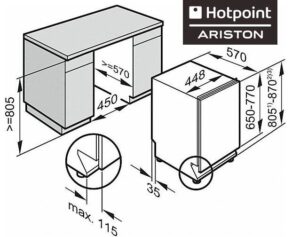
It's best to hire a professional to connect the dishwasher to the plumbing. They'll connect the dishwasher to the water supply and sewer lines, level it, install it into the cabinetry, and hang the front panel. If you install the dishwasher yourself, the store may void the warranty for certain defects.
Before using the dishwasher for the first time, you will need to:
- find out the hardness of tap water in your region;
- adjust the dishwasher softener;
- fill the machine's reservoir with special regenerating salt;
- add detergent to the dispenser.
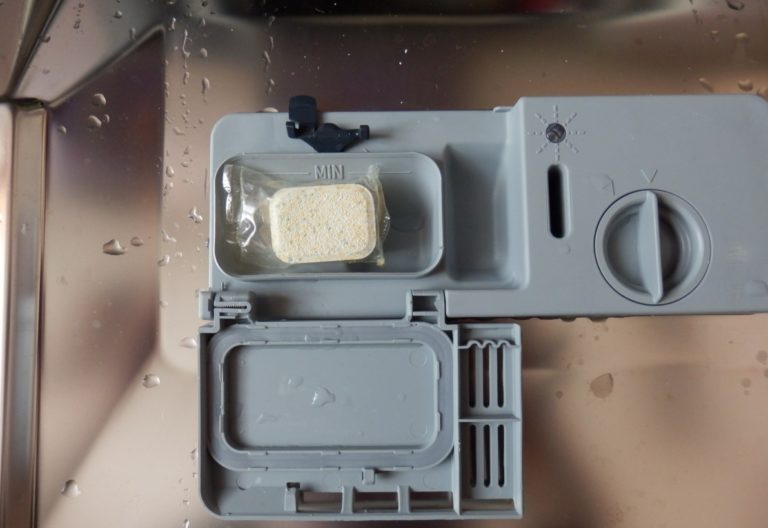
The first time the machine is started, it is empty, without any dishes in the chamber. The test cycle is needed to clean the dishwasher from factory dirt from the inside. A test wash is also necessary to observe the operation of the device, check for leaks, and whether water is being drawn in and heated.
You need to adjust the softener, add salt and load the detergent before the first test run, which will take place without dishes in the chamber.
The water softener is manually adjusted based on the local water hardness level. This level can be measured with special test strips or by calling your local water utility.
The softener setting will determine the consumption of regenerating salt. The higher the water hardness, the more granules will be needed to soften the water. Full information on how to adjust the ion exchanger is provided in the Midea dishwasher manual. The procedure is as follows: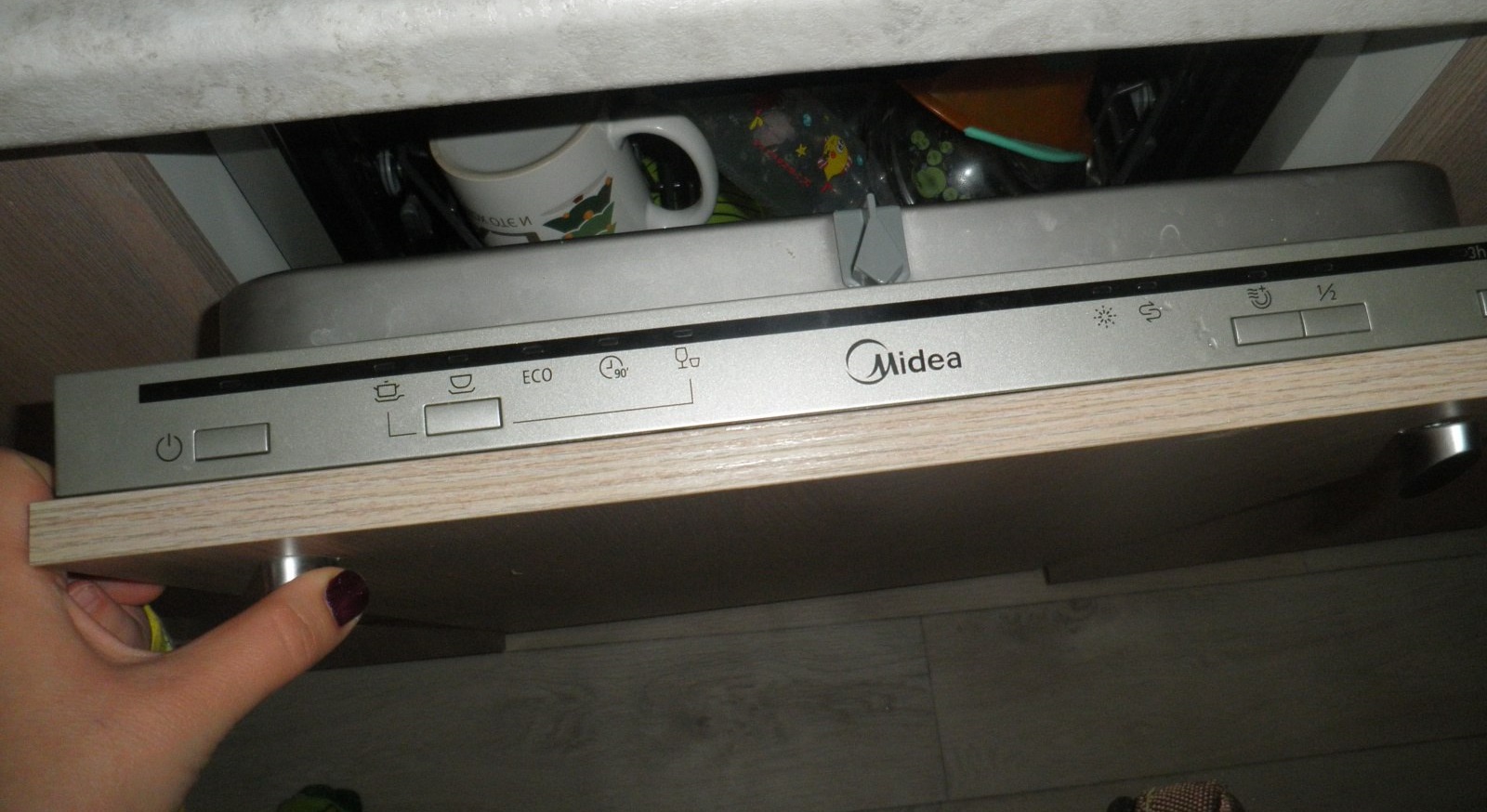
- turn on the dishwasher;
- Press and hold the Start/Pause button for 5-7 seconds to start the softener setup mode;
- Press the “Start/Pause” button to select the softener level, it changes in the following sequence: H1-H2-H3-H4-H5-H6;
- Complete the setup by pressing the On/Off button.
Next, you need to add salt to the dishwasher. This should be done immediately before using the dishwasher for the first time, so that any salt water spilled doesn't sit at the bottom of the washing chamber for too long. The procedure is as follows:
- open the dishwasher door;
- remove the lower dish basket;
- unscrew the lid of the salt container (located at the bottom of the washing chamber);
- Using a funnel (supplied with the Midea dishwasher), fill the tray with salt (you need to add about one and a half kilograms of crystals);
- fill the tank with water to the top (a little liquid will leak out of the container – this is normal);
- screw the tank cap clockwise;
- Make sure the salt indicator on the control panel is off.
The detergent dispenser is located on the dishwasher door. You should use tablets, powders or gels designed specifically for PMM. Products intended for hand washing are not suitable - they foam too much and can cause damage to the machine.
Each user chooses their detergent form based on their preferences. Tablets are easier to dose, but they are not suitable for short cycles and are more expensive. Powders or gels dissolve quickly, making them ideal for shorter cycles.
The rinse aid dispenser is also located on the dishwasher door. This rinse aid prevents streaks on dishes and speeds up the drying time of cutlery. Before starting the wash, fill the dispenser to the indicated level. The reservoir holds approximately 110 ml of liquid.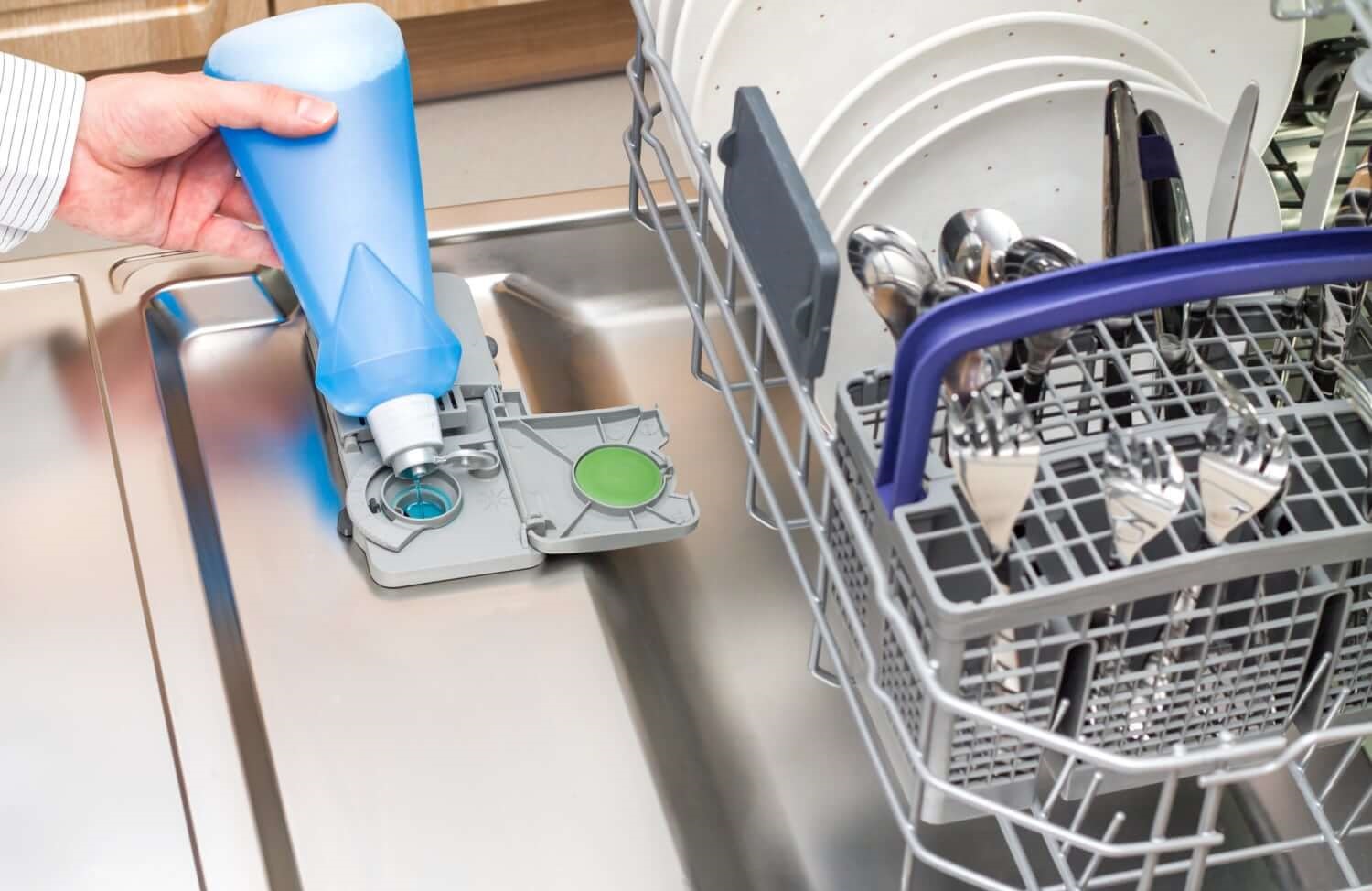
After loading all your detergent into the dishwasher, you can run an empty test cycle. A short program with water heated to 40-50 degrees Celsius is suitable for this. Observe how the machine operates, checking for leaks or other problems. If all goes well, you can begin cleaning your dirty dishes.
Correct loading of baskets
Wash results depend greatly on how well the dishes are arranged in the baskets. Midea dishwasher manufacturer provides recommendations for loading cutlery in the dishwasher's instructions. Failure to follow these guidelines will result in poor cycle performance.
The manufacturer provides the following recommendations in the instructions:
- Kitchen utensils loaded into the appliance must be labelled as dishwasher safe;
- use only high-quality, “soft” household chemicals developed specifically for dishwashers;
- select the washing program and temperature regime in accordance with the degree of contamination of the dishes and the material they are made of;
- For individual kitchen utensils, select the lowest possible washing temperature;
- Do not remove fragile items from the machine immediately after the program has finished – allow the items to cool and dry.
The following items cannot be washed in a Midea dishwasher: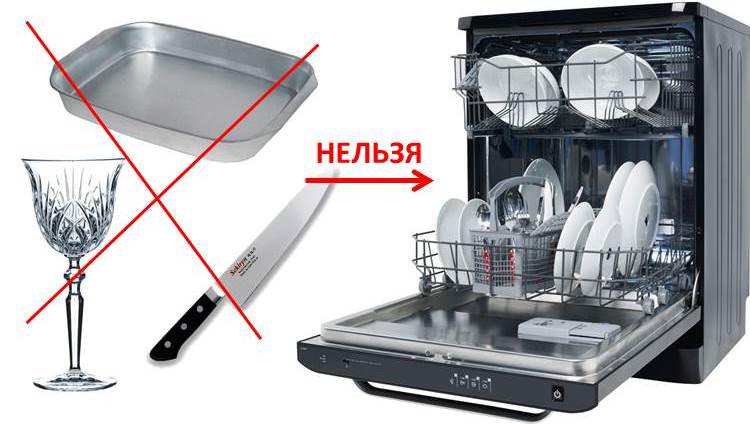
- products with wooden, mother-of-pearl and porcelain handles;
- dishes made of non-heat-resistant plastic;
- tin and copper utensils;
- cracked or glued dishes;
- corroded steel instruments;
- kitchen utensils made of wood;
- dishes made of synthetic fibers.
The manufacturer classifies the following items as having limited suitability for cleaning in a dishwasher:
- glassware that may become tarnished;
- silver and aluminum utensils (they fade when washed);
- products with glazed designs (images may fade).
Before loading dishes into the appliance, be sure to scrape off any large food particles.
It's a good idea to first pour hot water over burnt-on dishes. This will help the dishwasher better remove stubborn stains. If your dishwasher has a "Soak" program, you don't need to do this.
The instructions also provide recommendations for arranging kitchen utensils in baskets:
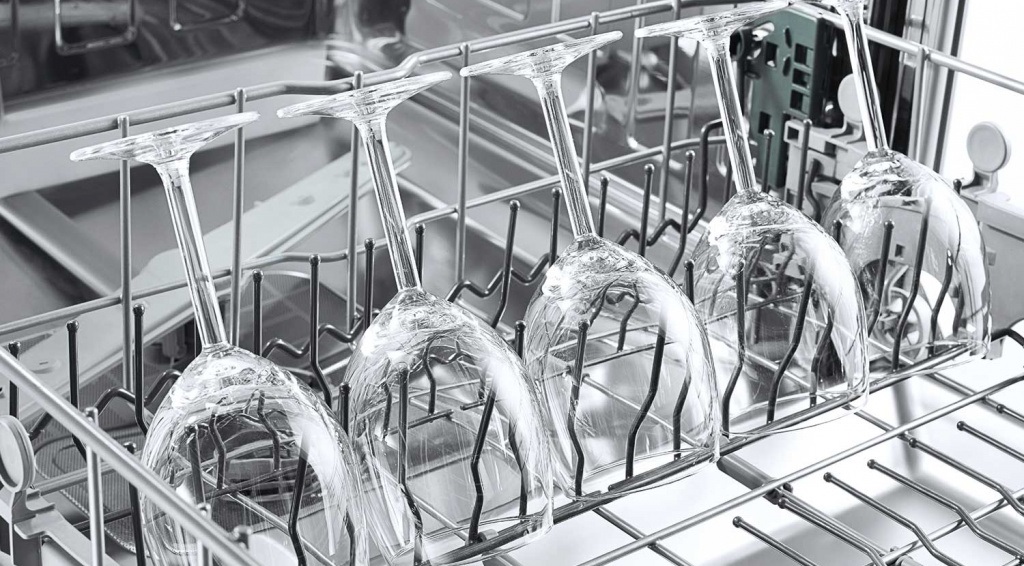
- Place deep dishes (salad bowls, mugs, glasses, pots, saucepans) upside down so that water does not stagnate inside;
- Place items with curves and indentations at an angle so that water flows out of the recesses;
- the dishes must stand securely in the boxes so that they do not tip over during the washing process;
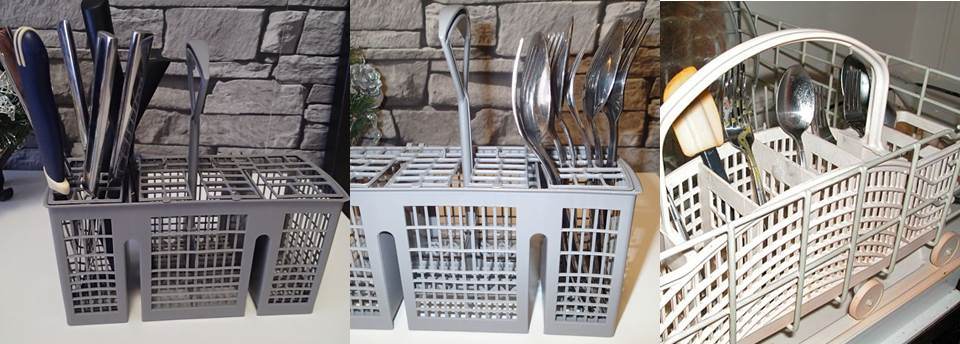
- Make sure that the dishes do not block the rotation of the dishwasher's spray arms and spray arms;
- Do not place too small cutlery in the baskets - they may fall out of the trays;
- Do not stack appliances on top of each other or on top of other objects;
- Make sure that the glasses do not touch each other, otherwise they may break;
- Place large dishes (serving plates, pots, pans, saucepans, lids) in the lower basket, and small dishes (saucers, cups, mugs) in the upper basket;
- do not place knives vertically, they should be placed horizontally in the top basket;
- Do not overload the dishwasher – this can lead to increased energy consumption, reduced cleaning quality, and equipment failure.
Serving plates are placed in the bottom basket, with the inside facing the center. The larger the item, the closer to the edge it should be placed. It is essential to leave a gap between the items so that water can wash them from all sides.
When the machine finishes the cycle, open the door and wait 5-10 minutes before removing the dishes. This will allow the items to cool and dry. Unload the lower basket first, then the upper one.
Small kitchen utensils (ladles, spatulas, garlic presses, rolling pins) are placed horizontally in the upper basket. Baking sheets should be washed in the lower basket, placed on their sides rather than upside down. Otherwise, water circulation in the chamber will be disrupted.
Adjusting the baskets
Midea dishwashers feature an adjustable upper basket. This may be necessary if you need to load large items. To adjust the basket position, position the wheels at different heights on the guides.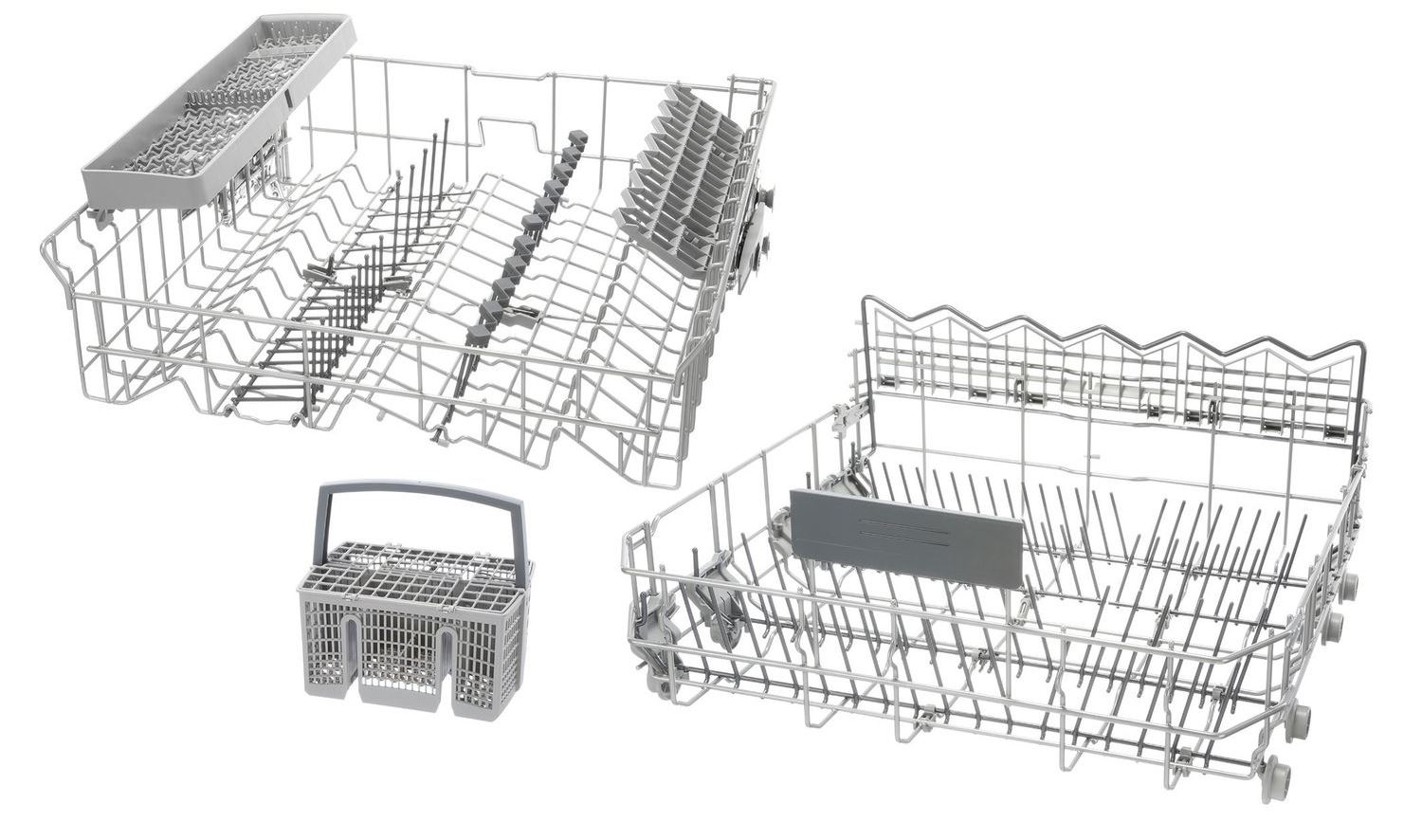
The lower basket's holders are removable. This is convenient when loading pots, saucepans, and baking sheets. This keeps the bottom level and increases the capacity of the tray.
Turning on the device, starting and changing the program
After a successful test cycle, you can run a full wash. To do this, load the dishes into the baskets, plug in the machine, and add detergent to the dispenser. Let's take a look at each step.
In the instructions, the manufacturer describes the algorithm for turning on the dishwasher as follows:
- open the door, remove the lower and upper baskets;
- First, arrange the dishes in the lower basket, then in the upper one;
- Load the detergent into the dispenser;
- insert the machine's power plug into the socket;
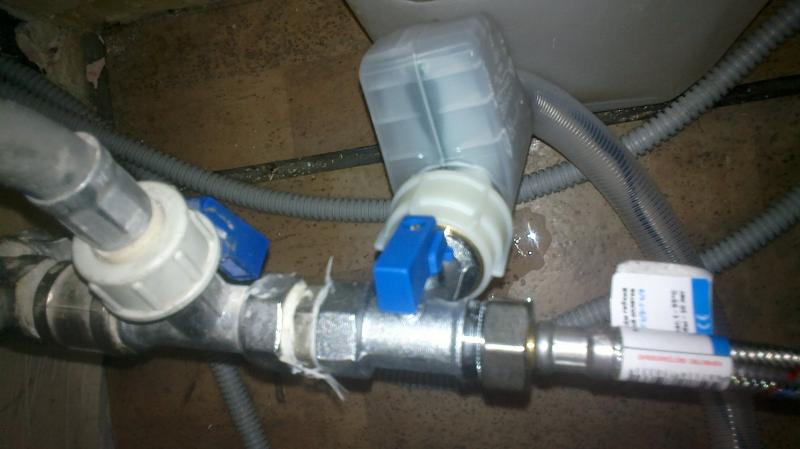
- Make sure the tap that supplies water to the dishwasher is open;
- close the dishwasher door;
- press the power button;
- Use the program selection button to select the appropriate mode. The sequence of algorithms is as follows: "Eco", "90 minutes", "Express", "Intensive", "Eco";
- Press the Start/Pause key.
The dishwasher will then begin washing. If the dishwasher door is opened during the program, the cycle will stop. The program indicator will go out, and the appliance will emit a beep. You may need to open the door to reload forgotten dishes. After closing the door, the dishwasher will resume operation.
You can change the cycle once it's running, but only if the machine is running on a short program. You can also forcefully stop the cycle, reload the detergent, and restart the dishwasher.
To change the currently running mode, press the "Start/Pause" button. Then hold down the program selection button for 3 seconds. You can then change the mode to your desired one.
Your Midea dishwasher will sound a beep when it's finished. Don't empty the racks immediately—let the dishes cool and dry. Remove items from the lower rack first, then from the upper rack.
After unloading the dishwasher, clean its filter of any food particles. This is recommended after each use. Wipe the walls of the dishwasher dry, and leave the door slightly open for ventilation.
Interesting:




Readers' comments
Headings
Washing machine repair




For buyers




For users


Dishwasher




Add a comment