
How to turn on a Siemens dishwasher and start the wash
 Starting a dishwasher is a no-brainer for those who have already used this useful appliance. For anyone who's just purchased a new dishwasher, the question of how to turn on a Siemens dishwasher is more pressing than ever. Of course, starting the dishwasher isn't difficult—just plug it in and press the "Start" button on the control panel. The challenges, however, begin when you need to prepare the machine for use, load it with detergent, add dishes, and select a wash cycle. We'll cover all these steps in detail to ensure novice users have no questions left.
Dishwashing detergents
Immediately after purchasing a dishwasher, you should carefully read the user manual, which will answer all your questions. This document describes in detail not only how to connect your dishwasher and perform initial setup, but even the intricacies of arranging dishes and operating tips. Losing the manual is unfortunate, but far from critical, as we'll cover all these important details in this article.
The first cycle of the dishwasher should always be carried out without any dishes in the washing chamber. This type of idle run is necessary to clean the inside of the equipment from dirt and dust that may have gotten into the device during assembly at the factory and long-term storage in the warehouse. In addition, this is a chance to evaluate the device’s functionality, as well as the correct connection to all communications.
Even if there are no dishes during the test wash, detergents should still be loaded into the machine.
A dishwasher can't function properly without a whole host of specialized household chemicals. Here's a list of the products you should add before using the machine, and then carefully monitor to make sure you don't run out:
- Specialized salt;
- Detergent in the form of powder, gel or tablet;
- Rinse aid.
Therefore, before running the dishwasher without dishes, you need to load salt granules into a special bin, adjust the dishwasher's hardness level, and add detergent and rinse aid. Let's start with the ion exchanger and salt.
- Find out the hardness level of your tap water. You can do this using test strips or simply by checking the official website of your city water utility, which is required to post up-to-date information.
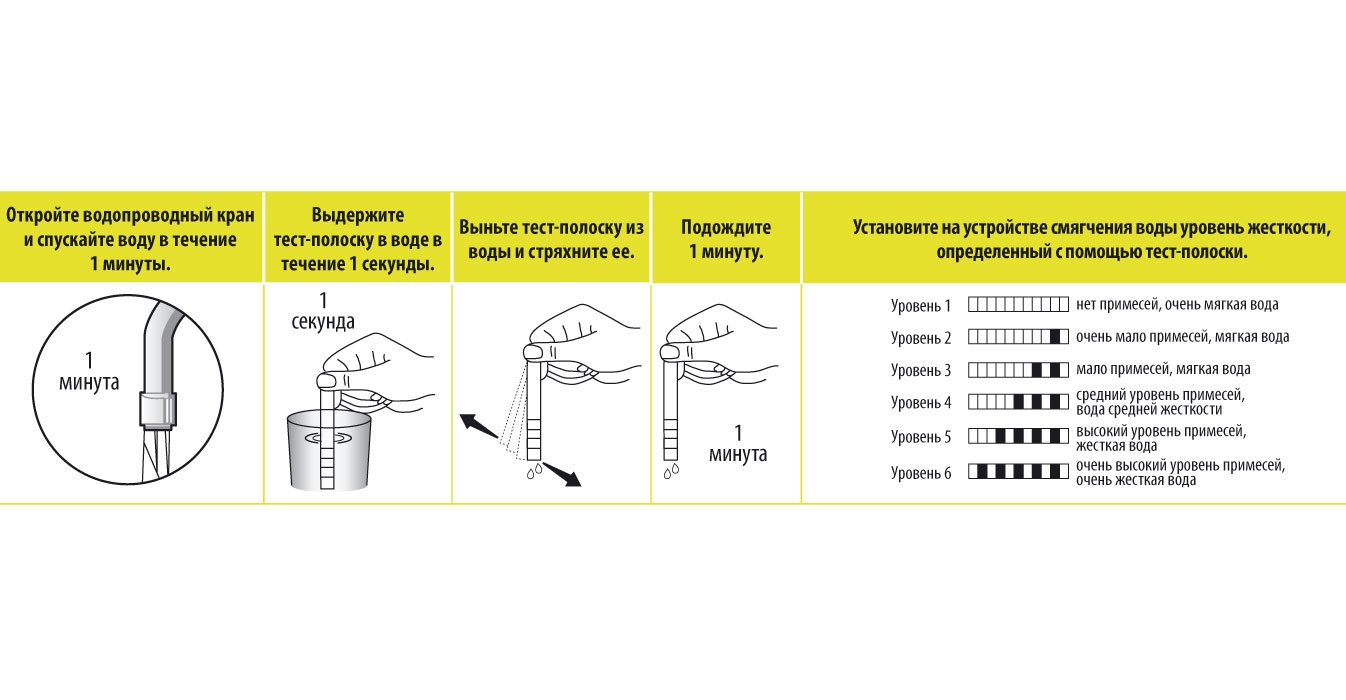
- Set the water hardness level on your washing machine according to your tap water. For example, if the test strip shows a water hardness level of 2, then the same level should be set on your Siemens dishwasher.
If you are lucky and the tap water hardness in your city is 1 or less, then you can avoid using salt altogether.
- To load salt into the salt reservoir, remove the bottom basket in the washing chamber, locate the large salt bin cap, and unscrew it. Pour about a liter of water into the compartment, then add about a kilogram of salt, depending on the size of your salt reservoir, and then tighten the cap tightly.
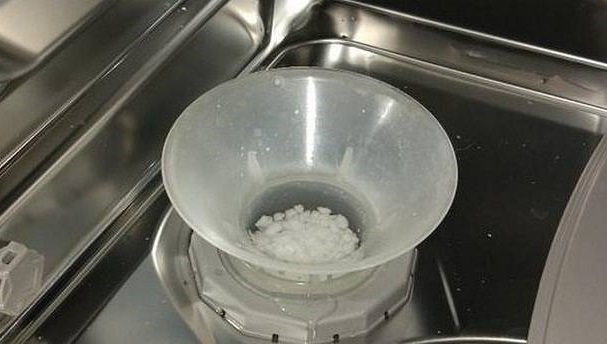
- Immediately after creating the salt solution, quickly run an empty cycle to prevent salt water from damaging the dishwasher's internal components. This is also true if salt accidentally spills on the bottom of the wash chamber.
If you don't want to ruin your brand-new appliance, avoid using regular hand-washing detergents or regular table salt, as it's finer and dirtier than special salt, meaning it won't restore the ion exchanger's functions as effectively.
Even if you've spilled a little salt, don't rush a test run, as you first need to add detergent to the special compartments on the dishwasher door. You'll find two containers on the door: one for the main wash, which can hold 20 grams of detergent, and one for soaking, which holds about 5 grams. Be sure to close the compartment lid tightly after adding the detergent.
This completes the preparation for the test wash. After the test, you should add rinse aid, which helps remove streaks and speeds up drying. The rinse aid reservoir, which holds approximately 110 milliliters, is located in the same location as the detergent compartments. Additionally, adjust the dispenser, using the same water hardness settings as before. If there are drops of water remaining on the dishes after washing, try increasing the rinse aid dosage until the dishes are perfectly clean after the wash cycle.
We place dishes in baskets
The second step in the mandatory preparatory program for turning on the dishwasher is loading the dishes. It seems simple enough – just arrange the cutlery in the baskets and close the door. However, if you don't follow these basic rules for arranging dishes, you might end up with a pile of dirty dishes instead of crystal-clear ones, as if the dishwasher never even existed. First, pay attention to the list of items that cannot be washed in this appliance:
- Items with wooden, porcelain or mother-of-pearl inserts;
- Elements made of plastic without heat resistance;
- Tableware made of tin and copper;
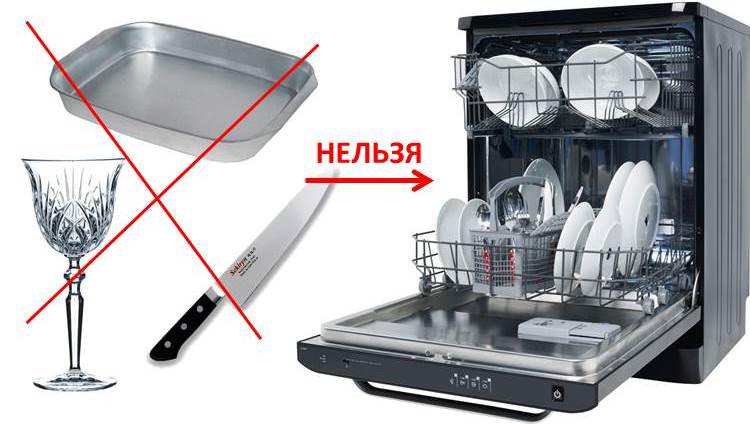
- Fragile glasses and crystal products;
- Wooden utensils;
- Products made of synthetic fiber.
Before starting the wash, be sure to remove all large food remains, bones, napkins, tea bags and other debris from the dishes to avoid clogging the dishwasher's debris filter.
Now that we've covered the basic restrictions, it's time to review the download recommendations. It's crucial to strictly follow all the following rules:
- Place all deep dishes upside down, and items with curves and indentations at an angle so that water does not accumulate inside, but flows away during the washing process;
- each piece of cutlery must stand securely in its place so that the stream of water does not knock it over;
- the dishes should not be piled up, no items should be stacked on top of each other, and no cutlery should touch or otherwise interfere with the movement of the spray arms;
- There must be a gap between each element so that water can circulate freely, washing the dishes from all sides;
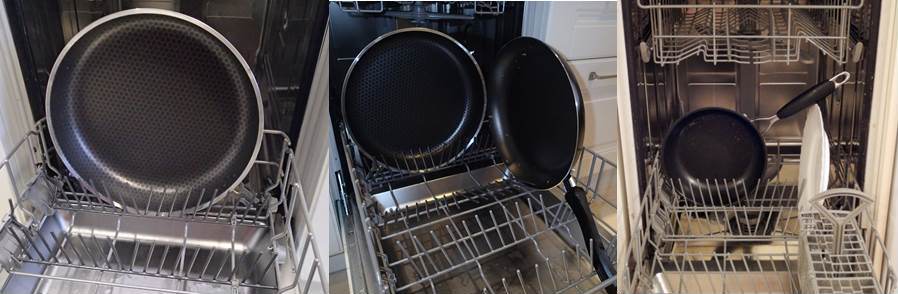
- The top basket should be used for small dishes, such as mugs, glasses, plates, saucers, plus sharp and long cutlery, which should be laid horizontally;
- Large tableware such as pots, pans, frying pans and lids are loaded into the lower basket;
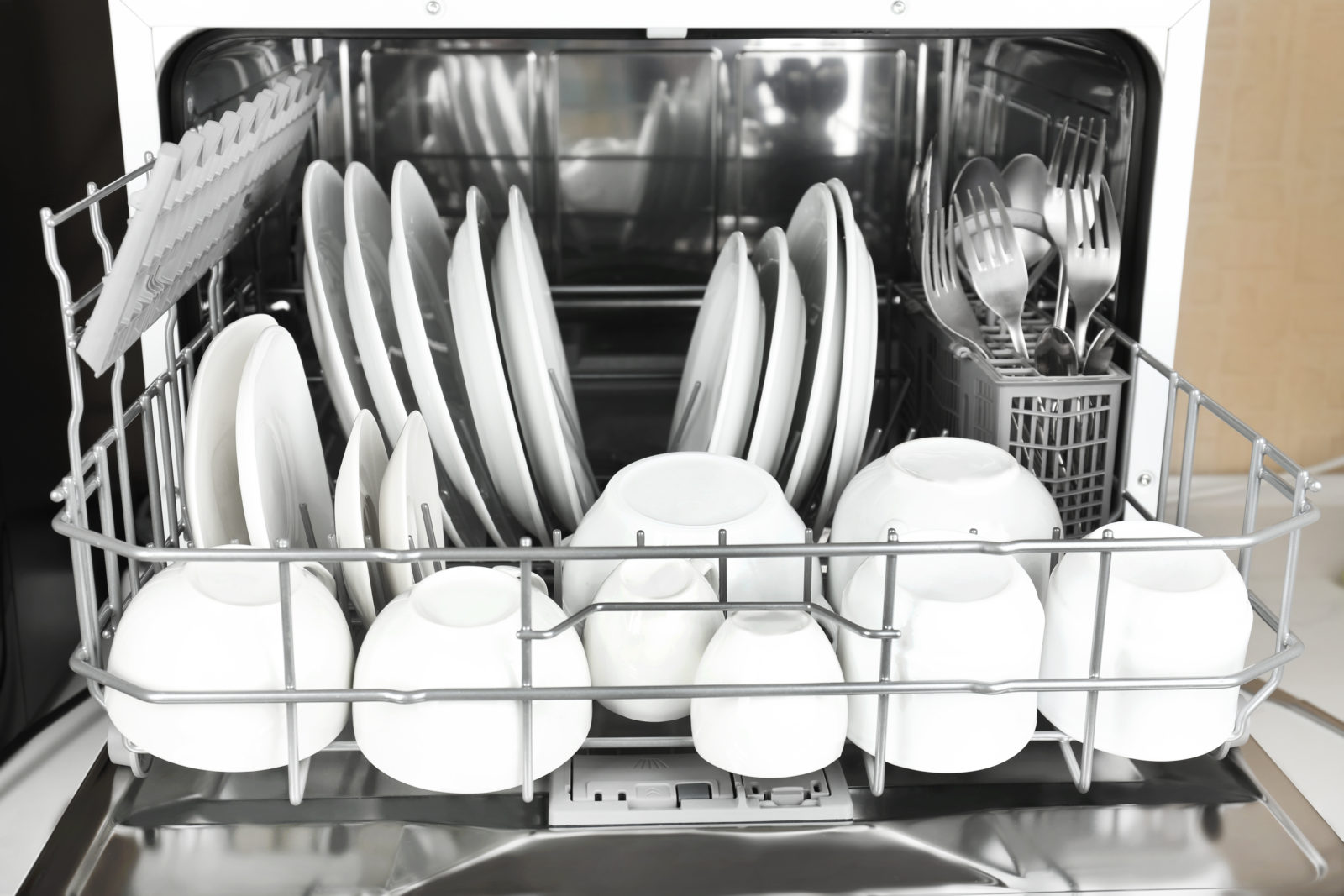
- spatulas, slotted spoons, as well as forks and spoons are placed in a special tray for cutlery;
- Place large items at the edges of the basket and smaller items closer to the center;
- plates should be placed with the inner side facing the center of the basket;
- Never overload the dishwasher with a mountain of dishes, as this will not only affect the washing quality but also increase energy consumption and the risk of breakdown. It's best to divide a large batch of dishes into several cycles.
- Do not load heavily soiled and lightly soiled dishes into the dishwasher at the same time.
If you don't have a lot of dishes, but they're all large and don't fit into the washing chamber, you can adjust the height of the upper basket and remove the glass holders to free up extra loading space.
Over the decades, numerous expert recommendations have accumulated regarding loading dishes, but all of them do affect the quality of the wash, so they should not be ignored.
Turn on the equipment
Finally, we get to the most interesting part – turning on the dishwasher for a full cycle. If there's enough detergent and the dishes are already loaded, you can open the door and press the power button. This activates the control panel, where you can select the desired operating mode, suitable for the specific dishes and the degree of soiling. Modern dishwashers offer a wide range of options.
- An intensive cycle suitable for the dirtiest dishes. This cycle will wash at temperatures ranging from 50 to 70 degrees Celsius for 165 minutes;
- The Classic cycle is suitable for moderately soiled cutlery. The wash temperature is 45-65 degrees Celsius, and the cycle lasts 175 minutes.
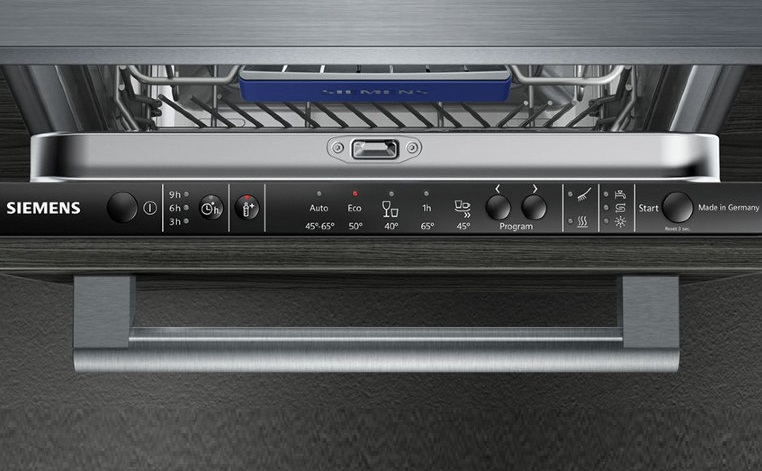
- Eco is the choice for lightly soiled dishes, saving on electricity and water. In 190 minutes, moderately soiled dishes will be washed to a sparkling shine using minimal resources.
- Glass is a special type for light contamination, therefore the temperature and duration are minimal - only 40 degrees and 125 minutes;
- The accelerated mode for barely noticeable dirt allows you to quickly clean all your cutlery in just half an hour.
Choose only modes that are 100% suitable for your dishes, as the accelerated mode won't remove burnt-on dirt, and intensive washing can damage fragile wine glasses and other delicate tableware.
The mode is selected using the corresponding button on the control panel. When you press the button, the corresponding indicator will light. You can then close the machine door to start the cycle. If you've misselected the mode and have already started the cycle, but not much time has passed, you can correct this as follows.
- Open the dishwasher door.
- Press and hold the program button for 3-5 seconds to put the machine into standby mode.
- Set the appropriate dishwashing type.
- Slam the door of the washing chamber.
You can add dishes to a dishwasher that's already started using a similar method. Simply open the dishwasher door slightly, wait until the water stops flowing, then fully open the door, add the dirty dishes to the baskets, and close the door tightly. Your Siemens dishwasher will then resume its cycle.
When the dishwasher is finished, it always plays a special sound to alert the user. Turn off the appliance and open the dishwasher door to allow the dishes to dry and cool slightly if you washed them in hot water. After just 10 minutes, all cutlery can be removed and the dishwasher left to dry with the door open. At this point the dishwasher's working cycle will be completed.
Interesting:




Readers' comments
Headings
Washing machine repair




For buyers




For users


Dishwasher




Add a comment