
How to turn on a Weissgauff dishwasher and start the wash
 Any dishwasher is designed to clean a mountain of dirty dishes in a matter of hours. However, if you use the appliance incorrectly, ignoring the manufacturer's instructions and expert recommendations, this lifespan can be significantly reduced. To prevent this, read our manual before turning on your Weissgauff dishwasher and using it actively.
Putting the PMM into operation
Equipment from the renowned Weissgauff brand is distinguished by its quality and ease of use. Therefore, starting a dishwasher is a breeze.
- Connect the device to all communications.
- Open the water supply valve.
- Add dirty dishes to the baskets.
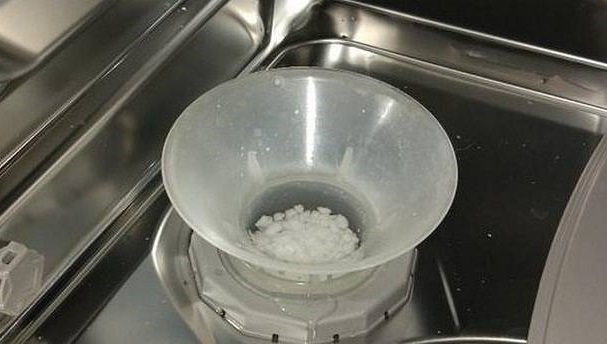
- Check that there is salt, detergent and rinse aid in the special compartments.
- Select a mode and start the wash.
If you forgot to add some dishes, or simply selected the wrong operating mode, then in the first minutes of the working cycle you can open the dishwasher door, load the remaining dishes, or change the mode, and then close the door again so that the machine continues washing.
Thus, each time you turn on the dishwasher, it takes no more than 5 minutes of your time.
Weissgauff PMM modes
The more expensive the device, the more additional features and settings it includes. The following programs are considered classic washing modes:
- A standard sink that is suitable for everyday use;
- Intensive washing is the choice for the dirtiest dishes, including those with burnt-on food and caked-on grease;
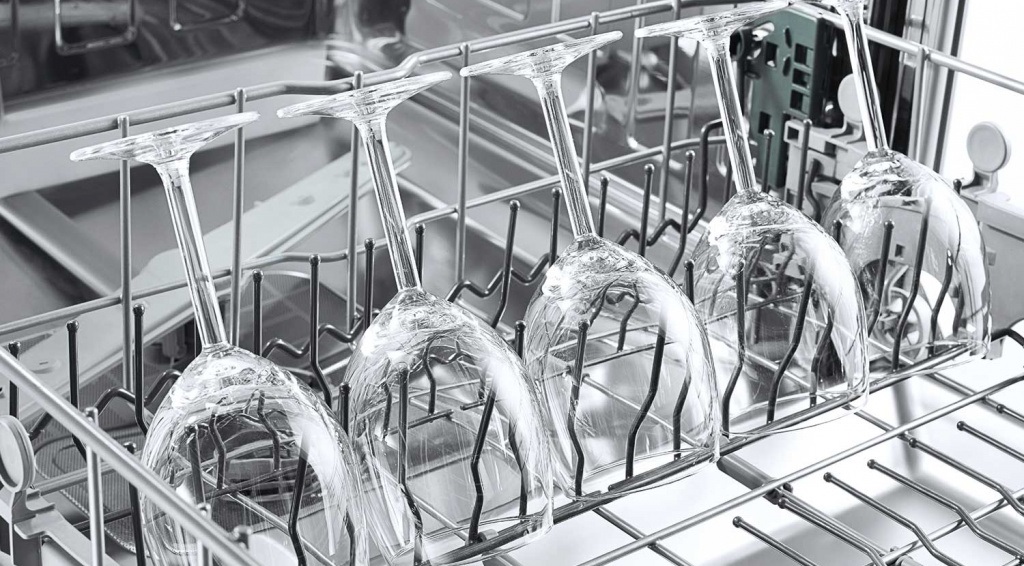
- A delicate wash is needed for fragile glasses that usually don’t have any serious dirt on them;
- “Hour” – a quick work cycle without drying to remove minimal dirt;
- Soaking is a preliminary procedure before the main working cycle, necessary for maximum contamination;
- The eco-wash was created for items made of fragile materials, such as porcelain and crystal.
Before purchasing a dishwasher, be sure to study its specifications and set of modes to eliminate unnecessary programs and avoid overpaying for them.
Where and how to place dirty items?
To start the dishwasher, you must first properly fill the dish racks. Most often, there are two – an upper and a lower one – but sometimes there is an additional compartment for small cutlery. How do you load them correctly?
- The upper basket is suitable for small and lightly soiled items, such as cups, small plates, saucers, and others.
- The lower basket is needed for large and heavily soiled items, such as pots, baking sheets and frying pans.
- Place all items so that there is free space between them for water circulation.
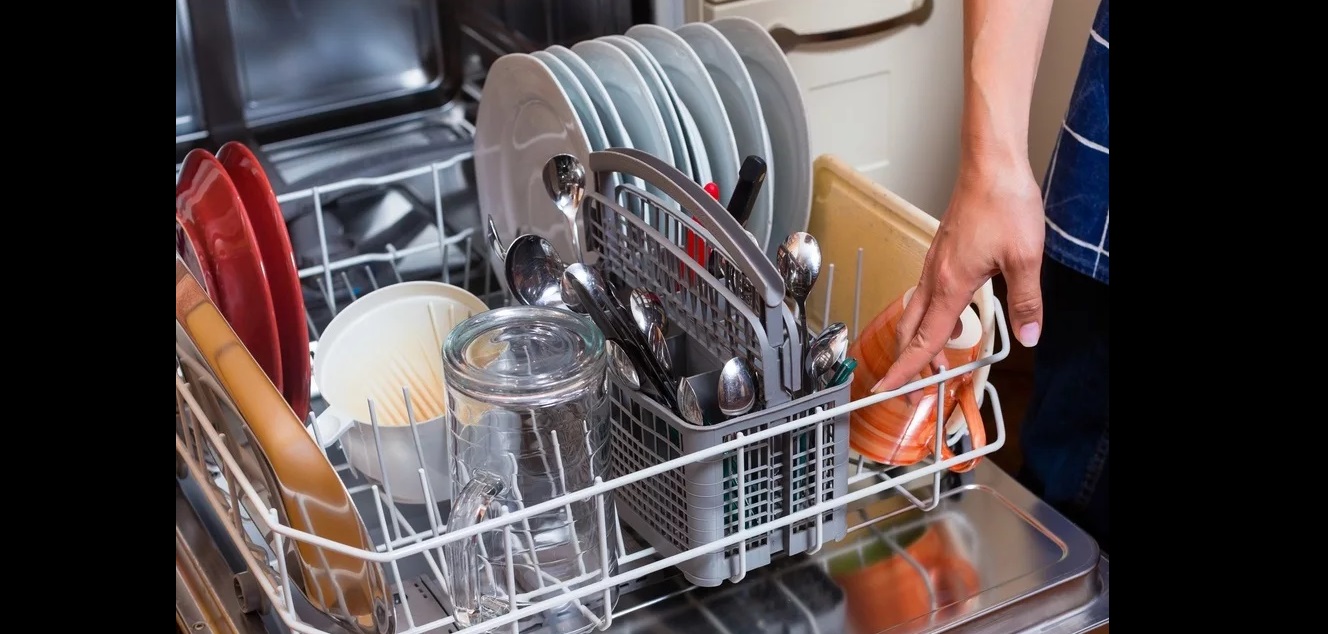
- Place deep items upside down so that water does not accumulate in them but drains away immediately.
- Make sure that dishes do not interfere with the free movement of the spray arms.
- Don't wash wood, pewter, or copper items in the dishwasher. Also, be very careful with crystal and porcelain; avoid touching each other to prevent cracks and chips.
By following all of these recommendations, you will never encounter a situation where dishes are left dirty and streaky after washing.
Products for PMM Weissgauff
Now that you've sorted out the proper arrangement of dishes, all that's left is to load the detergent. Three types of detergent are required for proper operation:
- special salt;
- detergent;
- rinse aid.
The first one should be added to combat hard tap water. If you live in a city with poor-quality water, you should find the salt bin at the bottom of the dishwasher's wash chamber, pour about a liter of water into it, and then add a kilogram of salt. It is recommended to use only a specialized product, as ordinary table salt is too fine and poorly purified, and therefore does not restore the regenerative properties of the ion exchanger that softens the water as well.
Water hardness data can be found on the official website of the city water utility, where company representatives are required to promptly publish information on the quality of tap water.
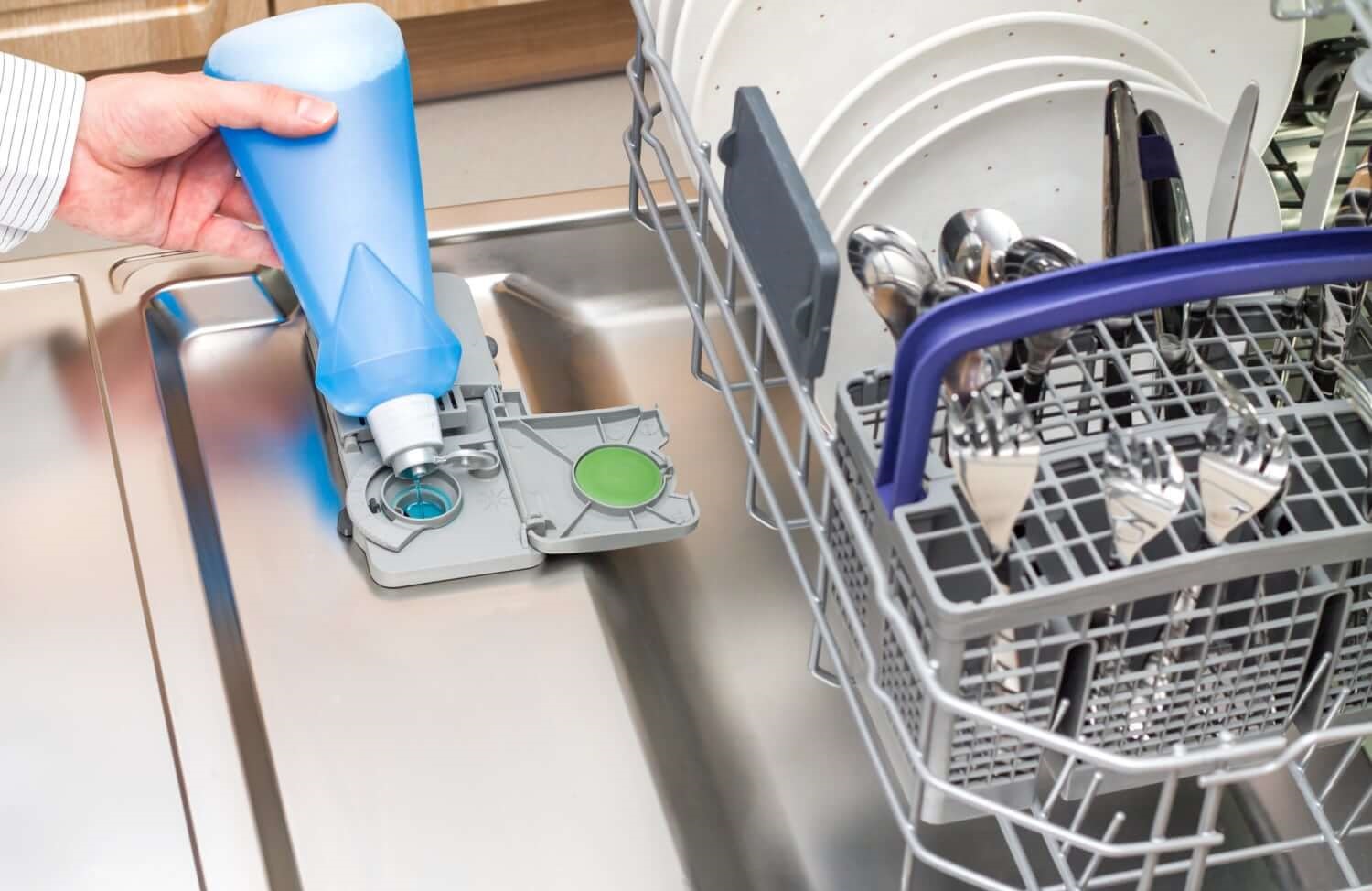
Now all that's left is detergent and rinse aid. The former comes in gel, powder, and tablet form, which has a greater impact on price and ease of use. Buy the type you prefer, but only those specifically designed for dishwashers, not hand washing. Rinse aid should be added to ensure your dishes shine brightly after each cycle. Place the detergent and rinse aid in separate compartments located on the machine door.
Prevention of PMM
Finally, let's look at the rules for caring for your "home helper." They're very easy to follow, and the positive effects exceed all expectations.
- After each cycle, leave the machine door open to prevent mold and odor formation.
- Always wipe the wash chamber dry with a dry cloth.
- Remove food debris and dirt from the dust filter and behind the rubber door seals. The former can be rinsed with tap water, while the latter can be wiped with a cloth.
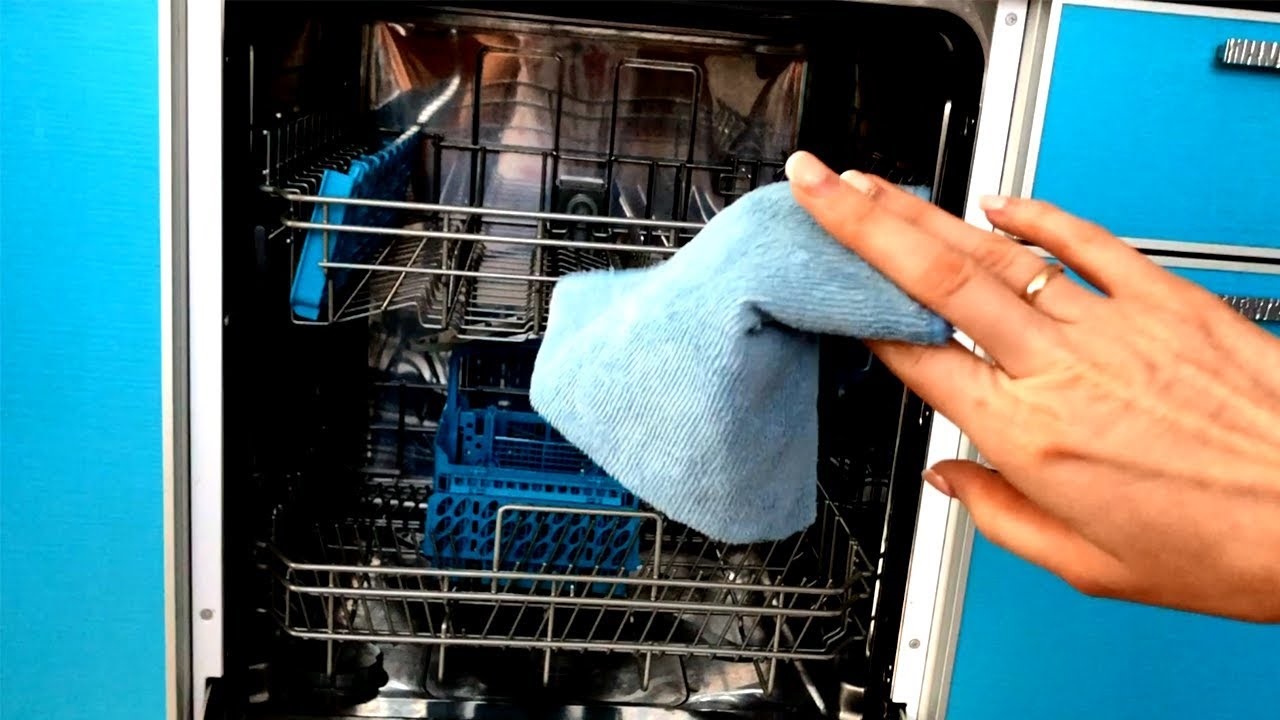
- Rinse the dish baskets and spray arms occasionally to keep them free of dirt.
- Once every three months, perform a dry run with the purchased cleaner – a special product that can remove any dirt and blockages from the most hard-to-reach places of the dishwasher.
This concludes our list of recommendations for turning on and using your dishwasher. Save this article so you don't lose important tips and always maintain your appliance perfectly.
Interesting:





Readers' comments
Headings
Washing machine repair




For buyers




For users


Dishwasher




Add a comment