
Turning on the clothes dryer
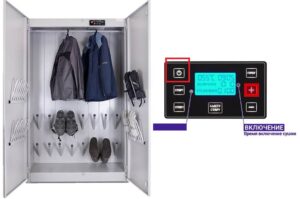 Although drying cabinets are a relatively new type of household appliance in our country, people are increasingly purchasing them. Unlike washing machines, they don't have a drum and are designed like a regular wardrobe. Many users have already appreciated their convenience.
Laundry inside the appliance is hung vertically or stored on shelves. It can accommodate not only clothes, but also shoes, hats, and bedding. We'll explain how to turn on a clothes dryer, how to activate the dryer, and how to care for this appliance.
We hang damp laundry inside the closet
After purchasing the drying cabinet, you need to prepare it for use. This includes leveling it, connecting it to the ventilation system (if necessary), and connecting it to a power outlet. Before using it for the first time, be sure to read the instructions for the equipment. The user manual outlines the basic recommendations and rules.
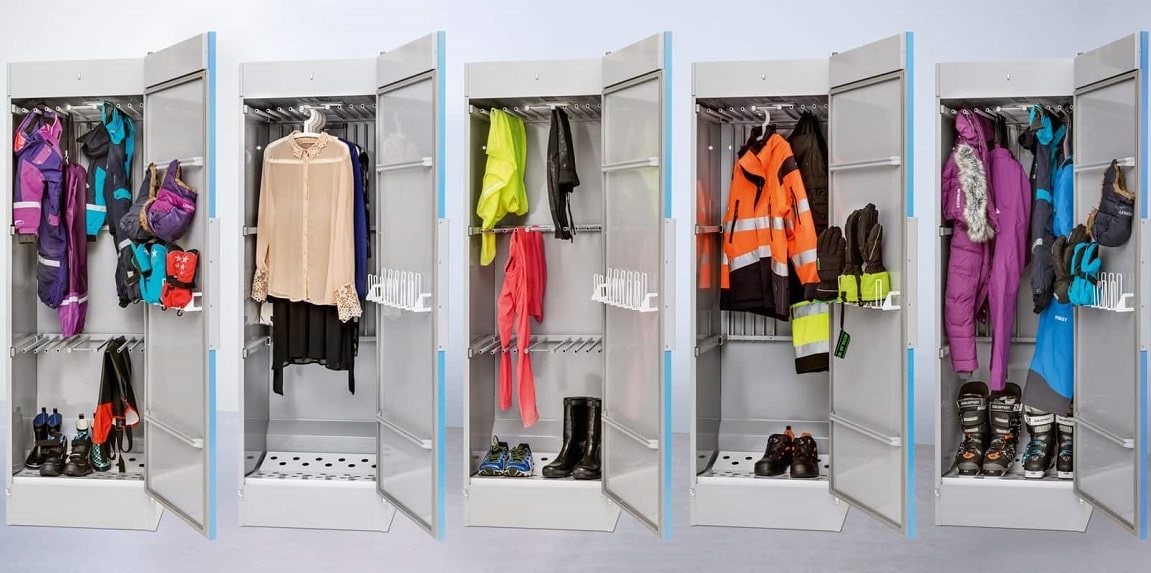
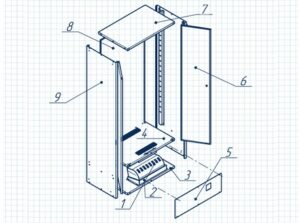
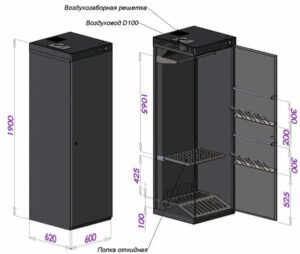
The drying cabinet is equipped with sections with hangers, shelves, and additional hooks on the inside of the door.
Each section of the drying cabinet is equipped with clothes rails. To ensure maximum drying efficiency, follow these basic guidelines:
- do not stack items on the top section;
- hang long clothes closer to the side walls, short clothes in the center;
- if you need to dry long items (dresses, down jackets, etc.), fold the lower sections of the closet;
- Dry gloves, hats and other accessories on special hooks located on the cabinet door;
- do not hang clothes too close together, be sure to leave space between hangers;
- If a particular item is prone to shedding, move other items of clothing away from it to a safe distance;
- do not dry light and heavy items at the same time, as their drying times will differ;
- Do not hang knitted items on hangers - they may stretch during the drying process, as they become very heavy when wet;
- Remove items from the closet as they dry – this will reduce the drying time of the remaining items of clothing.
There is one more important rule that must be followed. Do not overload the drying cabinet, otherwise the items will become wrinkled and dry unevenly. Leave space between hangers, do not arrange clothes tightly.
The user also needs to monitor the ventilation duct. Dust and dirt accumulate around it and need to be cleaned periodically. Be sure to always keep the air intake open.
What modes and functions do we have at our disposal?
The software "insides" vary depending on the model and brand of the drying cabinet. A description of all modes is provided in the equipment manual, so it is recommended to read the user manual before using the appliance.
Household clothes drying cabinets have both manual and automatic modes.
When the automatic program starts, the process stops once the clothes are completely dry. Special sensors monitor this. During the last 10 minutes of the cycle, the heating is turned off, and the fan begins cooling the clothes.
When activating the manual program, its duration is set by the user. A cool-down period also begins 10 minutes before the end of the cycle. This can result in underdrying or overdrying of items.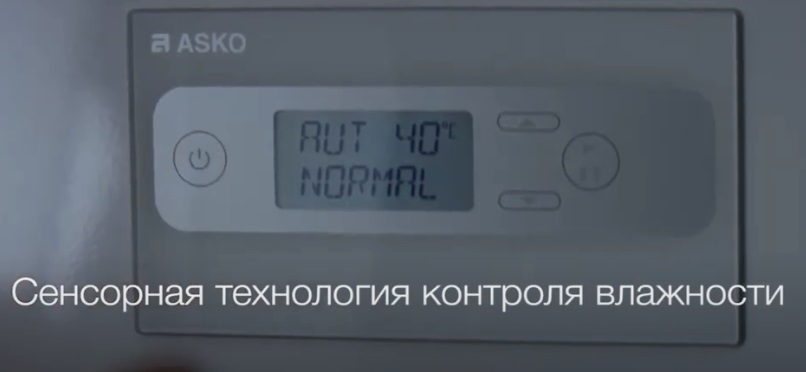
When it comes to automatic modes, the most common are:
- "Automatic 40°" Algorithm for drying medium-weight items.
- "Automatic 40° Extra Dry" is activated when loading the closet with multiple layers of thick clothing.
- "Auto 60°" mode for drying everyday clothes made of cotton and other natural fabrics.
To determine which program to run, use your garments as a guide. Check the labels for information. Follow the manufacturer's recommended drying temperature.
If we talk about manual programs, drying cabinets have the following modes:
- "Manual 30°" allows the user to set the drying time. This algorithm is suitable for delicate fabrics that cannot withstand high temperatures.
- "Manual 40°." The cycle duration is also user-defined. The air inside the cabinet will be heated to 40°C.
- "Manual 60°." The drying temperature reaches 60 degrees Celsius. This program is suitable for dense items that are not prone to deformation. The cycle time is user-selectable.
In terms of additional features, household drying cabinets are not particularly well-equipped. Some models offer steam and child safety lock options. The control panel is locked by pressing a combination of buttons, and a dedicated button is provided for activating steam.
The user can adjust the steam intensity. This feature helps smooth out wrinkles and refresh unwashed clothes. This feature is not available on all dryers.
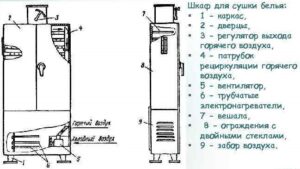
Drying cabinets vary in size, heating power, airflow rate, and software. Fan heaters can be installed at the bottom of the chamber, at the top, or outside the working area. All these details are worth considering when selecting equipment.
We activate the drying process
After familiarizing yourself with the drying cabinet's programming, you can start drying your clothes. First, hang the laundry inside, following the basic instructions. Next, plug the appliance into a power outlet and press the "ON" button. The display will light up.
Most dryers display the last program used. For example, "Auto 60°." If the program is still suitable, press the "OK" button. To select a different program, use the "Up" and "Down" arrows.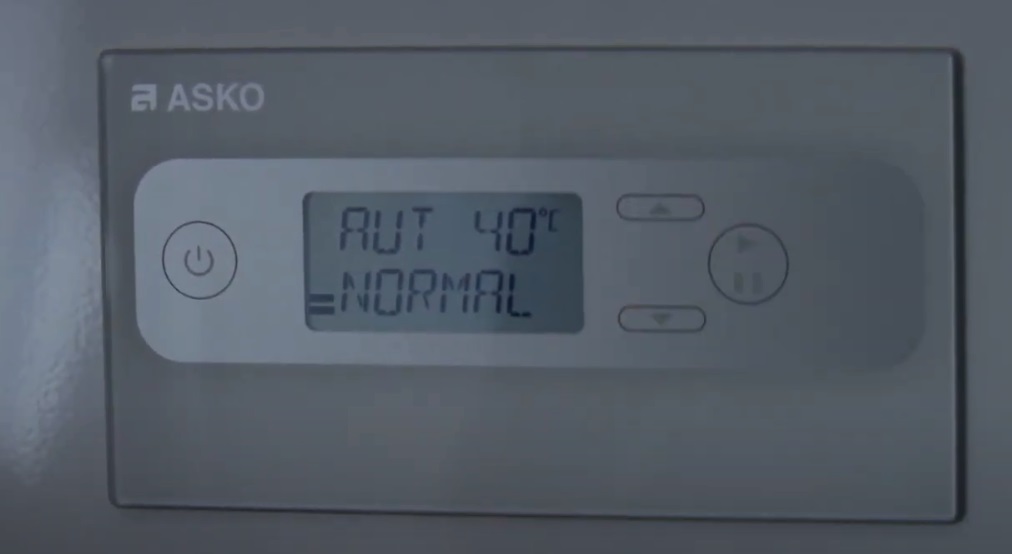
This starts the automatic drying mode. When you need to switch to the manual mode, the procedure is slightly different:
- plug the power cord into the socket;
- turn on the cabinet using the "On" button;
- look at the display, it will show the program that was last executed;
- Use the arrows to select the desired mode, for example, “Manual 30°”.
- click "OK";
- set the drying time using the “Up” and “Down” arrows (the display will show a value, for example, 2:30);
- start the cycle with the "OK" button.
After this, the drying cabinet will start working. As items dry, remove them from the chamber. Once the program is complete, remove the clothes; it is not recommended to store them in the appliance on a permanent basis.
How to care for a wardrobe?
Your dryer requires regular maintenance. Lint and other debris accumulate on the interior walls of the drying chamber and need to be removed. Therefore, after each use, wipe the inside of the appliance with a cloth dampened with a mild soap solution.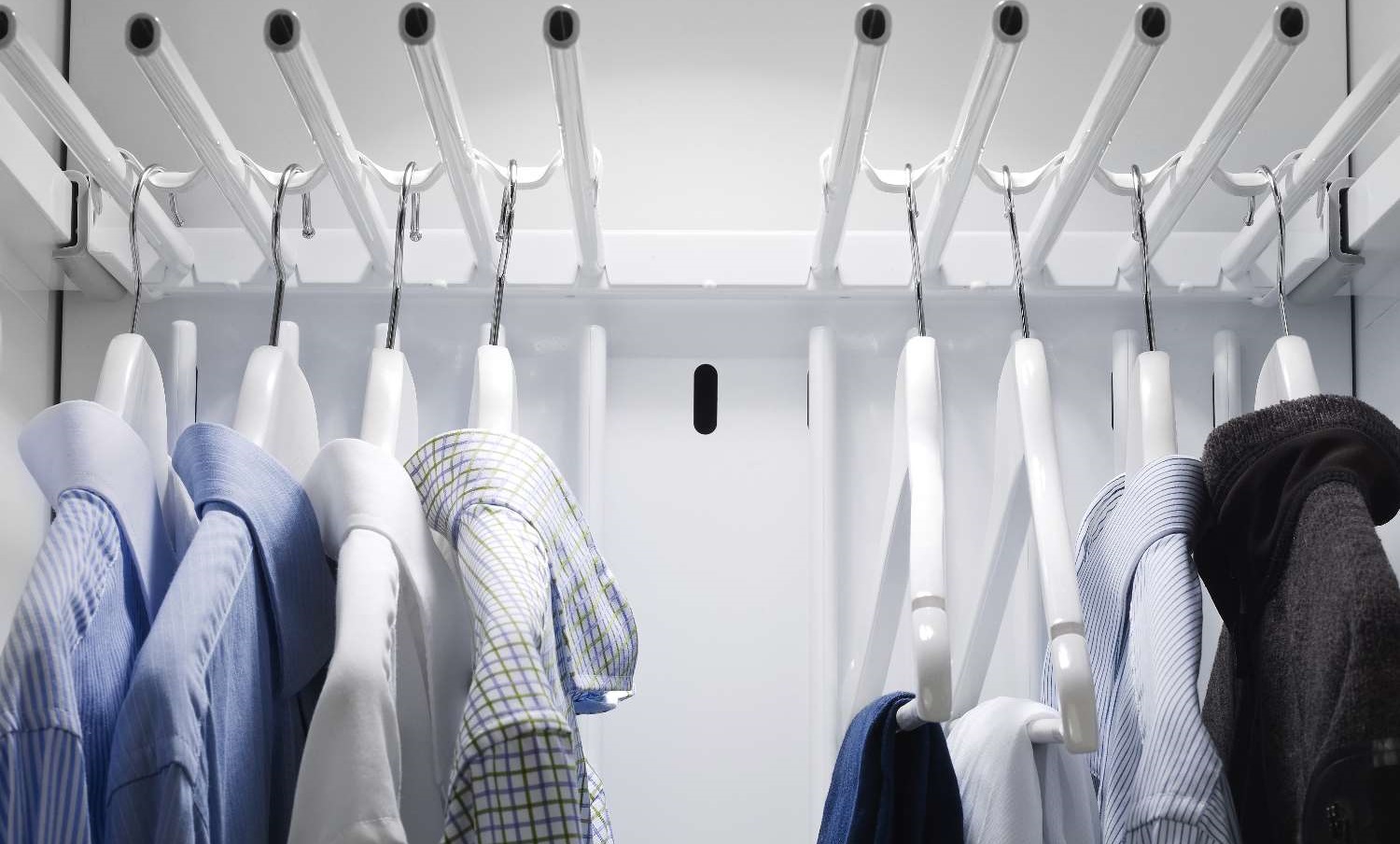
Dust also constantly accumulates around the lower and upper air intakes. It needs to be removed as needed. Otherwise, it can damage the dryer.
The air intakes of the drying cabinet are cleaned with a vacuum cleaner approximately once every six months.
It's crucial to keep the air intakes free of accumulated dust. A clog will impede circulation in the system, leading to dryer failure. Therefore, don't neglect this rule.
Some drying cabinet models have a condensate collection container. This container should be emptied periodically and rinsed with warm water. A special indicator on the control panel indicates when the container is full.
Interesting:


Readers' comments
Headings
Washing machine repair




For buyers




For users


Dishwasher




Add a comment