
The washing machine is filled with water from the sewer.
 After using the washing machine, we rightly expect our laundry and clothes to be clean and fresh. However, if sewer water gets into the washing machine, this expectation is unlikely to be fulfilled. What should you do in this case, and how can you restore your washing results to their former quality?
Is the drain connected correctly?
An incorrect drain connection is a very serious problem, which is most often the reason why sewage water flows into the washing machine. The main signs of a siphon effect include: an unpleasant smell of clothes after washing, a malfunctioning drain, poor washing quality, and a cycle that lasts longer than expected. Why does this happen and what does it mean to have the machine installed incorrectly?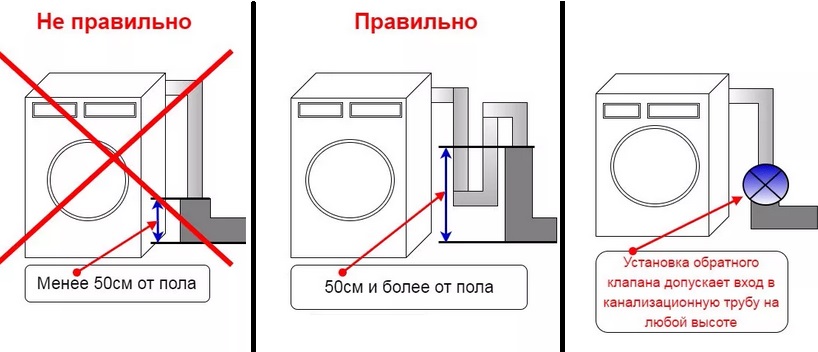
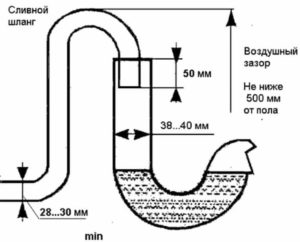
It's important that the unit be installed with the housing level, and that the drain hose be connected at a sufficient height. If these guidelines are not followed, the pressure differential creates a siphon effect, forcing the machine to draw water from the drain.
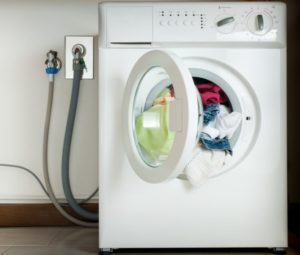
Important! The optimal height for the drain hole is 50-100 centimeters above the floor. In this case, the bend of the inlet hose is located 50-60 centimeters above the floor, which is higher than the maximum water level in the machine. These parameters ensure unobstructed drainage.
The sink trap or pipe is clogged
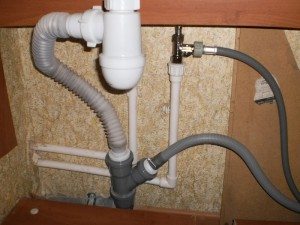
If the washing machine drain is connected to a sink trap and the trap is clogged, this can cause sewage to back up into the washing machine drum. In this case, repair is simple: disassemble and clean the trap. If it is connected to the sewer via a corrugated pipe, clean it.
The washing machine drains through the sink using a drain outlet with a fitting. If the drain pipes are clear, the water will drain smoothly, and the fitting will protect the washing machine from unpleasant odors and wastewater splashes.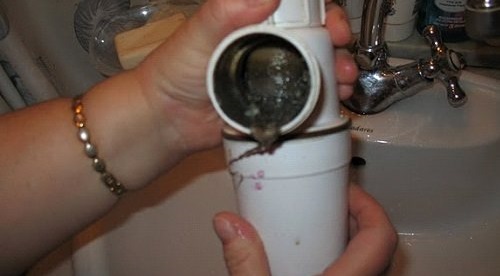
To ensure proper protection, it's recommended to point the L-shaped fitting upward rather than downward, and periodically replace the rubber seals, which are prone to wear. However, if the pipes are clogged, these measures are useless against the siphon effect.
Let's clean the inside of the machine
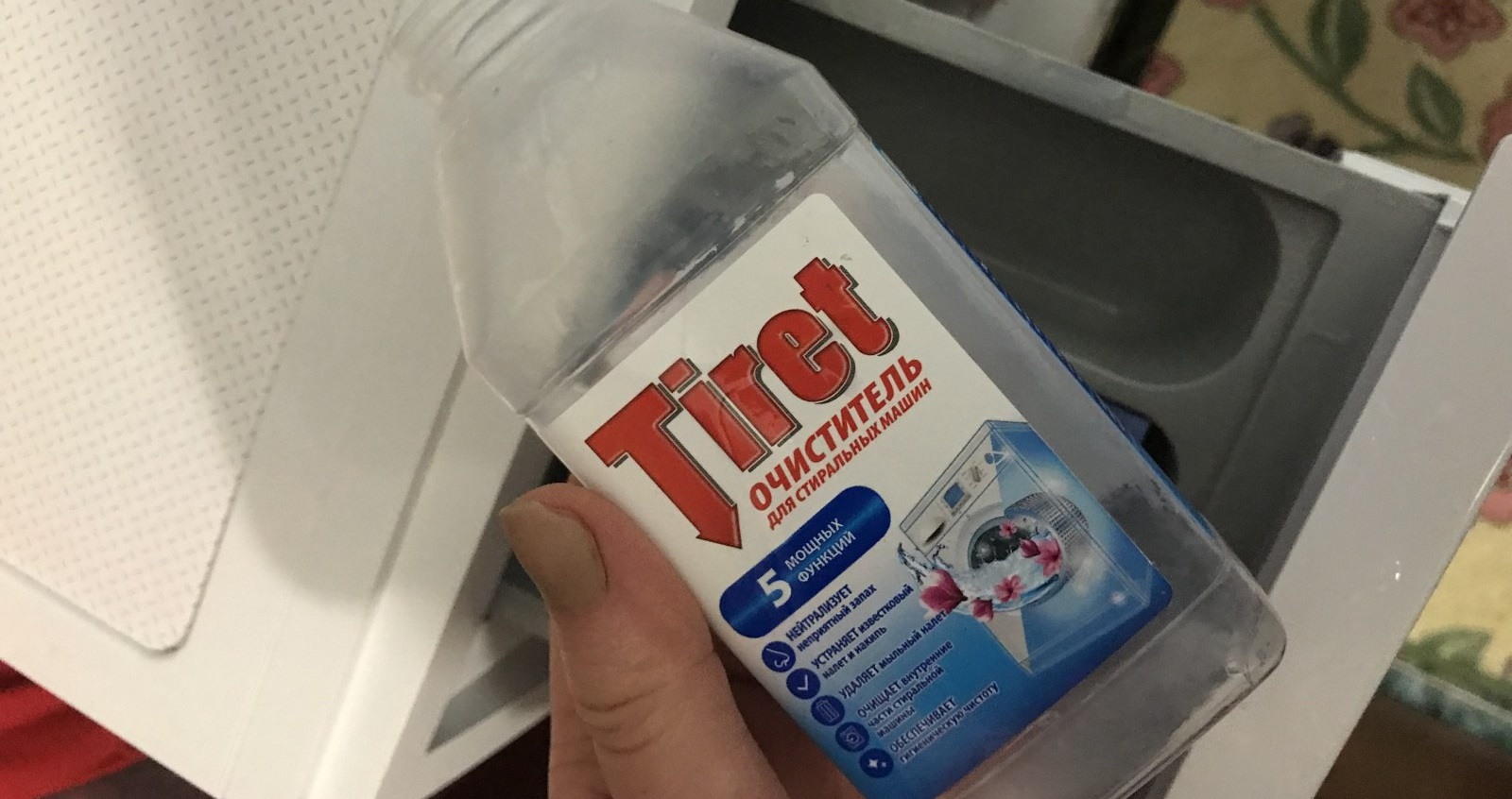
To enjoy quality washing after troubleshooting, prepare your washing machine for further use by cleaning any traces of sewage. Tiret washing machine cleaner is ideal for this purpose.
Please note: Do not confuse with Tiret Turbo drain clearing gel.
The product is used as follows:
- Measure out the amount of product according to the instructions and pour it into the washing machine tray, in the main wash compartment;
- Run any long wash program without loading, setting the water temperature to 60 degrees;
- After the cycle is complete, run the rinse cycle separately.
Now you can wash your clothes without worrying about their quality. If your sewer drain is connected correctly, immediately clear the trap or sewer pipes at the first sign of a siphon problem, remembering to replace the rubber seals on the drain nipple periodically (if draining through a sink). This simple repair is easy to do yourself, and it's free!
Interesting:

1 reader comment
Add a comment
Headings
Washing machine repair




For buyers




For users


Dishwasher




That's exactly what I did after researching the issue. I bought two tees with plugs and installed two drain hoses into the drain pipe, one for the washing machine and one for the sink. The idea of connecting the sink and washing machine drains in a single trap is a bad idea.