
Water under the dryer
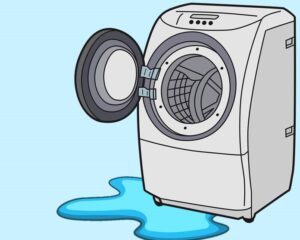 It's logical that when a dryer is running, it contains much less liquid than a washing machine, so even in the most extreme situation, it won't flood the neighbors below. However, this doesn't mean you can't run into a situation where water starts to pool under the dryer after a cycle. In this case, it's not your neighbors who are at risk, but your flooring, which is also not very pleasant. Let's look at why this might happen to your "home helper" and how to fix it.
Where does the puddle under the dryer come from?
It's not always easy to answer why your dryer is leaking water, as there are numerous possible causes, some of which depend on the design of your appliance. Typically, houses and apartments are equipped with models with a liquid collection tank that can notify when the container is full and needs to be emptied. If the used liquid isn't disposed of promptly, it will leak from the bottom of the machine. Additionally, a leaking reservoir may be the cause, which often occurs with Candy and Beko machines. Finally, problems with other components that need to be addressed to stop the leak cannot be ruled out.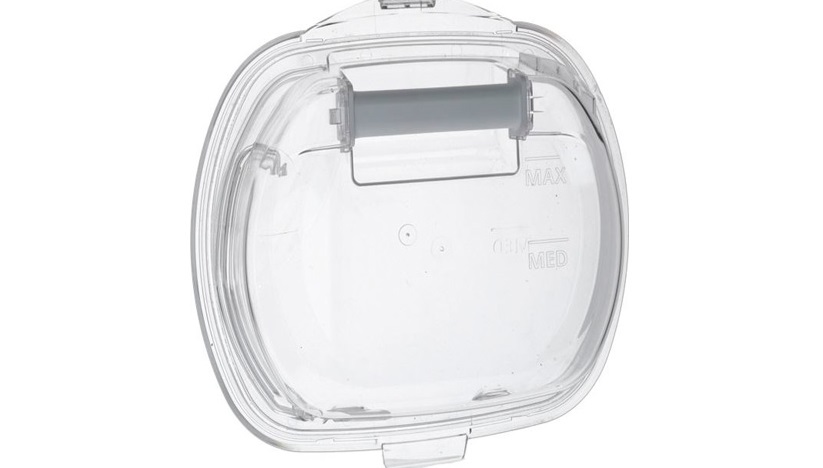
- Drain pump. This component directly affects fluid drainage, so a faulty pump is most often the culprit. If this is the cause, the part needs to be replaced with a new one.
Try to buy original spare parts, which will not only fit your equipment perfectly, but will also last much longer than their analogues.
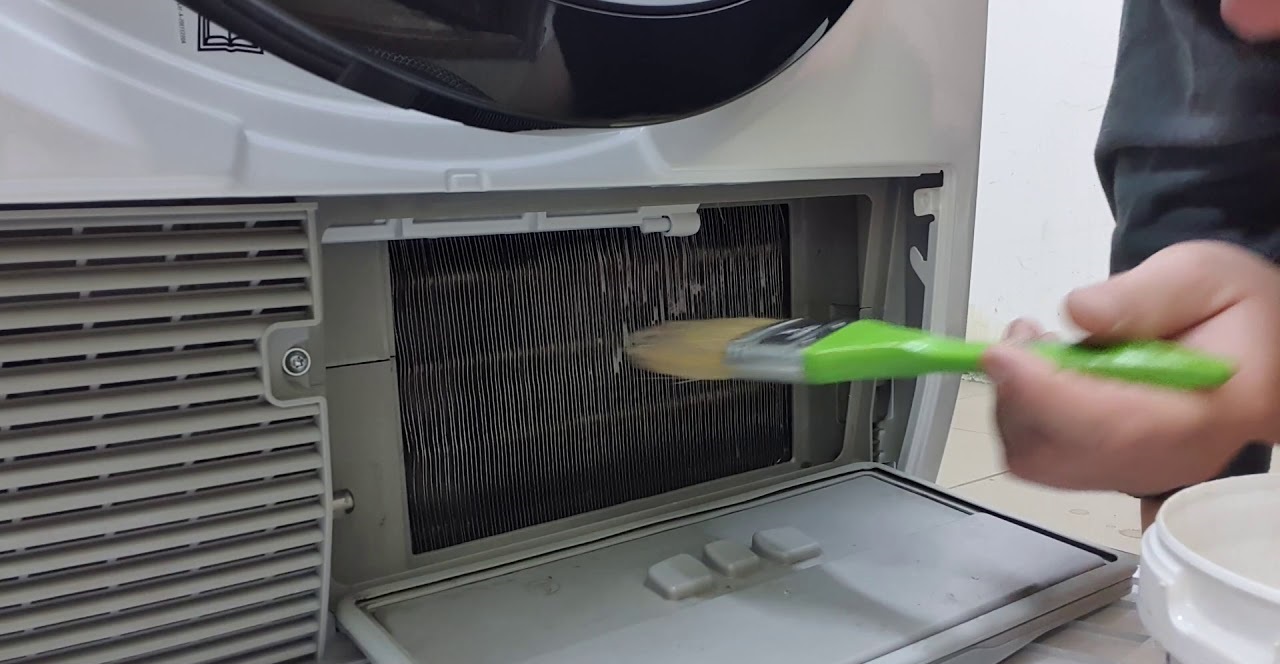
- Heat exchanger. The dryer sometimes leaks from the bottom after cleaning the heat exchanger. This can happen if the element is installed incorrectly or if the inner cover is accidentally blocked. It's also worth considering that lint from clothing often accumulates in the heat exchanger compartment, causing leaks.
- Rubber seals. Finally, water can leak due to worn rubber seals. To fix this, simply purchase new seals and install them in place of the damaged ones.
These three points apply to common dryers with a water reservoir. If you're using a ventilated dryer, the problem lies elsewhere.
- Ventilation hose. This rubber component often wears out, causing tears and cracks. It can also become clogged with fluff, lint, hair, threads, and dust, or simply become pinched by a heavy object.
- Ventilation pipe. It's also important to always inspect the pipe's insulation, as it may be damaged. Insufficient insulation can cause condensation to form on the vent pipe. It's also possible that the dryer damper is damaged, allowing moisture from the outside to build up in the ventilation system.
We've figured out why water might appear under the dryer, now we just need to figure out what to do about it.
Checking the condensate collection tank
Most of the above mentioned reasons are difficult to fix on your own, so you need to call a service center specialist to eliminate them. It's best not to try to fix it yourself, as you could accidentally damage the equipment even more, which will only increase the final cost of the repair. However, some problems can be fixed at home without the help of a professional. For example, you can remove the water collection tank yourself without any special equipment.
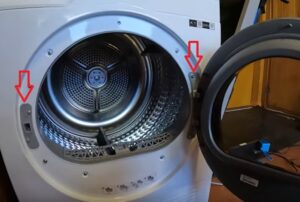
Typically, the condensate container is attached to the dryer door.
Remove the unit and try filling it to the brim with water. Be sure to wipe the outer walls dry with a dry cloth to avoid false test results. Closely observe the container—you'll see with the naked eye that it's leaking. However, even if there's a crack in the element, that doesn't mean you need to buy a new, expensive tank.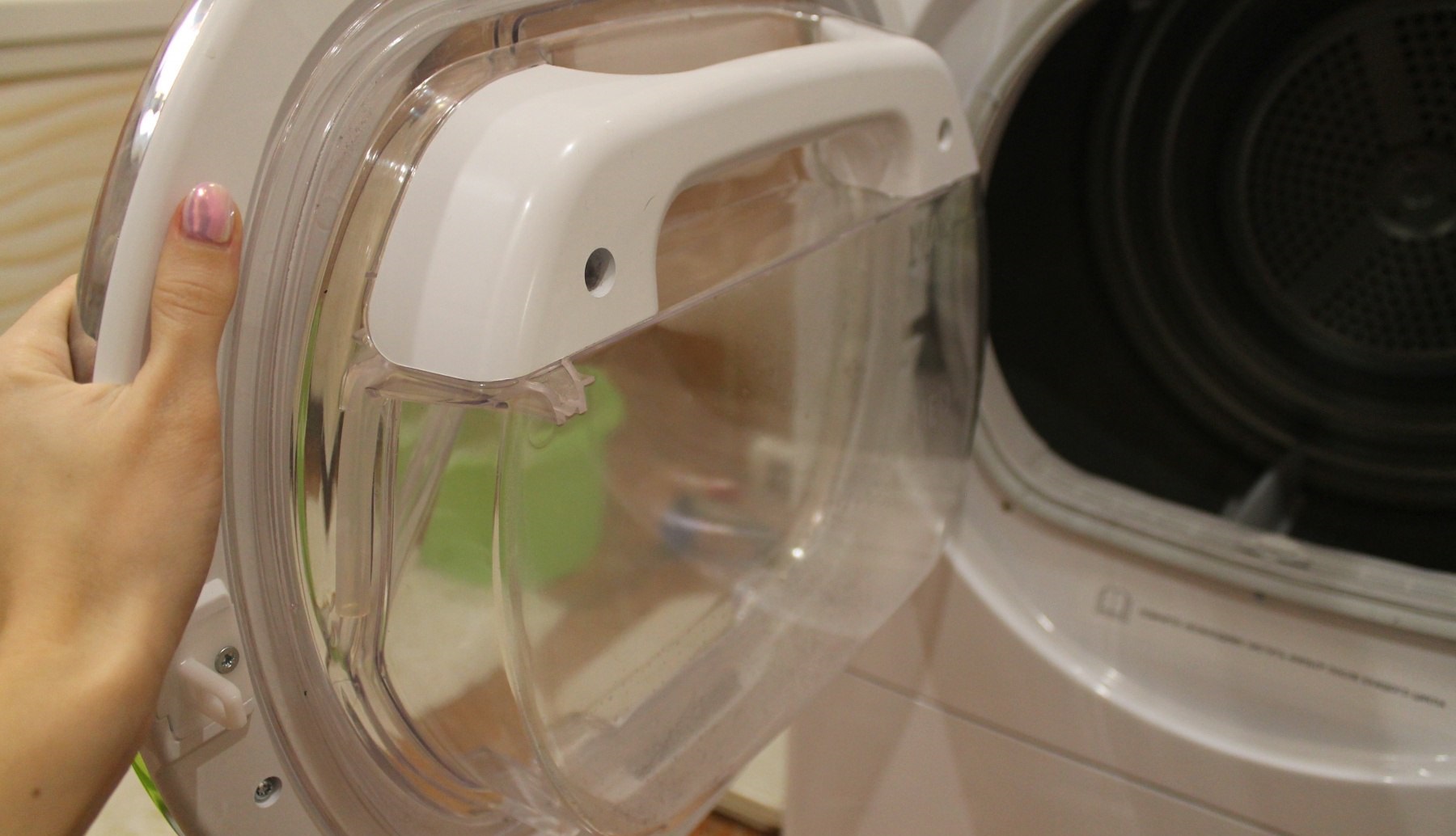
What should you do in this situation? Apply waterproof automotive sealant to the crack to stop the tank from leaking. This should only be done after the tank is completely dry. Alternatively, you can use a plastic soldering iron to securely seal a large crack.
Finally, if you have a dryer that drains condensate down the drain, you can simply bypass the condensate container and connect the machine directly to the drain pipe. In this case, you can forget about the reservoir. However, all these recommendations apply only to situations where the leak is caused by a faulty reservoir. If the problem is more serious, you'll likely need to call a repair service.
Interesting:


Readers' comments
Headings
Washing machine repair




For buyers




For users


Dishwasher




Add a comment