
Water in a new dishwasher when purchased
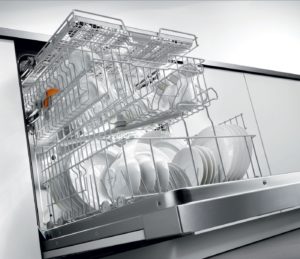 The situation is quite mundane: you've just received a new dishwasher from the store, wet inside. Our first thought is that we're being lied to. That's just the way the human brain works: it's easier to believe bad things than good ones. We immediately form terrifying assumptions in our heads about "sleazy salespeople" conspiring to sell used dishwashers. Of course, we imagine ourselves as victims of the machinations of the senior manager, who smiled sweetly at us while filling out the order, but was plotting something sinister behind our backs. Wait, let's use common sense and stop prematurely condemning people who do their jobs well.
Where does the water in the appliances from the store come from?
If a newly purchased dishwasher is wet inside, or there's water in the salt reservoir, that doesn't necessarily mean it's been used before. Where does the water in a new dishwasher come from? Immediately after assembly, both dishwashers and washing machines undergo bench testing. They're mercilessly tested, checking all the necessary technical parameters. If everything is OK, the appliance is removed from the bench, packaged, and shipped for delivery to the store.
According to regulations, the manufacturer is not required to drain any remaining water after testing, so the washing machine arrives at the store still wet inside. We don't think a wet inside washing machine is always a bad thing.
- This could indicate that the machine was recently taken off the display stand at the factory, immediately arrived at the store, and you bought it right away. The equipment hasn't had time to sit in the warehouse, which is excellent.
- This may mean that the seller is responsible in fulfilling his duties. Before shipping the dishwasher, he started it up and tested it, something you don't usually get from salespeople.
Some large appliance stores have displays with machines connected to electricity and water for demonstration to customers. If your model is removed from such a display without warning, it may end up wet.
- This may mean that someone bought your dishwasher before you, installed it, and started it up, but then, for some reason, refused to buy it and returned the appliance back to the store.
The latter situation should raise your suspicions, but sellers rarely accept returns of complex household appliances. If the machine is in good working order and has no defects, the seller won't take it back without a reason. Therefore, as a conscientious buyer, you shouldn't worry about the worst. Fraudsters do happen among sellers, of course, but moisture in the dishwasher isn't a clue that points to fraud. And that's a good thing; it's less stressful.
How can you tell if the equipment is used?
So, your dishwasher arrived with water in it, and you're still struggling to get over it? Apparently, our words haven't quite convinced you. So, the next step is to check for yourself whether your dishwasher has been used before. This can be difficult to do when buying it directly from a store, but it's perfectly fine at home.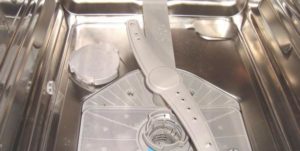
- Inspect the drain hose carefully. In used dishwashers, the drain hose inside is clogged with food debris. It's difficult to clean out, so a close inspection may reveal small debris.
- Unscrew and inspect the drain filter and grill. The goal is the same: detect even the smallest food residue and traces of grease. After bench testing, the factory runs a special cleaning program to ensure that new equipment is free of food residue. This is the procedure for Bosch dishwashers.
- Unscrew the salt reservoir and inspect it inside. If you see a compacted layer of salt, the machine has been in use for some time. If there's only a small amount of salt and it's not compacted, the machine hasn't been used, only tested.
- Disconnect the inlet hose and access the flow filter. This is the mesh filter at the base of the inlet valve. Remove the mesh and inspect it. The new machine is absolutely clean, since the company uses specially prepared industrial water for testing. There are no impurities in this water, meaning nothing will settle on the mesh. Is it possible for the flow-through filter of a new machine to have limescale buildup? Of course not. If the mesh is dirty, it means you were sold a used machine, and you need to file a complaint with the store.
The standard inspection of the packaging and body of the washing machine is still mandatory. If there are minor damages to the body, or the box has clearly been carelessly opened, this is additional evidence supporting the theory that the product is used. In short, be vigilant, but don't condemn the seller prematurely. First, gather evidence, and then present it in a verbal or written complaint. If you set your mind to it, you can expose even the most cunning scammer.
So, if you notice water leaking from your brand-new dishwasher, don't be too quick to assume the worst. It's possible there's some water left over from testing at the factory where it was assembled. However, it wouldn't hurt to check, especially since it's quite easy to do. Good luck!
Interesting:




Readers' comments
Headings
Washing machine repair




For buyers




For users


Dishwasher




Add a comment