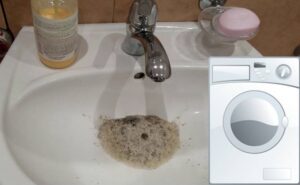
A washing machine can malfunction at any stage, from filling with water to draining waste. When water from the washing machine backs up into the sink during draining, it's a sign of problems with the sewer system. This waste can create an unpleasant odor and can damage the appearance of the sink. This problem is unacceptable, so let's take a detailed look at how to identify and fix the root cause.
The tee needs to be replaced.
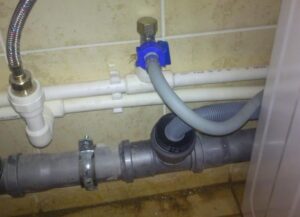
If water from the washing machine goes into the sink, experts advise carefully examining the tee on the sewer pipe. This is due to the fact that it is precisely because of this that problems with draining water from the “home assistant” most often occur.
During flushing, all liquid from the WC drains into the sewer pipe. If a 90-degree tee is installed, the water will hit it and split into two streams, splashing outward. Neither the slope nor the diameter of the pipe affects this process, so some of the liquid flows as it should—down the drain—while the other part flows toward the sink.
The second half of the sewage from the washing machine significantly increases the water level in the sink, where the liquid cannot flow back until the draining process is complete. However, once the final stage of the washing machine's cycle is complete and the water flow stops, the remaining liquid in the sink can finally drain into the sewer pipe.
There can be no question what to do in this situation - change the tee so that it smoothly distributes water in both directions, preventing the described reaction.
The pipe is clogged, there is air inside
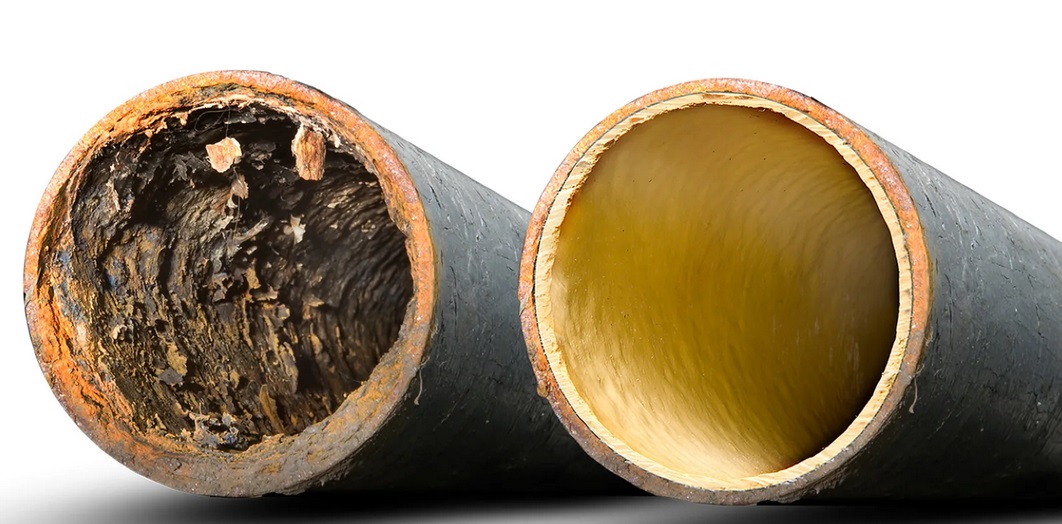
The drain problem may be caused not only by the tee, but also by the sewer pipe itself, which may simply be clogged. It's quite possible that the pipe is only partially clogged, not completely. If this is the case, the clog has significantly reduced the pipe's internal diameter, making it more difficult for water to flow through.
This will cause water to initially accumulate in the pipe, and then cause a backflow, forcing the liquid toward the sink, rising and creating a loud gurgling sound. The water will only be able to drain back into the drain once the toilet has flushed out all the liquid used during its working cycle.
Almost any blockage can be quickly cleared using household chemicals for drain cleaners or the classic combination of baking soda and vinegar.
Besides a clog, an airlock could also be the cause. This often occurs during a drain, when liquid rushes through the drain pipe, creating a vacuum. In this case, the resulting airlock will simply push water up from the sink trap.
This happens because the sewer system lacks adequate ventilation. This can only be corrected by replacing the sewer system, which is only possible during a major renovation, which the management company may not approve if it's an apartment building.
The slope and sewer pipes are too small
It also cannot be ruled out that the cause of the problematic drainage is pipes of different diameters. Builders practice this because the screed in the bathroom is often not thick enough, so the groove has to be made shallower, which can lead to sewer pipes having to transition from a smaller diameter to a larger one and vice versa.
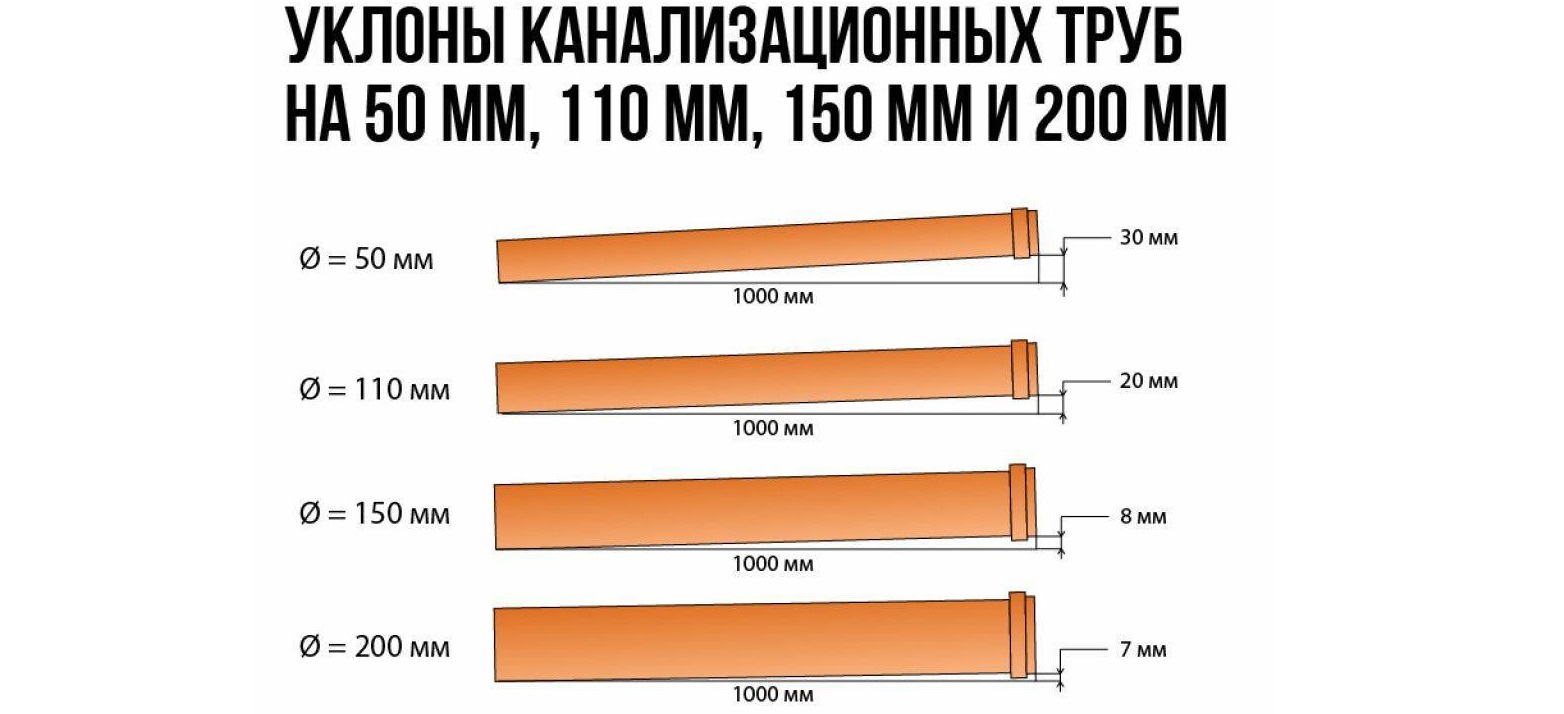
Another problem may stem not only from the different sewer pipes but also from the pipe's slope, which often affects the quality of wastewater drainage. If there is no slope, or it is insufficient, wastewater may also back up into the sink. To prevent this, the slope of a 50-millimeter diameter sewer pipe must be at least 2.5-3 centimeters per meter.
Unfortunately, as with a lack of ventilation, it's impossible to fix the different pipe diameters in the sewer system and the insufficient slope on your own. You'll also need to contact the management company to initiate a major overhaul and redesign the sewer system.

 A washing machine can malfunction at any stage, from filling with water to draining waste. When water from the washing machine backs up into the sink during draining, it's a sign of problems with the sewer system. This waste can create an unpleasant odor and can damage the appearance of the sink. This problem is unacceptable, so let's take a detailed look at how to identify and fix the root cause.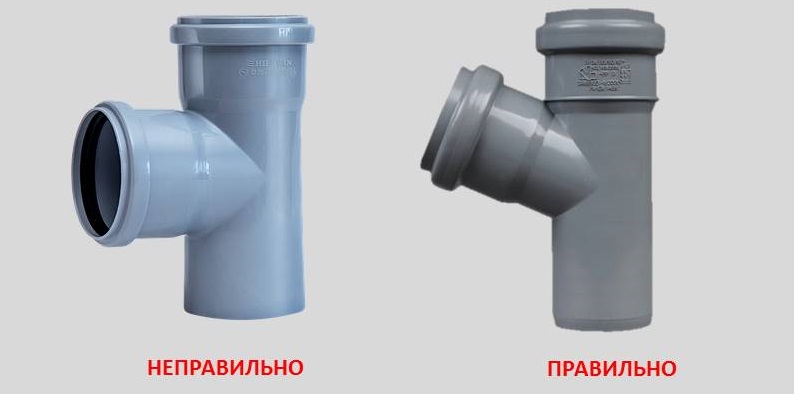














Add a comment