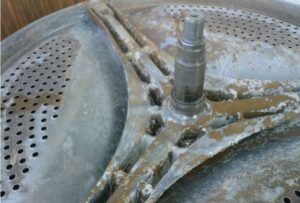
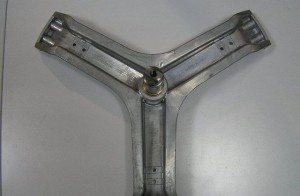
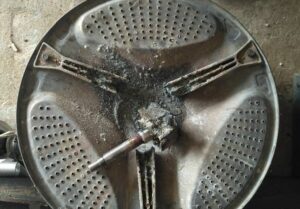
The spider is a crucial component of a washing machine. It connects the tub and drum. Typically made of soft metal, it becomes deformed after several years of use, requiring repair. How do you restore a washing machine spider? Can you do the job yourself? Is it possible to restore the part, or is it easier to replace it with a new one? Let's explore the nuances.
Which crosspieces can be restored?
Restoring a washing machine's spider isn't always possible. Sometimes the damage is so severe that repairing it simply isn't worth it. Let's look at when the part can be restored.
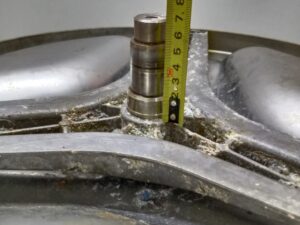
When it comes to repairing a universal joint, this process means restoring the surface of its shaft in the areas where the bearings and/or the bushing located under the seal are located. Restoration of components is permitted in cases where wear appears on the metal. Grooves on a shaft can form for several reasons.
Failure to replace bearings in a timely manner. When the rings begin to disintegrate, significant play develops and the shaft moves freely. This quickly wears out the seal, and it's not the rubber seal itself that begins to "move" along the bushing, but the metal insert designed to provide rigidity. This impact causes deep grooves to appear on the surface.
Wear of the bushing under the oil seal. In this case, the damage to the part is less significant. The "grooves" will be shallow and will have virtually no effect on the operation of the unit.
The appearance of wear on the cross shaft itself, at the seat of the main bearing (located closest to the seal). When the ring wears, the mechanism may seize slightly, and then a fairly deep groove is worn out under the race.
In most cases, crosspiece deformation occurs due to bearing wear, so it is important to replace broken rings and seals in a timely manner.
Therefore, it's only advisable to restore the universal joint if a groove has formed on its shaft or bushing. If the part has cracked or is otherwise seriously damaged, it's best to replace it immediately, otherwise the problem will recur. Let's look at how restoration is performed and how to remove components from a washing machine.
How does recovery happen?
Repairing a universal joint at home without the necessary skills will be problematic. Any layman can handle disassembling an automatic machine and removing the component, but further work will require specialized equipment. Therefore, it's best to remove the component and take it to a lathe for further repair.
To restore the crosspiece, it will be necessary to separate it from the drum.
The algorithm of actions will be as follows:
unplug the washing machine;
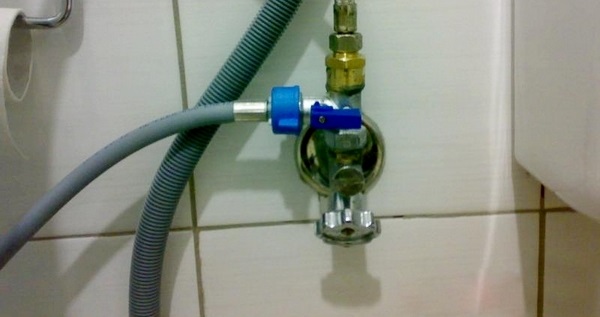
disconnect your “home helper” from the water supply and sewerage system;
remove the lower false panel;
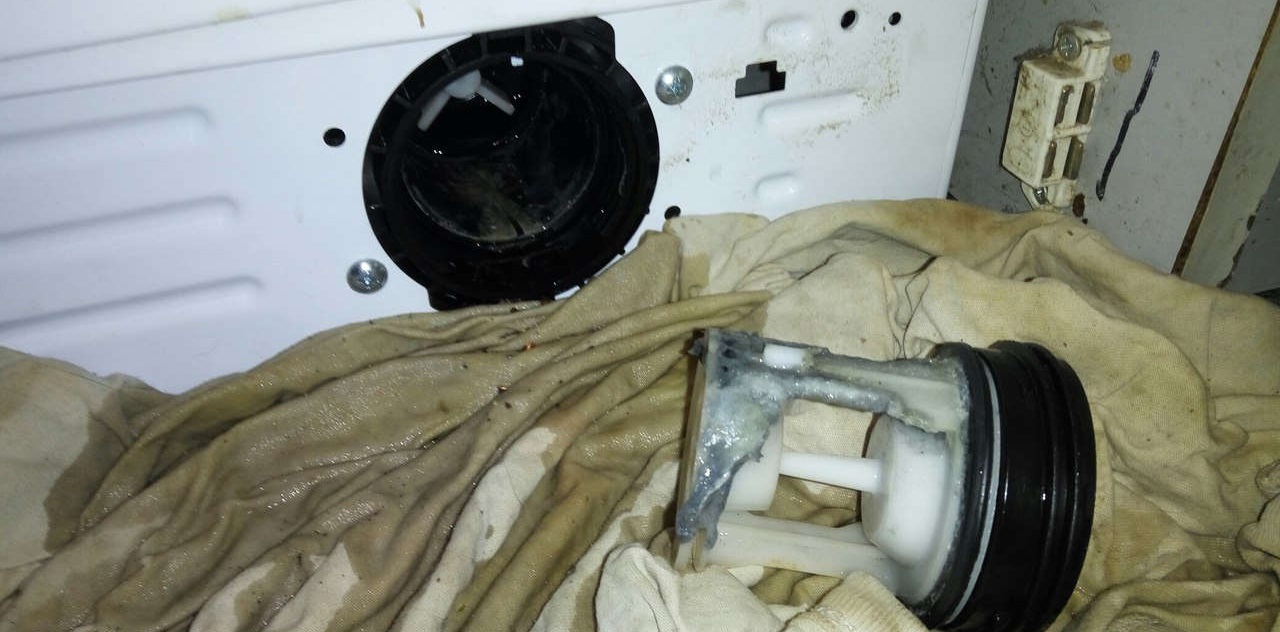
drain the remaining water from the system through a debris filter;
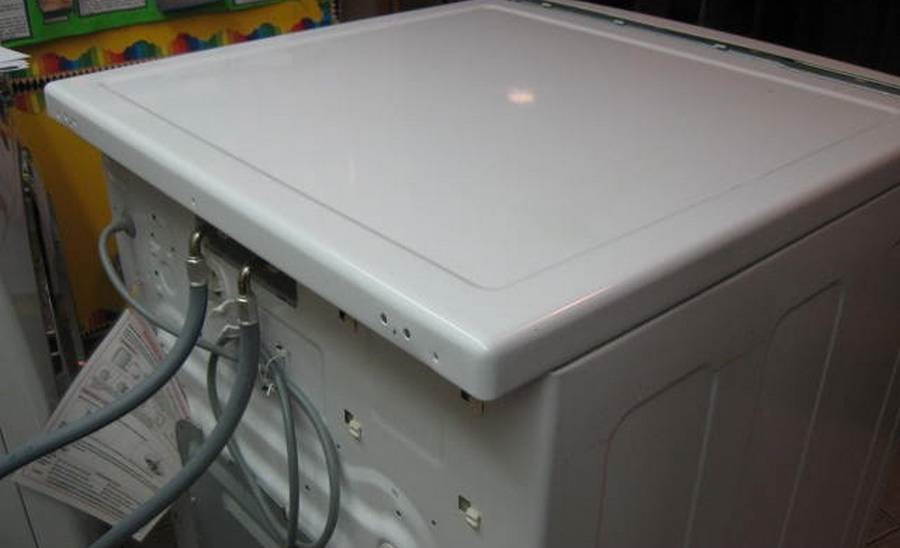
Move the washing machine away from the wall to have free access to all sides of the body;
remove the top cover;
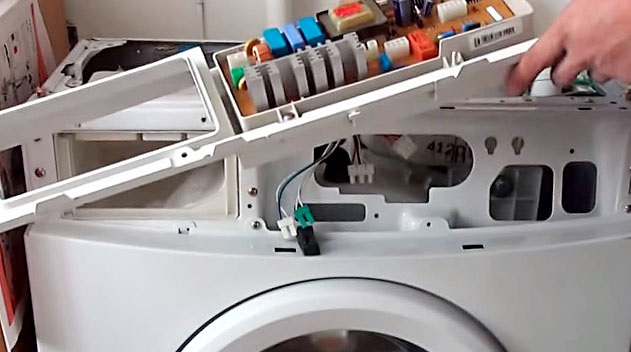
remove the powder container;
Unscrew the bolts around the perimeter of the control panel and move the instrument panel to the side;
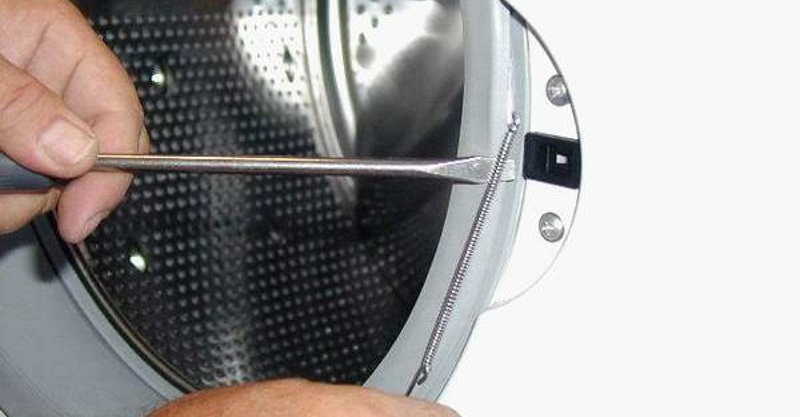
remove the clamps securing the cuff and insert the elastic into the drum;
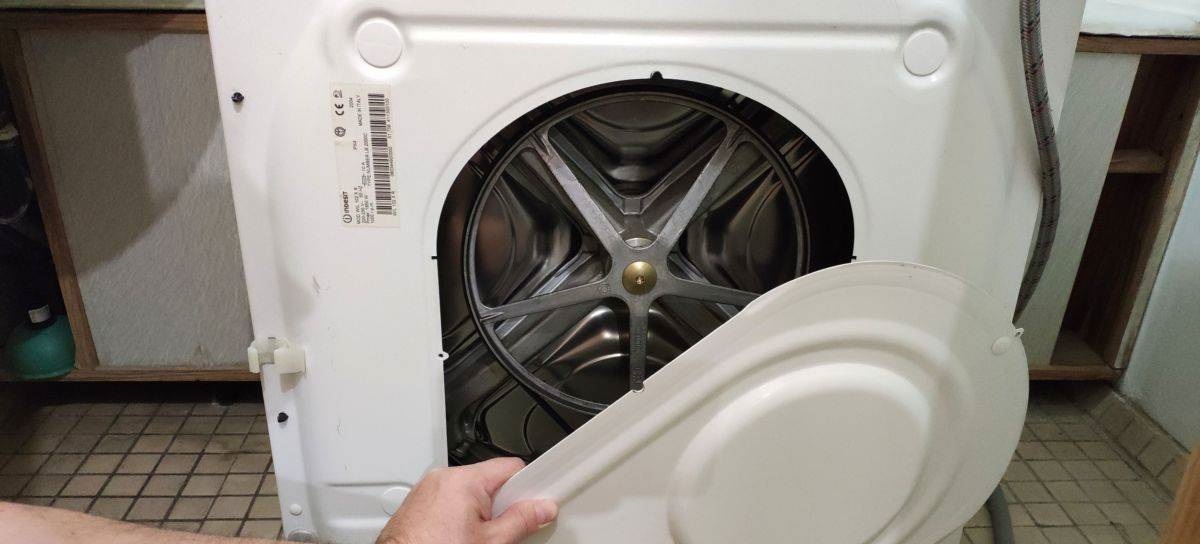
remove the rear panel of the case;
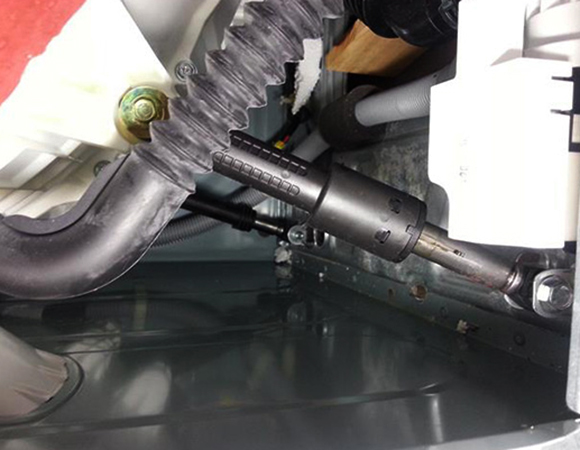
disconnect from the tank all wires, sensors and parts that interfere with its removal (heating element, motor, drain pipe, pressure switch, etc.);
Having dealt with the shock absorbers, remove the drum from the washing machine;
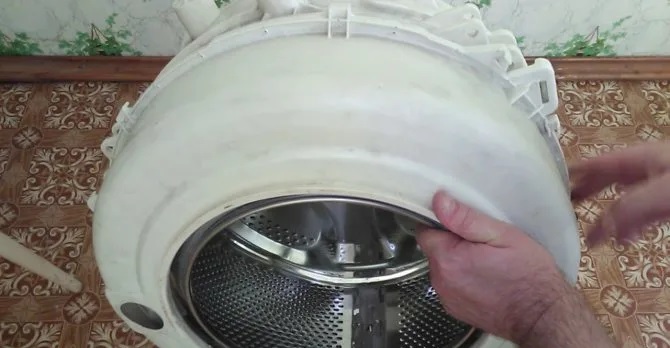
disassemble the tank by unscrewing the fixing screws around the circumference and dealing with the latches;
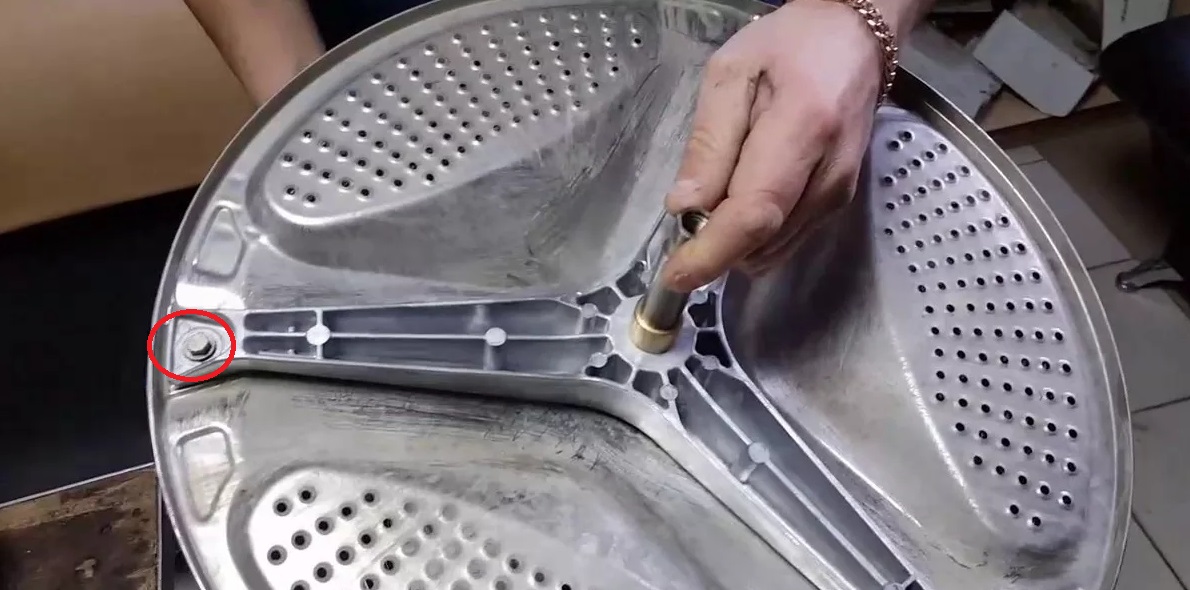
remove the drum and disconnect the crosspiece from it (by unscrewing the bolts or drilling out the factory fasteners).
A lathe technician can help you repair the universal joint correctly. It's important that the technician have a suitable machine for the job, one that can accommodate the washing machine part.
What happens next? If the problem is damage to the bearing seat, it is necessary to weld in the wear. The surface is then turned on a lathe at the centers to ensure the alignment of the bushing, shaft, and both bearings. So, what needs to be done to restore the spider of an automatic washing machine drum?
Weld the shaft in the wear areas.
Grind the surface to smooth out the areas restored by welding.
Press a new sleeve onto the shaft.
Turn the bushing to maintain the alignment of the unit.
The new bushing must be made of either non-ferrous metal or stainless steel. Because it is constantly exposed to the harsh environment of an automatic washing machine, making it ferrous will quickly (literally within a few washes) deteriorate the part.
Once the spider is repaired, it is attached to the drum. Reassembly of the washing machine is carried out in reverse order. If during operation you discover damage not only to the shaft and bushing but also to the bearings, it is best to immediately remove the old rings and press in new ones.

 The spider is a crucial component of a washing machine. It connects the tub and drum. Typically made of soft metal, it becomes deformed after several years of use, requiring repair. How do you restore a washing machine spider? Can you do the job yourself? Is it possible to restore the part, or is it easier to replace it with a new one? Let's explore the nuances.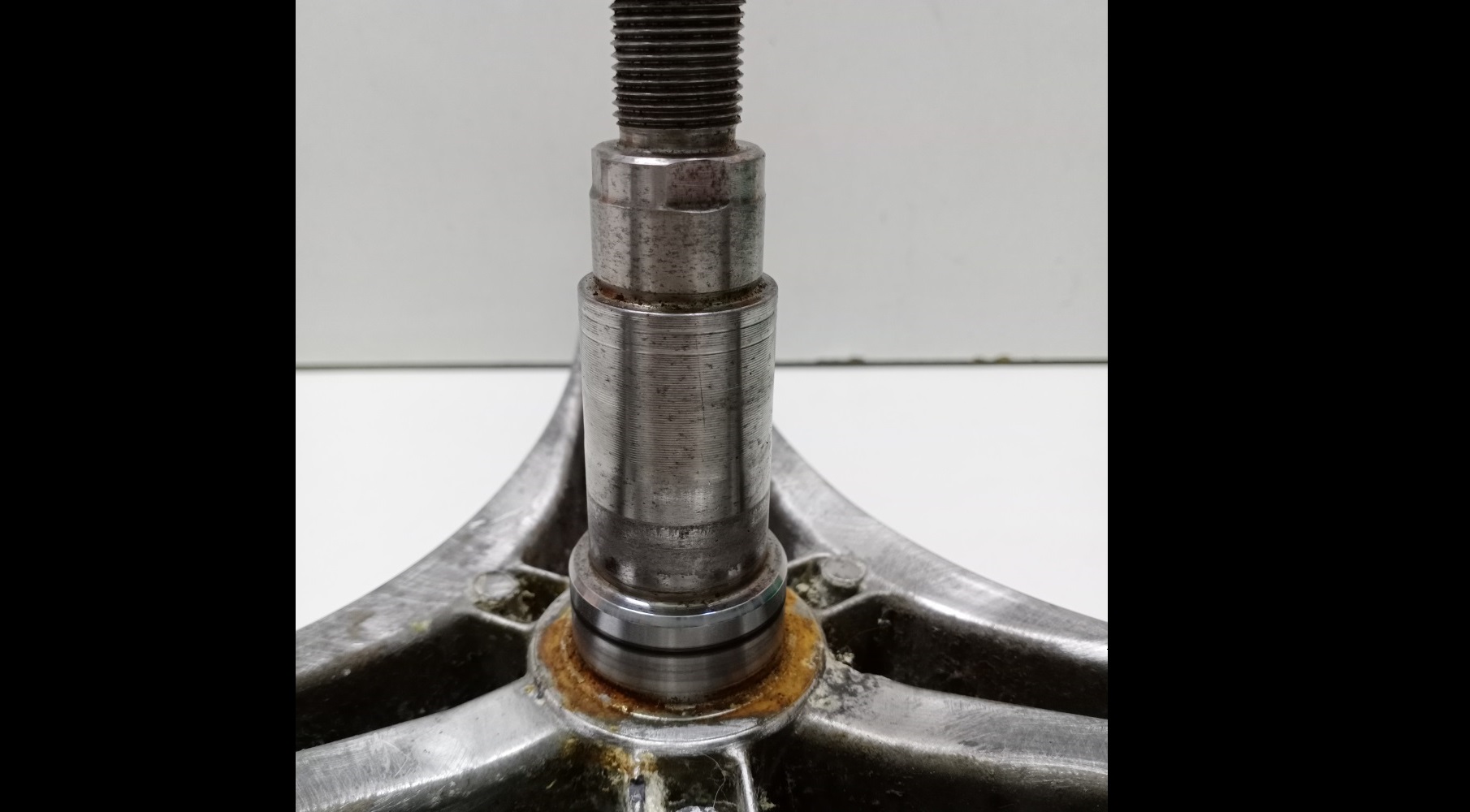














Add a comment