Inserting a washing machine drain into a plastic pipe
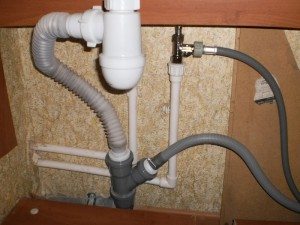
To safely and easily drain waste from the washing machine into the sewer pipe, the drain hose must be securely inserted into it. Typically, residential plumbing systems include one outlet from the sewer pipe in the kitchen and one in the bathroom. These outlets are intended for the sink's traps. Therefore, it is necessary to additionally connect the washing machine drain to a plastic pipe.
How to reliably "cut into" the sewer?
Connecting the machine's drain directly to the sewer system is the best option. The connection method depends on whether the pipe has an additional drain branch. If wastewater disposal was planned in advance during the sewer system installation, connecting the drain is simple. You'll need to purchase a rubber sealing ring. The next step is as follows:
remove the plug from the sewer branch;
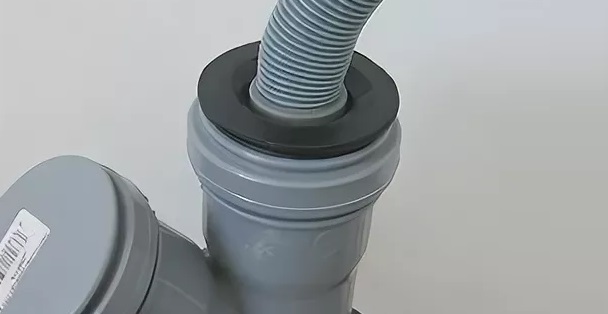
Apply silicone grease to the outer radius of the sealing ring and insert it into the sewer pipe;
Insert the washing machine drain hose into the central hole in the sealing ring. Make sure it is no more than 5 cm deep into the branch.
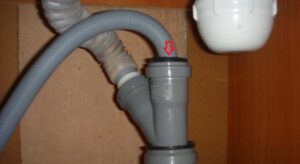
If there is no additional branch for drainage in the pipe, a plastic tee can be used. Sewer lines going into the bathroom or kitchen usually have a diameter of 50 mm. You can install a tee on them yourself. Start by determining the connection location. Then, proceed as follows:
disconnect the siphon pipe;
remove the old pipe;
change the rubber gasket;
install a plastic tee instead of the pipe, and then install a drain from the siphon.
Once these steps are completed, you can begin installing the washing machine drain. Follow the procedure described above. You'll need to purchase a sealing ring and connect the drain hose through the center hole in it.
The nuances of connecting a washing machine to a sewer system
Experts share professional tips to help you properly organize wastewater drainage. The washing machine hose should not be left on the floor; in other words, the hose should not lie flat on the floor. Most washing machines are equipped with a special hook for the hose where it exits the appliance. This part is usually located on the rear panel of the machine, in the upper corner. From the hook, the drain hose is routed to the drain outlet with a significant bend.
The second piece of advice shared by technicians concerns the requirement for washing machines not equipped with a check valve: the end of the hose should always remain more than 50 cm above the floor.
Important! This requirement must be met regardless of whether the drain is installed in the drain or over the edge of the bathtub.
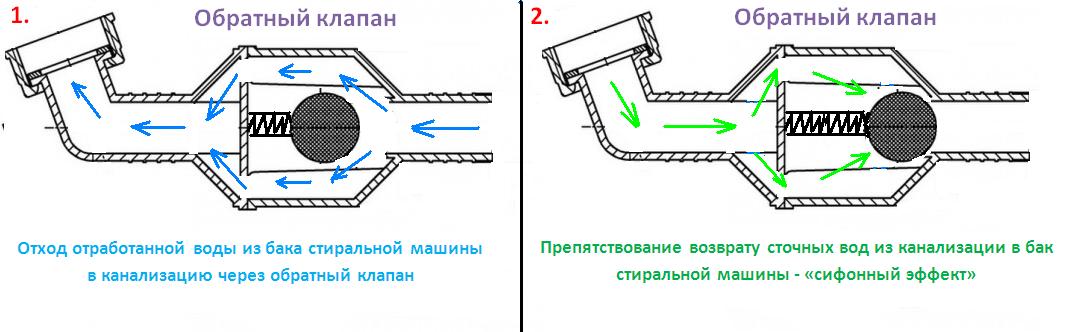
Many modern car models are equipped with a check valve. If this part is not included in the factory kit, it can be purchased and installed separately. There are various models available on the market, but it is better to choose valves with a shut-off ball. These are the types of parts that are usually used when connecting a drain directly into a sewer.
There are also devices that allow you to install a drain next to the trap. The end of the hose can be positioned at any height. Connection to the sewer system can be made at the floor level.
Our technicians dispel the common misconception that securing the hose in an S-shape eliminates the need for a check valve. This creates an additional water seal. While it doesn't interfere with water drainage, it also doesn't protect the washing machine from damage.

 To safely and easily drain waste from the washing machine into the sewer pipe, the drain hose must be securely inserted into it. Typically, residential plumbing systems include one outlet from the sewer pipe in the kitchen and one in the bathroom. These outlets are intended for the sink's traps. Therefore, it is necessary to additionally connect the washing machine drain to a plastic pipe.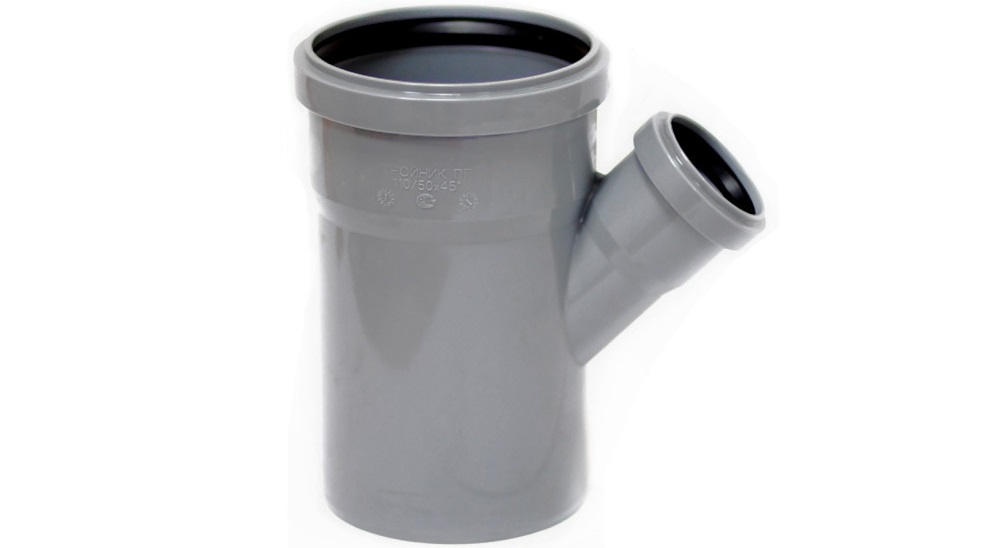














Add a comment