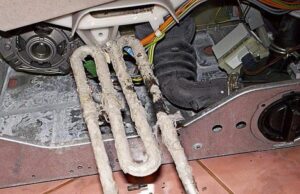
Washing machine owners periodically need to replace the heating element. It's not exactly the most vulnerable part of the machine, but due to extremely hard tap water and power surges, heating elements often stop working. You can replace the element yourself, without calling a professional. Even a novice can handle this job. We'll explain how to choose the right heating element for your washing machine and what heater parameters you should pay close attention to.
Is it possible to install a more powerful heating element?
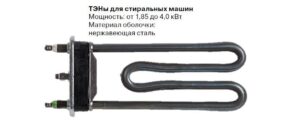
First, it’s worth finding out how powerful the heating element in your washing machine is. Some heating elements can have a working power rating of up to 2200 W, but devices with a power rating of 1800-1900 W are more common. The higher the value, the faster the water in the tank is brought to the desired temperature, but the energy consumption also increases.
According to experts, heating elements of different power ratings are suitable for many automatic washing machines.
For example, if you remove the original 1.9 kW tubular heating element from your washing machine and can't find a comparable one, you can easily install a 1.8 kW heating element. The main thing is that the element matches the other parameters. There's nothing wrong with this "replacement," except that your "home helper" will heat the water slightly slower. Installing more powerful heating elements is also acceptable. However, the increase in power should be reasonable—no more than 0.1-0.2 kW. However, if possible, it's better to install the original heating element with a rating similar to the original one.
The heating element's power rating (printed on the part's casing) is essential for testing the element. Using the simple formula R=U²/P (where "U" is the line voltage), you can calculate the part's operating resistance. For example, an 1800-watt heater should produce a resistance of 26.9 ohms (plus or minus 3 ohms).
To test the heater, you'll need a multimeter. Set the tester to resistance mode and attach its probes to the component's terminals (right and left). The middle bolt is the ground; it shouldn't be touched. If the multimeter display shows a value between 23 and 30 ohms, the heating element is working properly and won't need to be replaced. A zero on the multimeter display indicates a short circuit within the heating element. A one or an infinite number indicates an open circuit in the heater. In either case, the element will need to be replaced.
Required parameters of the part
To ensure that the repair goes smoothly, you need to select the correct heating element. The ideal option is to remove the faulty heater from the washing machine and take it to the store. A consultant will inspect the part and help you find a complete replacement. If the selection of automatic washing machine parts in your area is limited and you have to order the part online, you need to be very careful when selecting a heating element. It's important to consider not only the heating element's wattage but also a number of other characteristics.
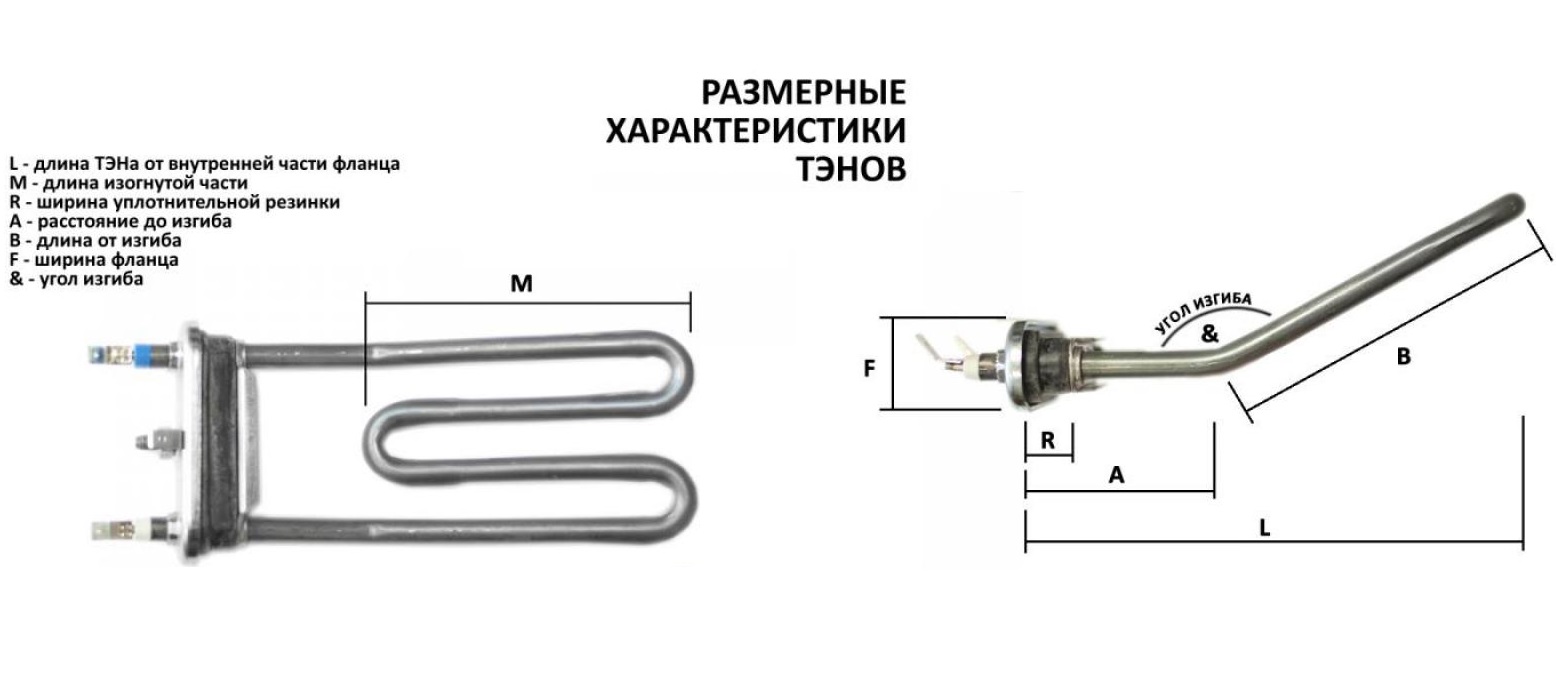
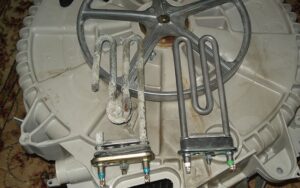
Mounting location. The heater you purchase must precisely match the dimensions of the hole it's intended for. It's best to measure the length of the heating element to avoid making a mistake when choosing. The dimensions of most parts are the same, but if your washing machine is relatively new (10-15 years old), there will be some differences.
Fitted with a flange. If your washing machine came with a heating element with a flange, it's best to install a similar element, although this isn't necessary. However, if the original heating element didn't have this additional "device," it's important to replace it with a part without a flange.
Dimensions. Short, medium, and long tubular heaters are available. While a larger heating element won't fit, a smaller one will.
Shape. Most automatic washing machines are equipped with straight tubular heating elements. However, some models may have curved heating elements. Therefore, be sure to remove the element from the machine and inspect it before ordering a new one.
Thermostat connection hole. Some heaters have special cavities for the temperature sensor. So, instead of a heating element with a hole, you can easily install a heating element without one, but you'll have to use a plug. If your machine has a separate thermistor, you can safely buy a heating element without any holes.
Heating element coating. This factor will only affect the reliability and wear resistance of the tubular heater. Otherwise, the coating plays a minor role when selecting a component.
When choosing spare parts for a washing machine, it is better to pay attention to the manufacturer of the heater.
When choosing a heating element, it's recommended to consider the Italian brand Thermowatt. This brand's components are highly reliable. IRCA components are equally reliable – their heating elements are equipped with a fuse, which extends the lifespan of the unit.
What types of heating elements are there?
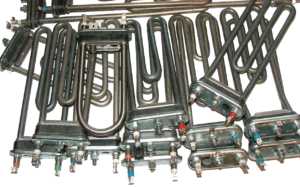
Heating element designs are numerous. To cover them all would require a very long article. All this information would be redundant, as understanding how to choose the right heating element can be achieved with just a few examples. For example, you might find heating elements in the following designs.
A classic heating element with a power output of 1.9 kW. The unit is 175 mm long and has a hole for a temperature sensor and a flange.
A universal tubular heater with a 1.6 kW rating and 18 cm length. It has no flange and a hole for a thermistor. It is primarily used in Samsung washing machines.
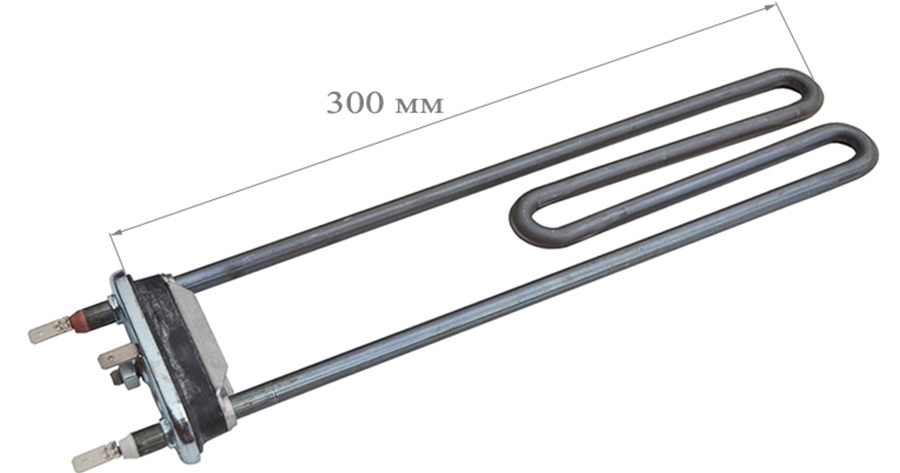
An extended heating element measuring 30.5 cm in length boasts a high power output of 2 kW. The straight element is equipped with a temperature sensor, a flange, and a rubber seal.
The standard heater is rated at 1.9 kW and 173 mm long. It has a flange but no hole for a thermostat.
A long 305 mm heating element. Installed on some LG models. It has a 2 kW output, a flange, and a thin sleeve.
As the examples show, heating elements come in a variety of sizes. Therefore, it's crucial to remove the faulty part and measure its length. Also, check for a flange and a hole for the thermostat. This will help you choose the right components. Choosing the right part will save you time and money.

 Washing machine owners periodically need to replace the heating element. It's not exactly the most vulnerable part of the machine, but due to extremely hard tap water and power surges, heating elements often stop working. You can replace the element yourself, without calling a professional. Even a novice can handle this job. We'll explain how to choose the right heating element for your washing machine and what heater parameters you should pay close attention to.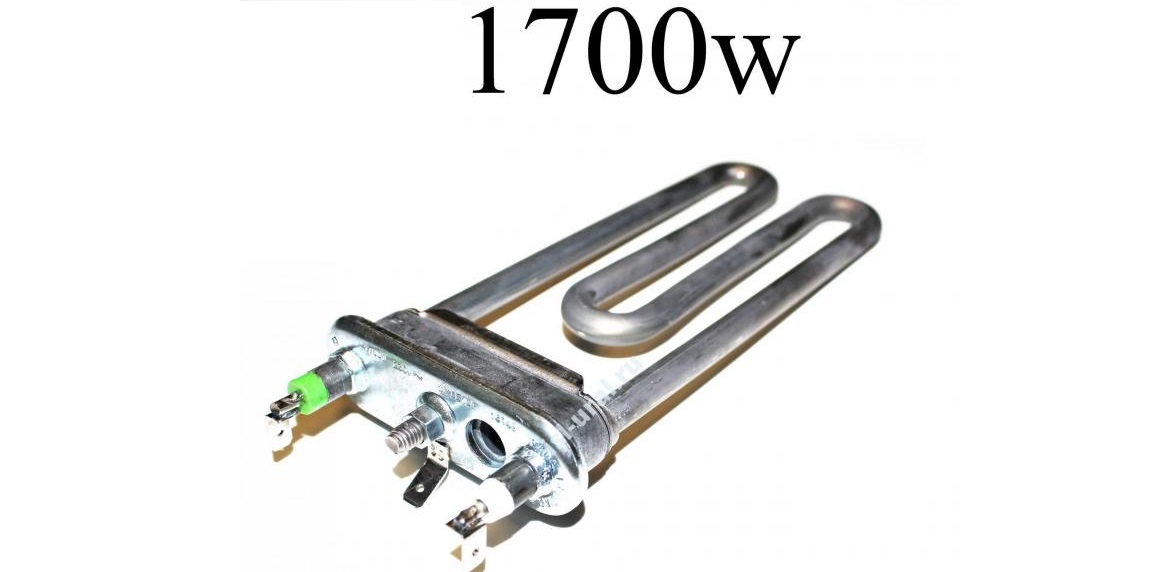















Add a comment