
How to turn off a dishwasher
 Turning a dishwasher on and off is usually straightforward. However, there are times when it's necessary to forcefully shut it down, for example, if a housewife forgot to load some dishes, or if you need to leave the appliance running and don't want to leave it running. The need to shut it down is often due to a malfunction, but this doesn't affect the emergency shutdown process. We'll explain how to do it correctly.
Emergency shutdown of the dishwasher
You can stop the work cycle on any dishwasher, regardless of brand and model, but the process will be different. Because of this, it is best to read the instructions first and only then proceed. But if you don't have time to read the manual, or don't have the document at hand, you can use our short guide. What do you need to do to turn off the dishwasher while it's running?
- If you need to quickly add dishes or remove something from the washing chamber while it's already actively washing, you can either pause your dishwasher or simply open the door, which is useful for some models. Once you've finished, simply close the door to resume the program.
Do not lean too close to the door when opening it - you may be sprayed with hot steam, which will cause a serious burn.
- To turn off the dishwasher after the working cycle is complete, press the power button and open the door, remembering to take standard safety precautions.
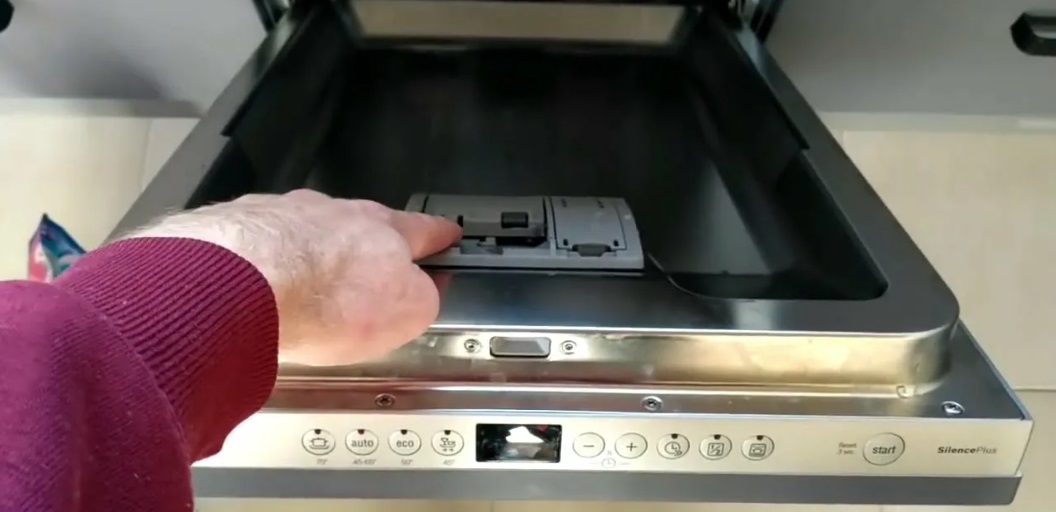
- To interrupt a current wash cycle, press the power button and wait until the program indicator goes out. Then press the button again to reactivate the indicator and complete the selected cycle as quickly as possible. Check your user manual to ensure your dishwasher has this feature.
Do not overuse the described actions, because if you open the door frequently after the wash has started, air will enter and heat up inside the wash chamber, which, due to the heat, will begin to expand and displace water into the emergency tray. This may trigger the leak protection, so it is best to open the dishwasher door as little as possible.
Why disable the dishwasher completely?
In rare cases, it's necessary to completely shut down the dishwasher, for example, if the machine is installed in a summer house that needs to be winterized and all appliances installed in unheated rooms need to be turned off. This is easy to do, especially if you previously installed the appliance yourself. It's crucial to drain all remaining water from the appliance before unplugging.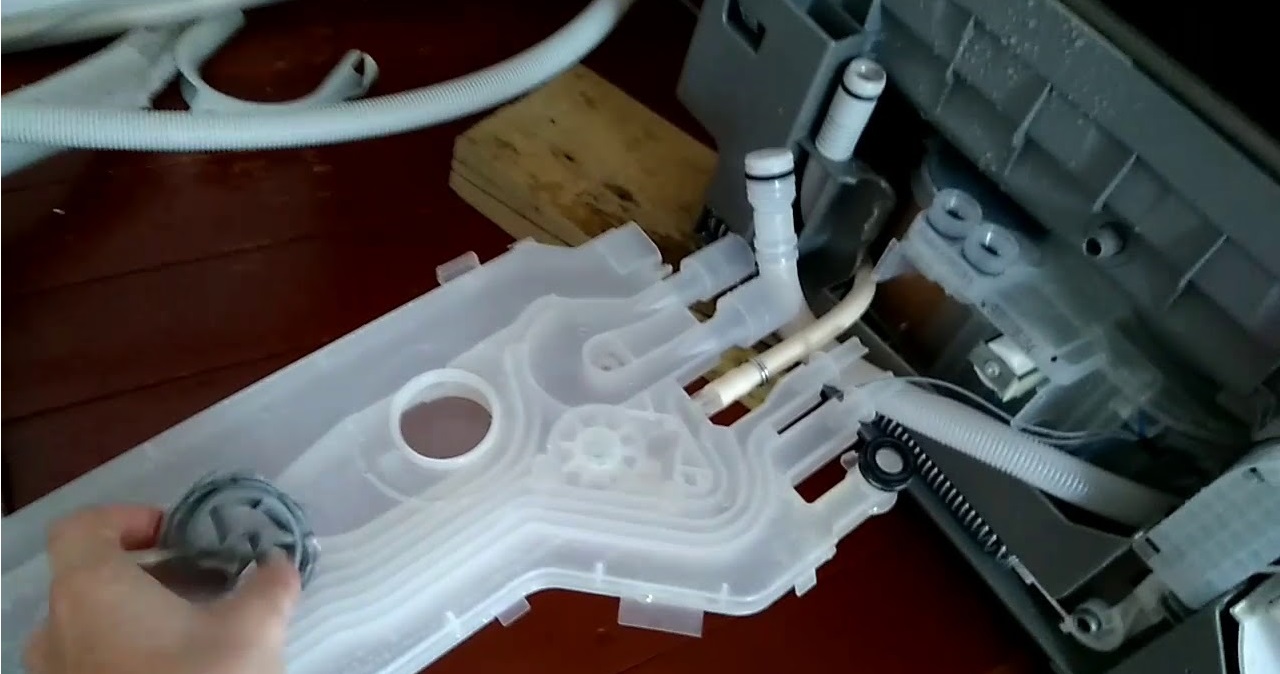
This is necessary because if the waste liquid isn't removed, it can cause rust to form over the winter. That's why it's so important to drain all the water before unplugging, and also remove any dishes that may have been stored in the wash chamber. This is especially important when moving, as dishes can break during transport and damage the dishwasher's internal components. The machine should also be unplugged if it needs repairs or replacement.
We dismantle the dishwasher
Whatever the situation, a complete shutdown is no different. Prepare screwdrivers and wrenches, and examine the device's fasteners to ensure you have all the appropriate tools. Once everything is ready, you can begin disassembling.
- Unplug the machine.
- Close the shut-off valve of the device.
- Carefully remove the bolts securing the dishwasher bottom panel.
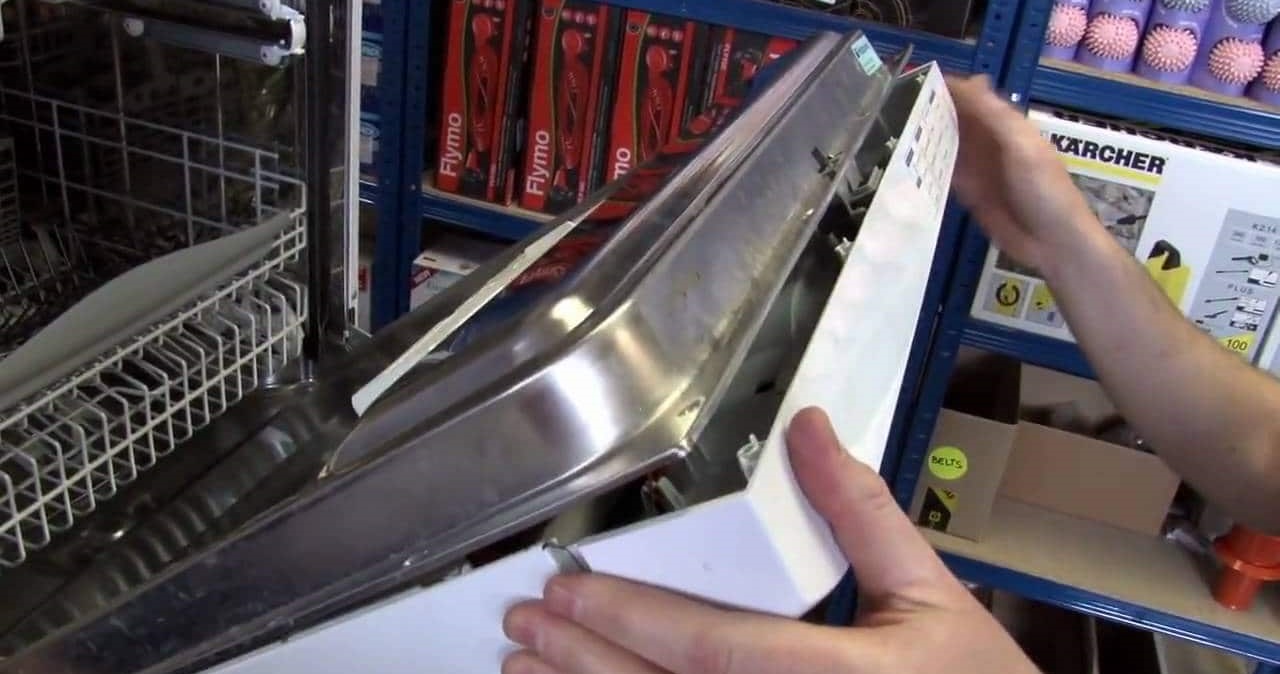
- Remove the inlet hose, remembering to first unscrew the retaining nut.
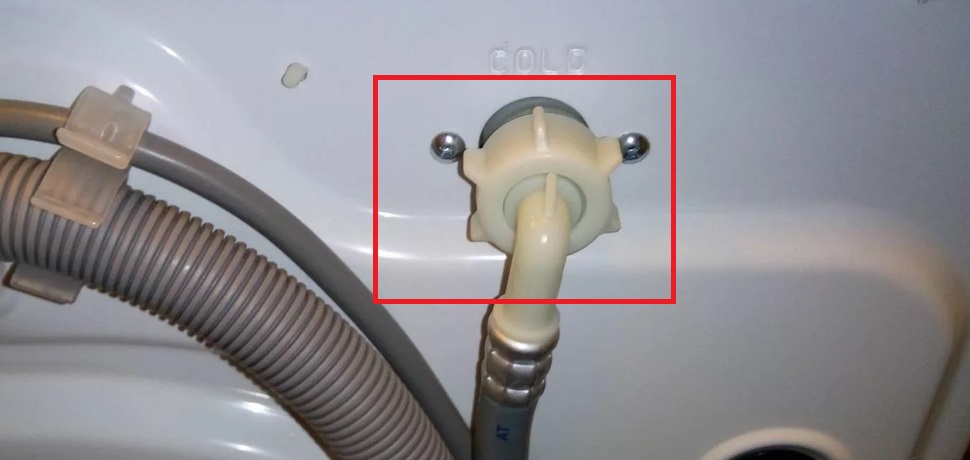
- Prepare a basin or other convenient container so that you have somewhere to drain the remaining water.
- Remove the fasteners from the junction box - this will give you free access to the cover.
It's a good idea to take a few photos of your wire connections so that you have a clear example of the correct wiring during reassembly.
- Disconnect the wiring.
- Remove the fasteners and the bolt from the bracket, which will allow the cable to be removed.
- Loosen the seal with a small screwdriver to access the cable.
- Locate the drain location, which is usually located under the sink.
- Loosen the clamps on the drain hose, remove it and pull it through the kitchen cabinet.
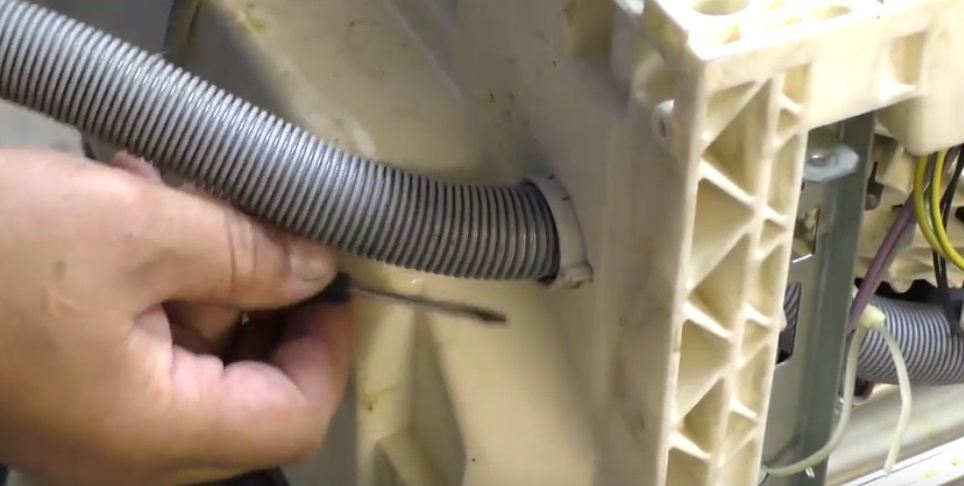
- Open the sink door to remove the fasteners from the "home helper" to the kitchen cabinet.
- Loosen the machine's feet - they may have been secured with screws for balance.
- Carefully remove the dishwasher by pulling it towards you.
If you have a fully built-in appliance with a hinged front, you will also need to remove the door, having first removed the screws located around the perimeter of the door on the bunker side. All of the procedures described are easy to do yourself by carefully following our instructions, so there's no need to call a service center specialist.
Remember about safety
During any renovation work, it's important to remember safety precautions. The standard list of such precautions is generally familiar to everyone, but it's worth repeating, especially since the points are very important.
- Always disconnect equipment from the power supply if the equipment needs to be repaired or completely dismantled.
- Be sure to turn off the water supply before disconnecting the dishwasher hoses to avoid flooding your floors and the neighbors below.
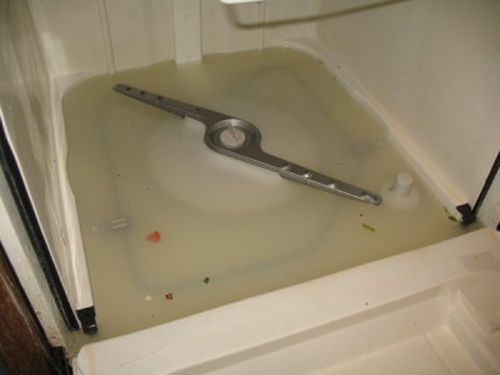
- Don't turn off the dishwasher until you're sure there's no wastewater left. To get rid of the wastewater, turn on the drain and lower the hose into a small bucket or basin to catch the water.
- In certain situations, to seal the hole that is needed to allow water to enter the unit, you need to purchase special steel pipe caps.
- The hole must be kept sealed even if the water supply is turned off.
Always plan out the scope of work in advance so that you have a clear idea of all the stages of dismantling, the order in which things need to be done, and what you need to prepare for it.
Problems that require removal of the machine
Most often, disabling your dishwasher is necessary due to various malfunctions requiring user intervention. Here are the most common issues that require disabling your dishwasher.
- During the operating cycle, a large amount of water remains inside the appliance. Be careful not to spill all the liquid on the floor while disconnecting the hoses.
- Dishes aren't being washed completely. If stains remain on your utensils, the problem may be a blockage. To resolve this, turn off the appliance and inspect it thoroughly.
- Your electricity consumption has increased. If you've noticed your utility bills rising, it could be your water heating element, which you should check visually and with a multimeter.
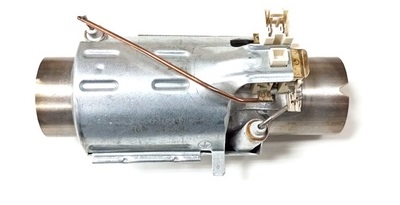
- The water is constantly overflowing. The problem may lie with the water level sensor, also known as the pressure switch. If it's broken, it needs to be replaced.
- The dishwasher won't turn on. This is most often caused by a faulty power strip or a faulty power button.
- Water is pooling under the machine. This is usually due to damaged hoses or a faulty water collection bin.
Any of the above situations warrants a complete shutdown of the appliance and further inspection at home. Carefully review the listed reasons, and if you are unable to repair it yourself, call a technician.
Interesting:





Readers' comments
Headings
Washing machine repair




For buyers




For users


Dishwasher




Add a comment