
Height of the outlet for the washing machine
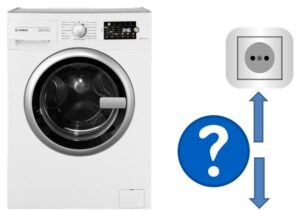 The power cord and hoses are included with the washing machine, but the user must connect the utilities on-site. This includes both the sewer and water pipes, as well as the electrical outlet. The latter is the most challenging – you need to prepare a separate outlet that meets all safety requirements. It's important to maintain the required outlet height from the floor, protect the outlet from moisture, and calculate the required power from the circuit breaker. It's best to call an electrician, but you can do it yourself using our instructions.
Where to place the electrical outlet in the bathroom?
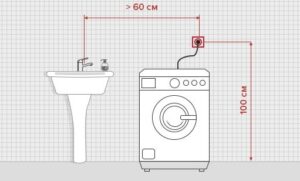
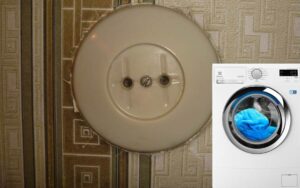
When choosing a location for a washing machine outlet, it's important to consider several factors. The first is safety. According to the electrical equipment code for residential buildings (VSN 59-88), electrical outlets should not be installed under or above sinks, or near water or sewer pipes. This will prevent moisture from getting on the wires in the event of an accident. The minimum distance from risers is 60 cm.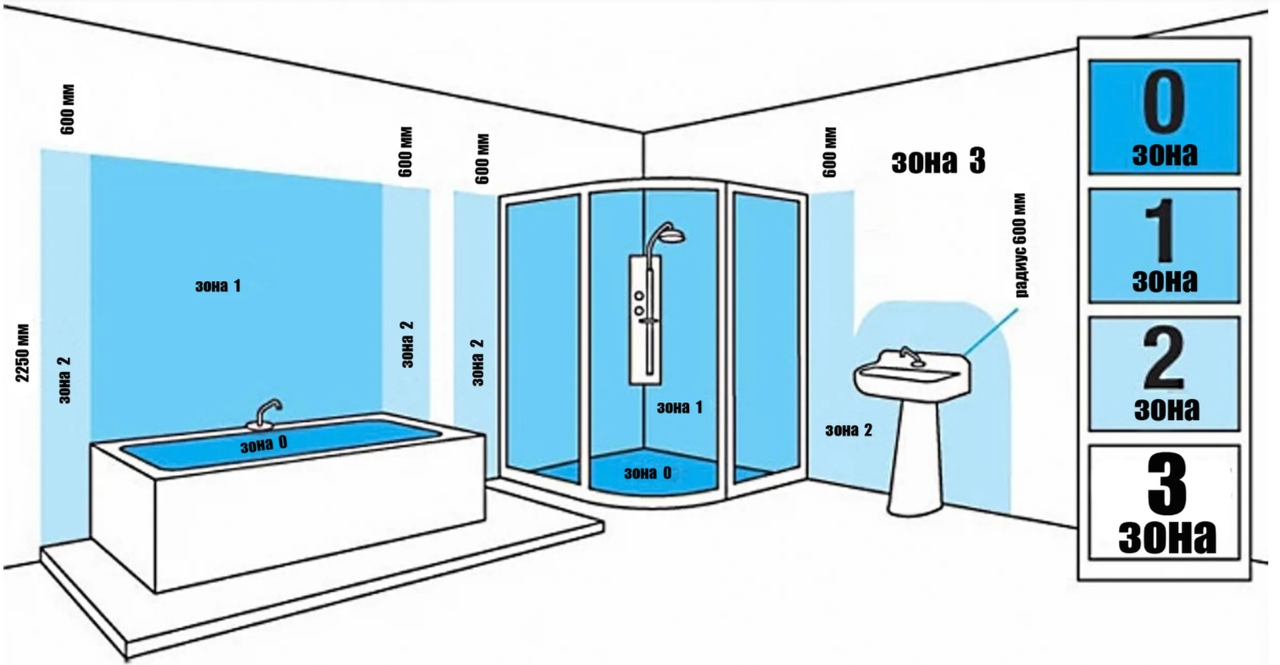
As for the installation height of the socket, the optimal value is considered to be 1-1.25 meters. It is important to raise the point from the floor by at least 60 cm so that if the room is flooded, water does not get onto the contacts.Although there are no specific instructions here – everything depends on the wishes and caution of the tenant.
According to VSN 59-88 standards, sockets cannot be located at a distance of less than 60 cm from a sink, bathtub, sewer or water riser.
The second consideration concerns ease of use. Experience shows that the most comfortable outlet height is 90-100 cm from the floor. If the washing machine user is shorter or taller, it makes sense to lower or raise the outlet. The third consideration is accessibility. A plugged-in washing machine should be easily accessible from the outlet. Most washing machines come with a 1.5-meter power cord, so extending the outlet any further is not recommended. Otherwise, you'll have to replace the factory cable or risk using an extension cord.
The principle of connecting the machine to the power supply
A washing machine requires an electrical connection, just like water and sewer systems. It's simple: without power, the machine won't work. The machine is connected to the central power supply via a power cord and outlet. The first is included with a new washing machine, and the second is installed according to safety requirements:
- voltage – 220V;
- the maximum permissible load current must correspond to the power of the operating equipment with a margin;
- stationary installation (a separate socket is allocated for the machine);
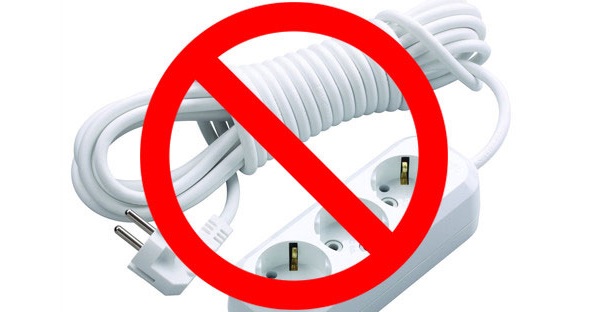
- refusal of extension cords and extension cables;
- inclusion of a residual-current device or grounding device in the circuit.
An important parameter is whether the outlet meets the requirements of the appliance. It's easy to determine how much current the washing machine will require during operation. Simply find the washing machine's wattage in the manufacturer's manual, divide this value by the line voltage (220 V), and round up. Typically, electrical installations rated for 6, 10, 16, or 25 amps are required. Ideally, choose an option with a reserve of 16 or 25 amps. A third wire, a grounding conductor, is a must.
If the washing machine is installed in the kitchen, hallway, or bedroom, there are no special requirements for the outlet. However, if the machine is used in a bathroom or shower, it's a different matter. In this case, it's necessary to consider protecting the outlet from moisture. The reference point is a special document – GOST R 50571-7-701-2013, which sets out the standards and conditions for the operation of low-voltage electrical installations. According to GOST:
- It is permitted to install sockets in the home bathroom;
- It is prohibited to install electrical installations in bathrooms and showers for industrial and public use;
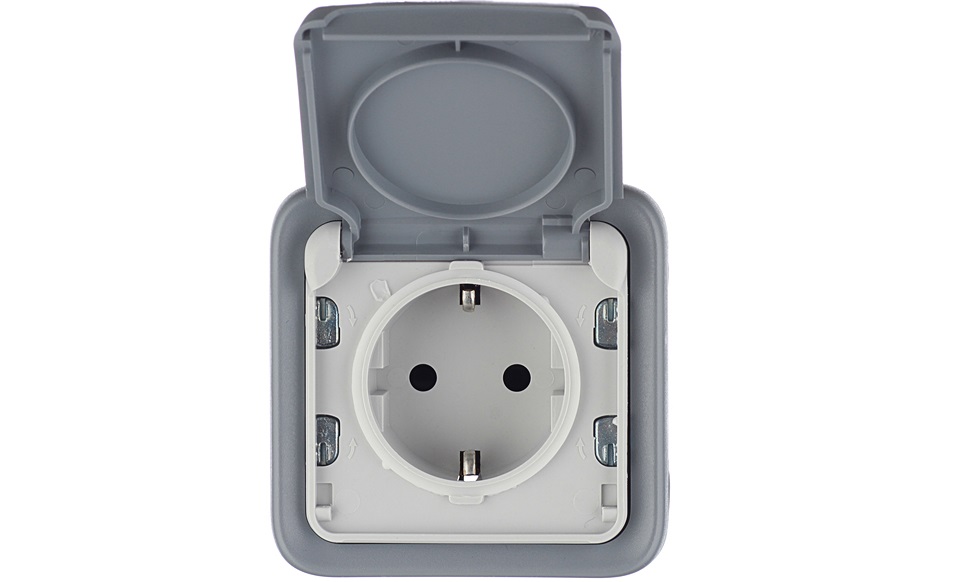
- It is necessary to select a socket with a moisture-proof housing.
Only sockets with a moisture-proof housing are installed in the bathroom!
The last point is crucial. It's important to remember that when using a bathtub or shower, water may splash, which can lead to short circuits and electric shock. The second issue is condensation, which forms from water vapor. To protect your life and health, it's essential to protect the wiring with a special moisture-resistant enclosure.
A socket with a moisture-proof housing?
Proper placement is only the first safety requirement. The second concerns the socket's design. The electrical outlet must be protected from moisture. This can be achieved in three ways: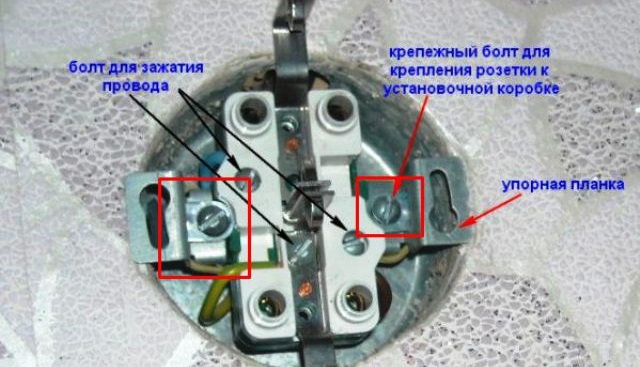
- a “curtain” provided inside the socket, which drops down and blocks access to the contacts immediately when the plug is pulled out;
- spring-loaded lid that closes tightly when the fork is removed;
- the presence of mechanical seals in the holes for the plug, preventing moisture from penetrating through the housing to the contacts.
You can determine the outlet's moisture resistance rating by looking for a special marking. Look for the two-digit IP rating on the label or packaging. The first digit indicates the structure's protection against dust, while the second indicates its resistance to moisture. For example, for a washing machine, you should choose devices with an IP rating of IP44 or higher.
Organization of electrical communications
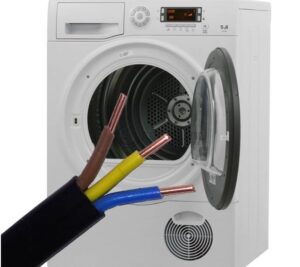
To connect the washing machine to the power supply, a separate three-wire cable is required. It runs from the junction box to the intended destination, and the third wire must be connected to the protective earth bus. This last step will protect the user in the event of a current leak on the machine's housing. There are a few other considerations when organizing the electrical connections:
- the socket must be powered from a separate line;
- washing machines are allocated an individual machine;
- the leakage current at which the circuit breaker is triggered must have a limit of up to 30 mA;
- It is recommended to include a stabilizer in the circuit to protect the washing machine from voltage surges.
The socket allocated for the washing machine must be connected to a separate line and an individual residual current circuit breaker.
Electricians recommend using RCDs or residual-current circuit breakers with a rated tripping current of 10 mA. These devices are more expensive but respond quickly, providing comprehensive protection against faults in the frame. When installing a circuit breaker, a rating of 16 A is sufficient.
We purchase a suitable wire
When choosing a cable for powering household appliances, it's important to follow standards and recommendations. For example, copper wires and concealed wiring are used for washing machines. This ensures safe operation of the machine, without the risk of fire or accidental RCD tripping. The cross-section of the wire used to power the washing machine depends on the power of the machine being installed. Generally, 2.5 mm is sufficient, but it's best to choose a larger wire to prevent overloading the circuit.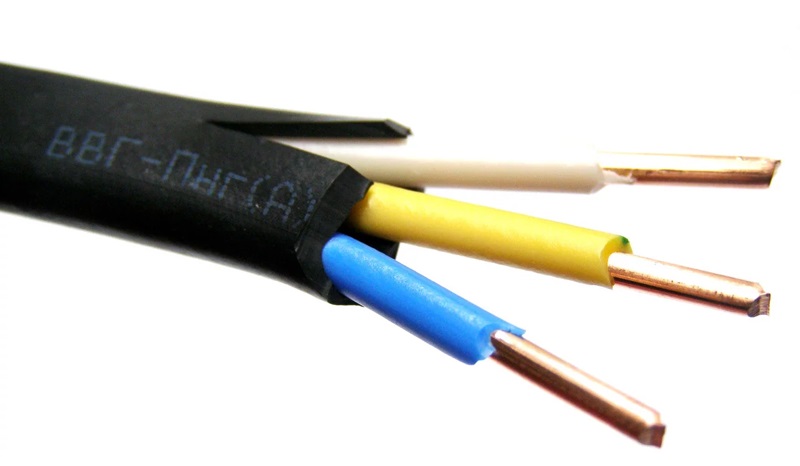
If your apartment has aluminum wiring with a 1.5 mm diameter core, it's best to consider replacing it with a safer one. At a minimum, you should install a new line for the washing machine. Otherwise, the cable will heat up, melt the insulation, and pose a fire risk.
Is it worth installing a multi-plug socket?
The safest option is to allocate a separate outlet and circuit for the circuit breaker. Using a dual outlet or connecting a water heater or hair dryer to the same outlet as the washing machine is strongly discouraged. This could cause an overload of the circuit, tripping the RCD, and causing a fire.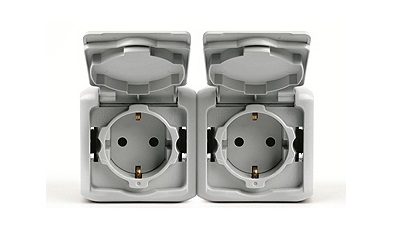
It is worth understanding that modern technology is very powerful. If you turn on a dryer or hair dryer while the washing machine is running, the socket simply won’t be able to withstand the pressure. It's better not to take risks and create a group of separate sockets in the room for each device.
Installing a socket
The final step in wiring your washing machine is installing the outlet. You can do this yourself, but be sure to follow a consistent process and remember safety precautions. First, use a marker to mark the wall: the height of the outlet, its location, and the route of the future wiring. Next, follow these steps:
- we de-energize the room, or better yet, the entire apartment;
- We use an indicator screwdriver to check that there is no current in the apartment;
- take a hammer drill, turn off the impact mode and insert a nozzle into it that is the size of the socket box;
- we drill a hole;
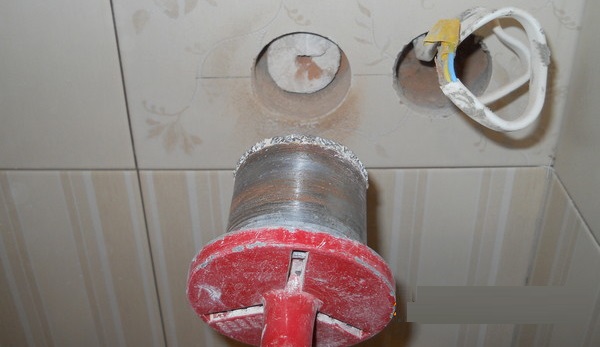
- We make grooves for the cable along the drawn line using a hammer drill or grinder;
- we install a new RCD in the electrical panel;
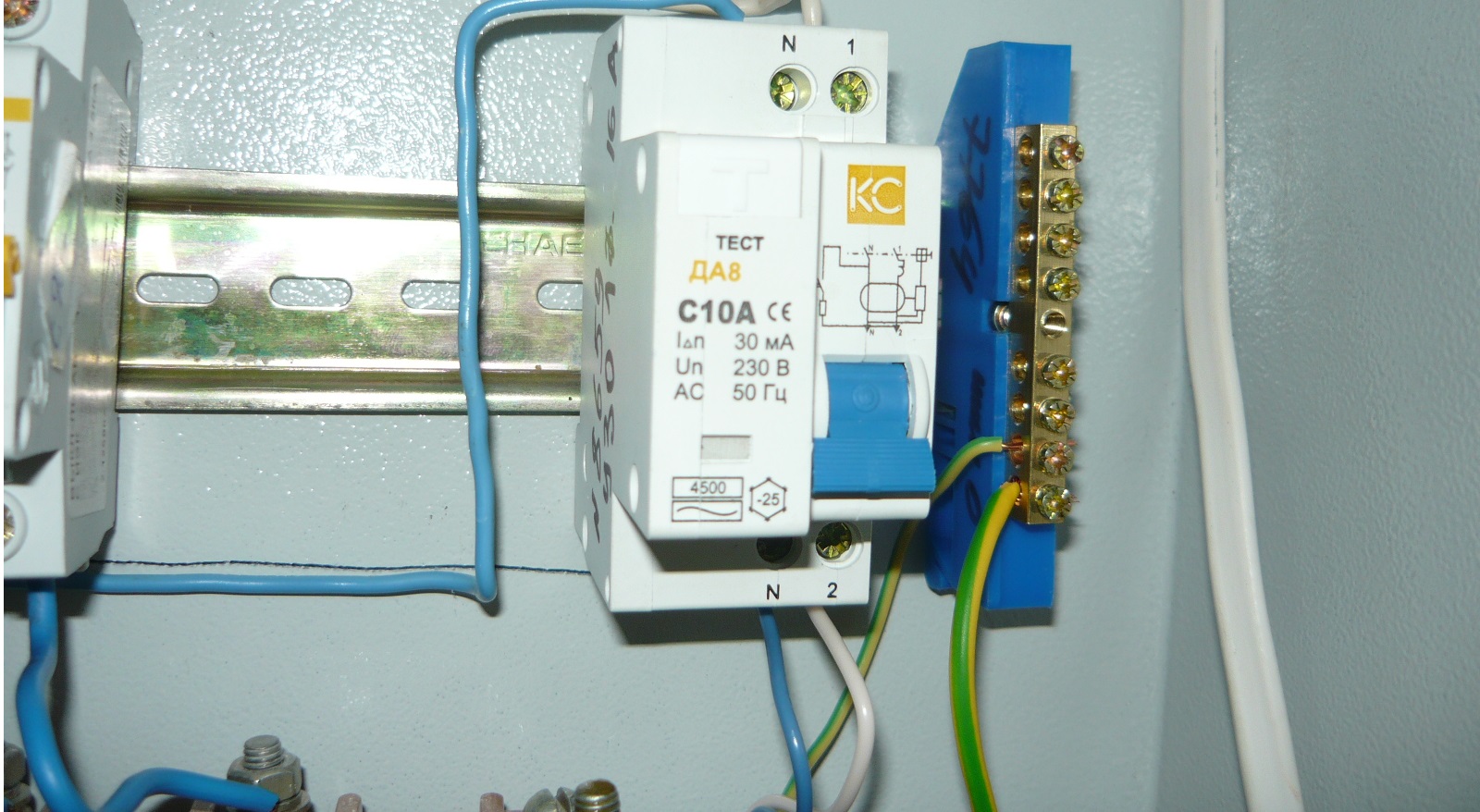
- we connect the wire to the RCD and pull it along the groove to the future socket;
- We put some gypsum mortar into the hole for the socket, onto which the socket box is fixed;
- we fix the cable to the wall;
- we bring the wires and part of the wire into the socket box (it is better to have some extra wire to make it easier to replace the socket later);
- insert the socket;
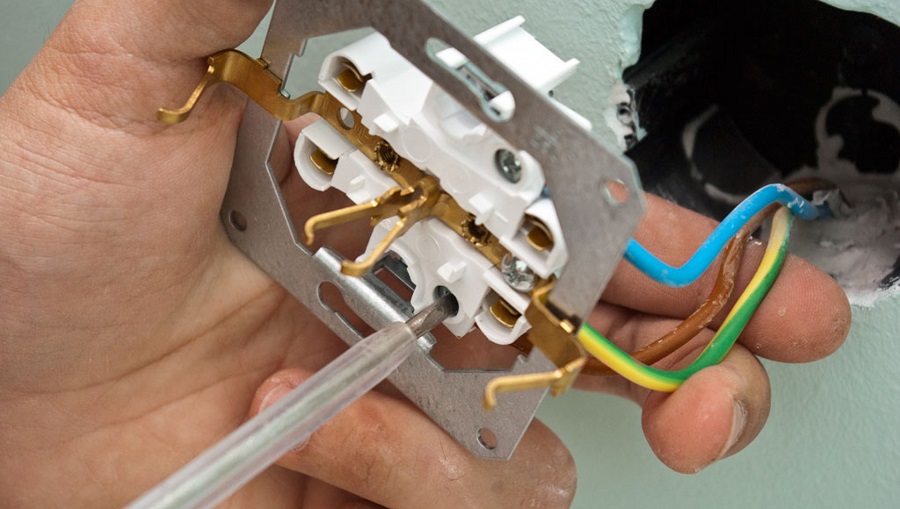
- we connect the wires to the socket contacts;
- We snap the socket cover into place.
It's dangerous to immediately connect a washing machine to a new outlet. It's best to test the connection first on a less expensive appliance, such as a table lamp or hair dryer. If everything works, the installation was done properly.
Interesting:

Readers' comments
Headings
Washing machine repair




For buyers




For users


Dishwasher




Add a comment