
Column arrangement of outlets for a washing machine and dryer
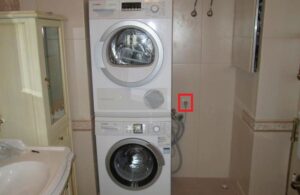 If an apartment has both a washer and dryer, they're often stacked. This arrangement is very convenient. Firstly, it saves space, and secondly, the appliances are close together, allowing you to quickly transfer laundry from one drum to the other.
When arranging appliances this way, you'll need to consider a number of nuances. For example, consider the height of the stacked washer and dryer outlets and provide space for connecting the circuit breakers to the utility lines. Let's explore these nuances.
Making outlets for a washing machine and dryer in the bathroom?
When installing devices in a column, special attention must be paid to their connection to the electrical network. It is essential to provide a separate outlet for both the washing machine and the dryer. Otherwise, when two units are turned on simultaneously, the point will operate under increased load.
If the washer and dryer are installed in the bathroom, it is better to purchase sockets with the highest level of moisture protection.
Machines typically require new electrical outlets. Therefore, before installing the appliances in the column, consider the location of the electrical connections. It's best to locate them away from the cabin, bathtub, sink, and other wet areas. This will prevent water from getting into them.
Ideally, place electrical outlets near the bathroom exit. This location is considered the most ventilated and safest. Of course, make sure the power cords for the machines are long enough. Using extension cords to connect washing machines and dryers is prohibited.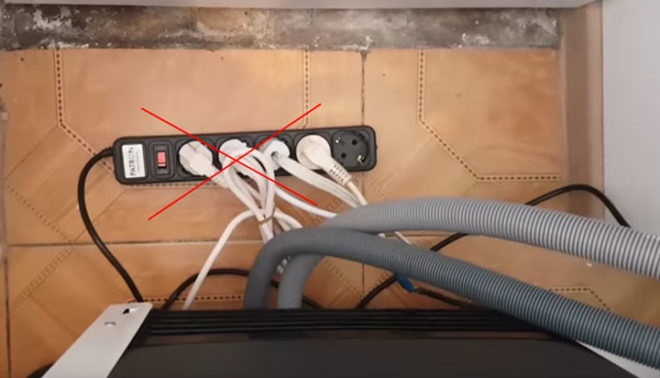
Electrical outlets are installed on the wall, at least 25 centimeters above the floor. This is a basic safety requirement. The height may be higher, 40 or 60 cm, but the main thing is not to fall below the established minimum.
It's best not to install electrical outlets too high—at least 180-200 cm above the floor. This will make it difficult for a homeowner, especially one of shorter stature, to reach them if they need to quickly turn off the power to appliances.
Once you have a layout plan in mind, it's recommended to transfer it to paper. Draw a sketch, outlining how the wires will run from the panel to the outlets. This will help you calculate how much cable you'll need.
It's important to consider not only how many wires are needed but also what their cross-section should be. Washing and drying equipment places a significant load on the electrical system. The cable type is determined based on the machine's power rating.
You can find the wattage of your washer and dryer in the instructions. This information is often printed on the appliance body. You should also consider what other devices you'll be connecting to the outlet. This information will determine the required wire gauge.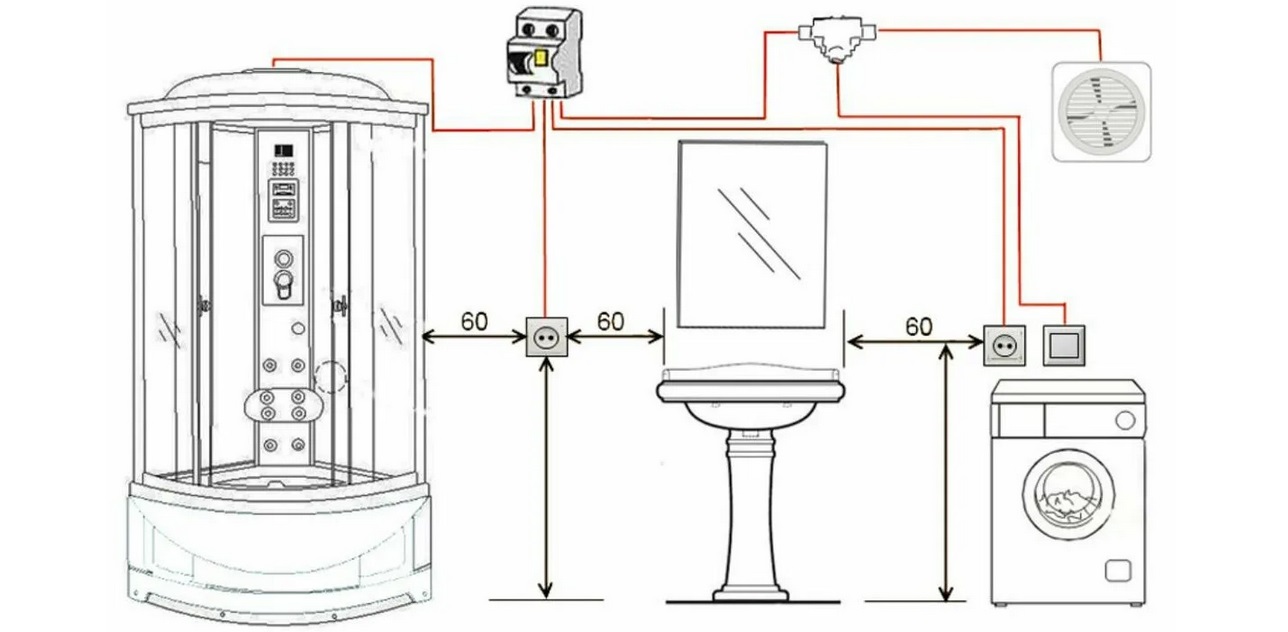
For example, a 1.5 mm thick cable can easily support a load of 4.1 kW. This cable is suitable for both washing machines and dryers. However, experts recommend choosing materials with a reserve, so it's best to choose a 2.5 mm thick cable.
Once you've determined what kind of cable you need, you need to begin planning the future wiring route. Here are a few guidelines to follow:
- avoid “wet” areas (these are the walls near the bathtub, shower stall, sink);
- Do not plan to lay cables along load-bearing walls - their surface is difficult to cut due to the reinforced mesh provided inside;
- the installation route should be the shortest possible - this will allow you to save on materials;
- The new wire must not cross other branches of the electrical network.
Ensure that the line is protected by a separate circuit breaker. This is necessary to protect equipment from power surges. Experts recommend installing an RCD with a cutoff current of 10-16 amps.
Before chasing the walls, mark lines on their surface in places where the niche for the wires will pass.
The algorithm of actions for organizing new sockets will be as follows:
- mark the locations of the sockets on the wall;
- draw lines that follow the wiring route;
- insert a metal socket box bit into the hammer drill;
- drill two round holes for the sockets;
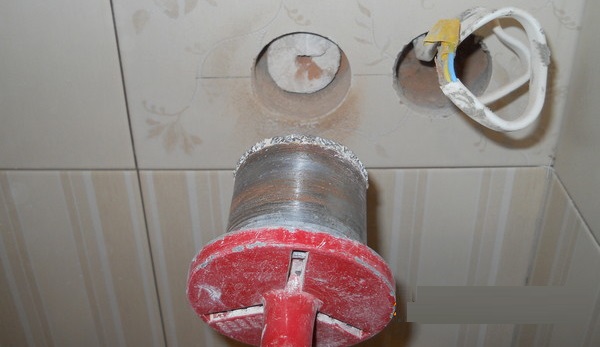
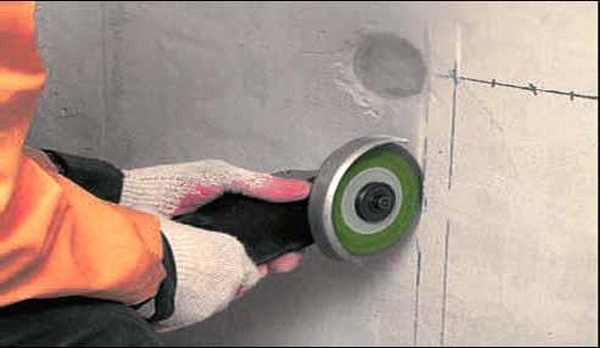
- start cutting a groove for the wiring along the pre-marked lines;
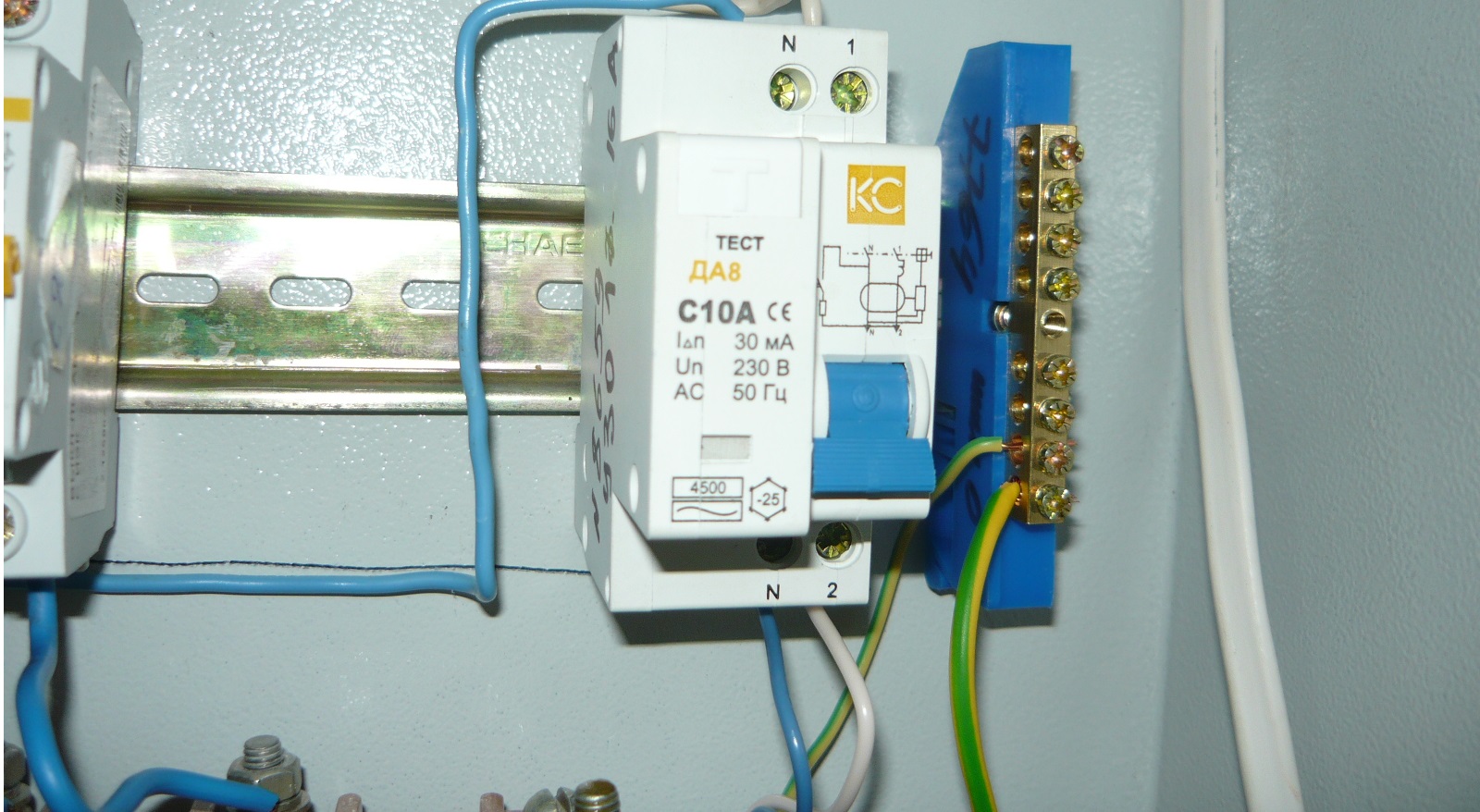
- Install two separate RCDs in the electrical panel going to the bathroom. Remember to de-energize the terminals first;
- connect the wires to the RCD and start pulling them along the made grooves;
- prepare some cement mortar;
- Fill the holes for the sockets with cement about a third of the way, install plastic socket boxes on top (plaster can be used instead of mortar);
- secure the wiring to the wall;
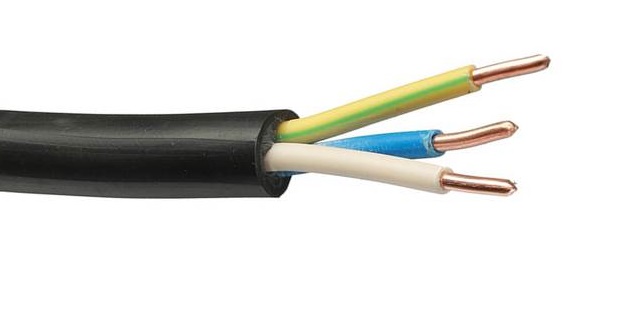
- bring the wires of each cable to its own socket;
- fix the “insides” of the sockets in the socket box (keep in mind that by this point the cement mortar should dry and “seize” the structure);
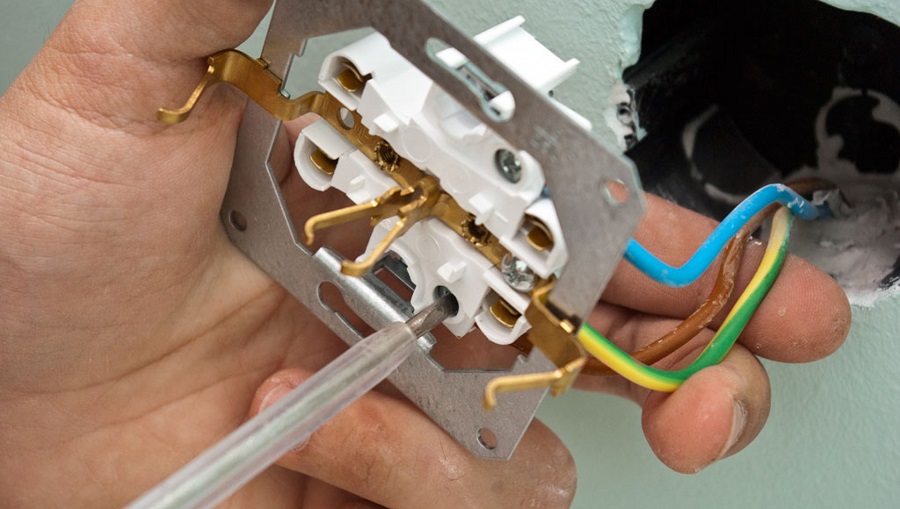
- connect the cable wires to the socket contacts;
- Install the outer part of the sockets.
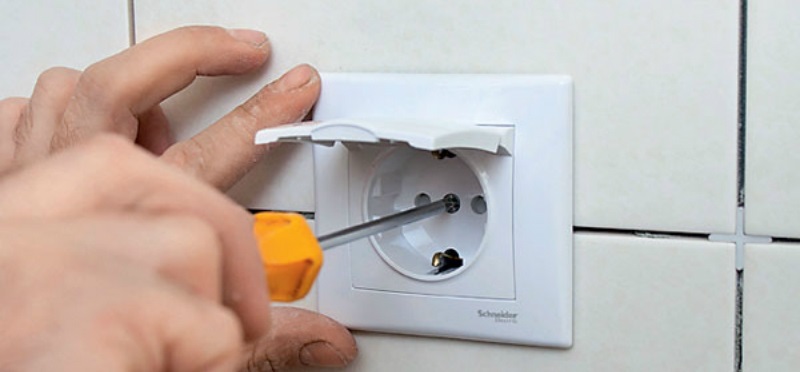
Next, you need to test the installed outlets. Connect any household appliance to them. If everything is OK, you can close the grooves in the walls.
If you don't want to cut grooves in the walls, you can install external wiring and cover it with special plastic boxes. However, this option is not recommended for cable installation in rooms with high humidity.
Tips for installing machines in a column
When deciding to place a dryer on top of a washing machine, there are a number of nuances to consider. Particular attention must be paid to the fastening of the column instruments. The equipment vibrates during operation, so the fasteners must be reliable.
Experts recommend:
- Calculate in advance whether the wall can withstand such a load. If it's a plasterboard partition, attaching equipment to it is dangerous;
- do not use fasteners of dubious quality;
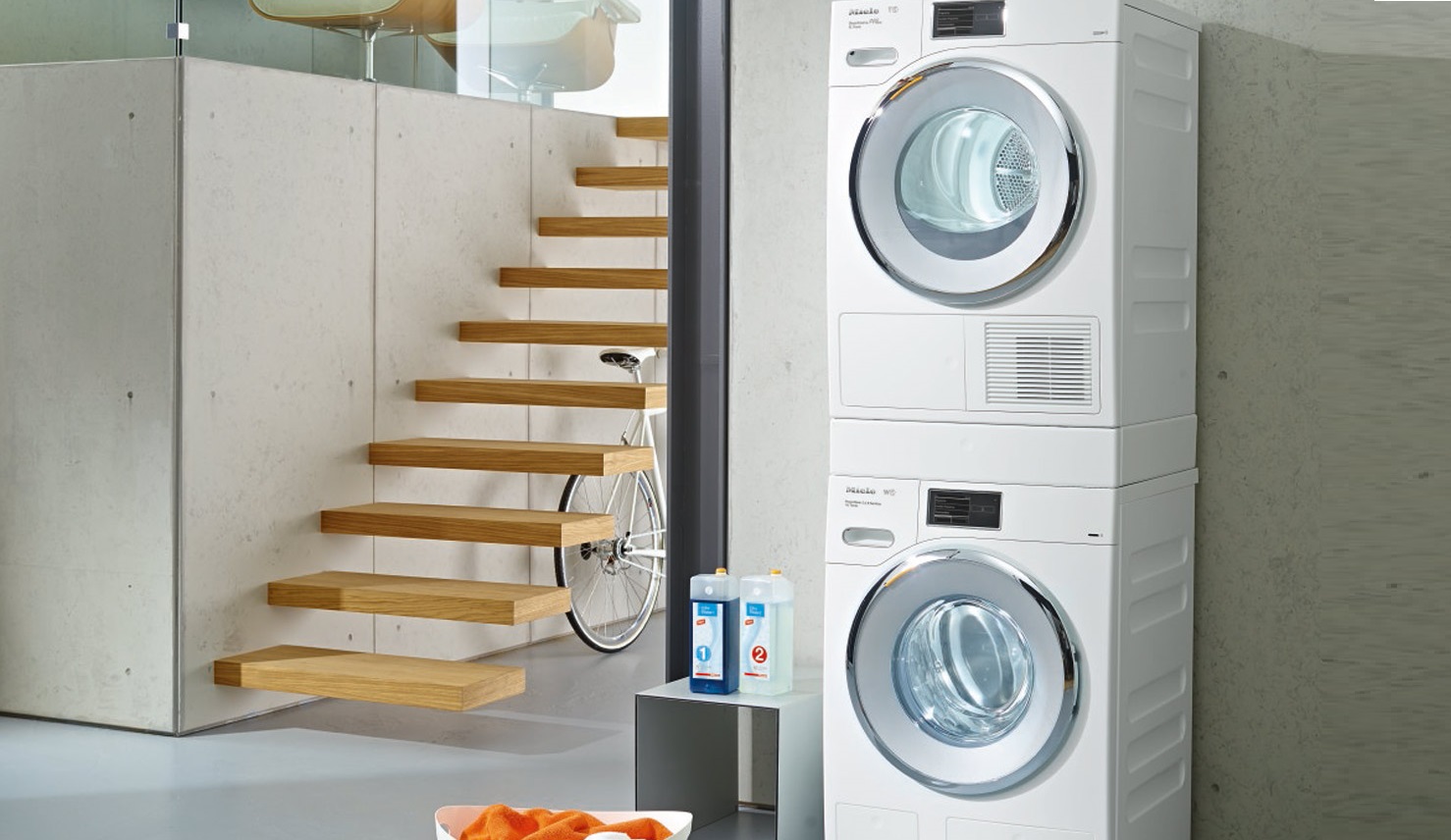
- Do not turn on the washing machine and dryer at the same time, otherwise strong vibrations of the appliances may loosen the fastenings;
- install the units at a short distance from the wall, as the devices vibrate quite strongly during operation;
- Buy equipment of the same size. The washing machine and dryer should not be narrower;
- Buy cars from one manufacturer, this will help create a harmonious column.
When forming a column, remember that the washing machine is always placed at the bottom, and not vice versa.
A washing machine weighs significantly more than a dryer. It also vibrates more during operation. Therefore, it is always placed at the bottom.
If possible, it's best to entrust the column installation to professionals. They will quickly and expertly install the fixtures and securely fasten them. When installing yourself, be sure to follow the instructions and adhere to the recommendations.
Interesting:

1 reader comment
Add a comment
Headings
Washing machine repair




For buyers




For users


Dishwasher




The article is good, thank you. However, there's still no clear answer as to where to install the outlets. The washing machine is on the bottom, so the outlet is 20 cm higher, but the dryer is already on top. Is this normal? The dryer outlet is also 20 cm higher than its top. The ideal option would be to place both outlets on the right or left. I'd also like to know the length of the cord and plug. Is there some standard?