
Should I turn my jacket inside out when washing it in the washing machine?
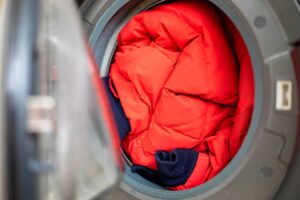 Some housewives insist that turning a jacket inside out when washing it in the washing machine is essential. Others consider this unnecessary, so they simply toss the outerwear into the washing machine drum as is. Who is right in this situation? Let's try to figure it out and give a reasoned answer to this question.
Why is it better to wash inside out?
So what is the best way to wash outerwear? Before loading the jacket into the drum of the washing machine, be sure to turn it inside out. This way, the item will last much longer and retain its original appearance.
Why should you wash outerwear inside out? There are at least two reasons.
- Jackets and down jackets have hardware. The shiny finish on metal buttons and zippers wears off and becomes damaged after impacts with the washing machine drum. This results in a worn-out look. Plastic decorative elements can simply crumble and become unusable. Turning the garment inside out helps preserve the hardware.
- The material deteriorates when in contact with the metal walls of the drum. The color from the fabric is washed out faster due to friction. So, after several washes, the fading will become noticeable. The backing isn't as much of a concern—the loss of color there will be less noticeable.
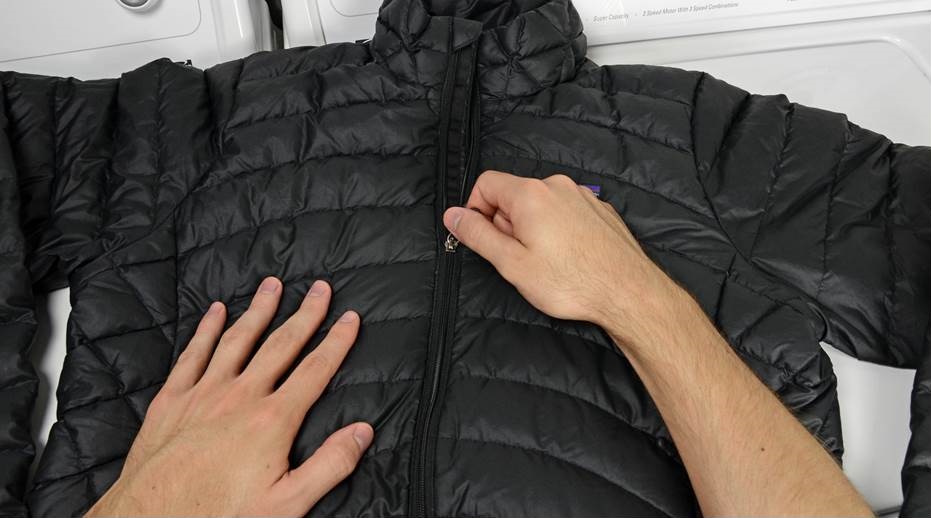
There's another argument for turning outerwear inside out before loading it into the washing machine. Decorative elements on jackets are often made of metal. The fact that they'll fade and wear away isn't so bad. In the worst case, a large button or snap could fly off and get stuck between the tub and the washing machine drum, jamming the container. Removing the foreign object from there can be difficult.
A lock pawl or a sharp rivet can also damage the drum seal. The seal will need to be replaced, otherwise it could lead to leaks. In any case, such an outcome is not pleasant.
Washing a jacket without turning it inside out can damage not only the garment itself, but also the washing machine.
Therefore, it's best not to risk either your down jacket or your washing machine. It's much easier to turn the jacket inside out than to deal with the consequences later. Another option is to purchase a special outerwear wash bag. It isolates the fittings from contact with the cuff and drum, reducing the risk of damage to the washing machine's components.
Preparing the jacket for washing
Preparing a down jacket for the washing machine isn't just a matter of turning it inside out. To ensure a smooth wash, a number of additional steps are required. What are these?
- Consider the volume and weight of the jacket you're washing. Keep in mind that a down jacket will add at least 4-5 kilograms of weight after absorbing water. If your washing machine isn't designed for this load, it's best to avoid using a washing machine. The drum won't be able to handle the weight. You'll have to resort to hand washing.
- Check the pockets of your outerwear and empty them of all contents. Keys, papers, matches, and other items left in a jacket will get caught in the machine and may fall into the space between the drum and the tub.
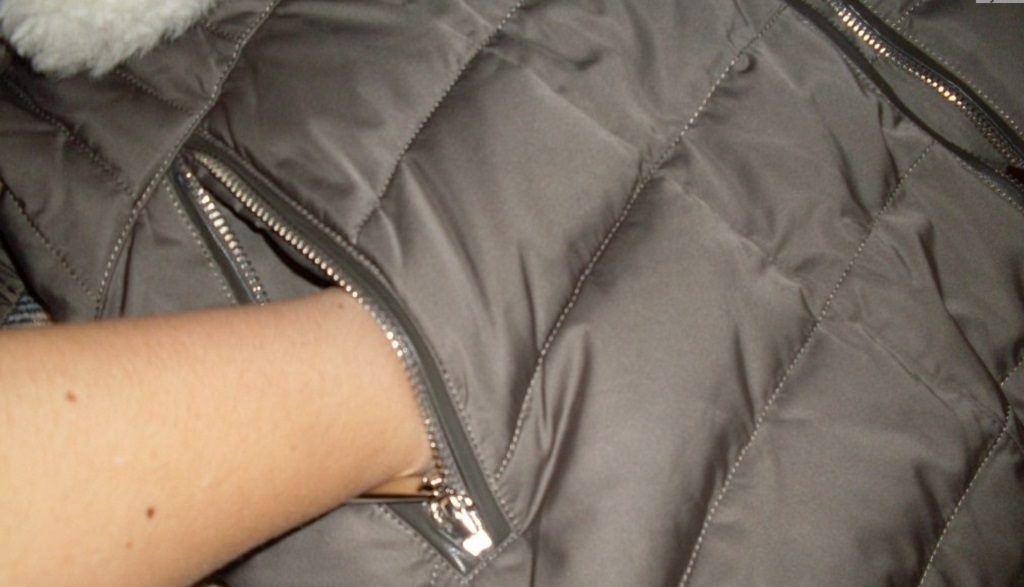
- Close all the zippers on the jacket, including the main zip and the hidden zippers. Do the same with the buttons and snaps. Otherwise, the hardware may become deformed.
- Remove the fur trim and any removable decorative elements. It's best to unravel any metal, plastic, or glass figurines or brooches to prevent them from getting damaged or coming off during washing.
- Pre-treat any shiny areas on the jacket: cuffs, collar, and around the pockets. It's best to wipe these areas with dishwashing liquid—it quickly removes such stains. There's no need to rinse the liquid out before loading the down jacket into the drum.
If the jacket has leather, fur or suede inserts, it cannot be washed in a washing machine; dry cleaning is the only acceptable method.
The recommendations are quite simple, but users often forget to check pockets or pre-wash cuffs. To ensure pleasing washing results, it's important to follow these basic prep guidelines.
The most suitable washing mode
The next task for the housewife is to choose the appropriate mode. Modern automatic washing machines have special algorithms for “Down Jackets” and “Outerwear” – these programs are ideal for washing jackets.They feature gentle spin cycles and an optimal temperature range, ensuring product preservation and superior cleaning results.
If such algorithms are not available, you can run any gentle program:
- "Delicate";
- "Hand wash";
- "Down blanket" (if the jacket has filling);
- "Synthetics" (for thin items made of synthetic materials).
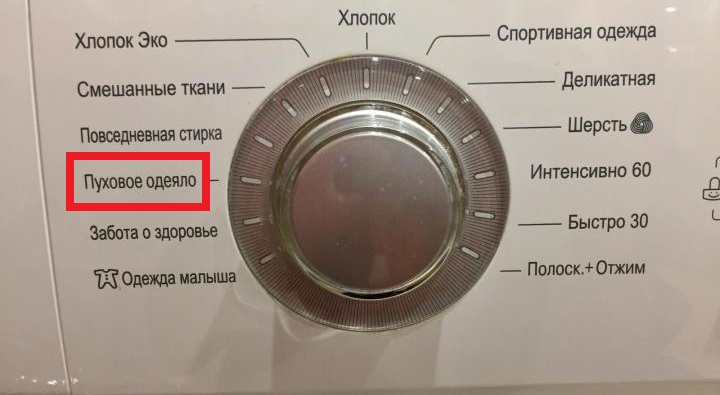
The names of the washing modes may vary across different brands. The key is to choose a program that offers a gentle wash at the lowest temperature, without vigorous drum movements or a super-hard spin cycle. When using the manual cycle, the machine doesn't rotate the items, but simply rolls them from side to side, which is optimal.
Pay special attention to the spin speed. The maximum acceptable value is 600 rpm. Any more intense spinning can damage the item.
It's recommended to select the "Extra Rinse" option for any selected cycle. A single rinse may not completely remove the detergent from a bulky down jacket, resulting in streaks on the fabric.
When washing a jacket, it is recommended to throw 2-3 tennis balls into the washing machine drum – they will prevent the filling from clumping.
Don't put underwear in the washing machine at the same time as your jacket. As mentioned earlier, you can place the down jacket in a special laundry bag first. The fabric will protect the fittings from damage.
How hot should the water be?
When caring for outerwear, you can forget about high-temperature washing modes. The maximum permissible water heating temperature is 40°C. For items made from delicate materials, it is better to reduce the temperature to 30°C.
Jackets can be made from a variety of fabrics. The type of filling also varies, from easy-to-care-for hollow fiber to swan's down, which requires special care. The composition of the material determines the washing temperature.
- Polyester windbreakers are best washed in cool water, maximum 30°C. This will preserve the fabric's weather-resistant properties (it's water- and wind-resistant). Synthetic materials don't tolerate high temperatures and are prone to warping.
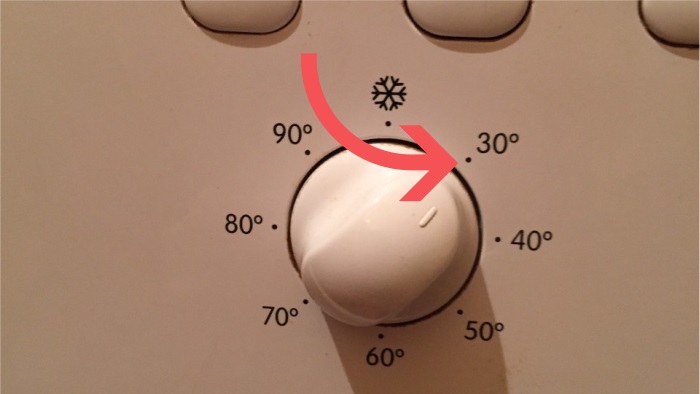
- Nylon. It's stronger than polyester and less prone to fading, but it wrinkles and stretches when exposed to high temperatures. Nylon jackets are best washed at 30-40°C, no more.
- Cotton and corduroy. Jackets made from natural fabrics can withstand washing at 60°C. The temperature should be determined based on the degree of soiling of the garment and the type of filling. The optimal temperature range is 40-60°C.
Before washing your jacket, be sure to read the care label. It provides basic care instructions, including whether it can be machine washed and the optimal washing temperature.
What tool will we use?
Here, everything will depend on the type of jacket. Thin windbreakers without filling can be washed with regular detergent. If you select the right program, the granules will do their job perfectly. It's important to connect extra rinseso that the detergent particles are completely washed out of the fabric fibers.
For bulky jackets with padding, it's best to use liquid detergents. Special gels and capsules for washing outerwear are available. What are the benefits of these products?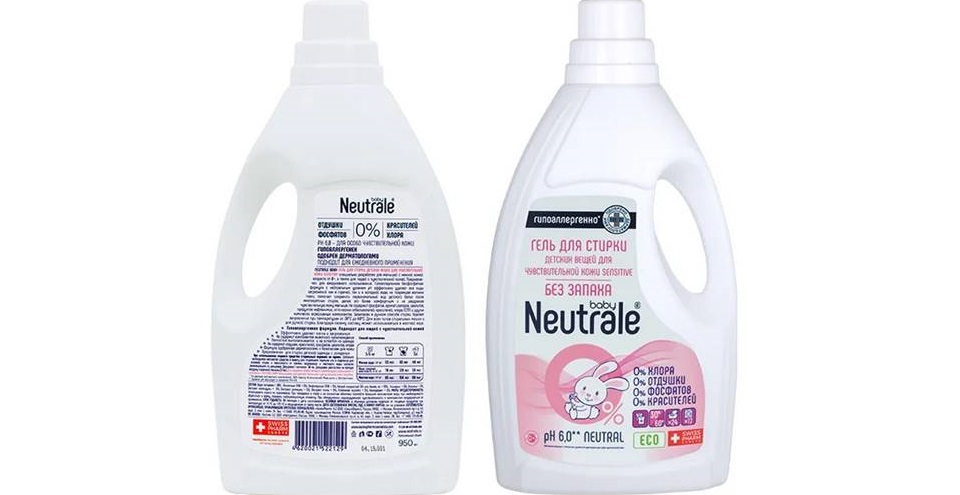
- The gel dissolves faster in cool water (which is important, since washing is done at a maximum of 40°C).
- The liquid product is easier to rinse out of the filler, without leaving whitish marks.
- The gel and capsules begin to work faster, therefore washing away stains more effectively.
It's also important to consider the color of the garment. Depending on the shade, choose a gel for light or bright fabrics. Don't neglect this rule. A properly selected product will preserve the jacket's original appearance for a long time.
When caring for outerwear, avoid using stain removers or bleach. It's better to "wash" particularly soiled areas with dishwashing liquid or soap. Harsh household chemicals can damage the fabric.
Removing moisture from a jacket
It's equally important to dry your washed jacket properly. Otherwise, neither preparation, nor the right program, nor the right detergent will save it. So, what are the nuances?
First, always check the label. It will tell you if there are any drying requirements for a particular item. The manufacturer will indicate whether the item can be tumble dried horizontally or vertically and whether it can be tumble dried.
The second rule is to remove your jacket from the washing machine immediately after it stops working. Leaving a down jacket in the machine overnight guarantees a musty smell. Wet filling compacts very quickly, so even a few extra hours in the drum can be detrimental to the jacket.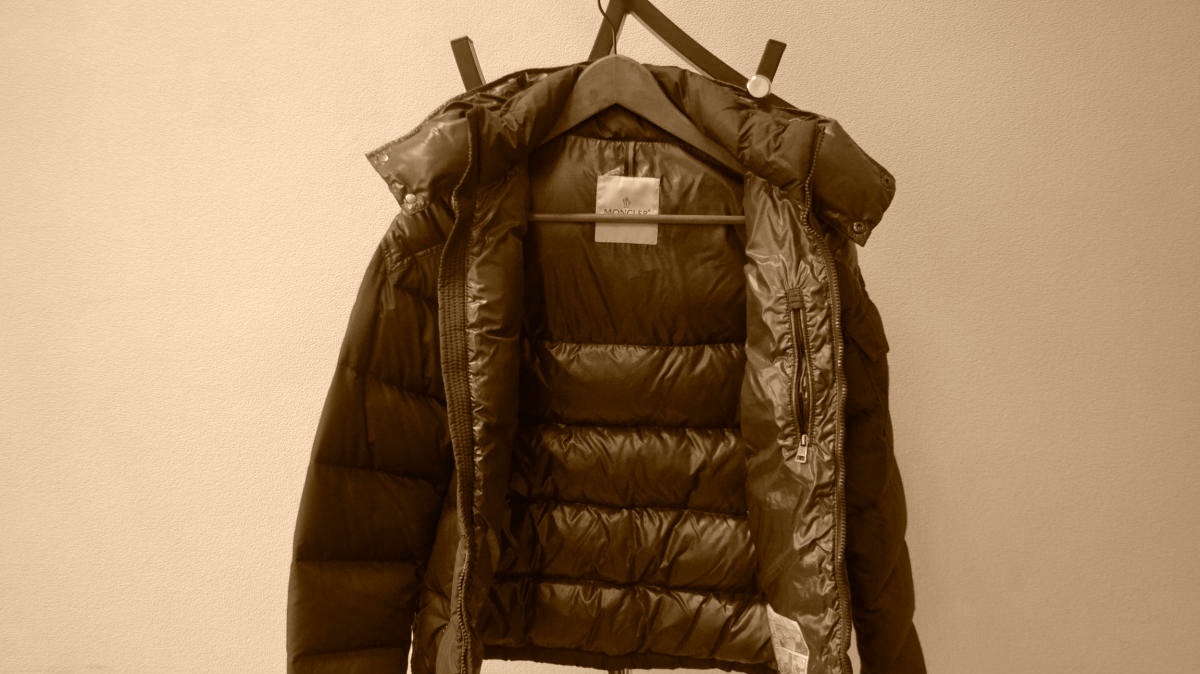
It's not recommended to wring out jackets with down padding. It's best to remove the wet item from the washing machine, hang it on a line, and place a basin underneath the jacket. Once the moisture has evaporated, transfer the jacket to a hanger.
It's important to choose hangers that fit your jacket. It's best to use a plastic hanger so that it precisely follows the curves of the down jacket. Otherwise, the wet windbreaker may be distorted by the protruding parts of the hanger. Place the jacket on a balcony or in a well-ventilated area, away from direct sunlight.
While the jacket is drying, it is important to shake it every 30-60 minutes.
Constant shaking will prevent stagnation and promote air circulation. Fluffing the jacket with your hands will fill it with air, allowing moisture to evaporate faster. This will prevent the down jacket's inner filling from clumping.
Don't dry your jacket on a radiator. The moisture will evaporate quickly, but hard, dried clumps of down filling will form inside the jacket. The hot soleplate of an iron will "sear" the outer synthetic fabric and also cause the inner filling to compact. A blast of hot air from a hairdryer will also damage the jacket. Ideally, air-drying is ideal.
Interesting:

Readers' comments
Headings
Washing machine repair




For buyers




For users


Dishwasher




Add a comment