What are the shipping bolts for on a washing machine?
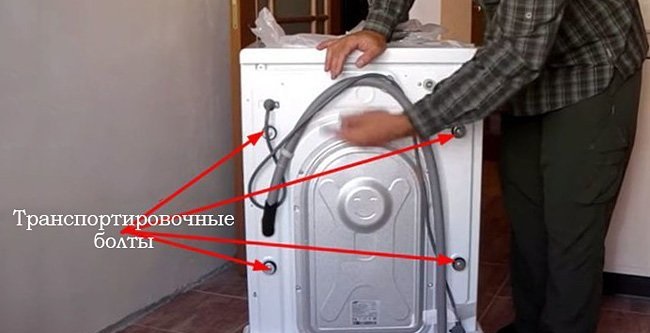
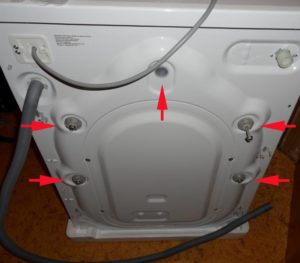
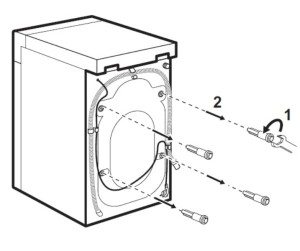
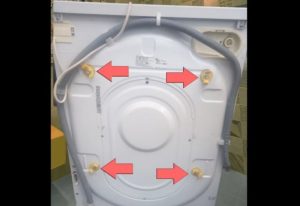
If you visit any home appliance store, you'll likely find small locking devices installed on the back of automatic front-loading washing machines. Today, installing these fasteners is a mandatory procedure for washing machines of all models and brands. These shipping bolts are essential for the safe transport of complex machines, but how exactly do they help during shipping, and why should they be removed before use?
The purpose of "temporary" screws
These screws serve as a temporary measure for securing moving parts in washing machines. They are hex bolts with a metal washer, a plastic washer, and a plastic cylinder. This small component is responsible for securing the machine during transportation.
You might wonder why all expensive appliances aren't equipped with these kinds of securing bolts, which ensure such a high level of safety during delivery. The fact is, only washing machines, due to their design, benefit so greatly from these fasteners.
The core component of any washing machine is its tub, which is combined with the drum where clothes are washed. The drum is activated by the electric motor and then rotates with high centrifugal force. This process generates strong vibrations within the machine, which are transmitted to the body of the machine, and can quickly damage all components of the appliance.
To prevent this from happening and dampen vibrations promptly, a damping system reminiscent of a car's suspension was developed for these "home helpers." This system consists of two suspension springs, supporting the tank at the top, and two shock absorbers at the bottom. It helps control vibrations at a relatively low level.
This is not a rigid structure and requires securing screws, as it will not be able to hold the tank during transportation. During transportation, strong shocks and jumping on bumps can cause the washing machine tub to swing and damage other parts of the device.This is why it is so important to install clamps that secure the tank in a stationary position.
Remove the screws before starting the machine.
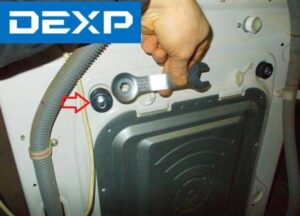
Removing the fasteners before starting the first wash cycle is a mandatory requirement required by all appliance manufacturers. If you start the washing machine with the fasteners still attached, the motor will quickly accelerate and attempt to spin the drum, but will encounter the fact that the tub is firmly fixed in place. This will cause the machine to self-destruct, damaging the shock absorber system, bearings, shaft, and other components located near the drum.
The longer the machine is operated with the transport bolts secured, the more damage it will suffer.
Because washing machines are now found in almost every home, people feel confident in their own abilities, so they sometimes don't even read the official user manual before installation. For this reason, some are unaware of the existence of shipping bolts, which can easily damage expensive appliances.
Also, buyers are often so eager to run a test wash that they simply forget about the screws. Fortunately, the washing machine can alert you to any problems with the screws.
Pay attention to the vibration level. If it's excessively high, it's a sign that the bolts are still in place.
This can also be indicated by sudden jumps in the machine. These will be even stronger than during the high-speed spin cycle.
Finally, during operation, strange, atypical sounds will appear, completely uncharacteristic of the normal functioning of the washing machine.
If this happens, you should not wait for the cycle to complete, but rather stop the wash cycle immediately or unplug the washing machine. After such an incident, you should not use the machine; instead, you should call a technician to diagnose and repair any damage that may be found.
Please be aware that running a wash cycle with the locks installed is not covered by the warranty, so you will have to pay for the repairs yourself.
If luck is on your side, you won't need expensive repairs; you'll just need to replace the shock absorbers. However, if your washing machine has been in use for a long time, you should be prepared to shell out a significant amount of money for either a complex repair or a new one. To prevent this from happening to you, first remove all shipping bolts upon delivery to put this problem behind you once and for all.

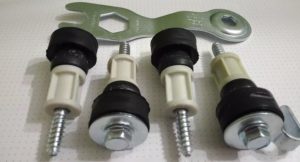 If you visit any home appliance store, you'll likely find small locking devices installed on the back of automatic front-loading washing machines. Today, installing these fasteners is a mandatory procedure for washing machines of all models and brands. These shipping bolts are essential for the safe transport of complex machines, but how exactly do they help during shipping, and why should they be removed before use?
















Add a comment