
How to load dishes into a Bosch dishwasher?
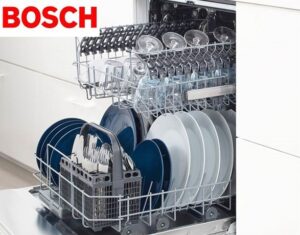 Many new dishwasher buyers believe that no matter how they arrange their dishwasher, all their dishes will be washed perfectly, because that's what this "home helper" is designed for. However, loading dishes correctly in a Bosch dishwasher is essential; otherwise, the cleaning results will be far from ideal, let alone merely satisfactory. Moreover, during the first few cycles, until the user gets used to the appliance, they can spend up to half an hour on proper loading. Over time, this will subside, and loading will take no more than five minutes, but first, you need to learn how to distribute the dishes within the washing chamber. That's what we'll be doing today.
Pre-treatment of dishes
Don't rush to put dishes in the dishwasher; first, you need to prepare the dishes for washing and remove all food residue. The more thoroughly you remove all the debris left over from breakfast, lunch, or dinner, the better the dishes will be washed and the less likely it is that the dishwasher's drainage system will become clogged. Removing fruit pits, tea bags, coffee grounds and other dirt is easy with regular napkins or sponges.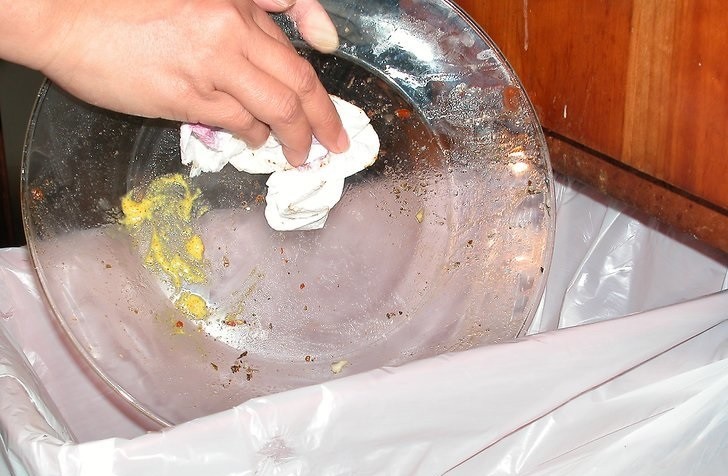
Additionally, you can rinse the dishes under water before loading them, as this will help them clean better. This is necessary if you're saving up dishes for washing in your dishwasher and then doing a full wash once a week or more often. In this situation, rinsing is essential because food and other debris can stick to the surface of the dishes and dry, making them difficult to remove even in the dishwasher. However, if you always wash your dishes in the dishwasher immediately after use, you can skip the rinsing step.
Let's start with small dishes
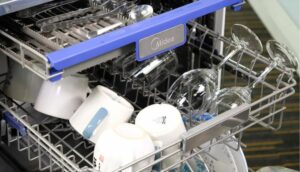
Let's begin loading the dirty dishes into the wash chamber, gradually. Start with small items like glasses, mugs, and cups. Most dishwashers are designed to wash these items in the top rack. Place the items upside down so the water will wash the inside surfaces and then drain downwards.
Never place glasses and mugs horizontally, as this will prevent water from getting inside and will leave the items dirty.
The dishwasher has a special holder for stemware and wine glasses. Place the items in the holder upside down, ensuring they don't touch. This prevents fragile glasses from breaking during the cycle. The plastic holder can also be used for small cups if a specific sink doesn't require one for glasses and wine glasses.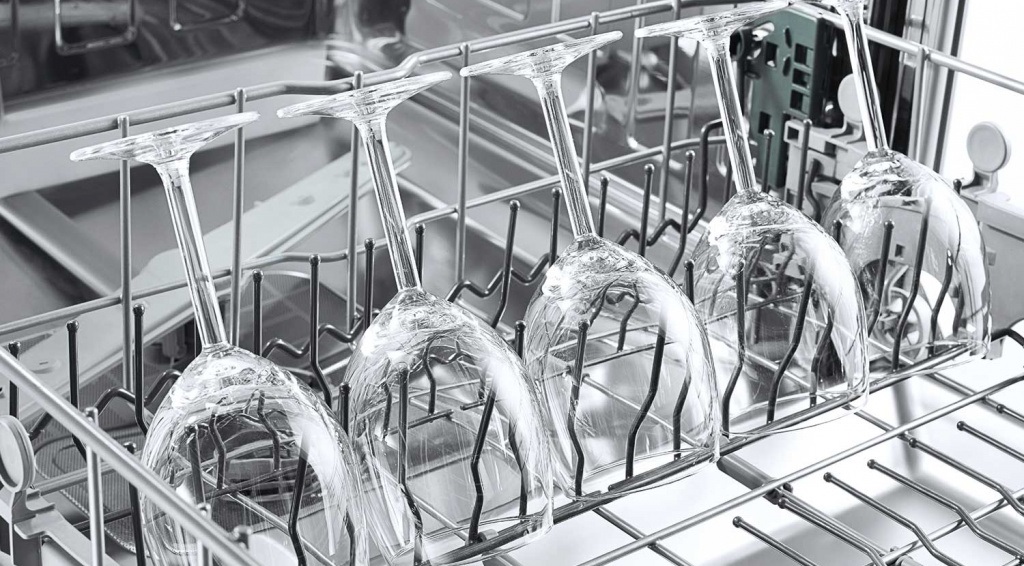
Regardless of the type of dishware, securely fasten items in place to prevent them from moving while washing and to prevent powerful jets of water from tipping them over. Also, make sure nothing inside gets in the way or dangles when closing the top tray.
Bookmarking saucers, bowls and similar items
Plates and other similar items can be loaded in either the top or bottom rack, depending on the size of the dishes. If the dishwasher has sufficient capacity, the top rack can be used for:
- small kosushki;
- bowls;
- ice-cream bowls;
- saucers;
- bowls;
- gravy boats;
- salt shakers;
- small dessert plates.
If the machine is set to a low temperature, you can wash plastic dishes on the top shelf, provided you place them far from the heating element to avoid damaging the items.
The lower tray is designed for large and medium plates, plus deep soup bowls. When loading, it is worth considering that it is better to place items with a large diameter at the edges of the basket, and those with a small diameter in the center. Be sure to place items facing the center of the dishwasher and ensure that they do not touch each other, for the same reason that glasses should be placed with a gap.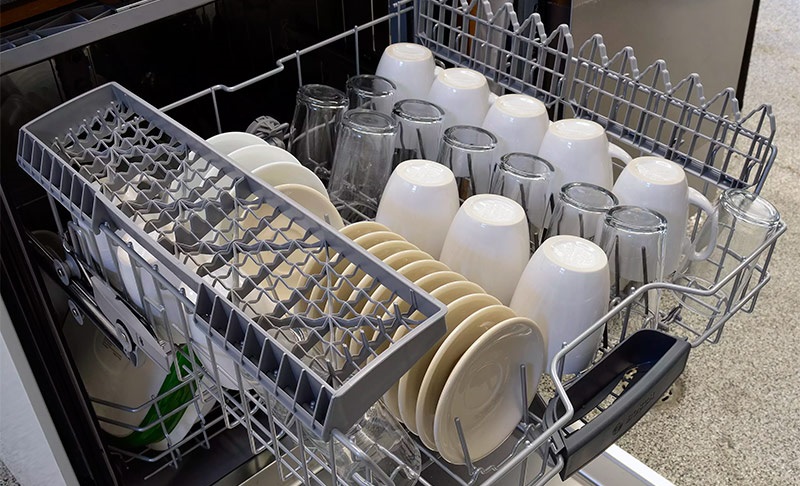
Plus, the more space there is between dishes, the better they will clean, so if possible, you should set them out less frequently. Don't overload the dishwasher, as this will prevent it from cleaning dirty dishes properly, wasting time, water, and energy. It's better to separate the dishes into two stages.
Where to put cutlery?
Cutlery such as spoons, forks, and knives should be placed in a designated basket. Spoons and forks should be placed loosely in the basket, alternating with each other, to ensure proper cleaning. Avoid stacking them too tightly, leaving at least a small gap. Knives should be placed blade-side down.
Experts advise against washing sharp and ceramic knives in the dishwasher, as they can become dull, as well as knives with wooden handles, as wood swells when exposed to water for long periods.
In the most modern Bosch dishwasher models, the topmost tray is dedicated to cutlery, where spoons and forks should be placed horizontally. This not only ensures better cleaning results during the cycle but also takes up significantly less space in the wash chamber. This is also important because horizontal placement of cutlery is much safer.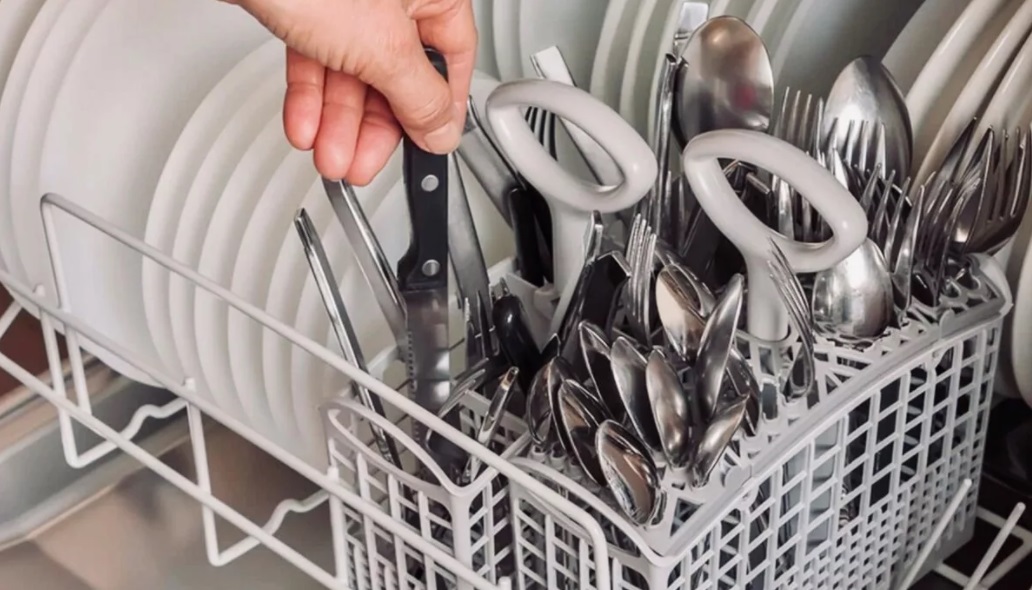
Pots and pans
Let's move on to the largest cookware in which housewives prepare food - frying pans, pots, saucepans, baking sheets, and so on. They should be placed in the lower basket, trying to wash them separately from glass, porcelain, crystal and other fragile materials, which are best not cleaned on an intensive program with high water temperature.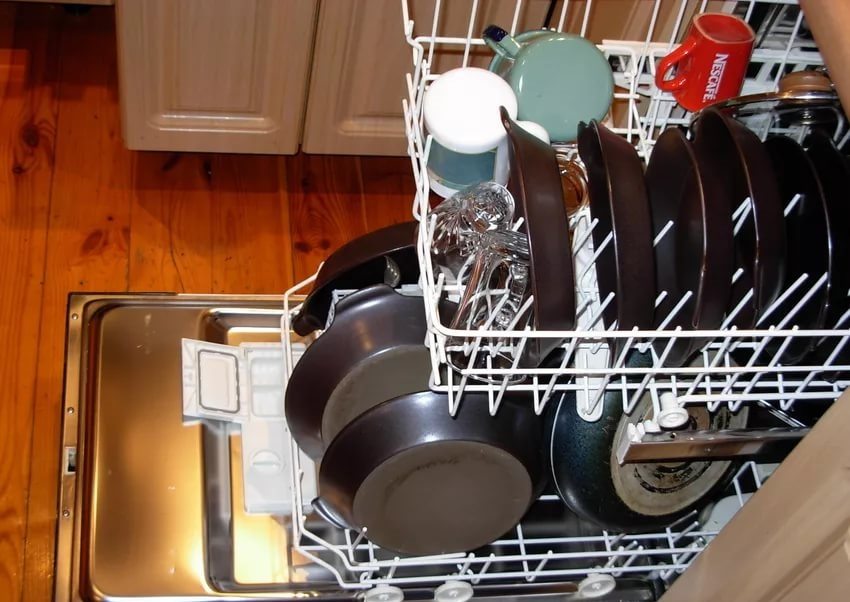
Place pans and baking sheets on their sides, and pots and sauté pans upside down or at an angle. This will allow water to penetrate the pan and then drain away. It's crucial to place pans on their sides, not upside down, otherwise they will block the water from reaching the top rack.
Please read the user manual for pans and some other cookware carefully, as Teflon-coated items are not dishwasher safe.
Always remove handles from frying pans and saucepans if they can be removed. Place items with handles in the baskets so they don't touch the sides of the dishwasher bin. Place baking sheets sideways against the edges of the lower basket to ensure adequate water access for cleaning. If you have only a few dishes for one cycle, you can use the half-load setting, which will help conserve water and electricity.
What kitchen utensils can and cannot be washed?
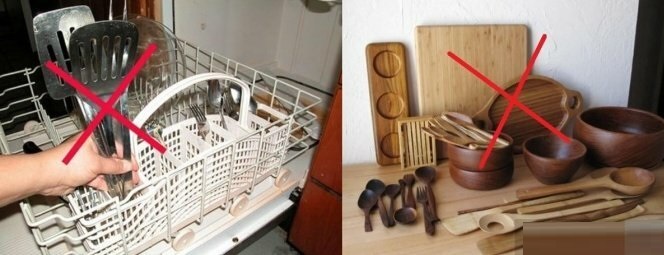
Not all items are dishwasher-safe. For example, cutting boards, ladles, slotted spoons, spatulas, and many other items are dishwasher-safe only if they are not made of wood. Plastic items can be washed, but they should be placed in the top tray, away from the heating element.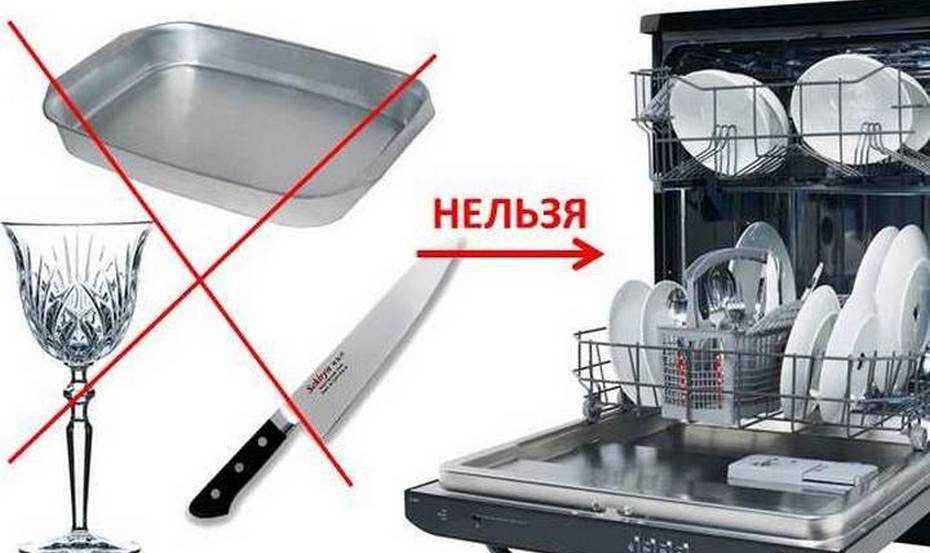
Cutting boards can be placed in the side compartments of the trays if the dimensions allow, but it's best to wash the boards by hand. Always place ladles and spatulas horizontally, even if there's no dedicated space for them. If there's no dedicated compartment, they can be stored in the top tray next to the spoons and forks.
Recommendations for placing dishes in baskets
It's important to consider not only the dish loading guidelines but also the maximum number of place settings that can be washed at one time. This information can be found in the operating manual, as the appliance manufacturer always specifies this information. For example, compact dishwashers can wash 6 place settings in one cycle, narrow ones can handle up to 11, and full-size ones up to 17.
However, users should keep in mind that sets come in different plate sizes, and some may not include saucers, which will also impact load capacity. Therefore, dishwasher placement may vary from family to family. Regardless of your set composition, follow the recommendations of experts.
- Try not to load your dishwasher 100 percent, leaving a visible gap between items to help clean the dishes better.
- Carefully read the washing instructions and dishwasher-safe list to avoid accidentally melting plastic items or breaking crystal glasses.
- Place dishes in baskets so that they do not touch each other.
- Try not to wash greasy pans and pots together with plates and mugs.
- Do not wash wood products in the dishwasher.
- If you wash dishes daily, collecting all the dirty items for the day, it's best to place them immediately in the washing chamber, where food residue on the dishes won't dry and will be easily washed off in the evening.
These are all the recommendations for loading dishes in your Bosch dishwasher. Follow these rules to ensure long-lasting service and sparkling clean dishes.
Interesting:



Readers' comments
Headings
Washing machine repair




For buyers




For users


Dishwasher




Add a comment