
Loading laundry into the dryer
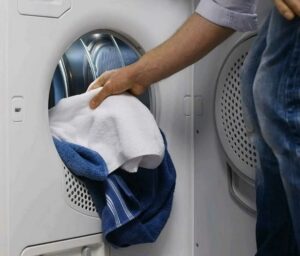 A good housewife knows the importance of loading laundry correctly into the dryer. If you throw items in haphazardly, the drying results will be unsatisfactory. For example, brightly colored clothes may stain lighter colors, thick fabrics may not dry, and delicate fabrics may become over-fried.
Let's figure out how to load laundry into a dryer. How should you sort items? What programs do modern dryers have? What items should not be dried automatically?
Preparing to load items into the drum
The first thing you'll need to do is sort your wet laundry. The same rules apply here as for washing clothes. How should you separate the items?
- By color. Items of different shades are "spun" separately. Wet fabric can stain another, lighter one. Dark fabric can ruin a bright one with streaks.
- By fabric type. Each material requires a specific drying mode. For example, cotton items should be dried at 60°C, synthetics at 40°C, and wool at a maximum of 30°C. Therefore, you shouldn't put a cotton T-shirt and an acrylic sweater in the machine at the same time.
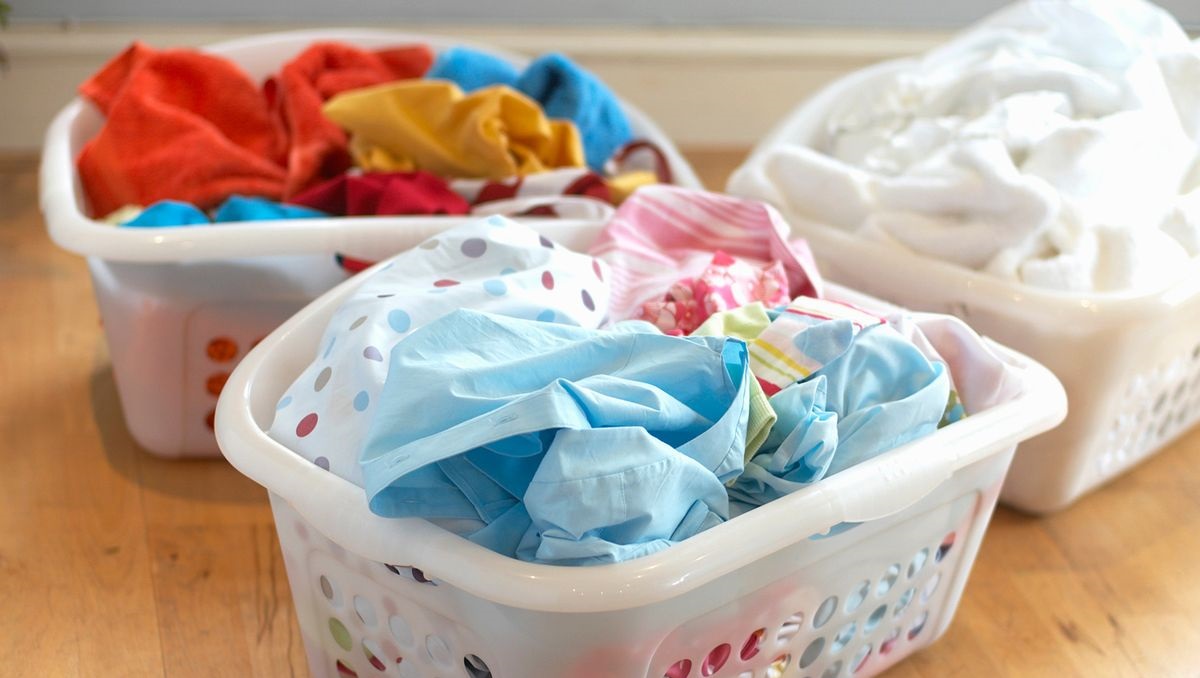
- By density. Thin items will dry faster than multi-layered ones. This is also important to consider. Because fabric that's too thick will remain damp on a short cycle, and conversely, thin clothes will become rough if overdried in the dryer.
- Based on their tendency to wrinkle and crease. It's best not to mix items that wrinkle easily and those that shouldn't be folded. For example, hats, toys, slippers, and shoes should always be dried separately, in an additional basket or on a special rack.
- By size. It's best to toss both large and small items into the dryer at once. For example, mix bed linens with T-shirts or other loungewear. This will prevent bulky items from clumping and not drying properly. Smaller items will loosen them up, preventing them from clumping.
- The quality of the seams. Fragile items, such as a lightweight blouse, can be easily damaged by heavy jeans. Therefore, such a combination should be avoided.
Sorting is an essential step in automatic washing and drying of clothes.
If you sort your things correctly, you can expect excellent results. It is important to pay attention to the color of the clothes, the type of material, and its durability. If you neglect separation, you will not be able to achieve the desired drying effect.
Once you've sorted your laundry, don't rush to load it into the dryer. Your laundry needs to be prepared. What does this mean?
- Remove everything from your pockets: keys, coins, banknotes, receipts, plastic cards, etc. All of this may end up in the machine and damage other clothes and the dryer itself;
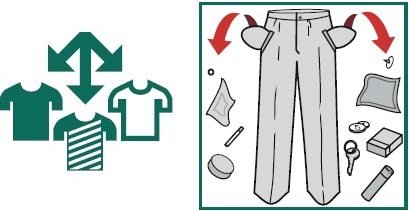
- Fasten all buttons, zippers, and snaps on your clothes. When drying bras, fasten the hooks and snaps on them;
- Turn items inside out. This will ensure that any protruding items, such as buttons, zip pulls, and embellishments, are kept inside and don't cause snags on the rest of your clothes.
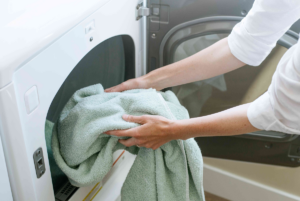
- Shake out your laundry before placing it in the dryer. This will straighten the items and remove excess moisture.
- Spread your clothes evenly in the dryer drum. Smoothing them with your hand is recommended to prevent creases.
These are the basic guidelines to follow when loading laundry into your washing machine. There's nothing complicated about it. The key is to follow these simple rules to avoid ruining your favorite items.
We put things in the drum to dry
After sorting and loading your clothes into the drum, it's time to start the dryer. You can add a special fabric softener to the machine—it will leave your clothes soft and pleasantly scented. Close the door tightly, select the desired program, and activate the dryer using the "Start/Pause" button.
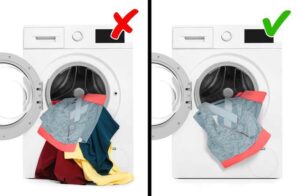
It is important to adhere to the dryer's maximum load capacity as specified by the manufacturer.
Don't overload the dryer. This can lead not only to poor drying results, but also to damage to the dryer itself, as its internal components will wear out faster.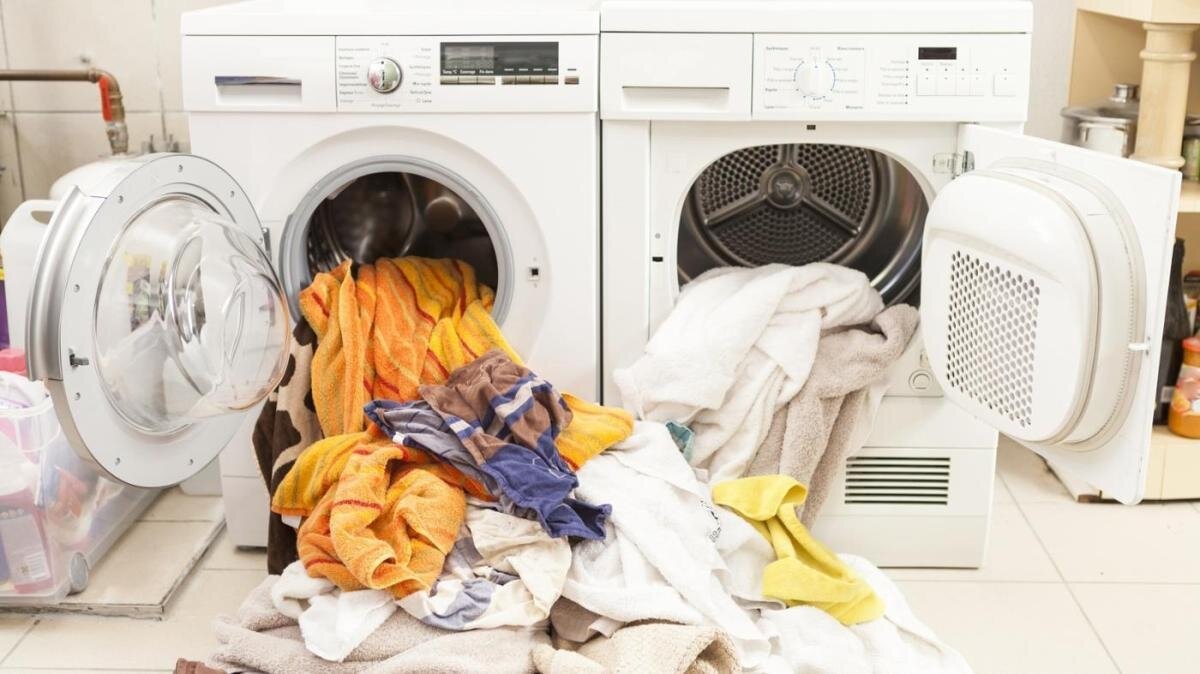
To ensure proper drying, clothes should fill no more than half the drum. Before using the machine, it's recommended to check the lint filter. If it's clogged, clean the container; otherwise, drying will be poor.
Some users find it difficult to select a program. A breakdown of all drying modes can be found in the machine's instructions. Before using the dryer, you should familiarize yourself with its basic functions and understand which algorithm is suitable for which items.
Typical programs of modern dryers
Modern tumble dryers are well-equipped. They feature powerful, standard, and gentle settings. All programs can be grouped into four categories.
- Group 1. Modes that prepare items for ironing. These are programs with the "Iron Dry" prefix. For example, "Cotton Iron Dry" or "Synthetics Iron Dry." Some brands have an "Easy Iron" algorithm. At the end of the cycle, clothes are left slightly damp.
- Group 2. Fast programs. These are usually called "Extra Dry" or "Express." These cycles last 30-60 minutes. Fast programs are not suitable for delicate fabrics, as they involve aggressive drying in a short time. The drum load should not exceed 50%.
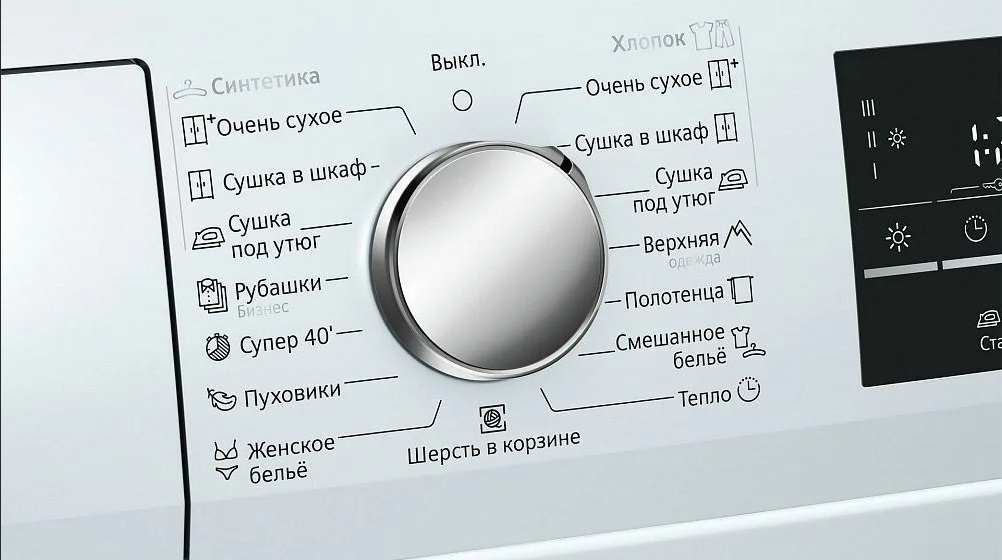
- Group 3. Steam programs. Many dryer models feature this option. Drops of water are introduced into the drying chamber, which are converted into steam by a heating element. These modes are suitable for all types of fabric. After steaming, clothes are left wrinkle-free.
- Group 4. Full drying modes. These programs completely remove moisture from items. The program name may include the prefix "Into the closet."
New modern dryers have programs for different fabrics: cotton, wool, synthetics, and blended materials.
Program names vary across different brands of dryers. Therefore, it's worth consulting the instructions for your specific dryer. They'll explain how long each cycle lasts, what the maximum temperature in the dryer chamber is, and how much laundry can be loaded into the drum.
Things that don't belong in the dryer
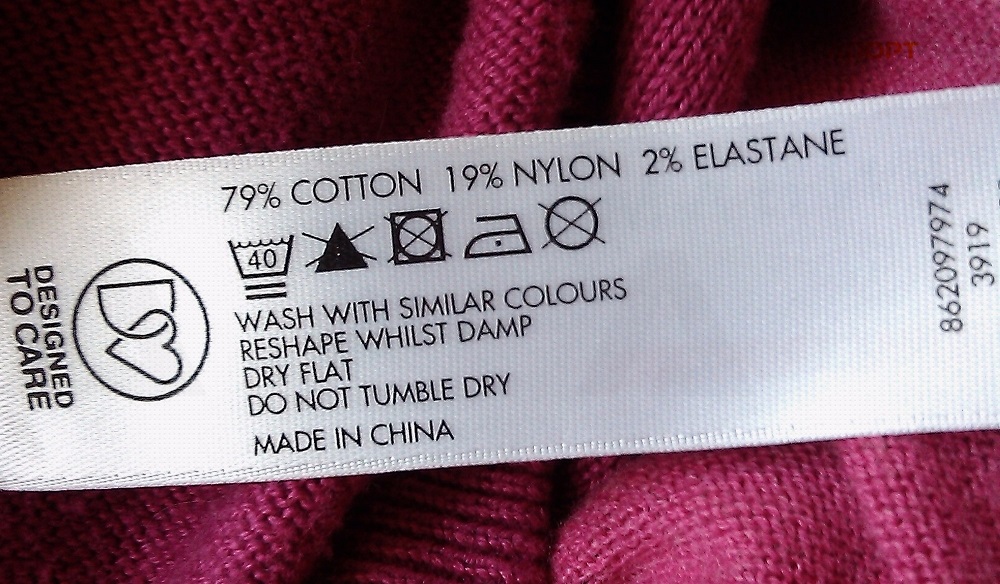
There are some items that shouldn't be tumble dried. Before placing an item in the dryer, check the care label. It will tell you if it's safe to tumble dry.
Some items, even without a label, are clearly not suitable for tumble drying. For example, leather clothing, embellished underwear, and so on. We'll tell you which items shouldn't be thrown in the dryer.
- Silk, lace, and satin items. These materials can warp under high temperatures. These fabrics can discolor, and after several drying cycles, the garment will become dull. There's also a risk of seams coming apart.
- Wool items. Acrylic or cashmere sweaters will shrink if tumble dried on high heat. Some wool items can be tumble dried, as indicated on the care label.
- Suede. What are the risks? Suede items dry out quickly, and friction and high temperatures can cause creases and cracks. Machine drying can damage these items, leaving them looking worn.
- Fur items. Fur coats, sheepskin coats, and overcoats should be air-dried. Throwing these items in the dryer can damage them. Natural fur will become tangled, clump, and shed.
- Nylon tights. These tights will lose their shape due to high temperatures. Also, friction against other clothing can cause snags or holes in the thin material.
- Leather goods. Throwing real or faux leather in the dryer will cause the material to become rough and may crack. These items should be dried naturally. The same applies to shoes.
- Membrane clothing. Due to high temperatures, the fabric will lose its water-repellent properties and begin to absorb dirt.
- Items with rubber inserts or latex clothing. The material will crack and lose its shape and appearance.
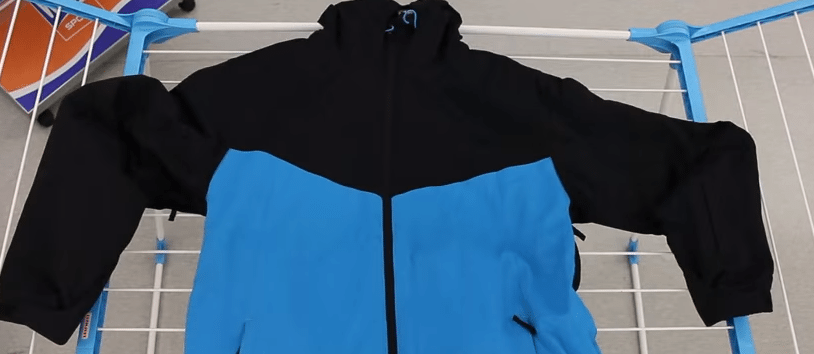
- Items with embellishments. Firstly, the parts may come loose when the drum rotates. This will cause snags in other laundry. Secondly, metal inserts can damage the dryer itself.
- Clothes containing flammable substances. Do not place items stained with gasoline, alcohol, or kerosene in the washing machine. These liquids are highly flammable. Also, do not attempt to steam-clean kitchen towels stained with vegetable oil.
- Dirty items. For example, after a walk in the rain. Be sure to wash the clothes first and then dry them in the washing machine. Also, avoid putting stains such as wine, makeup, etc. in the dryer. Removing them will be difficult.
There are few restrictions. Drying most clothes and household textiles can be entrusted to an automatic drying machine. It's important to only put clean items made of suitable materials in the dryer.
Interesting:

Readers' comments
Headings
Washing machine repair




For buyers




For users


Dishwasher




Add a comment