
How to properly load bed linen into the washing machine?
 Proper placement of items in the washing machine ensures effective washing and rinsing, and also protects the washing machine itself from imbalance. It's especially important to monitor the drum load when washing bedding, which, due to its volume, requires "air" and tends to clump and disrupt the drum's balance.
To avoid unpleasant surprises, learn how to prepare and properly load bedding into the washing machine drum. We'll help you figure out how much to load and whether you should roll it.
Preliminary preparation
Preparing for washing begins far from the washing machine—at the laundry basket. Not everyone knows, but soiled laundry should only be stored dry, in perforated containers, and for a short period of time. Otherwise, dampness and prolonged storage will cause mold growth, an unpleasant odor, and dirt to penetrate deep into the fibers. Restoring such clothes to their original freshness and cleanliness will be much more difficult.
Before washing, bed linen is sorted by fabric type and color!
However, you can't just dump laundry from the basket into the washing machine. A few preparatory steps are necessary:
- sort by fabric type (synthetics, cotton, delicate fabrics, wool and silk are washed separately);
- divide all things into three groups: white and light, dark and black, colored;
- turn the pillowcase and duvet cover inside out;
- shake hair, dust and animal fur off the fabric.
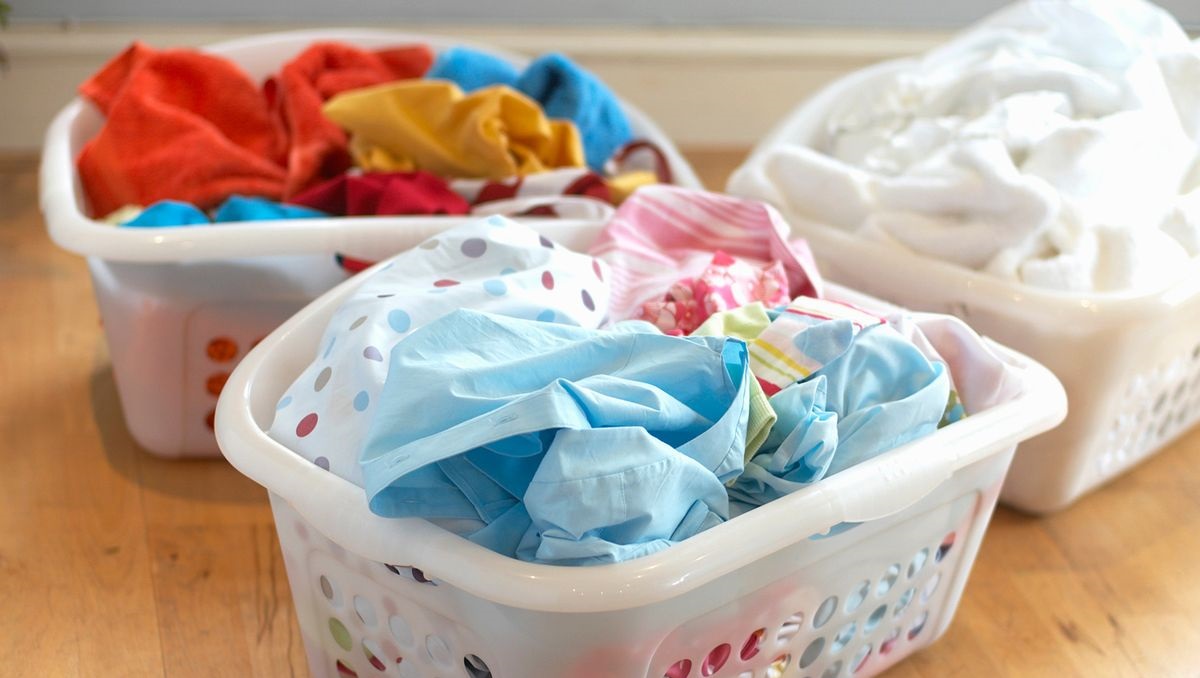
The next step is to assess the dirtiness of the items, since if there are ingrained stains, pre-washing and boiling will be necessary. If some areas of the fabric are stained with grease or coffee, you should treat these areas with a stain remover before loading them into the washing machine. Then, based on the type and color of the laundry, we plan the conditions for the upcoming cycle: water heating temperature, spin intensity, the need for rinsing, and the appropriate mode.
How many sets should I load?
Sorting involves not only separating items by fabric type and color but also grouping them by volume. Each model has its own capacity—the maximum and minimum drum load per cycle. These parameters are indicated on the machine body and in the instructions.
It's important to understand that the kilograms indicated in the instructions were calculated by the manufacturer using cotton as an example. Other types of fabric may be heavier and bulkier, so it's best to use the fullness of the drum as a guide. It's recommended to load the bedding so that half or a third of the drum remains empty. If you don't want to risk it and guesstimate, weigh the laundry with a weighing machine and use 10 liters per kilogram. Another option is to purchase a washing machine with a built-in auto-weighing function.
Ignoring the weight of the items being washed is not recommended, as the results will inevitably and disastrously fall apart. Overloading the drum will cause imbalance, resulting in damage to the machine's internals. If there aren't enough items, the machine will refuse to wash, buzzing and overloading. Fortunately, many modern models can detect drum imbalance and terminate the cycle immediately. However, in either case, washing will be unsuccessful.
Should you fold your laundry?
After sorting and dividing the laundry into piles, you can begin placing the bedding in the drum. No one asks you to fold your sheets into perfect stacks, as it will be harder for the water and detergent to reach all areas of the fabric, and a fully tucked set will not wash well. But it is also not advisable to crumple the fabrics - the duvet cover will become very wrinkled.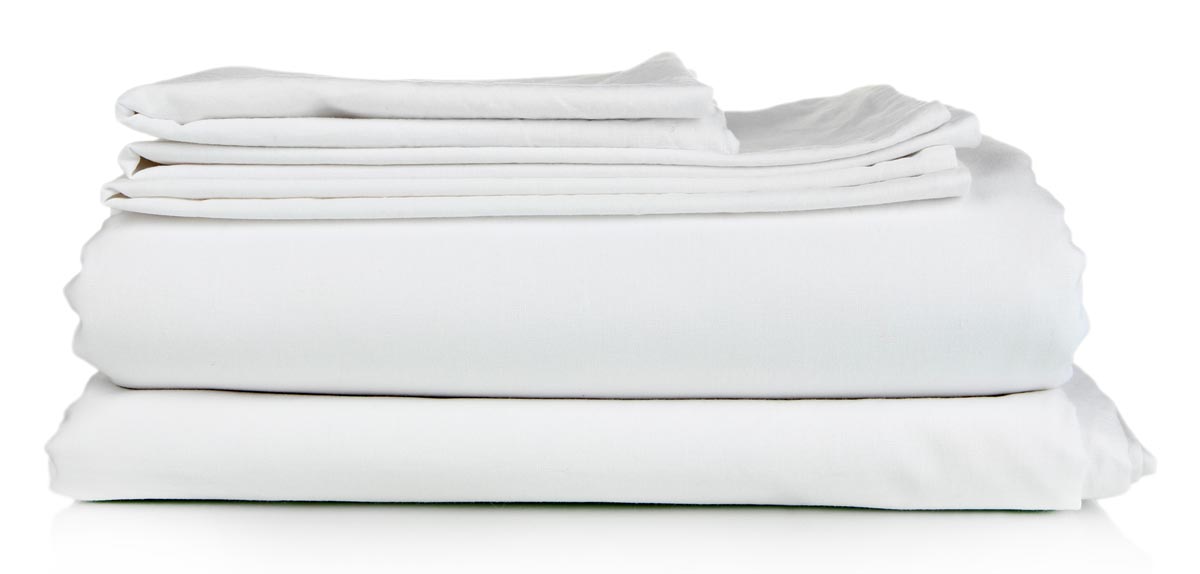
The "golden mean" is to fold the linens into a loose pile. Fold the bedding into a familiar rectangular "stack," but without excessive pressure, lining, or squeezing. Leave space between the layers to allow the soapy solution to penetrate and begin cleaning the fabric, and the rib punches to easily flip the set.
No need to crumple your laundry!
The washing quality and stacking order affect this. Testing has shown that it's best to stack laundry as follows:
- Place a carelessly folded duvet cover on the bottom;
- place a folded sheet on top;
- then throw the pillowcase.
When washing two sets, the order is the same: first, the duvet cover pair, then the sheets, and then the pillowcases at the very top. The key is to avoid squashing the pile, but rather spreading out the layers of fabric as much as possible.
Interesting:





2 reader comments
Add a comment
Headings
Washing machine repair




For buyers




For users


Dishwasher




The girl was nice and told a good story, but the push-ups and washing were jarring.
First, put in the lightest linens. And the duvet cover last. At least for a narrow machine!