
How to fix a washing machine drain hose?
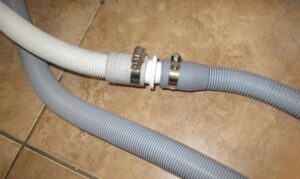 If there's a store near you that sells washing machine parts, trying to patch a torn drain hose is pointless—buying a new one is safer. A new hose will cost $2–$3 and will save you the risk and time. When replacing the damaged hose isn't an option, try a different approach. Sometimes the only option is to temporarily seal the washing machine drain hose. Let's figure out how to do this quickly and safely.
How to repair a hole in a hose securely?
There are several methods for repairing a washing machine drain hose floating around the internet, but not all of them are reliable. For example, DIYers often recommend a simple solution: sealing the crack with duct tape. It's important to tape not only the hole itself, but also 10 cm on either side, using several layers of tape, generously.
If you wrap a torn area on a hose only with electrical tape, then after a while the water will break through the patch and a leak will occur.
It's difficult to judge whether the duct tape method is reliable: it all depends on the size of the crack, the quality of the tape, and the force applied. In any case, professional repairmen suggest a more durable option: fixing a plastic tube in the torn hose yourself. The instructions are as follows: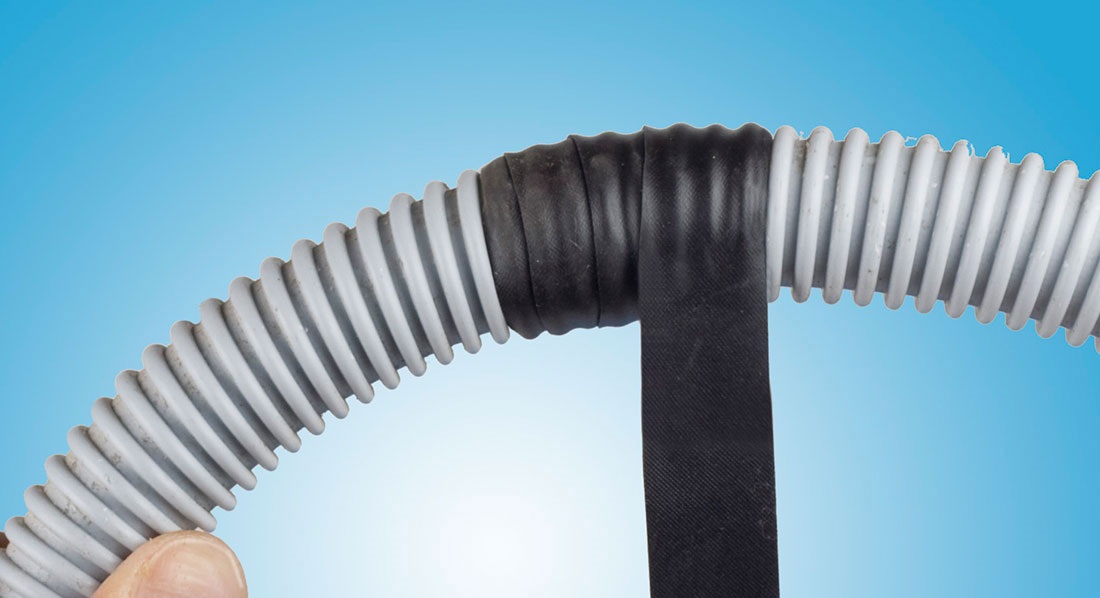
- prepare two steel clamps and a tube (the latter should be at least 8 cm long and have a diameter commensurate with the existing drain hose);
- find a crack in the corrugation;
- cut the sleeve at the damaged area, opening access to the “insides”, but without cutting it completely;
- generously coat the prepared tube with sealant;
- insert the tube first into one half of the corrugation, then into the other (it is desirable that the cut runs in the middle);
- feel the hose and find both ends of the inserted tube;
- secure the clamps on both ends of the tube over the hose.
If you repair a corrugated hose this way, the “patch” will last for several years. The water drained from the machine will pass through the tube, bypassing the torn area. This will prevent leaks. There's only one downside: the area between the clamps won't bend.
How to make a replacement?
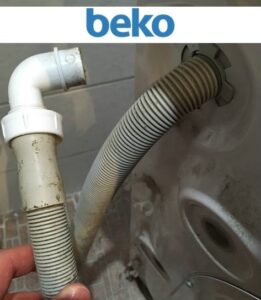
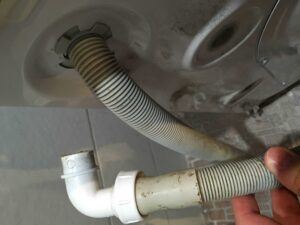
Experts recommend using hose repair as a temporary measure, and removing the old hose and installing a new one in its place as soon as possible. Replacing the corrugated pipe is a quick and easy procedure, especially if the washing machine does not have a tray. The main thing is to proceed carefully and follow the instructions. The procedure is as follows:
- prepare screwdrivers (flat and Phillips), pliers, a container for collecting water and a rag;
- de-energize the machine and disconnect it from the water supply;
- drain the remaining water from the tank by unscrewing the debris filter or activating the emergency drain hose;
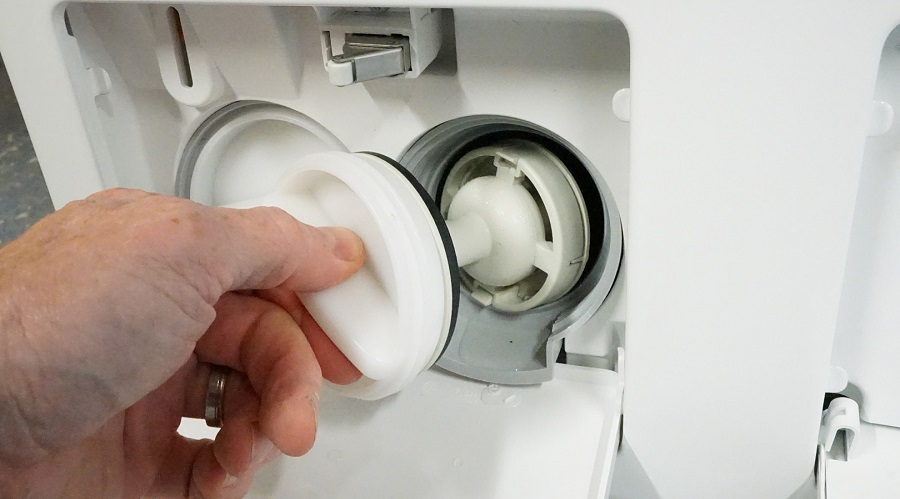
- move the washing machine away from the wall by 1-1.5 meters;
- cover the space around the body with a rag (dirty water will leak out during repairs);
- tilt the machine back so that the front legs are raised as high as possible (the ideal option is to lower the washing machine onto its right side);
Do not place the washing machine on its left side – water from the detergent drawer may get onto the control board and damage it!
- find where the drain hose connects to the drain pump;
- loosen the hose clamp;
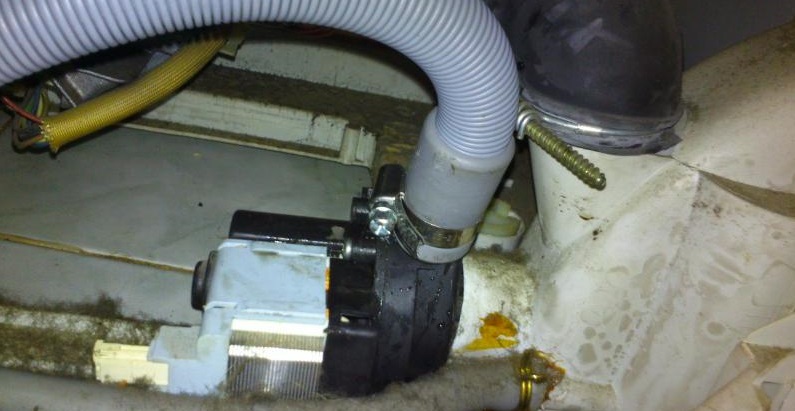
- detach the hose from the snail;
- pull the corrugated pipe out of the housing;
- take a new hose and pull it onto the pump nipple;
- tighten with a clamp;
- secure the hose to the body;
- return the washing machine to its original position.
The next step is to check the quality of the repair. Connect the washing machine to the power supply, run the rinse cycle, and wait for it to drain. Then, check the corrugated pipe and the bottom of the machine for dryness. If there are no drips or streaks at the joints, everything was done correctly.
Interesting:
Readers' comments
Headings
Washing machine repair




For buyers




For users


Dishwasher




Add a comment