
Paint over rust on a washing machine?
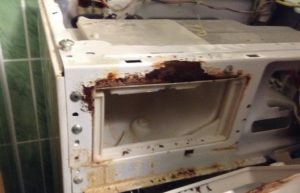
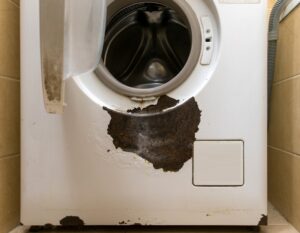 When the front panel of a washing machine is hidden in a niche or cabinet, users don't have to worry about the appearance of their "home helper." However, if the machine is exposed and its body is covered in rust stains, owners inevitably begin to wonder how to remove the corrosion. Let's figure out whether cosmetic repairs are possible and whether they will be beneficial.
Preparing the surface to be painted
A washing machine covered in rust stains can seriously ruin the appearance of a room. So, users wonder how to restore their "home helper" to its former glory. Is it possible to paint over rust on a washing machine? How can cosmetic repairs be done on a budget?
First, you need to prepare the surface for painting. The procedure is as follows:
- Cover all areas that may get dirty with paint with masking tape;
- sand down the rusty areas of the machine;
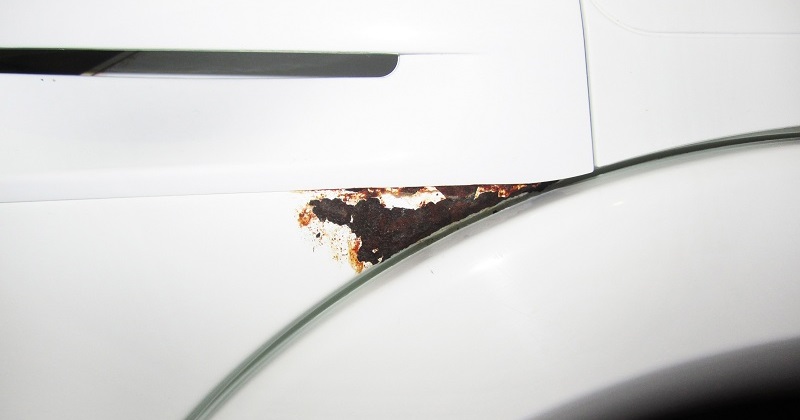
- Use a dry cloth to clean off any dust that has settled on the body during the sanding process;
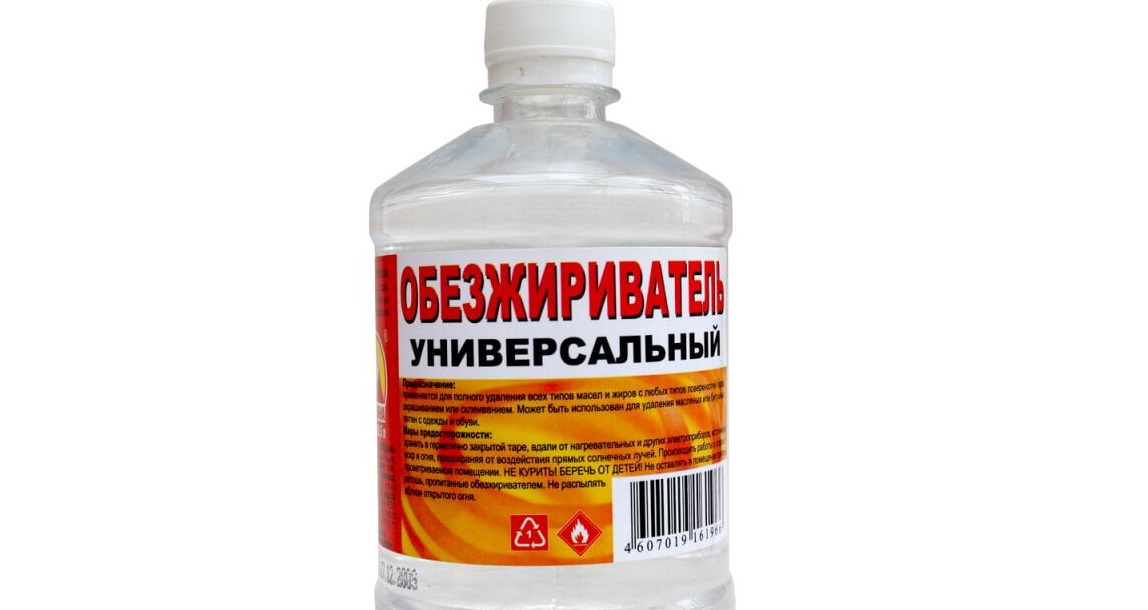
- Degrease the areas to be painted. You'll need a special product for this, such as NEWTON degreaser.
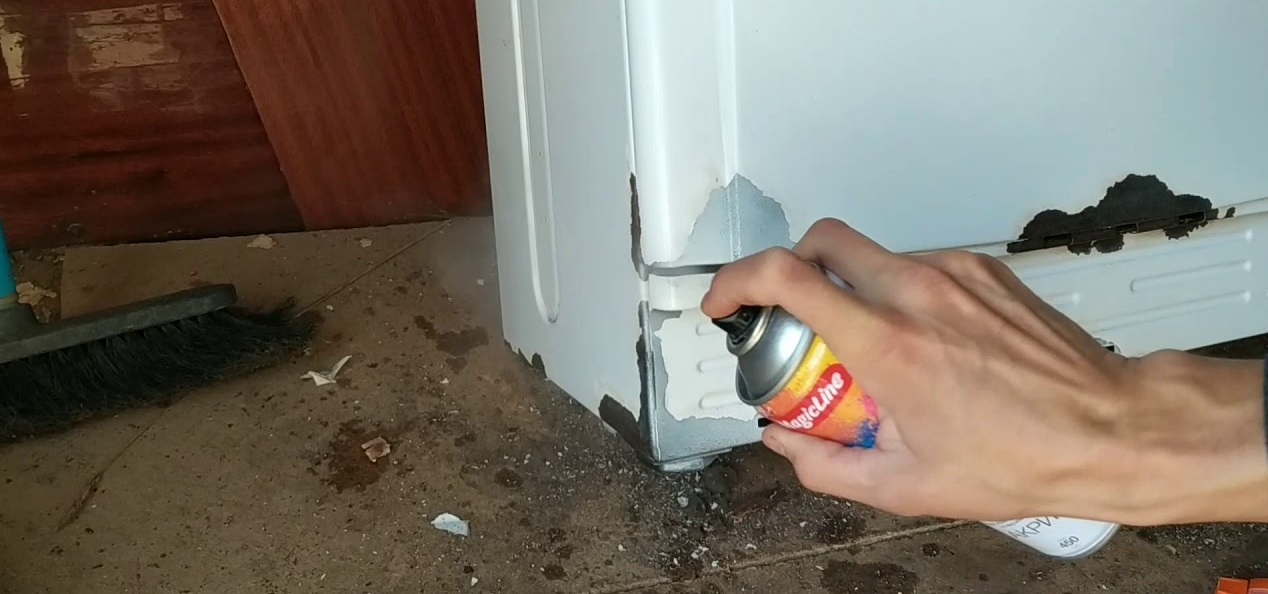
- Apply zinc primer to the rusted areas. Shake the can and spray the product onto the body from a distance of 20-30 cm from the surface. Apply the primer in a thin layer;
Zinc primer is excellent at fighting rust and stopping corrosion.
- leave the machine for 30-40 minutes to allow the mixture to dry;
- Wipe the body with a dry cloth, clean off all the dirt.
This completes the preparation of the washing machine body for painting. The primer perfectly protects the metal walls of the machine from moisture and prevents further signs of rust.
We are restoring the body
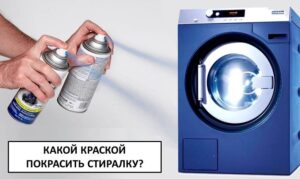
The easiest way to restore the body of an automatic machine is with aerosol paints. Specialty supermarkets sell enamel for large household appliances (it's ideal for coating metal surfaces). The product is applied over a primer.
The car is painted as follows:
- Spray paint onto the walls of the machine from a distance of 20-30 cm;
- after 30 minutes apply another layer of enamel;
- sand the painted surface with fine sandpaper;
- Spray the third and final coat of paint.
At +25°C, the special enamel dries in half an hour, but the paint only becomes resistant to temperature changes and humid air after a couple of days.
Once the paint has dried, you can remove the masking tape from the frame. This is a simple way to "revive" a heavily rusted washing machine. By treating the affected areas with zinc primer and a special enamel for household appliances, you can avoid the risk of rust reappearing in these areas.
Another restoration method involves using a grinding tool. First, all rusted areas should be cleaned with a brush, then washed with a damp cloth. Then, the rust is removed with a grinding wheel. In more detail, the procedure is as follows:
- remove rust with a 120 grit sanding wheel;
- sand the entire body with 220-330 grit (this will avoid leaving a distinct freshly painted spot on the machine, and everything will be painted evenly);
- Apply rust converter to the corroded areas;
- level the body with zinc primer;
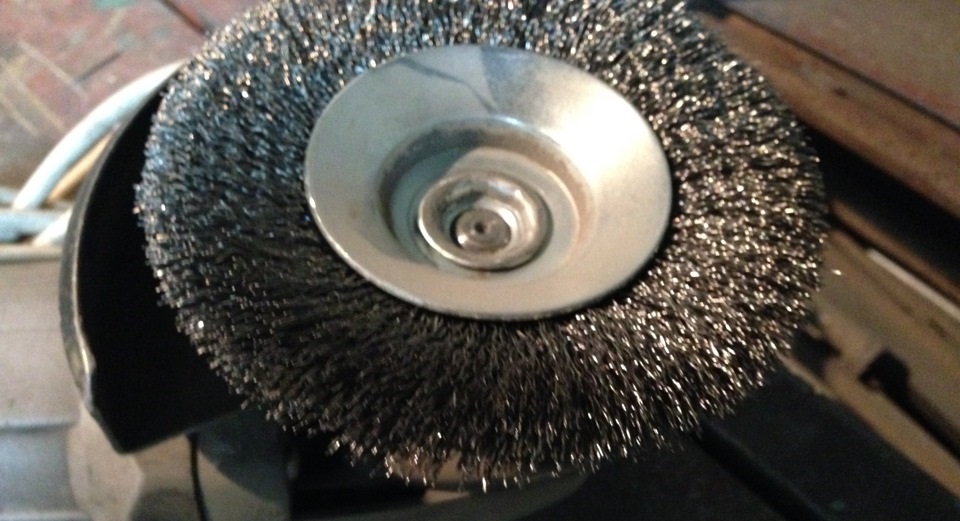
- sand the primed areas first with a 500-600 grit tool, and then by hand with 1000 grit;
- degrease the surface and remove dust from it;
- paint the panel in several layers;
- After the enamel has dried, apply a layer of varnish to the body.
Rust on the body of an automatic washing machine can be removed using either method. The second method will result in a smoother and more even surface than sanding the stains manually.
Why does the car get corroded?
Typically, after rust appears on a washing machine, owners don't even bother to analyze the cause. After repainting the washing machine, they continue using it as before, under the same conditions that initially caused the problem. Consequently, the metal corrosion story often repeats itself.
In fact, everything is obvious. Rust appears on machines installed in rooms with high humidity, or on those whose bodies are constantly exposed to water. To prevent the situation from recurring, it is necessary to combat dampness in the room.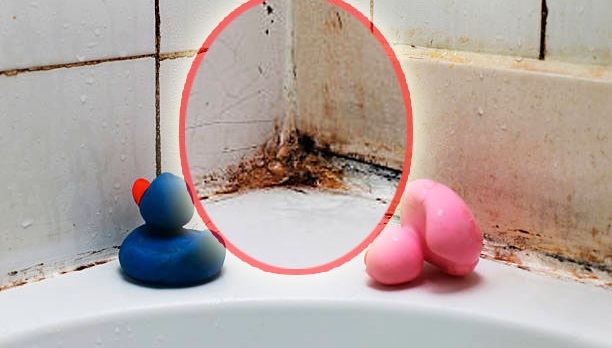
Generally, manufacturers do not recommend using automatic washing machines in rooms with excessive humidity, steam, or condensation. Despite this, many owners install washing machines in bathrooms. Wet air in such rooms is a daily occurrence, making the risk of rust on household appliances very high.
If your washing machine is installed in the bathroom, keep the door open at all times. This will help the moisture escape. It's also recommended to provide forced ventilation. The lower the humidity level, the less likely your washing machine is to rust.
We put up a barrier to corrosion
Every user can prevent rust on their washing machine. To avoid this unpleasant phenomenon, maintain normal humidity levels in the room where the machine is installed and wipe the housing with a dry cloth daily. Additionally, it is recommended: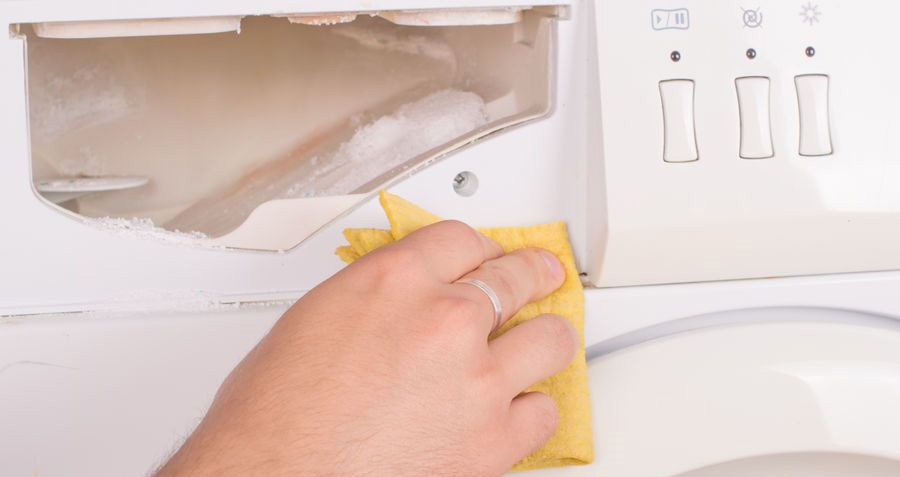
- Place a filter element in front of the machine's inlet - it will trap impurities contained in tap water;
- Once every 3-4 months, do an empty wash with citric acid or vinegar;
- periodically wipe the body of the “home assistant” with a vinegar solution with the addition of salt;
- After each use of the washing machine, wipe the powder compartment and drum cuff dry, leave the door open for ventilation.
It's strictly forbidden to scrub rusted areas of the washing machine's body with powder or other aggressive cleaners. This will further damage the metal, and the scratches will harbor harmful microorganisms. It's better to take a more scientific approach: sand the stains, treat the areas with a special anti-corrosion primer, and paint over them with enamel.
Interesting:
Readers' comments
Headings
Washing machine repair




For buyers




For users


Dishwasher




Add a comment