
Is Tiret dishwasher safe?
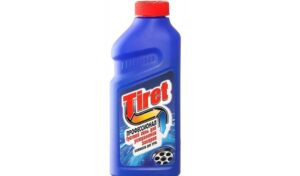 Cleaning household appliances is an essential part of maintaining the devices that make life much easier for modern housewives. A dishwasher, like any other household appliance, requires constant care, including cleaning the baskets, bin, and various filters. However, if serious internal blockages occur, caused by the accumulation and compaction of sticky food residue or a prolonged lack of daily cleaning, simply rinsing with water is not enough. Special drain cleaners can solve such problems, but appliance repair technicians insist that you shouldn't use Tiret in your dishwasher. Is this really true?
Is it acceptable to use chemicals to clean a dishwasher?
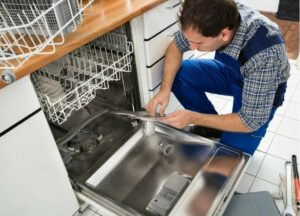
Cleaning your dishwasher at home, without the help of a professional, is easy. It's enough to know how the appliance works and avoid using harsh chemicals, as in many cases, simple mechanical removal of the blockage is sufficient. Cleaning should be done step by step.
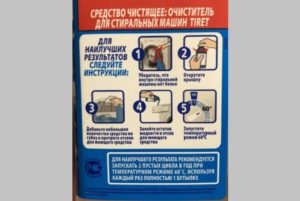
If a blockage causes the machine to stop working, the first thing to do is unplug it. Next, remove the drain hose from the drain pipe and allow the water to drain naturally into a container. Now you can try starting the machine again, first selecting the "Drain" mode. If the machine runs and the water drains, the clog should be located in the pipe. A special chemical cleaner, such as Tiret or the well-known "Mole," or a special steel cable, will do the job. If the blockage is severe and requires mechanical cleaning with a metal wire, it is better to use the services of a professional plumber. 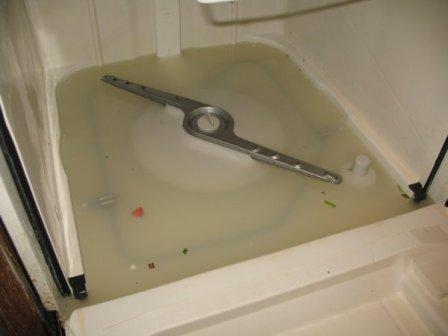
If water doesn't drain from the machine, it means there's a blockage inside. Now you need to find the location. First, check the internal filter at the bottom of the dishwasher. After emptying the water and dishes, remove the lower basket (the upper basket can be left in place) and unscrew the filter element cover. Remove any remaining food and rinse under high pressure.
The next step is to check the blades that supply water to the machine. Carefully unscrew them and remove them one by one. A regular toothpick and running tap water will help clean the holes.
A more serious task is cleaning the drain pump, whose clogged condition is also a common cause of household appliance failure. However, this can also be easily solved at home. Using the instructions, locate the unit, carefully unscrew all fasteners holding it in place, and remove the pump from the machine. Cleaning can be done with a thin, long object such as a pencil, skewer, or chopstick. After removing the clogged area, check the condition of the rotating element that controls the blades and reinstall the pump.
The internal parts of the pump may contain small and sharp objects that can injure your fingers, such as shards of glass, metal fragments, or hard food particles. Therefore, cleaning with bare hands is strictly prohibited.
If these steps don't produce the desired result and the machine continues to operate poorly, the cause is likely a buildup of scale inside the circulation pump. This could be limescale, a buildup of limescale, or biological residue from food products. Removing these deposits is impossible without the use of specialized chemicals.
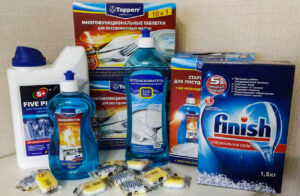
Some homeowners recommend using household chemicals designed to clear clogged pipes, such as Krot, Tiret, and others. However, these should be avoided, as their harsh ingredients can damage fragile and delicate parts of household appliances, leading to complex and costly repairs. To combat plaque, you should choose special cleaning products for dishwashers. It is worth giving preference to products from the following brands: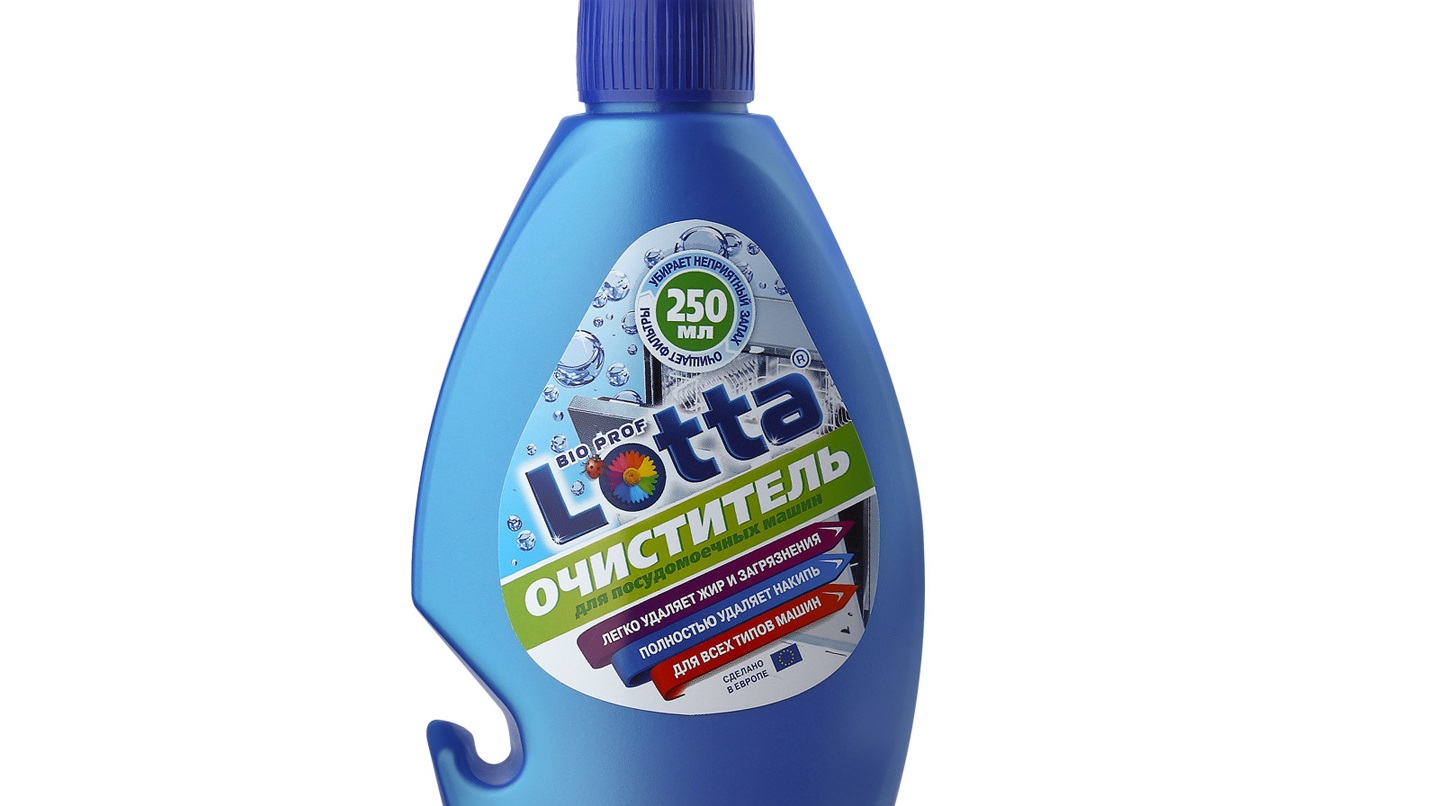
- Clean&Fresh;
- Lotta;
- Finish.
These cleaners are specially designed to remove biological and chemical deposits and do not harm household appliances.
How to avoid deep blockages?
A clog is always easier to prevent than to fix, and simple preventative maintenance can help. Simple steps to clean your dishwasher's components can help avoid clogs, subsequent breakdowns, and costly repairs.
- Internal filter. It should be cleaned weekly: remove the element, remove any food residue, and rinse under running water. If the buildup is severe, the filter can be soaked in a vinegar solution or dishwasher detergent.
- Sprayer blades. Unscrew them, remove them from the appliance, and place them under the faucet. This will allow you to assess the flow of liquid through the holes. If they are clogged, clean them with thin objects such as a toothpick, awl, or wire. Do this carefully to avoid damaging the components. Clogged blades are one of the main causes of excessive water consumption and poor dishwashing results.
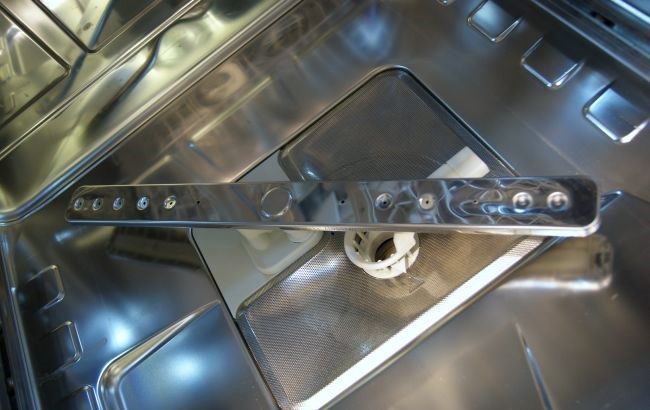
- Spray element shaft. After cleaning the blades and installing them in their proper positions, rotate them a few times to check their movement. If movement is restricted, remove any deposits from the shaft.
- The drain hose and water supply hose should be cleaned at least every six months. To do this, unscrew the fasteners at the ends of the parts, remove them, and rinse them under running water. If the hose shows signs of wear, such as kinks or thinned walls, it is recommended to replace it to prevent a break.
- Drain pump. It should be checked monthly for any solid particles that could cause clogging or damage.
It's also important to remember the daily care rules for your dishwasher, which will both extend its lifespan and prevent unnecessary repair and maintenance costs. Avoid overloading it with dishes, as this increases water consumption and reduces cleaning results. Before placing plates and pots in the dishwasher, remove any food debris to prevent it from accumulating in the internal components and filters.
To thoroughly clean the internal components of the unit, it is recommended to run it “empty” (without dishes) in the “Economy” mode once a month.
If preventative measures haven't been followed previously and mechanical cleaning isn't possible, you can clean the components with vinegar. To do this, pour two cups of vinegar into the detergent compartment and turn on the economy wash cycle. Halfway through the cycle, press the "Pause" button and let the machine sit for 15-20 minutes. For heavily soiled areas, this time can be extended to 8-12 hours. During this time, the acid and water will dissolve hardened dirt and grime, and any residue will be removed from the machine as soon as the wash cycle resumes.
Interesting:

1 reader comment
Add a comment
Headings
Washing machine repair




For buyers




For users


Dishwasher




What is this compartment for washing liquid?