
Is it possible to pour hot water into an automatic washing machine?
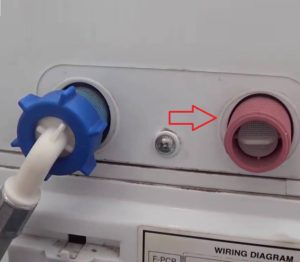 When connecting a washing machine, some homeowners wonder: what if I connect it directly to the hot water supply? Will this save electricity, which the machine uses to heat the water? And is it safe to add hot water to the washing machine when the cold water supply is turned off? Online, you can find recommendations against using preheated water in the washing machine. Let's find out whether hot water is truly dangerous for your appliance or just a myth.
Is hot water dangerous for the machine?
Contrary to popular belief, it is safe to use hot water in your washing machine. It will definitely not harm the equipment, because its composition is not much different from cold water. Let's look at the rationale behind the ban on connecting a washing machine to a hot pipe. Which of these arguments are utter nonsense, and which are worth considering.
- Hot water is considered harder and more polluted than cold water. This supposedly clogs the filter, leading to poor washing results. In reality, the water's requirements are the same, so there's little difference when it reaches the consumer. Hot water is actually better for washing than cold water.
Hot water is softer than cold water because some of the salts have been removed from it due to heating and the addition of a softener on the heat exchanger.
- Laundry detergents perform worse in hot water. Laundry detergents are designed for the maximum temperature used in a washing machine – 95°C (205°F). If the detergent contains bioadditives, the temperature setting is set to 70°C (158°F). However, hot tap water doesn't reach these temperatures, so laundry detergents will work fine with hot water. Of course, there are detergents that can be used at 40°C (104°F) or 50°C (122°F), but these are recommended only for certain washing modes.
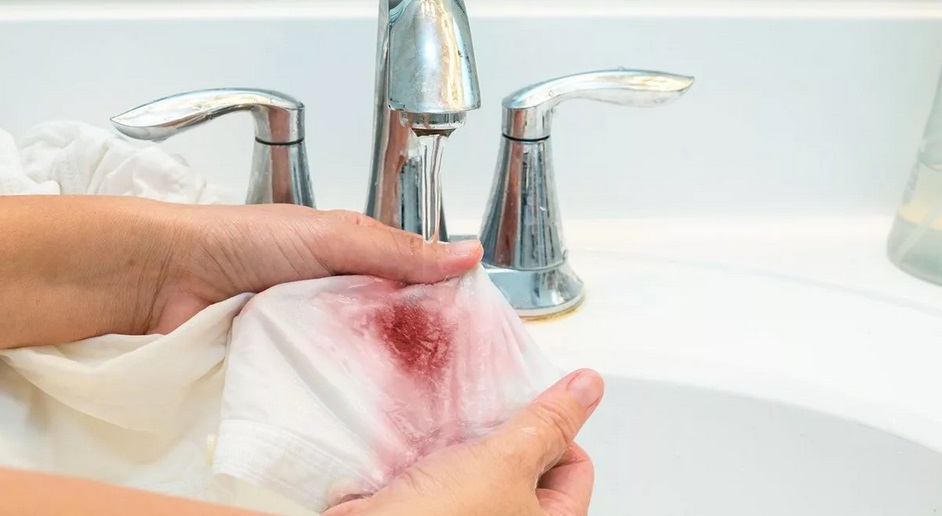
- Some types of stains, like blood, set in hot water. However, there's no need to put these items in the washing machine. Wash them in cold water first, then throw them in the washing machine.
- Rinsing with hot water leaves powder on the fabric. If this is the case, try rinsing with cold water only.
- Delicate fabrics can be damaged when washed at high temperatures. There's some truth to this statement. If you need to wash silk or chiffon, hand wash or use a special cycle.
The main concern of washing machine owners is whether hot water will damage their washing machine components. If you have a modern washing machine, all its components are designed to operate at water temperatures up to 95°C (205°F).cold water hoses can withstand temperatures up to 60 C. So, highly heated liquid will definitely not harm them.
Will connecting to hot water provide savings?
Let's look at another statement: using hot water helps save electricity, because the machine does not need to use a heating element. If you don't have a water meter, this option can really help you save some money. You still pay for water according to the tariff.
You'll save especially if you have a gas boiler for hot water. You can pour warm or hot water into the washing machine without wasting electricity. Even with a gas meter, this will be cheaper. The same applies to private homes with their own heating system.
There's no savings if you have hot water meters installed, especially if you have to let the water run for several minutes to reach a reasonable temperature. Machine washing won't reduce your utility bills at all, but will actually increase your bill.
Interesting:

3 reader comments
Add a comment
Headings
Washing machine repair




For buyers




For users


Dishwasher




I am very grateful to the author of the article – it is clear and understandable.
Thank you, you explained everything I wanted to know clearly.
My heating element broke. I thought about it for a while, then poured a ladle of hot water into it. Then I turned it on to the regular wash cycle, and my laundry wasn't that dirty. Thanks for confirming that it's not a problem for the machine... I'll keep washing like that for now.