Where do I pour conditioner into a Beko washing machine?
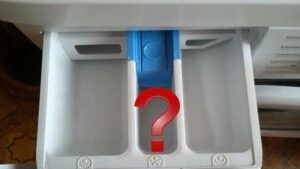
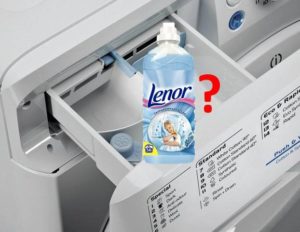
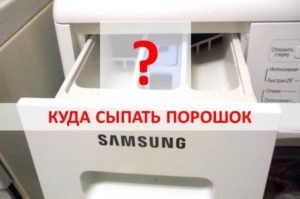
Not all users understand where to add fabric softener in their Beko washing machine. The washing machine's detergent dispenser has three compartments. If you mix them up and add fabric softener to the wrong compartment, it won't work.
Let's figure out how to find the fabric softener compartment in the detergent drawer. Why is it so important to avoid mixing up the compartments? Which fabric softeners are best to use?
Air conditioner compatible tray compartment
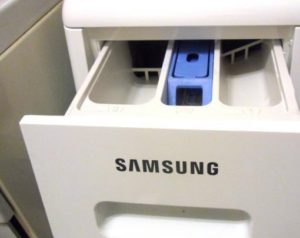
As mentioned earlier, the detergent drawer in Beko automatic washing machines has three compartments. Each compartment is designed for a specific type of detergent. Each compartment is marked with a specific symbol.
The powder compartment of Beko machines has three compartments: for pre-wash, main wash and rinse.
The pre-wash compartment is marked with Roman numerals. This is an additional step for heavily soiled items. You can add regular washing powder, stain remover, or bleach here.
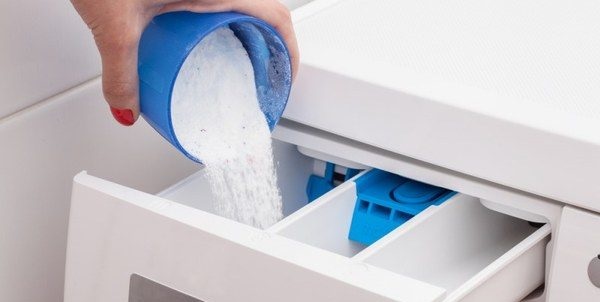
The drawer marked with a Roman numeral (ll) is used during the main wash cycle. This is where detergent or gel is poured. It's usually the largest compartment in the detergent drawer.
It is quite difficult to confuse the rinse aid compartment with others. The air conditioner compartment is marked with a flower symbol, has the smallest volume and is often highlighted in a different color (blue). This is where additional emollients are added.
All information about the purpose of the detergent drawer sections is provided in the washing machine's instructions. So, if you're unsure, consult the user manual. It contains a diagram showing the detergent drawer with descriptions of each compartment.
The compartments were mixed up or the conditioner was poured directly into the drum.
Why is it so important to pour conditioner into the correct compartment? It's important to understand how a washing machine works. This smart machine circulates water through a specific compartment at each stage of the cycle.
For example, suppose a program with a pre-wash phase is selected. First, the washing machine will run water through the section marked with the Roman numeral "l." This draws detergent from this compartment, and the washing machine will continue to use it while it's running.
Next, the main wash cycle begins. The machine drains the water and refills, this time through the compartment marked with the Roman ll. The detergent dissolves and begins to work, removing stains from the items.
The next step is rinsing. The machine will begin filling with clean water, passing it through the fabric softener compartment. The softener will then be released into the laundry and do its job.
Let's say you mixed up the compartments. You poured fabric softener into the compartment marked with the Roman numeral "ll," and powder into the compartment marked with the flower. How will the wash go?
The machine will first run water through the main wash compartment (where fabric softener was mistakenly poured). The laundry will not be cleaned, as the fabric softener will not be effective in removing stains. After this stage, the "home helper" will begin the rinse cycle.
The washing machine will now begin drawing water through the fabric softener compartment (where we mistakenly kept the detergent). This will ensure the laundry is rinsed in soapy water. The machine will then spin the laundry and signal the end of the program.
The end result will be laundry washed in clean water with fabric softener and rinsed in a mild detergent solution. Obviously, the items will need to be rewashed. Therefore, it's crucial to understand which compartment of the Beko washing machine is designed for which detergent.
Some housewives pour fabric softener directly into the drum. This is acceptable if the machine is running the "Rinse" cycle, which doesn't involve washing. This will still be effective. However, adding the product directly to the fabric without diluting it with water can damage the clothes.
If you run a standard wash cycle and pour fabric softener directly into the drum, it won't work. The fabric softener will dissolve in the soapy water and drain out of the machine before the rinse cycle, preventing the product from working properly.
Which air conditioner is better to use?
Why do many housewives use fabric softener? It's not essential, like, say, washing powder. However, it offers some nice benefits:
makes things soft and pleasant to the body;
has an antistatic effect;
gives the laundry a scent;
prevents dirt from penetrating into the fabric fibers;
prevents colors from washing out of fabric;
helps things retain their original appearance and shape longer.
There's a huge selection of laundry detergents available in stores today. What should you look for when buying a fabric softener? Many homeowners focus on the ingredients, fragrance, and, of course, price.
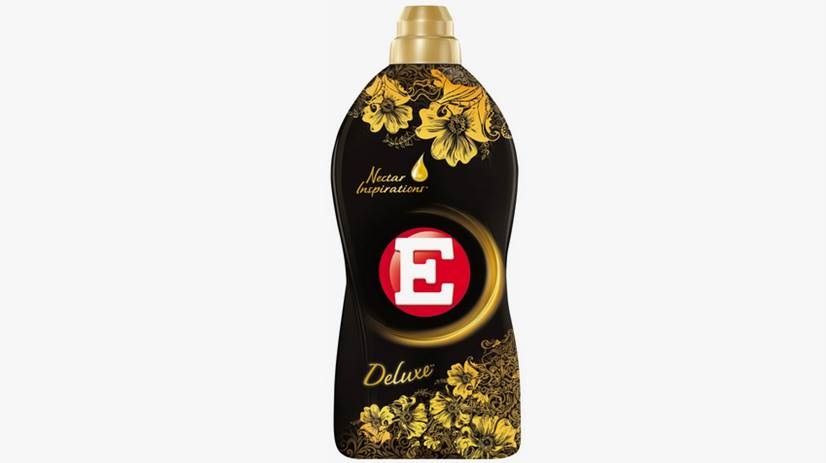
The E fabric softener has a very high rating and many positive reviews. A four-liter canister of fabric softener costs only $3.30. It leaves clothes soft, smelling fresh, and smoothing and anti-static.
The fabric softener does not contain artificial colors, chlorine, phosphates, or formaldehyde. Dosage recommendations are provided on the product packaging. The fabric softener is suitable for both hand and machine washing.
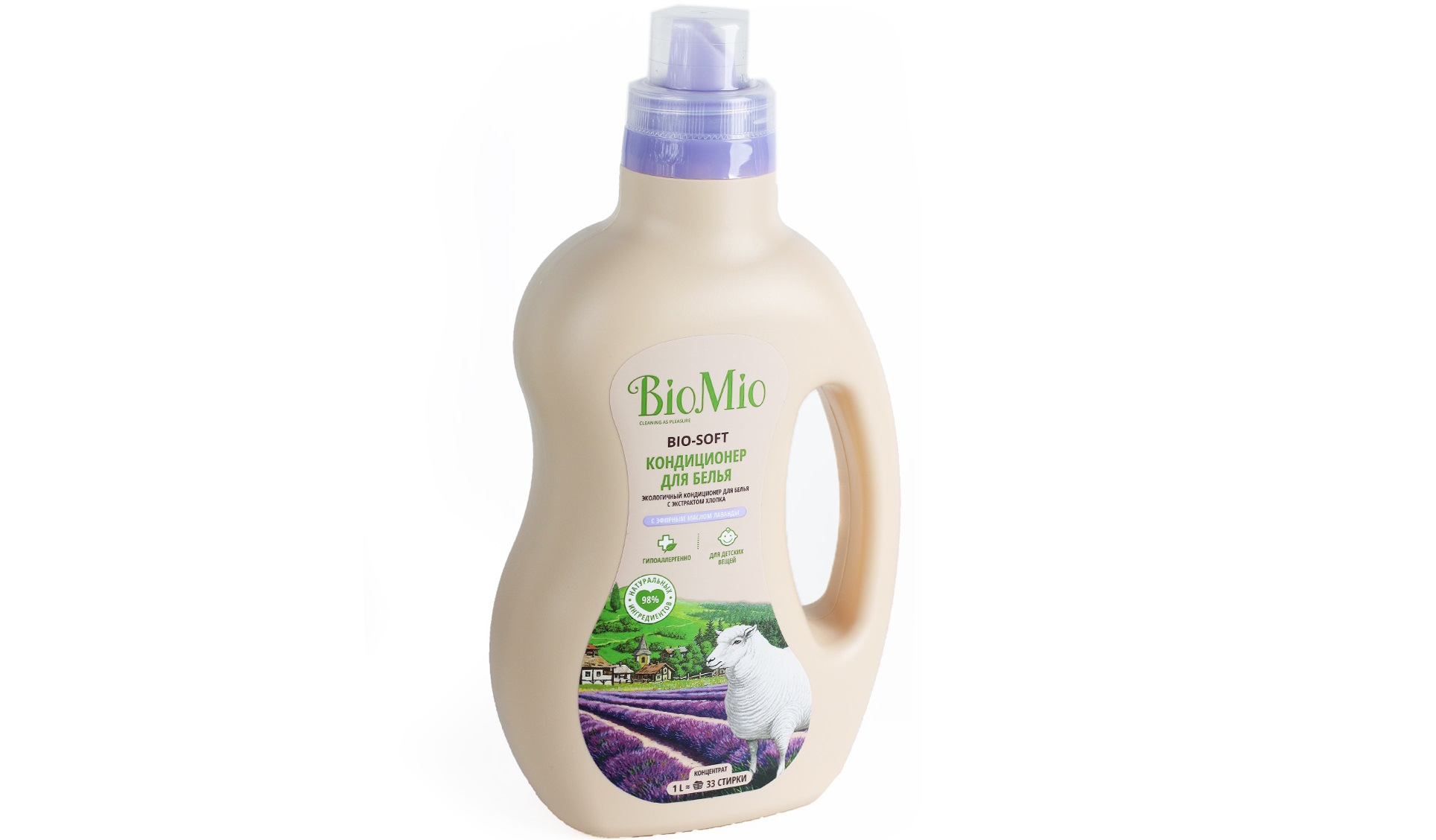
BioMio fabric softener is very popular. It's an eco-friendly, hypoallergenic fabric softener formulated with mandarin essential oil. It's suitable for all fabrics, even delicate wool and silk.
BioMio fabric softener makes clothes especially soft, makes ironing easier, and has an antibacterial and antistatic effect.
BioMio mouthwash is made from 98% natural ingredients. Key components:
glycerol;
mandarin essential oil;
cotton extract.
This product is suitable for children's clothing and those with sensitive skin. Its concentrated formula allows for minimal use. A liter of conditioner costs approximately $2.80.
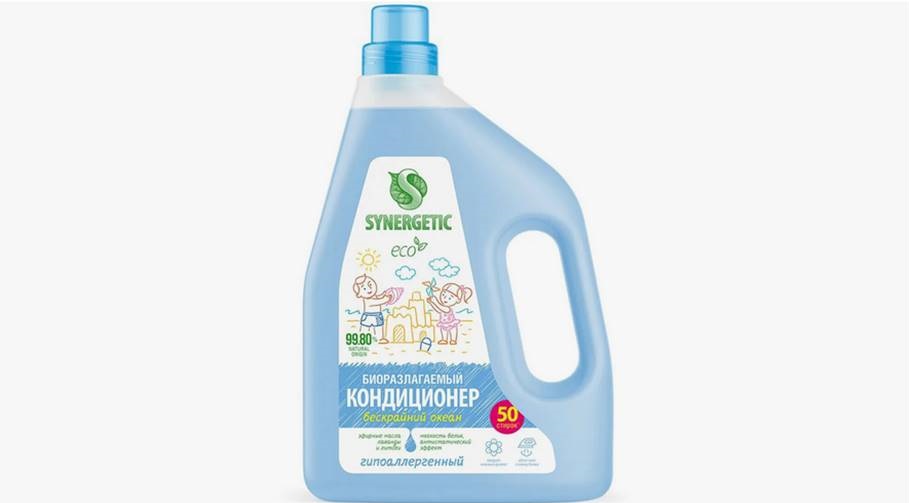
Synergetic makes excellent fabric softeners. A 1.5-liter bottle, priced at $2.70, lasts for 50 washes. This hypoallergenic fabric softener gently cares for fabrics and is suitable for all types of laundry, including wool and silk.
The conditioner's complex of plant-based K-tensides ensures easy ironing. Orange and clove essential oils impart a delicate scent. The conditioner is suitable for both hand and machine washing.
The product is absolutely safe for septic systems and does not harm the environment. Fabric softener Synergetic Neutralizes detergent residues on fabrics. Suitable for allergy sufferers and people with sensitive skin.
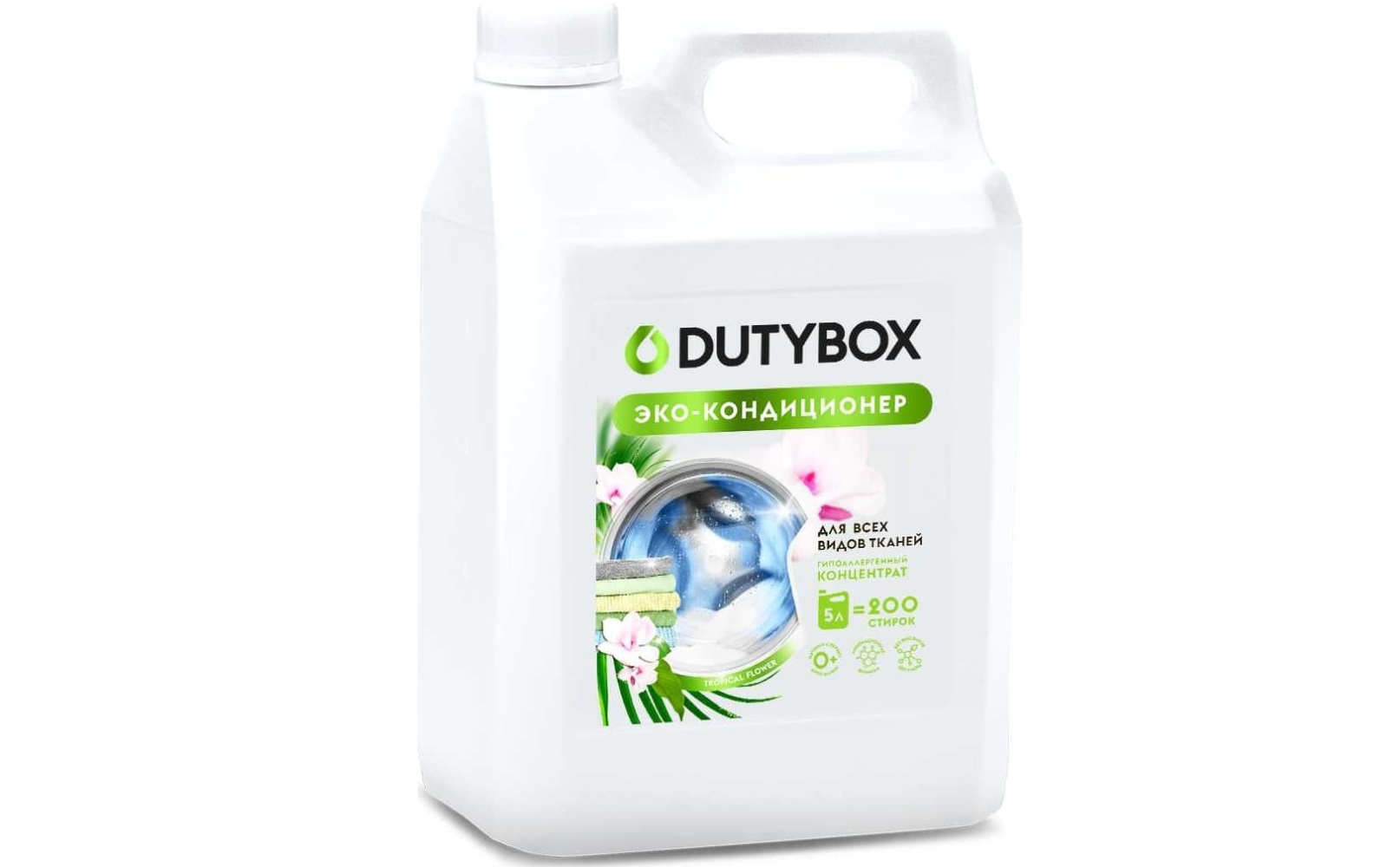
Another good product is Dutybox scented fabric softener. A five-liter canister, costing about $7, is good for 200 washes. Besides imparting a pleasant scent, the fabric softener:
makes things especially soft and gentle;
eliminates static electricity;
helps maintain the structure of the fabric, protecting the fibers from wear and damage;
Neutralizes powder residue on laundry.
The components of DUTYBOX fabric softener are safe for even the most sensitive skin. It can be used for washing clothes of allergy sufferers and children's clothes. The conditioner rinses completely from fabrics, leaving no streaks.
The Grass Eva Flower conditioner is worth checking out. It's available in five-liter canisters, and each bottle costs about $6.20. Rinse aid:
Suitable for all types of fabrics;
makes ironing easier;
preserves the color and structure of fabrics;
Safe for children's clothing from birth.
Suitable for hand and machine washing. The product can be used without gloves and is safe for sensitive skin. The conditioner is safe for septic systems. According to the instructions, 45 ml of concentrate is sufficient for 4-5 kg of laundry.

 Not all users understand where to add fabric softener in their Beko washing machine. The washing machine's detergent dispenser has three compartments. If you mix them up and add fabric softener to the wrong compartment, it won't work.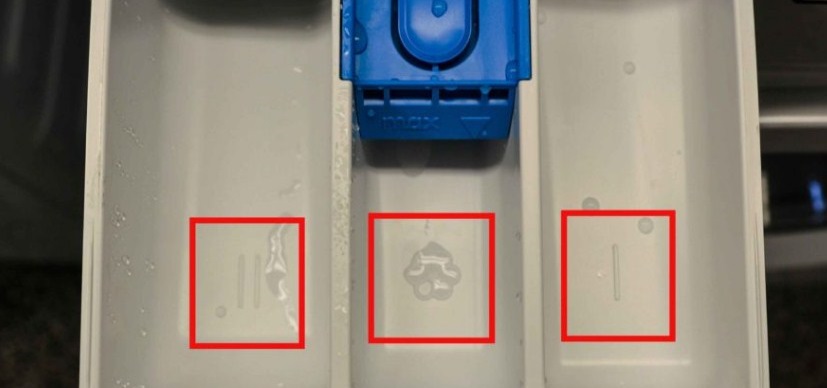


















Add a comment