How to replace shock absorbers in a Beko washing machine
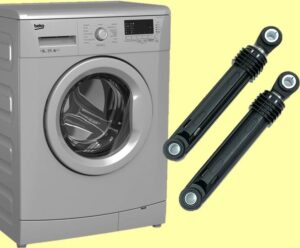
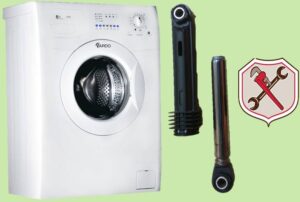
Every automatic washing machine has a shock-absorbing system. The drum is supported by dampers at the bottom and suspended by springs at the top. This is to dampen vibrations that occur during the washing process.
If your washing machine starts making noise, knocking, wobbling, or "jumping" while running, this indicates worn shock absorbers. We'll explain how to diagnose shock absorbers and how to replace shock absorbers in a Beko washing machine.
What elements are we going to change?
You can replace the shock absorbers on your Beko washing machine yourself, without calling a technician. You'll need a minimal set of tools. It's important to follow the instructions and follow the recommendations. Before beginning the repair, familiarize yourself with the design of the washing machine's racks and how they function.
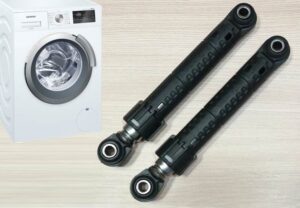
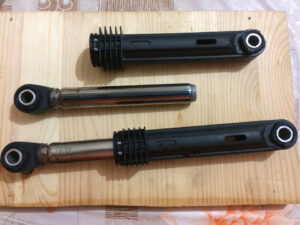
Beko washing machines are equipped with friction dampers, the design of which consists of several components.
The Beko washing machine damper consists of:
housings;
piston;
movable plate (the spacer is fixed through it);
spacers;
guide;
sliding surfaces.
The damper body is static. The piston-pusher protrudes slightly from the shock absorber shell. The guide ensures the movement of all components in the desired direction.
The damper's parts move, creating resistance. The mechanism absorbs the tank's vibrations, gradually dampening them, absorbing all the shock. Racks that washing machines are equipped with Beko, without return springs, so they work without requiring repairs for about 5-8 years.
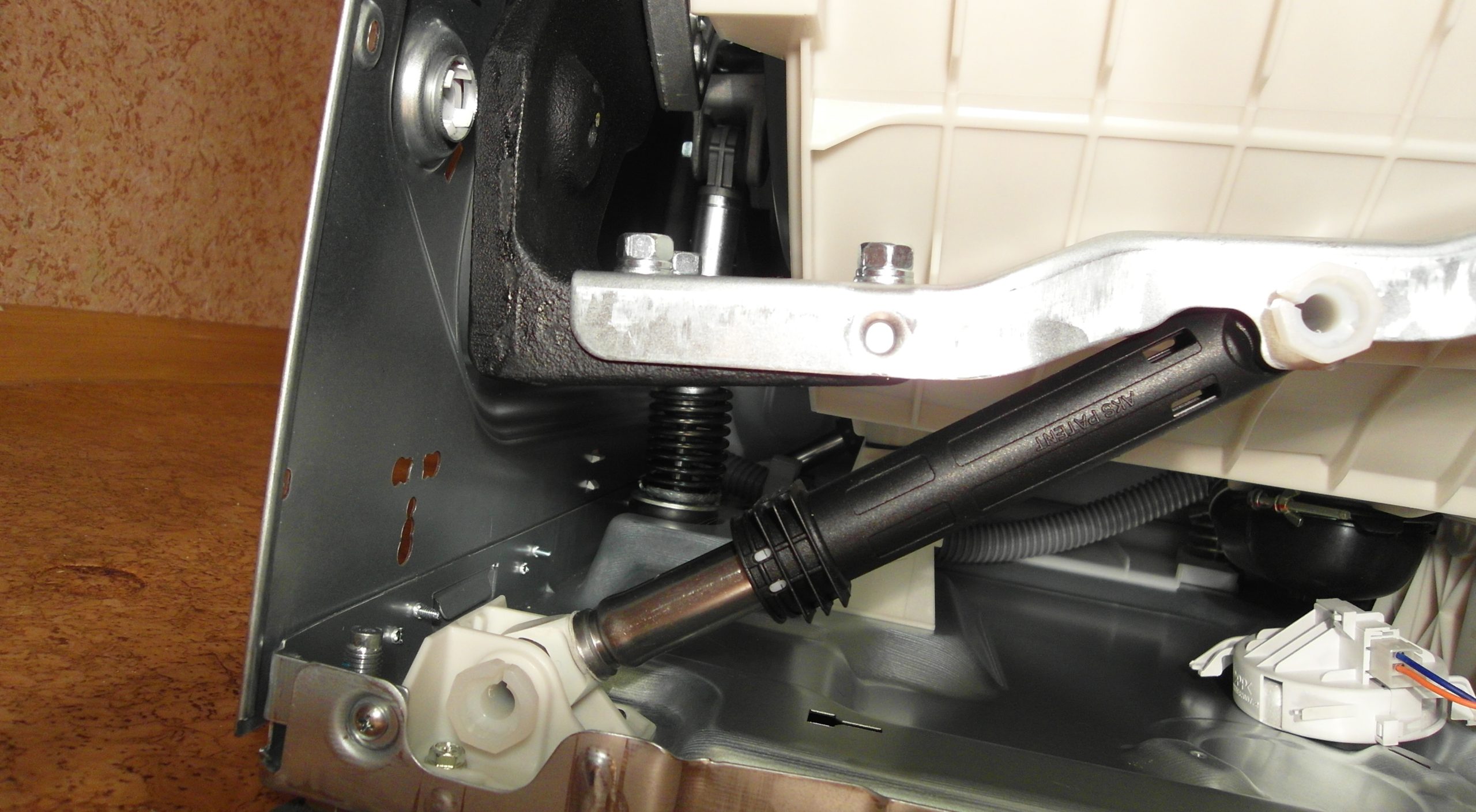
Older Beko models are equipped with standard shock absorbers consisting of a housing, cylinder, and sliding rod. The design also includes rubber seals lubricated with a special compound. The seals ensure perfect sliding to smooth out vibration.
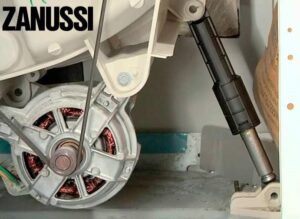
At the bottom, the damper is attached to the machine body with a silent block. At the top, the movable plunger-piston is bolted to the washing machine's tank. Sliding supports are provided next to the shock absorbers to ensure longitudinal movement. They are secured with keys to prevent axial displacement.
Are these parts really faulty?
The average lifespan of original Beko automatic washing machine shock absorbers is 5-8 years. Some shock absorbers last longer, while others, on the contrary, only last 2-3 years. Much depends on the washing machine's operating conditions and the quality of its assembly.
The main reasons for failure of shock absorbing elements are the following:
mechanical wear;
damage due to prolonged loads and constant vibrations;
washing out grease from the shock absorber housing;
The user's violation of the operating rules for the Beko washing machine (overloading the machine, installing it incorrectly, on an uneven floor, etc.).
The main reason for premature wear of the dampers is careless use of the washing machine.
What does careless use of a washing machine mean? Exceeding the maximum load capacity, spinning at the maximum speed, and washing with an imbalance in the drum. All these factors reduce the lifespan of the shock absorbers. You can tell when the shock absorbers need replacing by the following signs:
the body of the automatic washing machine wobbles and vibrates, which is especially noticeable during the spin cycle;
when the washing machine is running, a loud knocking and rumbling sound is heard;
the machine "jumps", moving from its installation location;
the drive belt often falls off the pulley;
a leak is observed from under the door (the drum hits the washing machine body, the door sealing cuff is damaged, and liquid begins to leak through it).
All of these symptoms could indicate problems with the shock absorbers. However, these signs are also typical of other malfunctions. Therefore, diagnostics are essential.
Checking the shock absorber system yourself is very simple. Remove the top panel of the washing machine, press firmly on the tank, and then release it quickly. If the tank slides back into place smoothly, the dampers are working properly. An erratic drum swing indicates that the shock absorbers need to be replaced.
If the tank continues to bounce for a long time after this check and won't stop, you'll need to inspect the shock absorbers. The shock absorbers are located underneath, and removing them requires partially disassembling the washing machine. We'll explain how.
Getting to the shock absorber mechanism
Removing the shock absorbers requires disassembling the washing machine. This begins with preparing the machine. Before starting repairs, de-energize the washing machine and disconnect the appliance from the utilities. After disconnecting the drain and inlet hoses from the body, move the machine to the center of the room.
The further algorithm of actions is as follows:
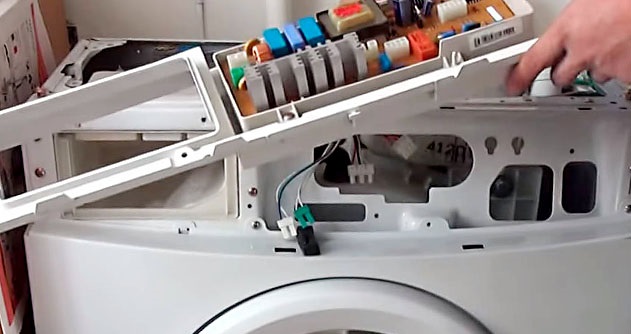
After unscrewing a couple of screws, remove the top panel of the case;
remove the powder container;
remove the bolts securing the control panel;
disconnect the instrument panel from the washing machine body (carefully, so as not to damage the wiring);
place the washing machine on the floor, on the back wall;
unscrew the screws securing the bottom of the machine;
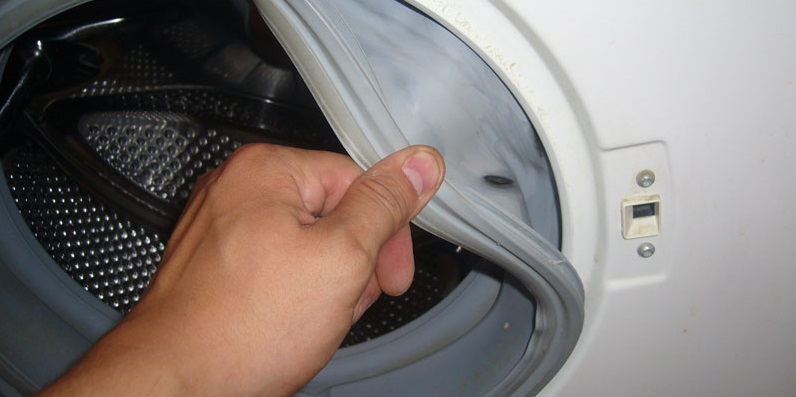
open the hatch, remove the outer clamp of the cuff;
insert the sealing rubber into the drum;
disconnect the wires from the hatch locking device;
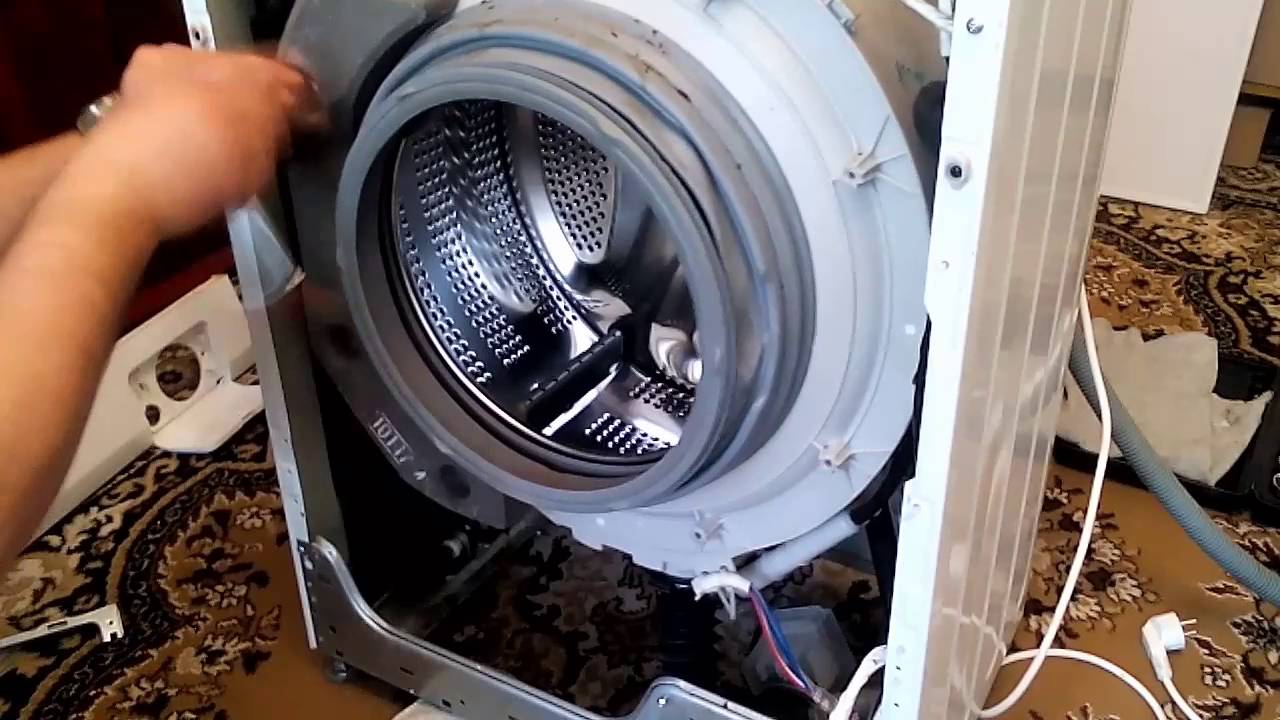
remove the front panel of the case.
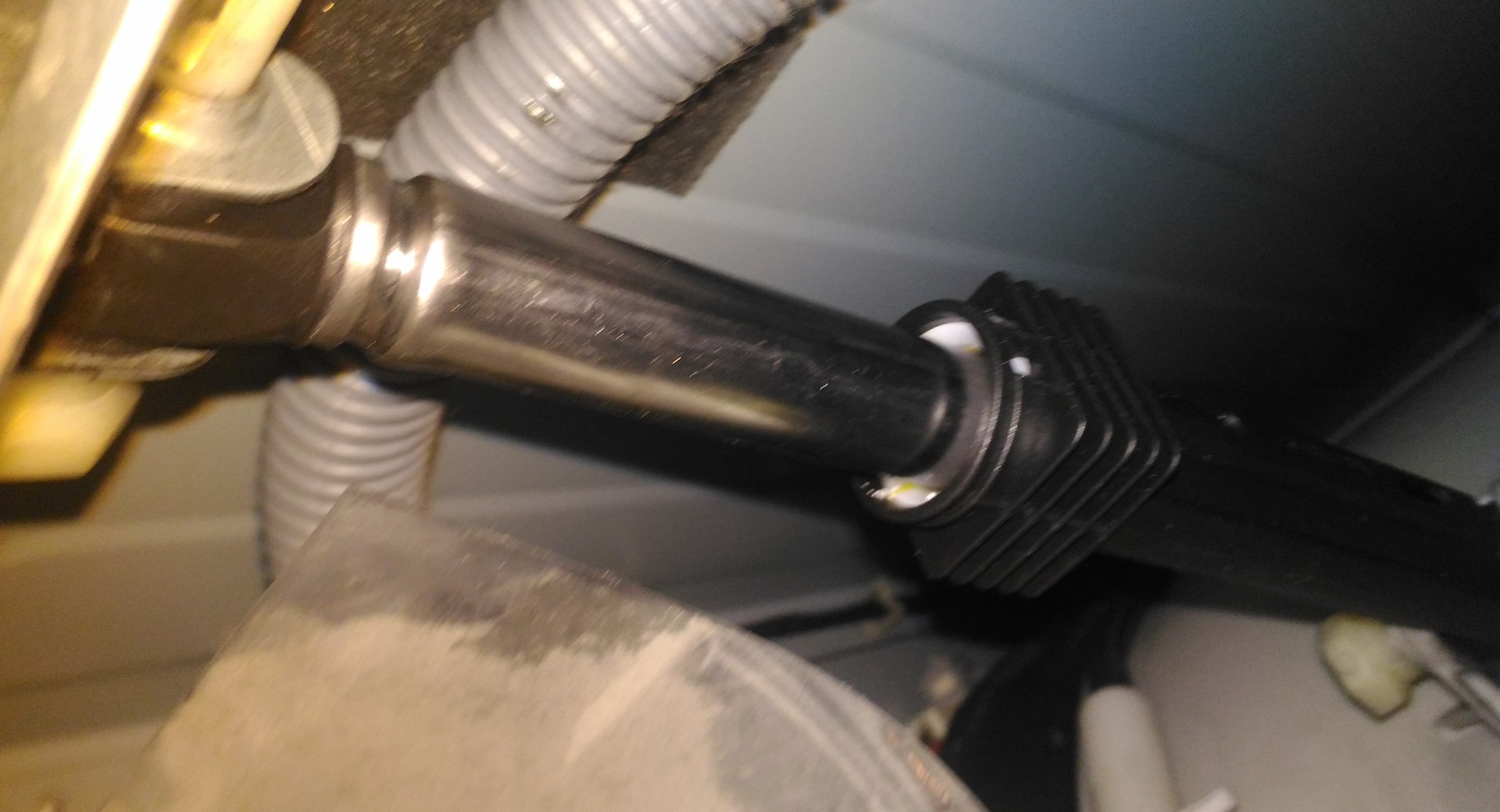
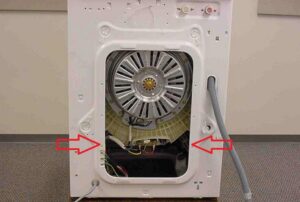
After removing the front panel, the shock absorbers are visible. Ideally, experts recommend continuing the disassembly of the washing machine until the tank is removed, and only then removing the struts. However, DIYers suggest simplifying the process by removing the shock absorbers now, while the machine is lying down.
We are making a replacement
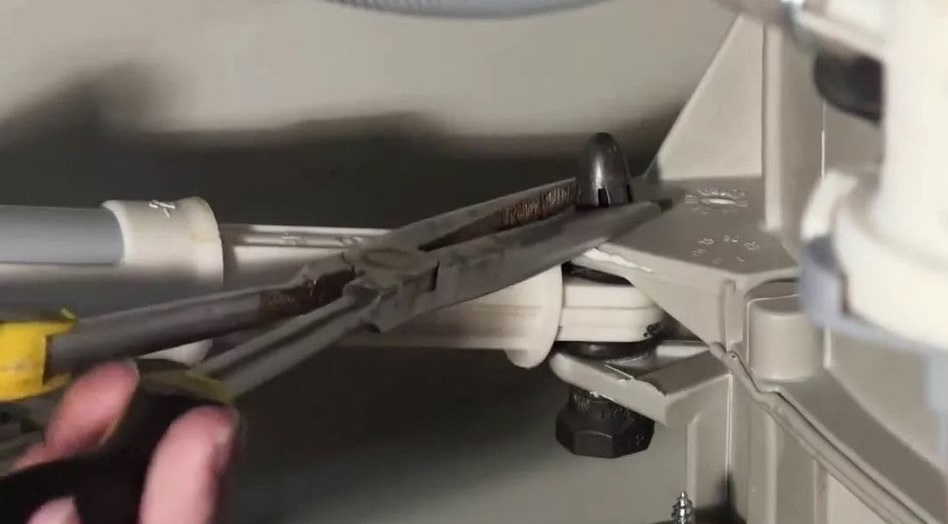
The next task is to remove the worn shock absorbers. From below, it's easy—just loosen the clamps. From above, the dampers are secured with special plastic holders. Unscrewing them the usual way won't work.
To “free” the upper part of the dampers, you need to:
take a 13 mm drill;
"arm yourself" with a screwdriver;
carefully drill the fasteners.
Beko washing machine dampers cannot be repaired.
Dismantled shock absorbers are recycled. New shock absorbers are purchased for the specific Beko washing machine model. You can also take your old shock absorbers to a store and ask the salesperson to select similar parts.
Next, the mounting surface is cleaned and treated with a special lubricant. Then, the new dampers are installed. They are secured with bolts at the bottom and attached to the tank at the top through the holes previously made.
Once you've finished installing the shock absorbers, reassemble the washing machine in reverse order. Replace the front panel, connect the door lock wiring, straighten the cuff and secure it with a clamp, and screw the bottom in place. Then, stand the machine upright.
Next, secure the dashboard and replace the detergent drawer. Check the shock absorbers again by pressing firmly on the drum and releasing it. The drum should immediately return to its original position. If all is well, secure the top cover and run a test wash. The machine should stop making noise, jumping, and vibrating.

 Every automatic washing machine has a shock-absorbing system. The drum is supported by dampers at the bottom and suspended by springs at the top. This is to dampen vibrations that occur during the washing process.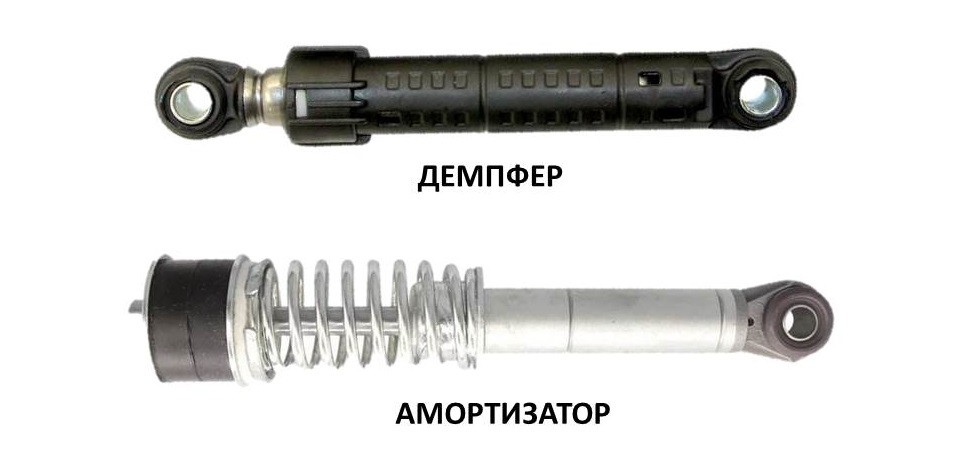














Add a comment