
How to change a dishwasher capacitor?
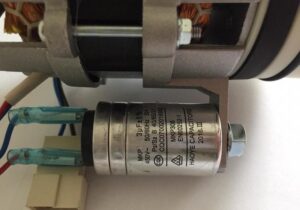 A dishwasher's capacitor failure usually occurs suddenly. For example, the dishwasher may suddenly stop cleaning dishes effectively, for no apparent reason. This occurs because the capacitor stops turning the circulation pump, preventing pressure from building up in the dishwasher, and the dishwasher can't flush away stubborn food residue with a powerful jet of water. In this case, replacing the dishwasher's capacitor is the only solution. We'll tell you how to find and replace it yourself right now.
How to get to the capacitor?
Unfortunately, it's quite common for a dishwasher to heat water and run, but not wash all the dishes properly. When starting, it feels like the pump isn't working, even though it hums loudly, so the machine is unable to rinse away any food residue. To fix this, you need to access the condenser and test it.
- First of all, it is worth removing the side panels of the dishwasher on both sides to gain access to all the necessary parts, which can be checked just in case.
This is how you can visually check the integrity of the heating element, as well as measure its resistance in ohms to know for sure that the problem is in the capacitor.
- Now you need to unscrew the pump mounting bolt located at the very bottom of the dishwasher. Typically, the pump is held in place by only one bolt, so once unscrewed, the part will come free.
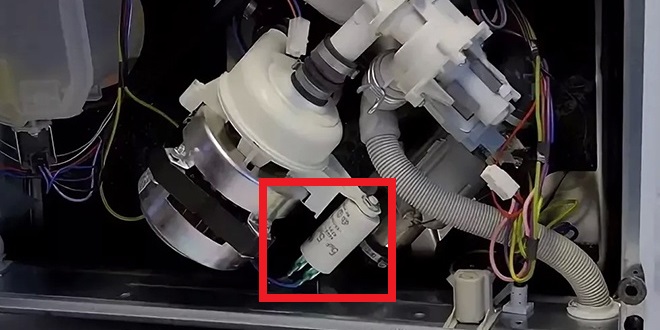
- Next, you need to remove the bottom cover of the dishwasher and carefully disconnect the terminals of the sensor, which is installed on the cover in order to monitor the water level.
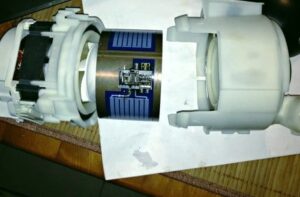
- Afterwards, you can visually inspect the pump and disconnect the capacitor for testing.
If you are unsure of your abilities, take a photo of the capacitor connection to the pump so that you do not make mistakes when reassembling the dishwasher.
The component is disconnected, you can run tests, and then proceed to replacement if necessary. As you can see, this can be done yourself, without the need for a technician.
Checking and replacing the part
If the dishwasher's heating element is working properly, the problem lies with the pump, which may hum loudly when the heating element is operating but won't start. If the pump motor has already been checked and turns freely but won't start, the problem may lie solely with the capacitor.
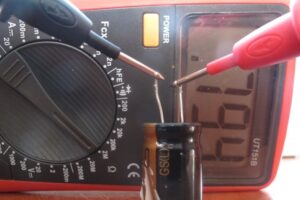
The most common capacitor capacitance is 5 microfarads. To check its condition, the part needs to be connected to a transistor tester, for which a standard semiconductor tester like the Mtester V2.07 works well.If the device shows a value much less than 5,000 Nanofarads, then the capacitor has lost its charge during active use and therefore needs to be replaced immediately.
Buy a new part, preferably an original one, so it fits your dishwasher model. Cheap capacitors will also work, but they can be difficult to install because they usually don't have a bolt to attach to the pump. Therefore, you'll have to first make a mounting bolt yourself and then attach it using glue, which can be very unreliable and short-lived.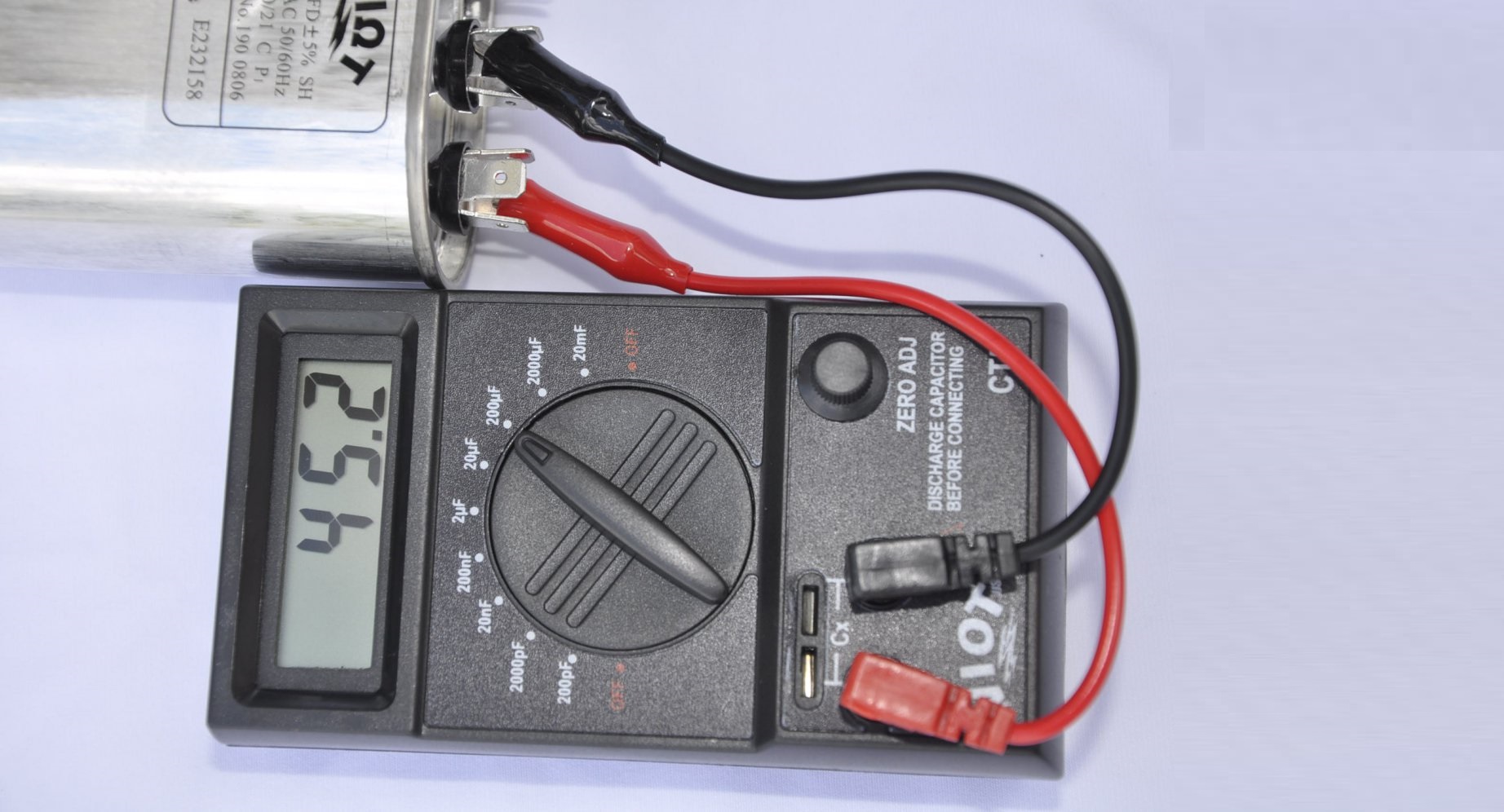
Once the condenser is purchased and ready for installation, follow our instructions in reverse order, reassemble the machine, and perform a test wash. If, after filling with water, the pump starts to turn on without a loud hum, and all dishes are crystal clear again after the cycle, the repair has been successful. Always pay close attention to any unusual sounds your "home helper" makes, as this could be the first sign that something is wrong.
Interesting:



Readers' comments
Headings
Washing machine repair




For buyers




For users


Dishwasher




Add a comment