
How to change the faucet on a washing machine?
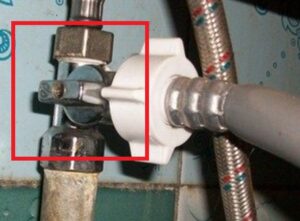 Washing clothes in a washing machine requires following the instructions, which require certain steps to be taken before washing and turning on the machine. This includes opening the faucet before washing and closing it after washing. While this is safe, it's perfectly fine. However, such actions lead to rapid wear and tear of the faucet. These devices are often of poor quality and therefore break easily. Furthermore, the faucet is designed for a certain number of openings and closings. This raises the obvious question: how do I replace a leaking washing machine faucet?
What kind of faucet do you have installed?
In most cases, plumbers install a ball valve. There are three main types of these valves.
For example, a straight-through faucet with special openings on both ends can be installed. One end of this faucet is connected to the water supply pipe, and the other end is connected to the washing machine's inlet hose.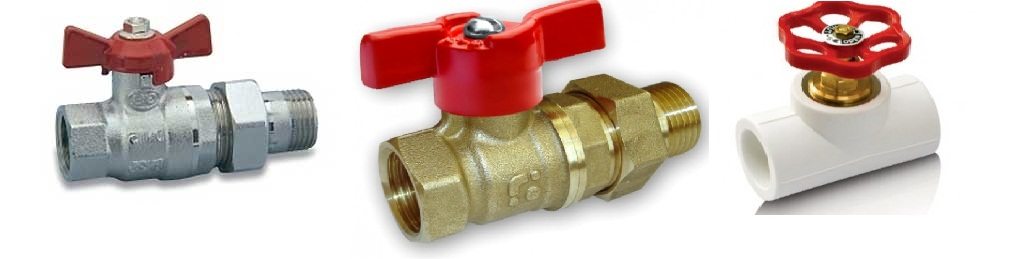
Another type of faucet is the tee faucet, or three-way faucet. This type of faucet is distinguished by its three inlets and outlets. One opening is for the washing machine's inlet hose, while the other two are used to connect the water supply lines into a single structure.
These elements can have their own parameters, shape, and system. They are used for insertion into a water supply pipe, where they integrate with other fittings, including a faucet.
An angle valve system is similar to a straight-through fitting, with specific features that correspond to these elements. Professionals use this valve to separate a pipe into two sections at right angles.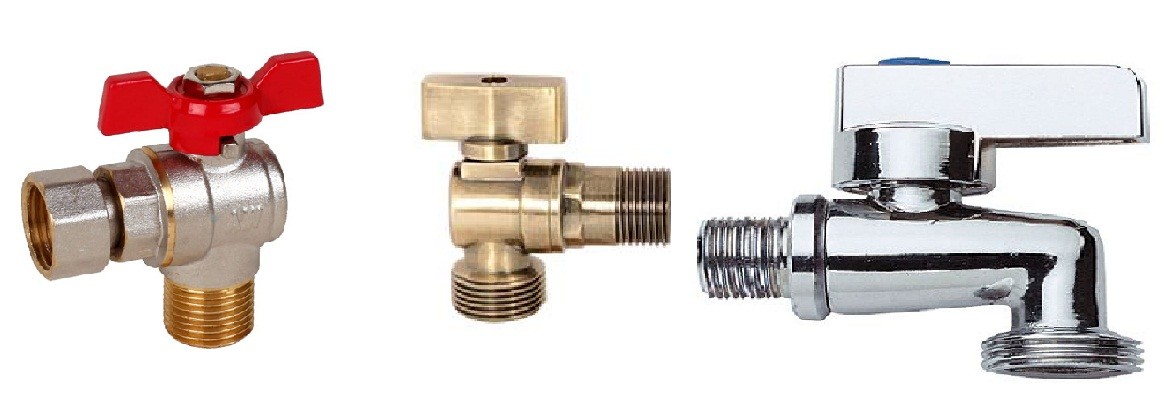
This component is used during the toilet installation process, although experts also use the tap for washing machines that are connected to the system in a non-standard way. The tap comes complete with seals, special nuts, and handles. The rotary handles are designed to shut off the water. The component is attached to the part with a special nut; the system is very simple.
We remove the old faucet and install a new one.
Before purchasing a new faucet, it's important to inspect the old one. Experts recommend purchasing a similar model to ensure a seamless replacement. However, it's best to buy a high-quality, reliable, and expensive fitting to avoid having to replace it again later. First, select an open-end wrench that matches the nut's dimensions. An adjustable wrench can also be used. You'll also need FUM tape during the process.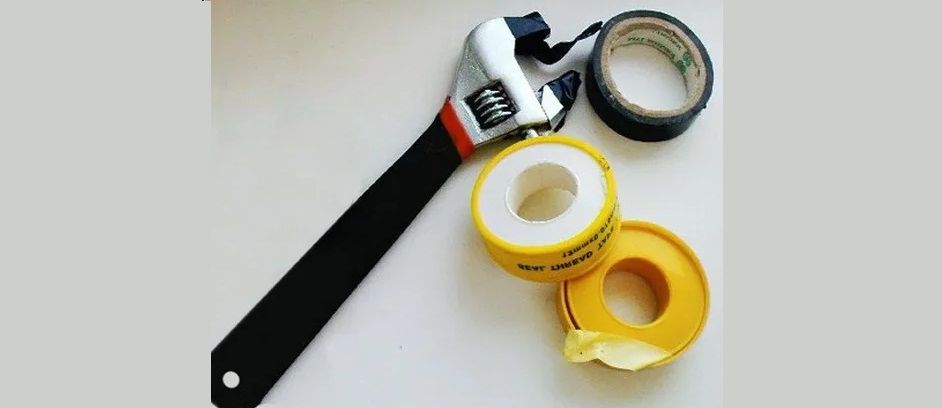
The instructions for replacing the faucet look simple.
- First, you should disconnect the washing machine from the power supply and then turn off the water.
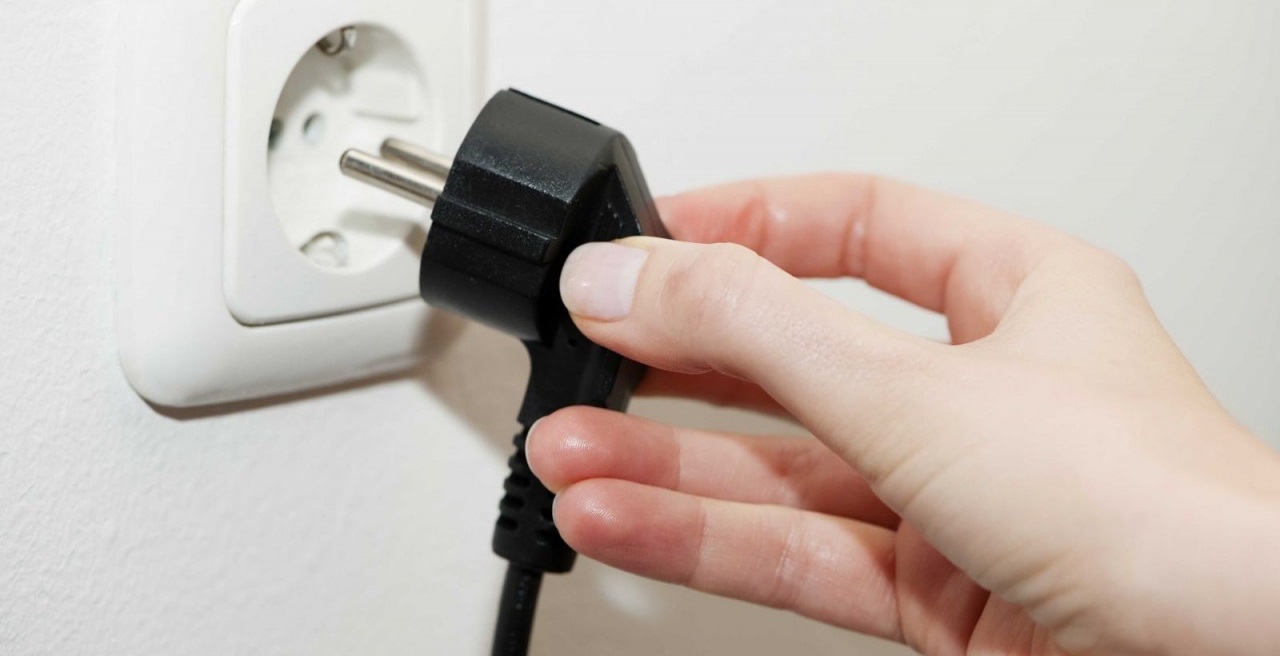
- It's best to unscrew the plastic nut by hand to avoid damaging the product. Place a basin in the area where you're disassembling.
There's a special seal inside the plastic nut that should be checked. If it's damaged, it needs to be replaced.
- You can unscrew the nuts using an adjustable wrench; the old faucet can be removed in the same way.
- Before installing a purchased faucet, clean the threads of any dirt. Only then can you install the seals and apply the tape.
- Next, we install an expensive faucet, the handle of which should be in the “Closed” position.
- A plastic nut must be screwed onto the free outlet; it is directly connected to the appliance's inlet hose. It's best to do this manually to avoid damaging the plastic, which could cause it to crack.
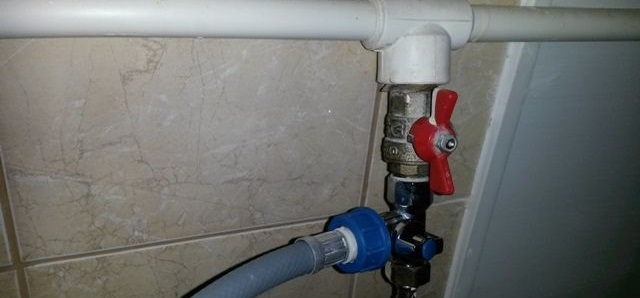
- Finally, check the faucet for leaks. A leak may appear after some time, so allow at least fifteen minutes for inspection. If the faucet is leaking, turn off the water, unscrew the faucet, replace the hose, and reinstall the faucet.
The replacement is successful if the work area is dry and the faucet opens and closes smoothly. Experts recommend installing an expensive, high-quality, and reliable faucet; this will ensure long-lasting service.
Interesting:


1 reader comment
Add a comment
Headings
Washing machine repair




For buyers




For users


Dishwasher




How much does such work cost?