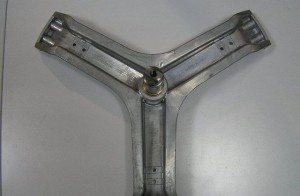
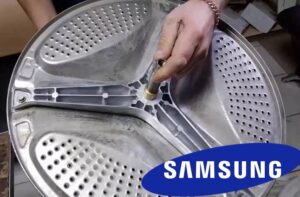
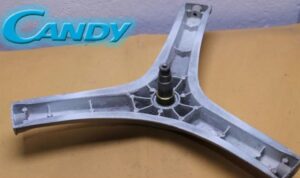
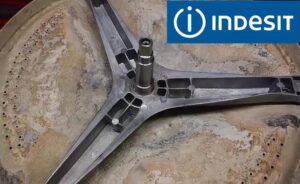
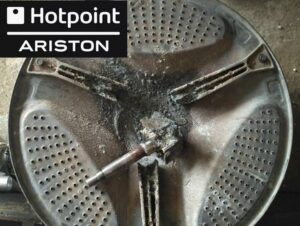
The spider is a fragile metal component used to secure the drum to the tub. During washing and spinning, this component is constantly subjected to extreme stress, so after a few years of use, it can easily become misshapen or crack. If this damage occurs, repairs to the machine will be inevitable.
You can replace the spider in your washing machine yourself. To do this, you'll need to remove the drum from the machine. Let's find out how to disassemble the washing machine to access the broken part.
Why did it break?
Replacing the spider bearings in an automatic washing machine's drum is extremely rare. The bearing assembly is the first to bear the brunt of the wear. When the metal rings wear out, the washing machine begins to make noise, hum, and vibrate heavily during operation. If you replace the bearings in time, the crosspiece will remain intact and undamaged.
When the user performs timely diagnostics of the washing machine and installs new bearings, the universal joint doesn't have time to deform. If the situation is neglected and signs of bearing wear are ignored, a comprehensive repair with replacement of all components may soon be required.
Damage to the drum spider may be caused by water that is too hard.
Various impurities in water settle on the metal part, coating its surface with limescale. This limescale deposit makes the silumin very brittle – the metal can crack or shatter even under slightly elevated pressure. Sometimes, a manufacturing defect can cause the failure. In this situation, it's best not to touch the washing machine yourself. It's recommended to take the machine to a service center for diagnostics.
We get to the broken crosspiece
Prepare your automatic washing machine for disassembly. Turn off the power and disconnect it from the water supply and sewer lines. Next, move the machine away from the wall, ensuring easy access from all four sides. Finally, detach the drain and inlet hoses from the back wall.
Now we can get to work. The algorithm of actions will be as follows:
remove the lower false panel (if provided by the design of the washing machine);
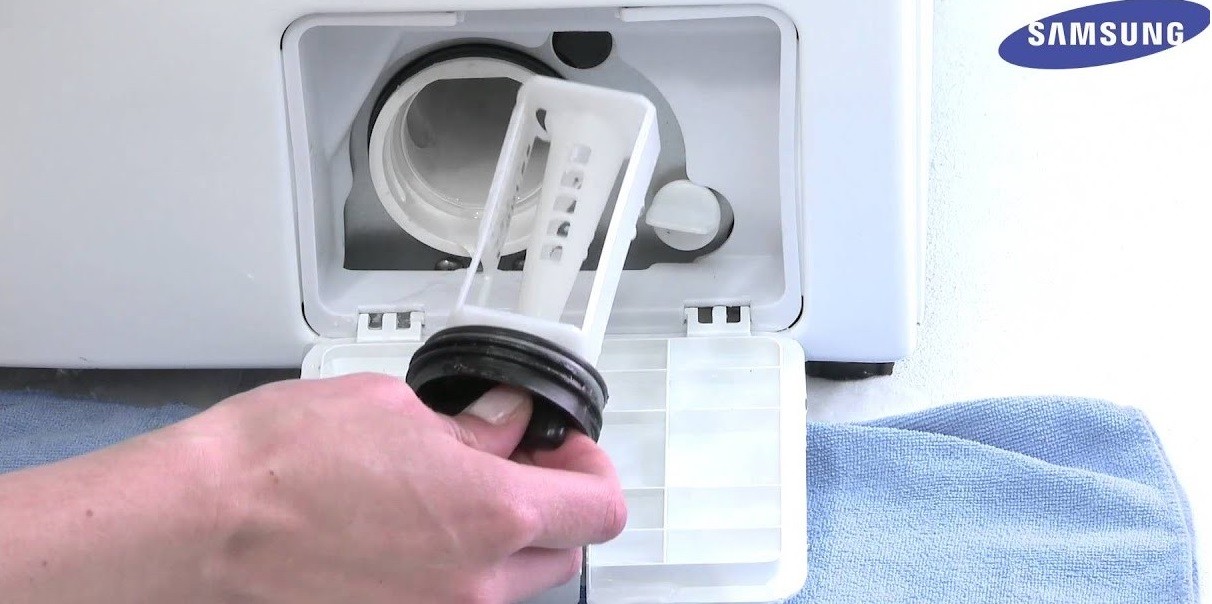
remove any remaining water from the system by removing the drain filter plug (located in the lower front corner of the machine);
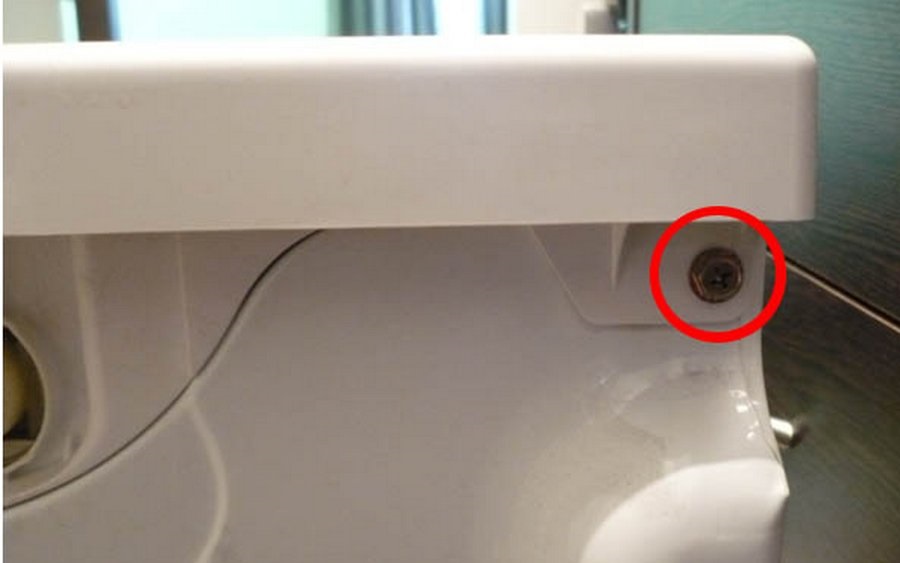
remove the top cover of the case by unscrewing a couple of screws that secure it;
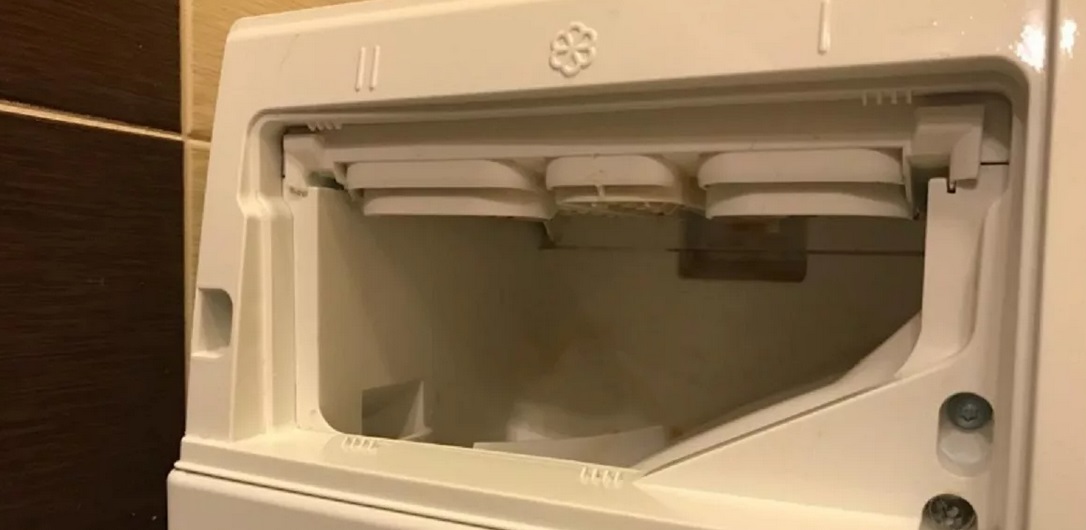
remove the detergent drawer (to do this, press the special “tongue” in the middle section of the detergent drawer);
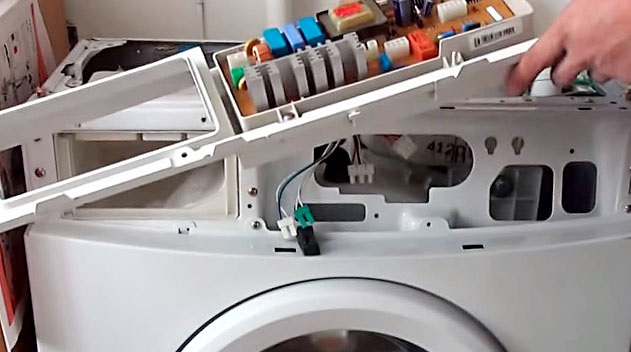
unscrew the bolts located around the perimeter of the control panel;
take a photo of the wiring diagram for the instrument panel;
Release the clips holding the wiring and unhook the control panel;
Locate the clamp securing the sunroof seal and remove it. If the ring is plastic, you'll need to remove the special lock. The metal rim can be pried off with a screwdriver.
remove the sealing cuff;
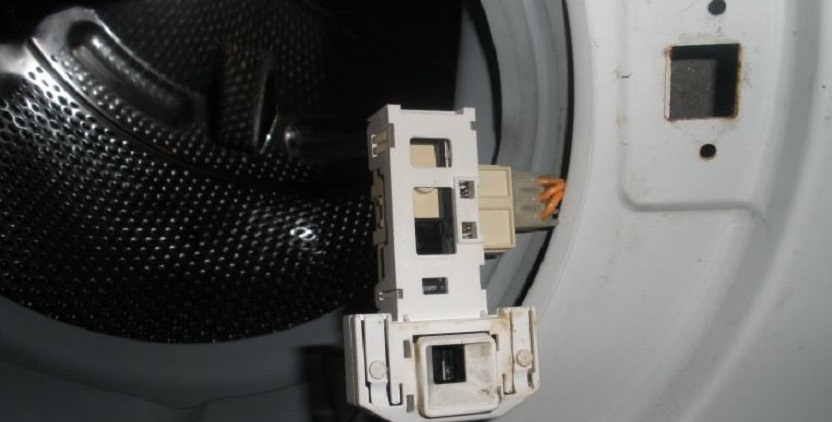
unscrew the bolts holding the door lock;
remove the lock from its seat;
Unscrew the screws located around the perimeter of the front wall and move the front panel to the side.
It is important to remember which screws held what - this is necessary to perform reassembly without any problems.
Next, you'll need to work on the machine's internals. Here's what you need to do:
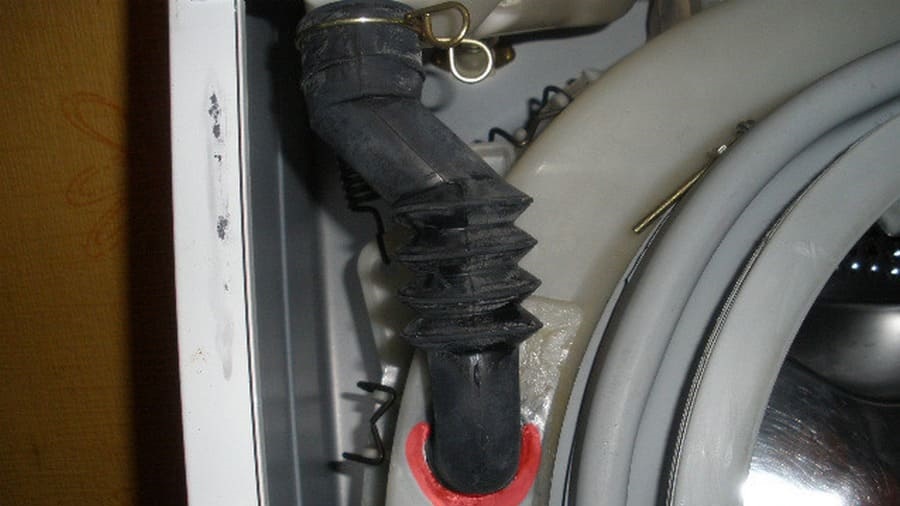
unhook the dispenser pipe from the tank;
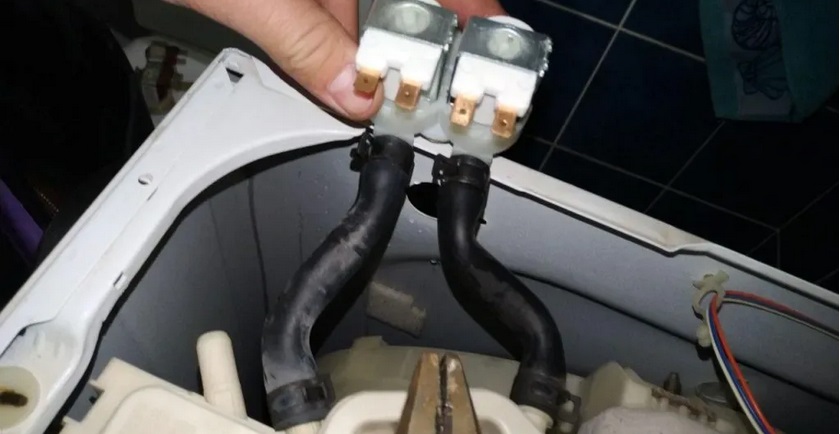
remove the fill solenoid valve by unscrewing the screws holding it;
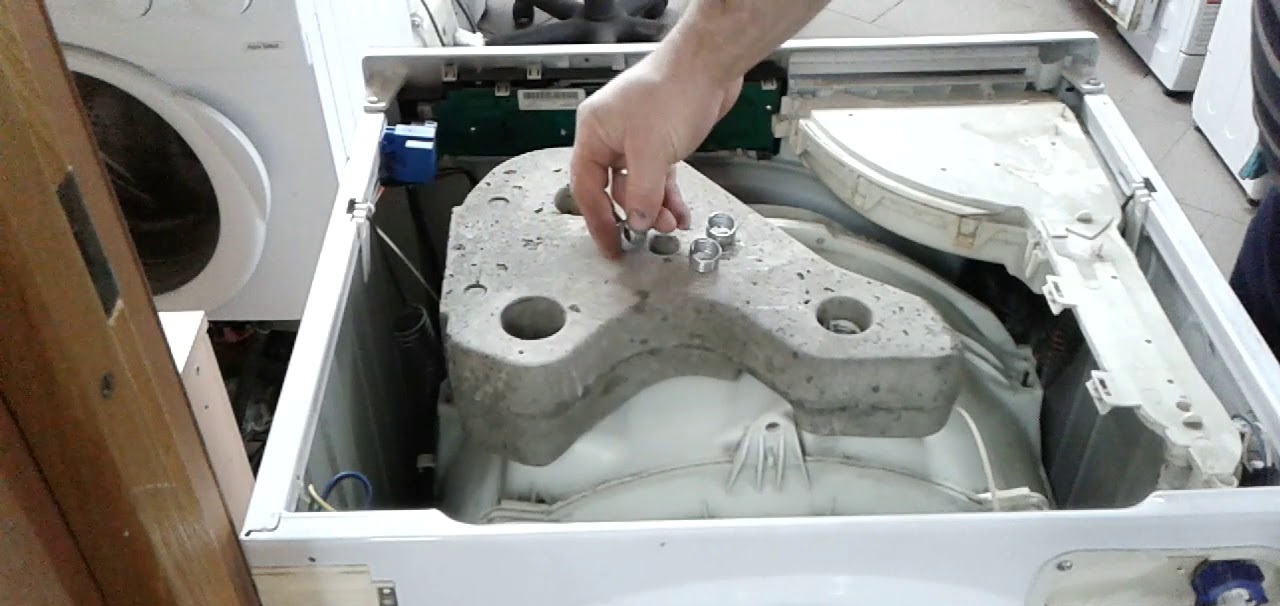
remove concrete counterweights - they will interfere with the free removal of the tank;
unscrew the screws located on the back wall and detach the panel;
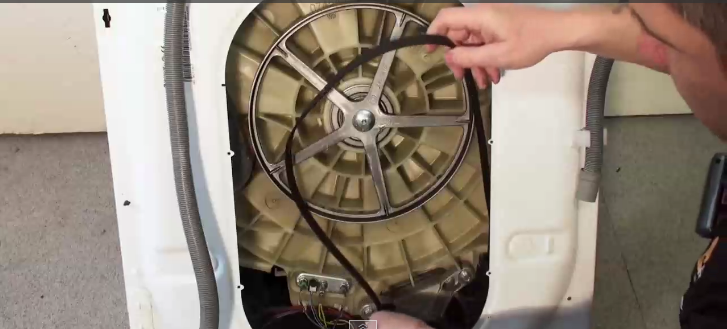
remove the drive belt;
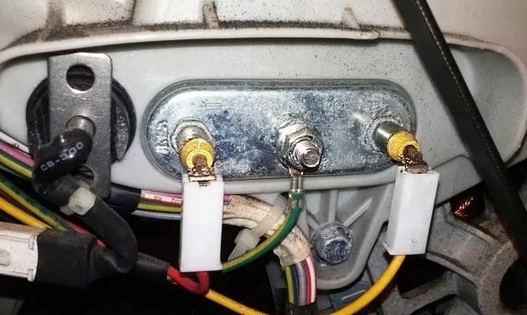
remove the wiring from the heating element contacts;
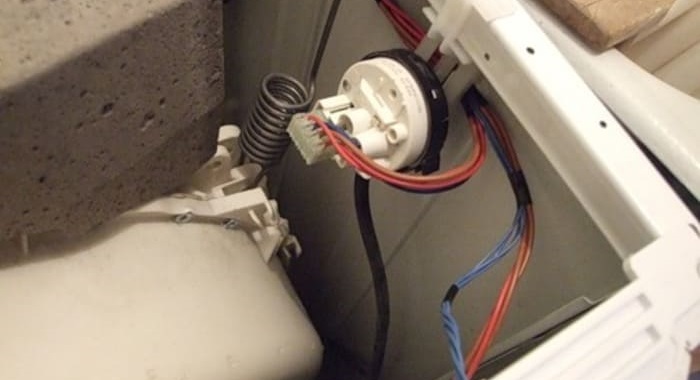
unhook the water level sensor connector from the tank;
disconnect the end of the drain pipe from the opening of the tank;
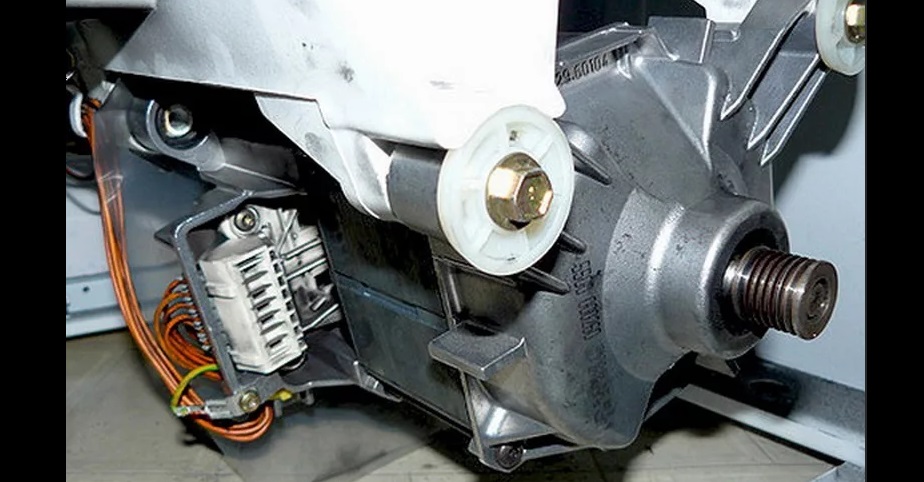
Disconnect the electric motor wiring, unscrew the fasteners and remove the motor from the washing machine;
remove the shock absorbers.
After these manipulations, you can pull out the tank—the plastic container will hang only on special springs. Removing the tank is easy through the front of the washing machine. Lift the tank and pull it toward you.
The next task is to disassemble the tank. The pulley needs to be removed, so you'll need to unscrew the central bolt that secures the "wheel." Then, remove the screws holding the tank together and separate it into two halves. This will give you access to the washing machine's drum.
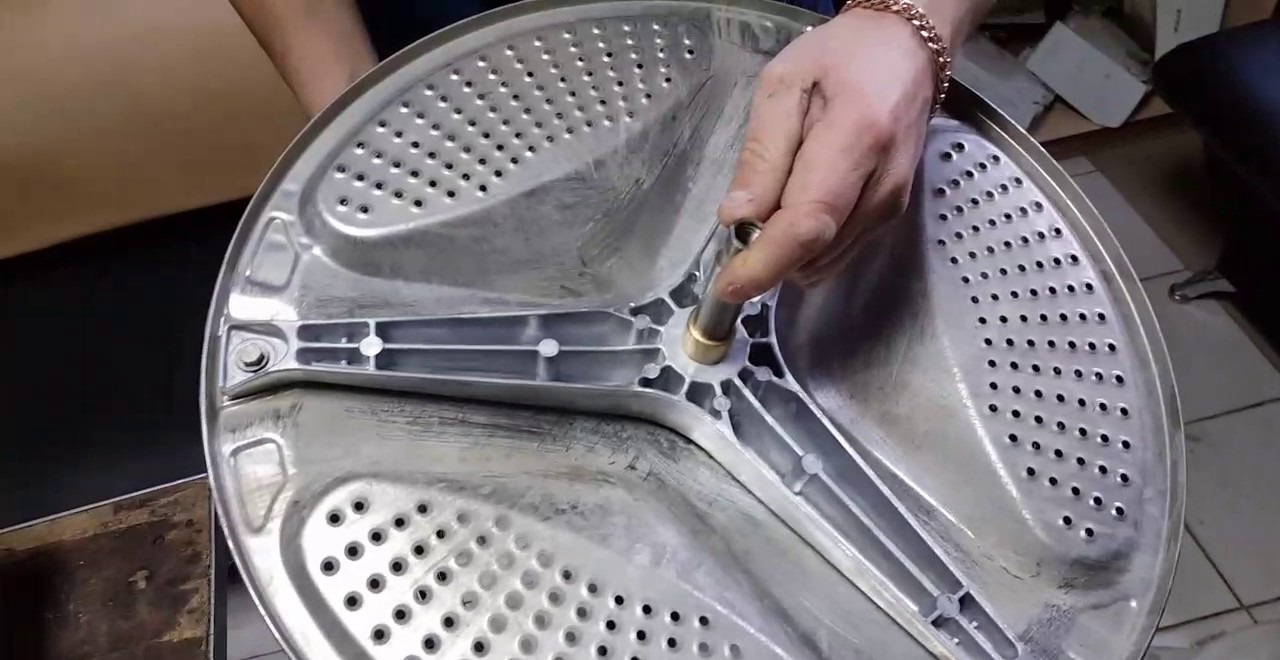
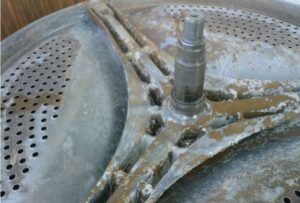
Carefully inspect the universal joint. If any obvious deformation or cracks are visible, replace the part. Parts must be purchased specifically for your automatic transmission model. They must be exact replacements.
Removing the old crosspiece and installing a new one
During repairs, difficulties may arise in removing the worn part. The crosspiece is attached to the drum with three screws, which can become stuck to the metal due to scale. Therefore, it's best to have some WD-40 spray on hand. Spray the solution on stubborn bolts and wait 15-20 minutes. After that, you can try to loosen the fasteners again.
Once the screws are removed, you need to tap out the damaged crosspiece. You'll need a small hammer for this. Gently tap the silumin part, or try prying it out with a thin screwdriver. This will free the part from the drum grooves.
Next, secure the new crosspiece in place, fasten the tub halves together, and return all previously removed parts to the washing machine. Once the housing is assembled, run a test wash. The machine should stop grinding and making noise, and start running quietly. Replacing the crosspiece isn't easy, but it's still doable. The key is to strictly follow the instructions.

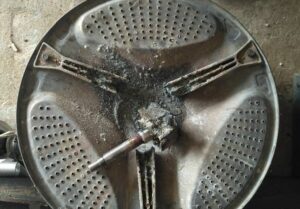 The spider is a fragile metal component used to secure the drum to the tub. During washing and spinning, this component is constantly subjected to extreme stress, so after a few years of use, it can easily become misshapen or crack. If this damage occurs, repairs to the machine will be inevitable.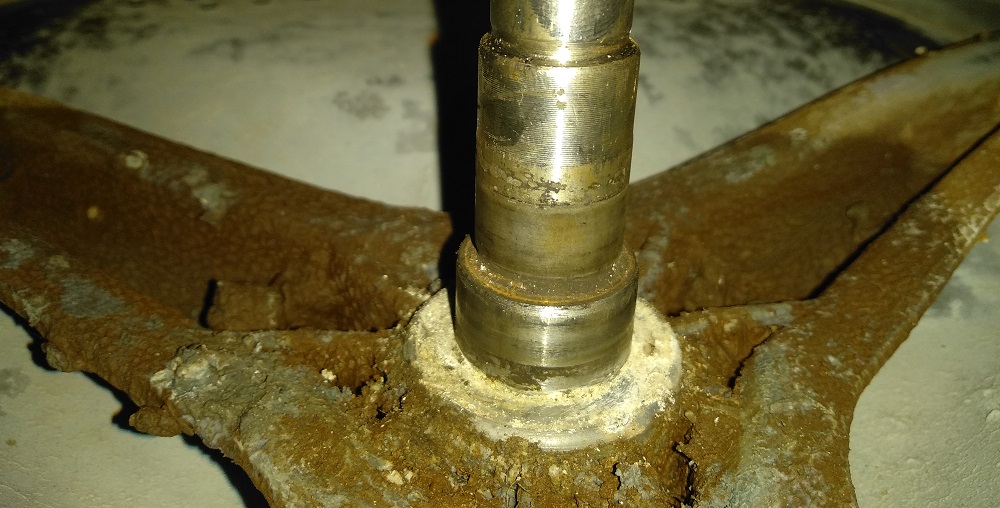














Add a comment