
How to change the pump in a Bosch washing machine?
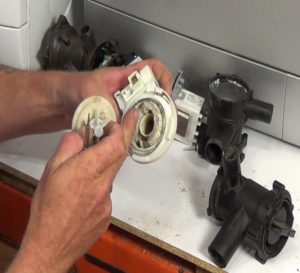 What should you do if your Bosch washing machine won't drain? There are two most likely causes: a clog in the system or a broken pump. In either case, you can repair the machine yourself, without the help of a professional. We'll explain how to replace the drain pump in a Bosch washing machine and provide detailed repair instructions.
Let's make sure the part is broken
How can you tell if the pump in your Bosch washing machine is faulty? You'll need to observe your machine and identify the main symptoms of its malfunction. Based on this information, you can determine the source of the problem.
First, focus on the external signs of a malfunction. Modern Bosch washing machines alert you to a system failure by displaying an error code on the display. By deciphering the error code using the appliance's manual, it's easy to determine whether the machine's freezing is due to a malfunctioning drainage system. The main sign of a faulty drain pump is a slowdown in the washing cycle at the stage of removing waste water from the tank.
Check whether the selected wash program includes a spin option. If not, try running this function separately. Sometimes users accidentally select a mode that doesn't include a drain, causing the machine to skip the drain.
Next, it's recommended to inspect the drain hose for kinks. The drain hose should be 50-60 cm above the floor and level. If it's not kinked, ensure there's no blockage in the tube. To do this, disconnect the element from the drain outlet and inspect it. At this point, you can direct the free end of the hose into the bathtub and run the machine's "Drain" mode.
If the water starts to drain away, then the cause is a blockage in the house communications.
Once you've determined that the drain hose isn't the problem, you'll need to check the debris filter. It's located at the bottom of your Bosch washing machine. You'll need to remove the protective panel or open the access door on the front of the machine. Before removing the filter plug, be sure to place a container underneath it to catch the water that begins to drain. After the liquid has drained, rinse the filter element and remove any accumulated debris or dirt from the opening.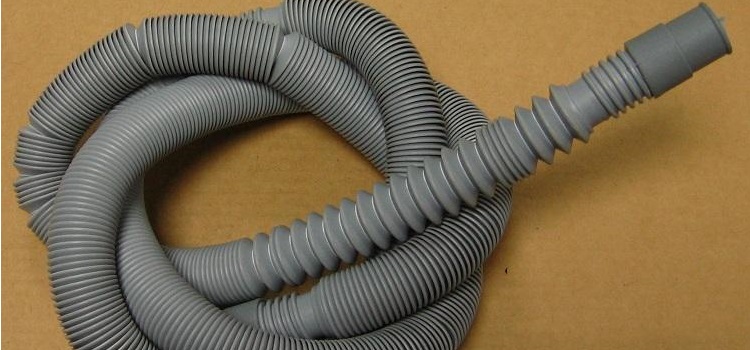
Next, take a flashlight and shine it into the hole under the debris filter. Inspect the impeller and use a long wooden stick to check its rotation. If the impeller doesn't move or rotates with great difficulty, you can begin checking the pump in your Bosch washing machine.
Preparing equipment for repair
Replacing the pump yourself isn't particularly difficult. The job will take about an hour. Before starting the repair, you need to prepare the equipment and figure out where the drain pump is located in Bosch washing machines.
It is essential to follow safety precautions: turn off the power to the washing equipment before use and disconnect the appliance from the house utilities.
Most Bosch washing machines have drainage system components located at the bottom of the machine, covered by a protective panel or a special hatch. To release the latches, we recommend using a flat-head screwdriver. Carefully pry the panel with the tool to remove it.
Once the false panel is removed (or the access panel is opened), you'll see the location of the debris filter. This is a plastic structure that protects the drain pump impeller from debris and foreign objects. You'll need to unscrew the filter element and wash it in warm water.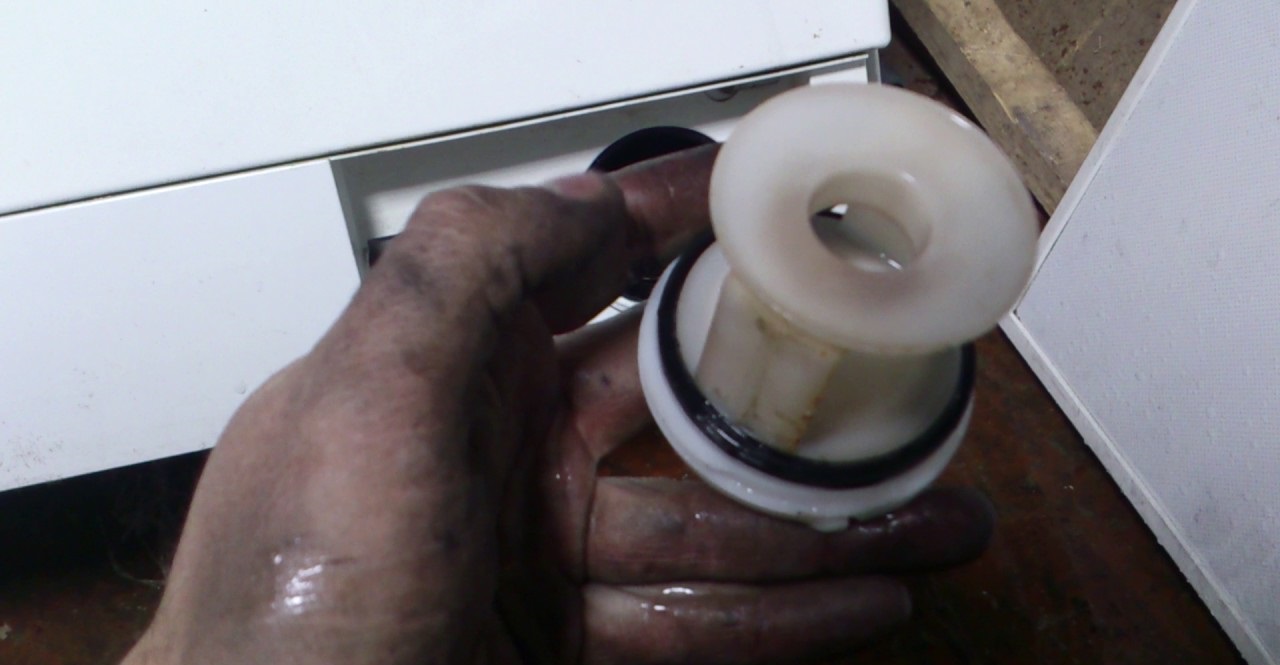
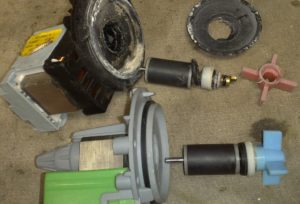
Once the filter is removed, the pump impeller can be accessed through the hole. Inspect it and spin it with a long stick. The blades should rotate with slight jerks, but still freely. If the element is difficult to move, it may be tangled in a hair or other debris. To clean it, you'll need to remove the drain pump from the machine.
The next step is to lay the washing machine on its side. Before laying it down, place a blanket or rug on the floor to prevent damage to the casing. Then, carefully and smoothly lower the machine. Some models are equipped with a tray that needs to be removed and set aside. If you look under the base of a Bosch washing machine, you can see the pump and the snail.
Before replacing the drain pump, it's recommended to test the component with a multimeter. Connect the probes to the pump terminals and set the tester to 700 V AC. Next, plug the washing machine into a power outlet and run the "Drain" program. After a while, check the reading on the multimeter screen. If the display shows 220 V, but the pump isn't draining, you can begin replacing the component.
If the drain program is working but no power is reaching the element, the control module is likely faulty. Don't attempt to tinker with the washing machine's electronics without sufficient experience and knowledge. It's best to seek professional help.
Instructions for replacing the part
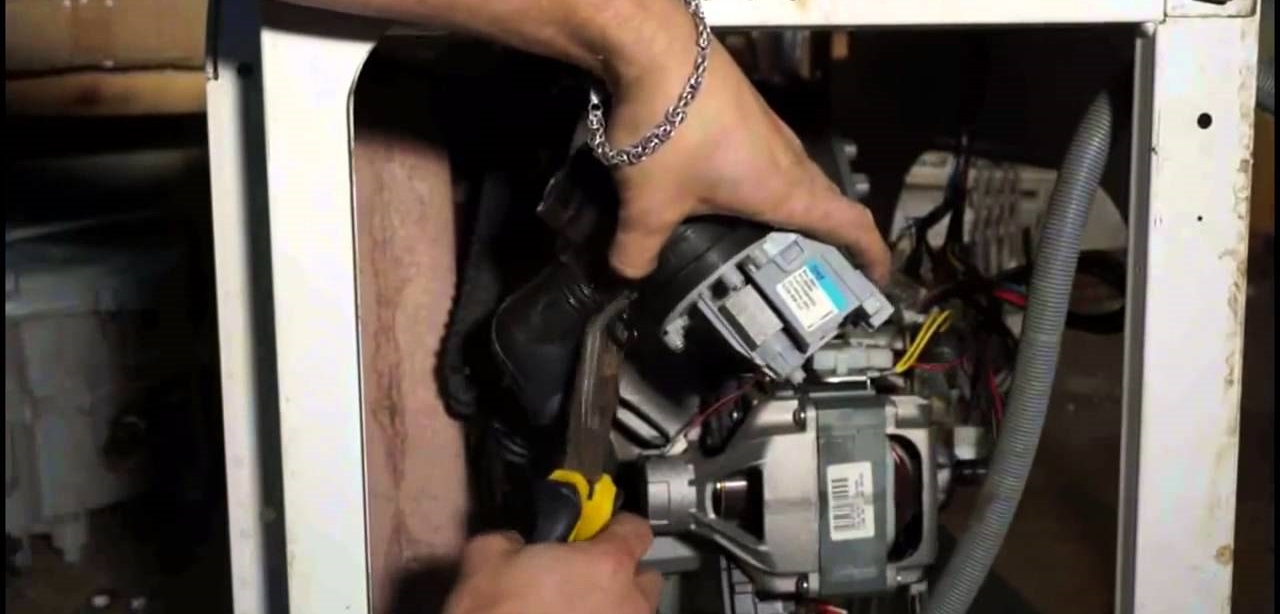
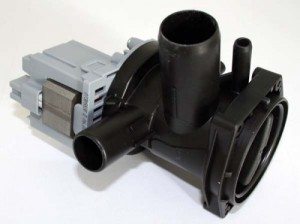
Once the pump malfunction has been confirmed, it's time to move on to the final stage of work. A replacement part can be purchased at specialty stores or online. To do this, tell the manager the make and model of your Bosch washing machine or show the removed part. The procedure for replacing the drain pump is as follows:
- disconnect both pump terminals, disconnect the power wires;
- Using a screwdriver, unscrew the three screws that connect the pump to the snail;
- grab the pump and carefully “break” the part towards the bottom;
- remove the element from the machine;
- prepare a new drain pump;
- put the serviceable element back in its original place;
- secure the pump with bolts;
- connect the terminals and two wires removed earlier;
- secure the bottom of the washing machine;
- screw the trash filter back into place;
- put the washing machine on its feet;
- Install the false panel back.
Replacing a drain pump is within the power of even a novice; the main thing is to strictly follow the instructions.
Afterwards, run a test wash with the drum empty and observe the program progress. If the water drains freely, everything is done correctly. In reality, the process of checking, removing, and installing a new pump takes little time. Of course, you can call a technician, but then you'll have to pay several thousand for diagnostics and repairs.
Interesting:


Readers' comments
Headings
Washing machine repair




For buyers




For users


Dishwasher




Add a comment